Photography as an art is so much more than the technical. It doesn’t matter what equipment you use as long as your images have something to say. In this monthly column, photographer Laurie Klein offers words of inspiration followed by our monthly photo challenge assignment to help you tap into the art and soul of your photography.
Art is something that makes you breathe with a different kind of happiness.
— Anni Albers Tweet
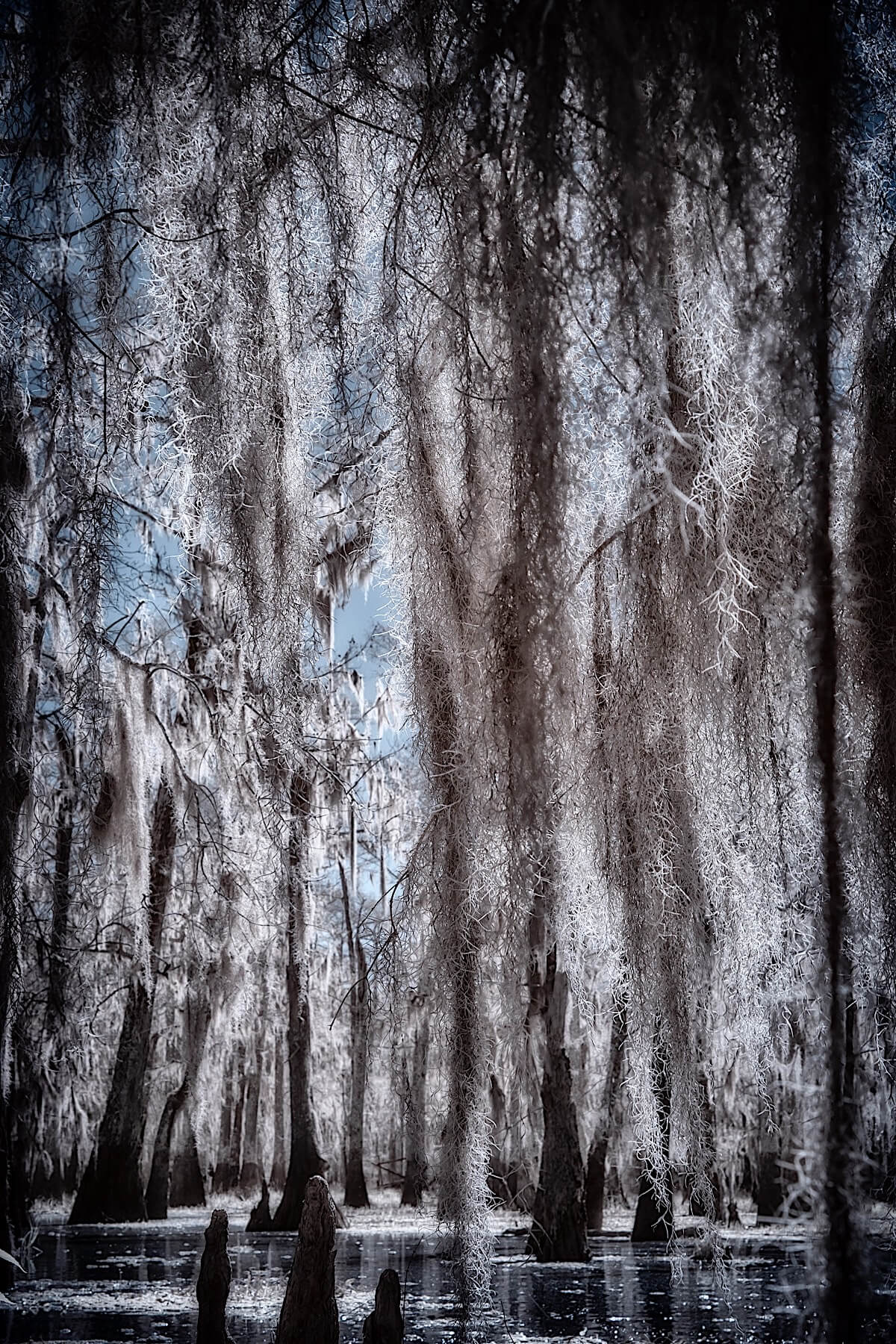
Let’s have some fun and get out of our comfort zone.
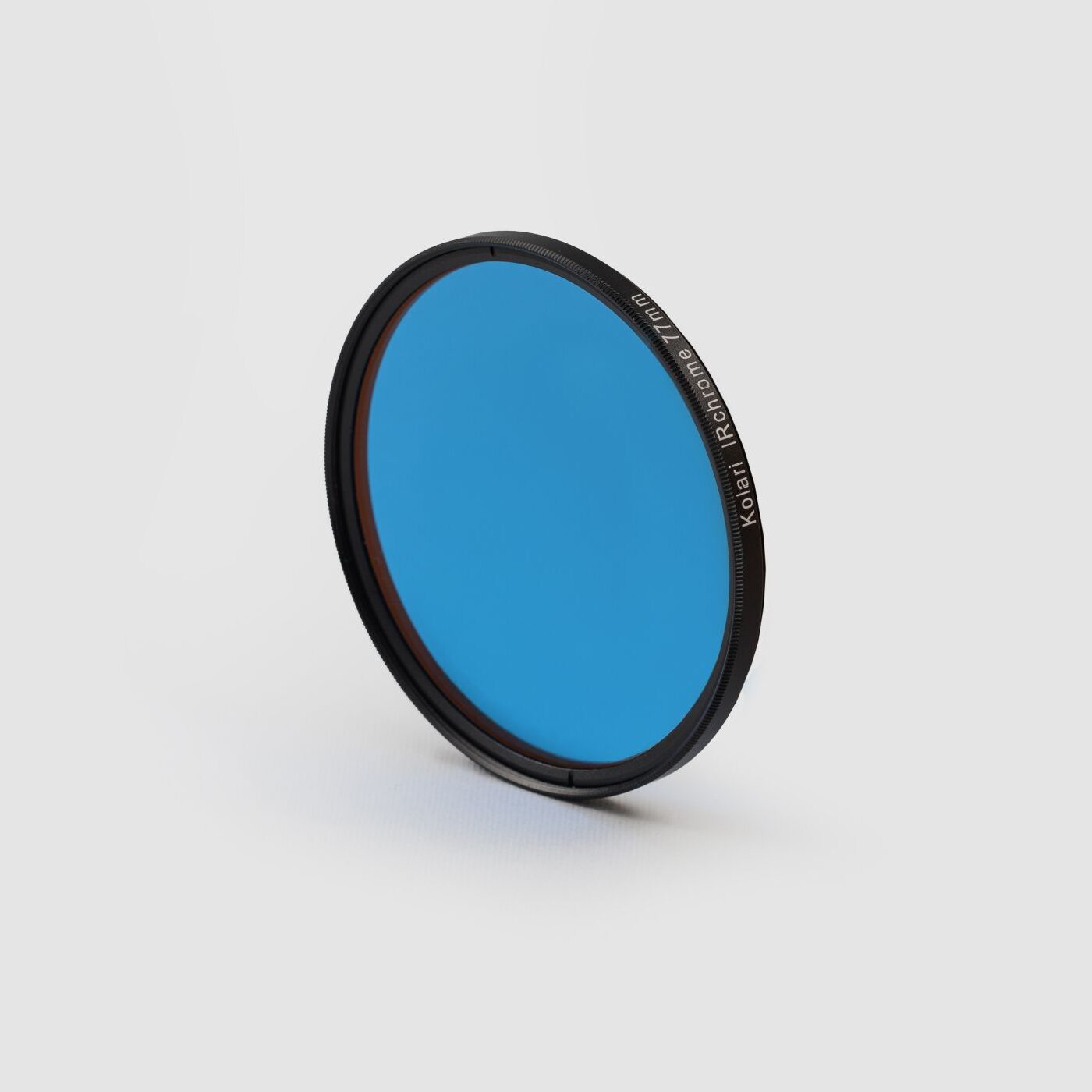
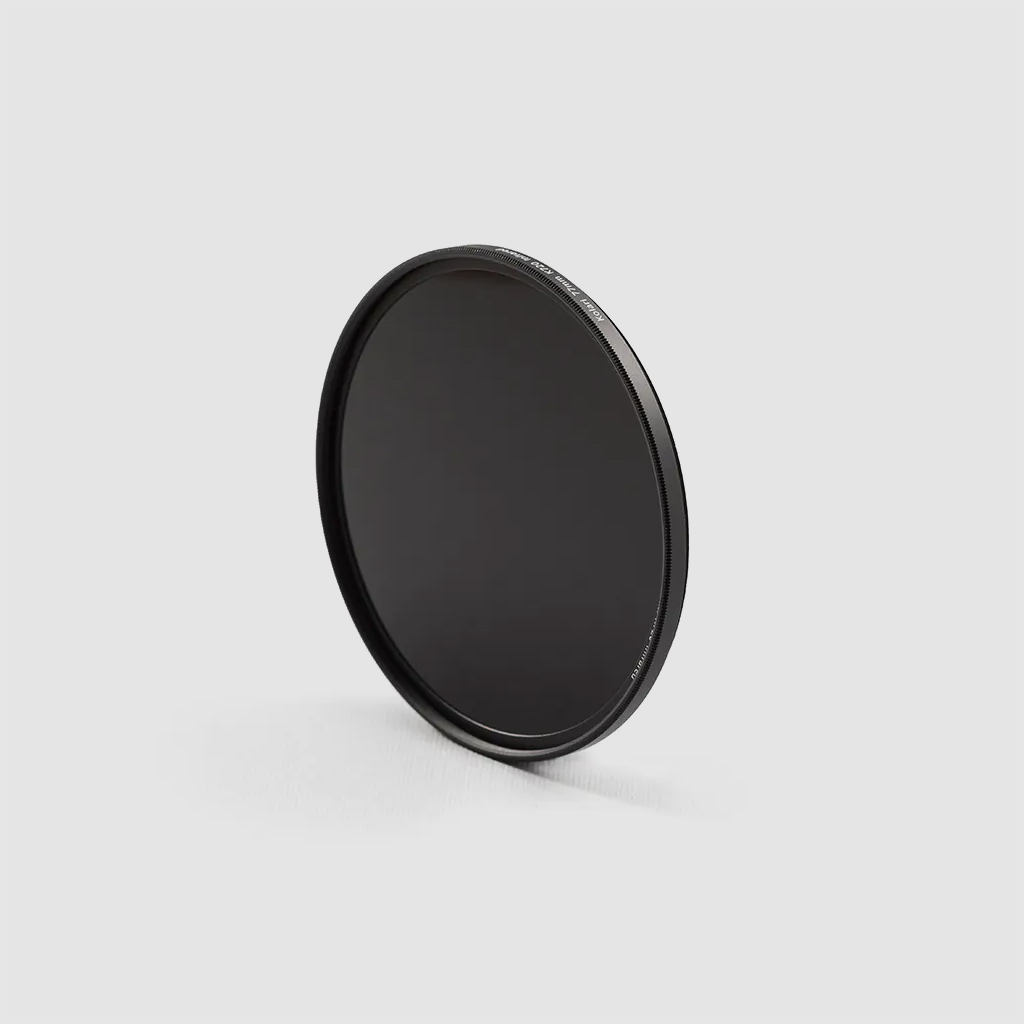
I believe in learning the rules so you can go out and break them. I learned infrared with 720nm film, and now I primarily use a 720nm clip-in filter on my full spectrum camera. Back in the ’60s, photographers used slide film for psychedelic colors on rock album covers. So why not explore and break the rules by playing with other infrared filters?
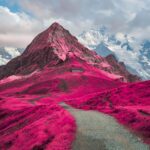
In this modern age, we have a unique array of choices of which part of the spectrum you want to capture. It’s no longer strictly visible or strictly infrared. You can achieve some truly unique colors using false color infrared filters, which are varying infrared and visible light combinations.
Using 665nm Infrared for More Color
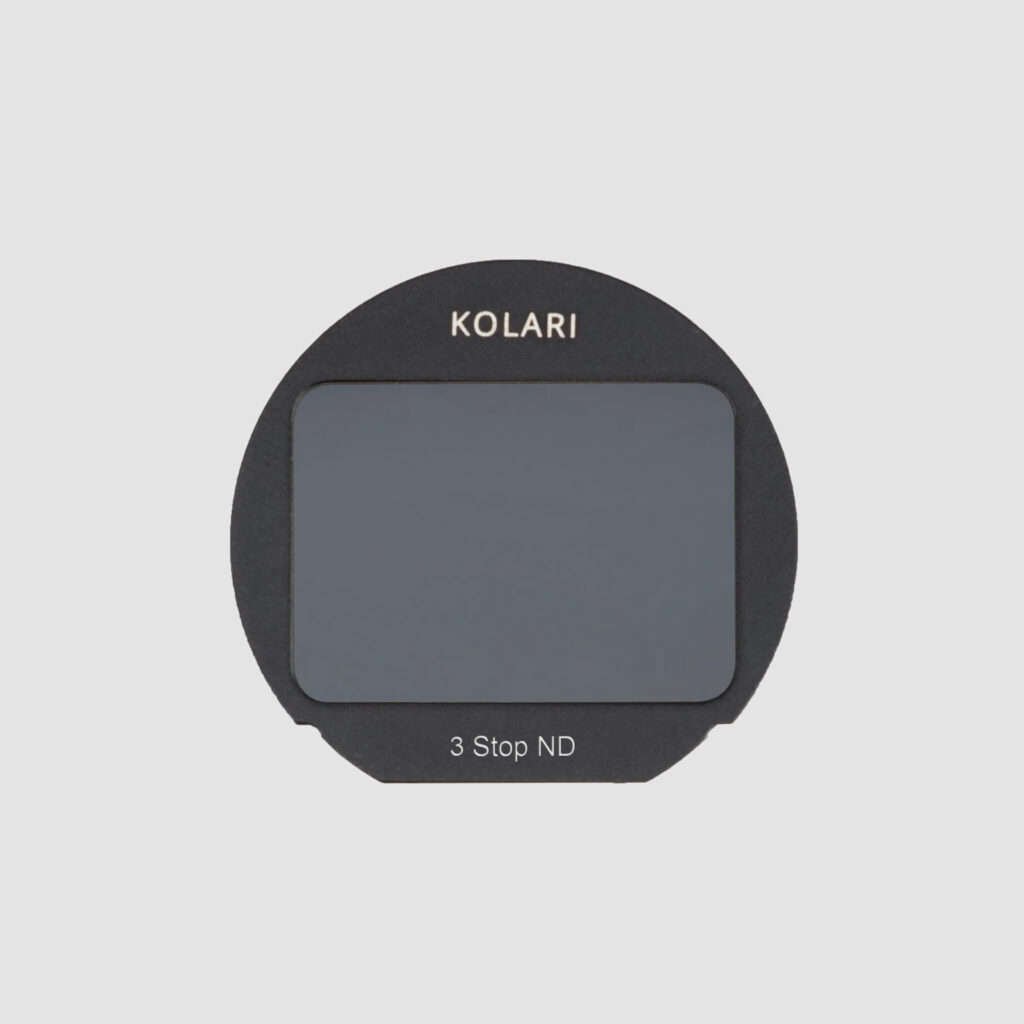
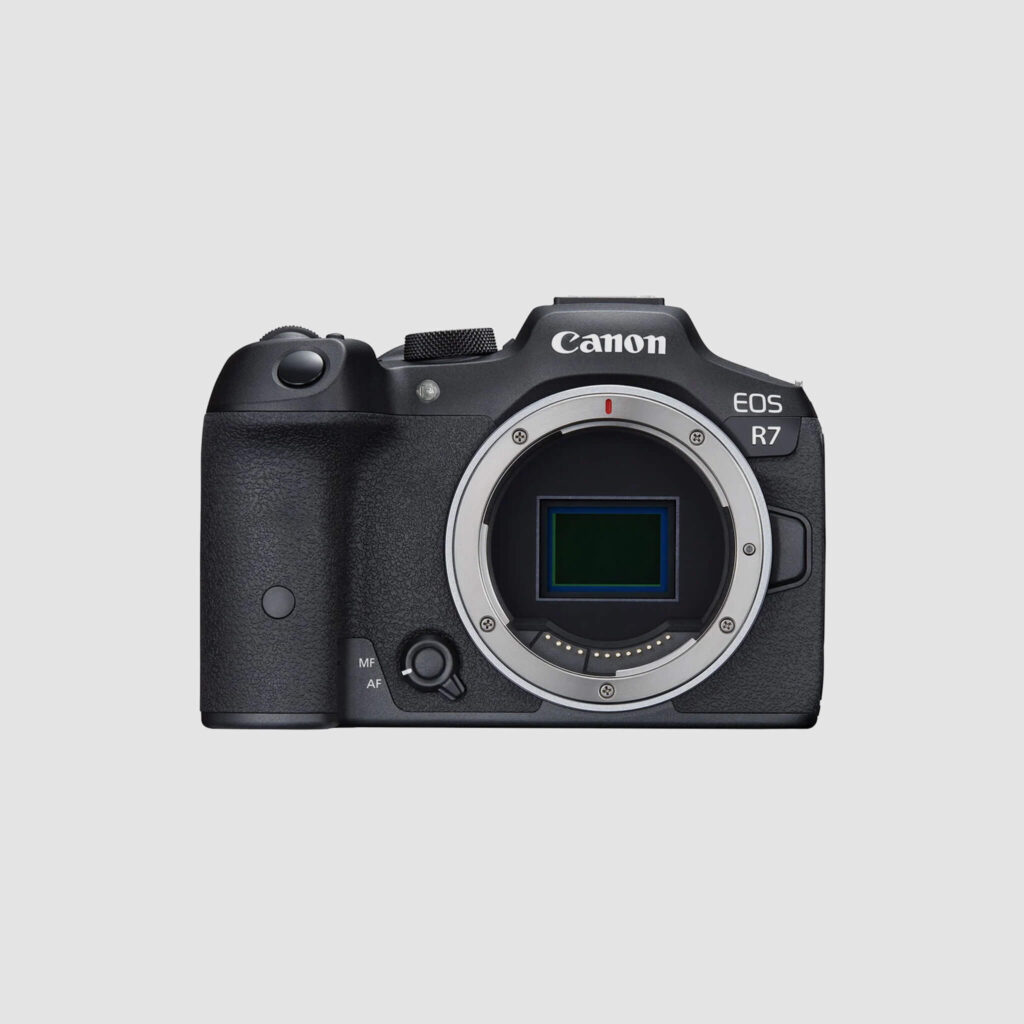
I have been experimenting with different wavelengths with my Canon full spectrum mirrorless camera and Kolari’s new magnetic clip-in filter system. I find myself using the 665nm quite a bit these days. It still captures some of the visible wavelengths that the 720nm does not, so I can have a bit more color with the lower nanometers (visible spectrum), which warms and enhances the image. Playing with the 665nm, I have found some fantastic results that tell different stories than the other filters. During post-production, I can also channel swap the cool and warm colors to enhance the photos.
August Infrared Assignment: Try Different Filters
August’s Infrared Assignment: Try using different filters than the one(s) you typically gravitate towards, and experiment with new colors in your images. Post your photo on Instagram, tag @kolarivision, and use #kolariphotochallenge to submit your work. Winners will be selected the first week of September. Tap into your art and soul of infrared.
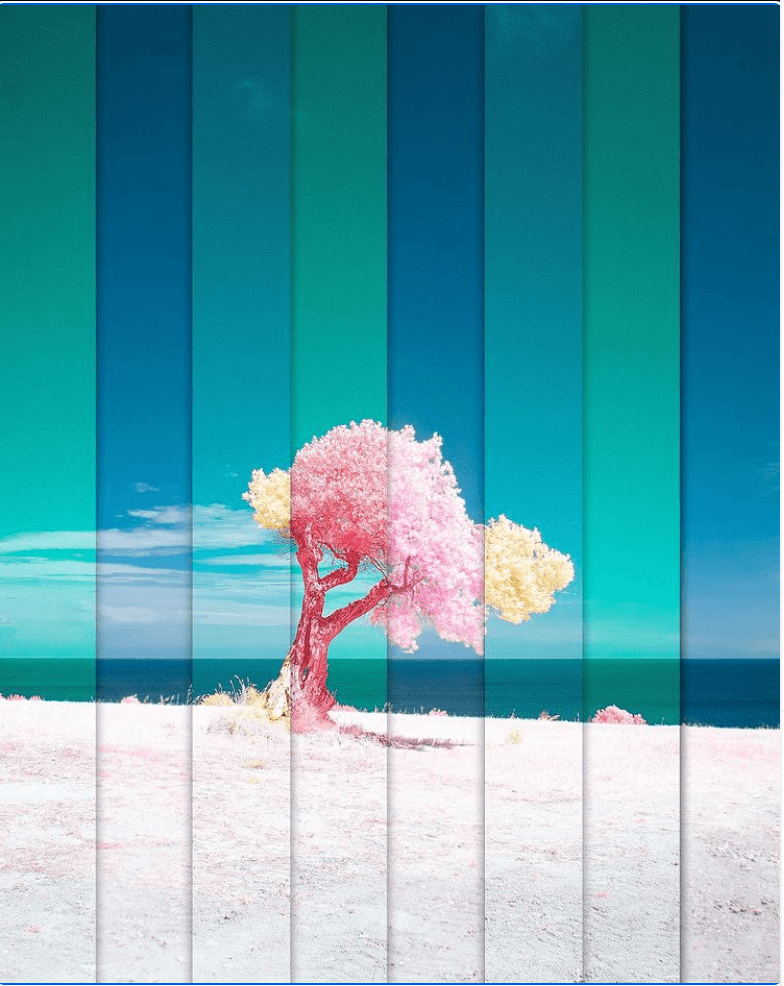
Challenge Winner: Michael Demichele | @dieselini
Infrared Filter Experimentation FAQs
What Is Art And Soul Of Photography: August 2022 About?
It is a monthly Kolari column by Laurie Klein, published on August 4, 2022, focused on the artistic side of infrared photography. The post encourages photographers to leave their comfort zone and experiment with different infrared filters.
Why Does Laurie Klein Recommend Trying Different Infrared Filters?
Laurie encourages photographers to learn the rules and then break them by exploring other infrared wavelengths. She explains that modern infrared photographers can choose different parts of the spectrum instead of working only in visible light or strictly infrared.
What Filter Does Laurie Klein Say She Uses Most Often?
She says she originally learned infrared with 720nm film and now primarily uses a 720nm clip-in filter on a full-spectrum camera. In this post, she also says she has been using 665nm quite a bit because it captures more visible wavelengths and gives more color.
How Can 665nm Infrared Affect Image Color?
The article explains that 665nm captures some visible wavelengths that 720nm does not, which can warm and enhance an infrared image. Laurie also notes that channel swapping in post-production can further enhance cool and warm colors.
What Is The August Infrared Assignment?
The August assignment asks photographers to try filters different from the ones they usually use and experiment with new colors. Readers are asked to post on Instagram, tag @kolarivision, and use #kolariphotochallenge, with winners selected during the first week of September.