While getting up early in the morning can be painful, I’ve never regretted photographing the sunrise. There’s something magical about the stories you can tell as the world is only just waking up. Every morning is different, even in the same location.
Mornings are a great time to be creative. Your mind is clear, nothing crazy has happened, and the joy of sunrise is bound to kick off your day beautifully. In this article, we’ll talk about tips for photographing sunrise.
From embracing morning light to making sure you have the right gear, photographing sunrise might go from daunting to your favorite part of the day. Let’s walk through four tips to make the most of those early mornings.
Embracing Morning Light
Early morning light is soft and diverse. It might start out blue as dawn breaks and shift to warm orange as the sun appears. You might get stunning and dynamic light that changes and morphs. The morning light can create calm, serene images.
Sunrise offers some unique photo opportunities that you can’t always capture at other times of the day. You might catch a reflection or dramatic silhouette or alpenglow. The air is often clear and crisp, allowing you to avoid haze.
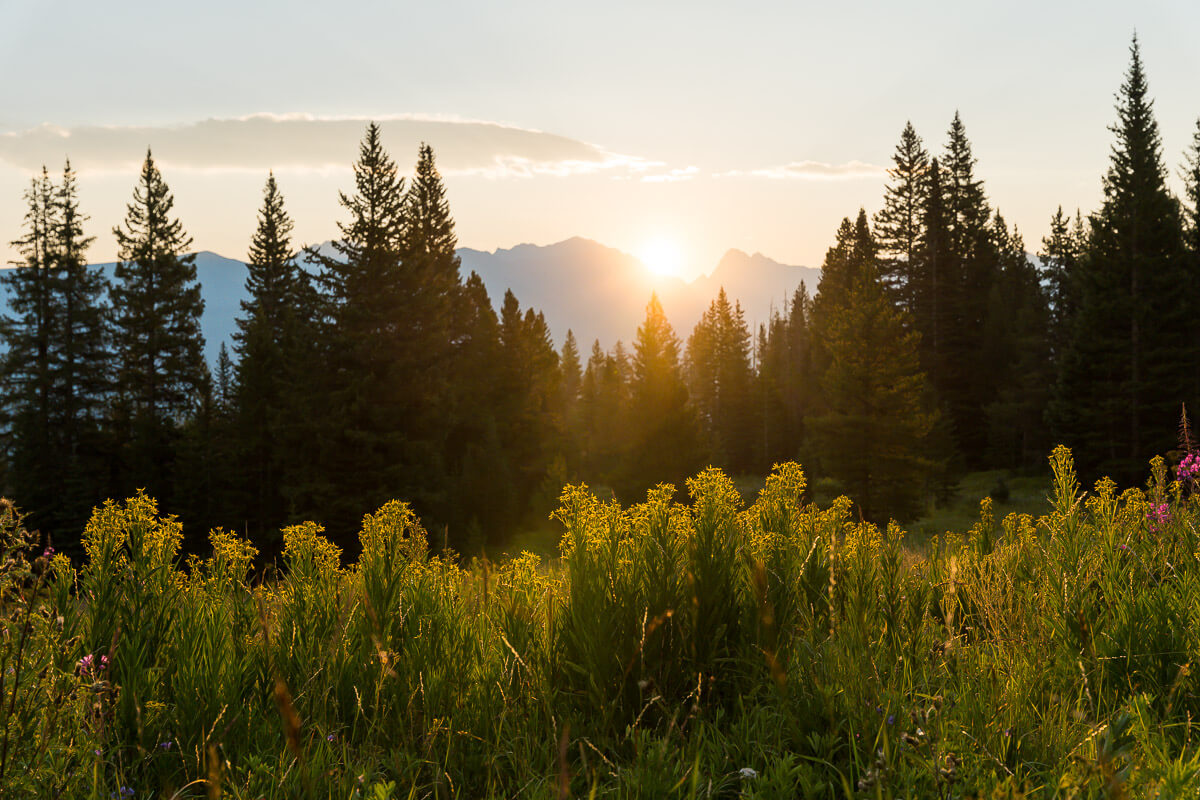
Sometimes mornings might be foggy or cloudy, which can add to the interest of your compositions. The vibrant colors in the sky combined with the soft low-angle light can lead to very pleasing images. You can avoid harsh contrast and unbalanced exposures.
Don’t be intimidated if the weather has been stormy; those can often be some of the most dramatic and unique times. Everyone can photograph a sunny landscape and the images will look similar, but sunrise after a storm is unpredictable and could produce once-in-a-lifetime photos.
Be Early and Prepared
If you want to photograph the sunrise, you have to be in position before the sun rises. This means knowing where you’re going and getting set up so that you’re ready for the light show. It doesn’t hurt to plan ahead by checking the weather and the sunrise time, as well as when the sun will appear from behind tall features.
Often sunrise requires patience and flexibility. You might want to capture that early morning light but then need to wait for the sun to crest the mountain or hillside. A phenomenon like Alpenglow happens quickly.
Photographing a sunrise can feel more rushed than photographing a sunset, so it helps to be early, caffeinated, and ready to rock. With sunset, the light gets better and better until it fades out as you watch the sun as it sets and the light goes dim. Conversely, I always feel a little more rushed with sunrise because sometimes the best moments happen first when that sun seems to pop up.
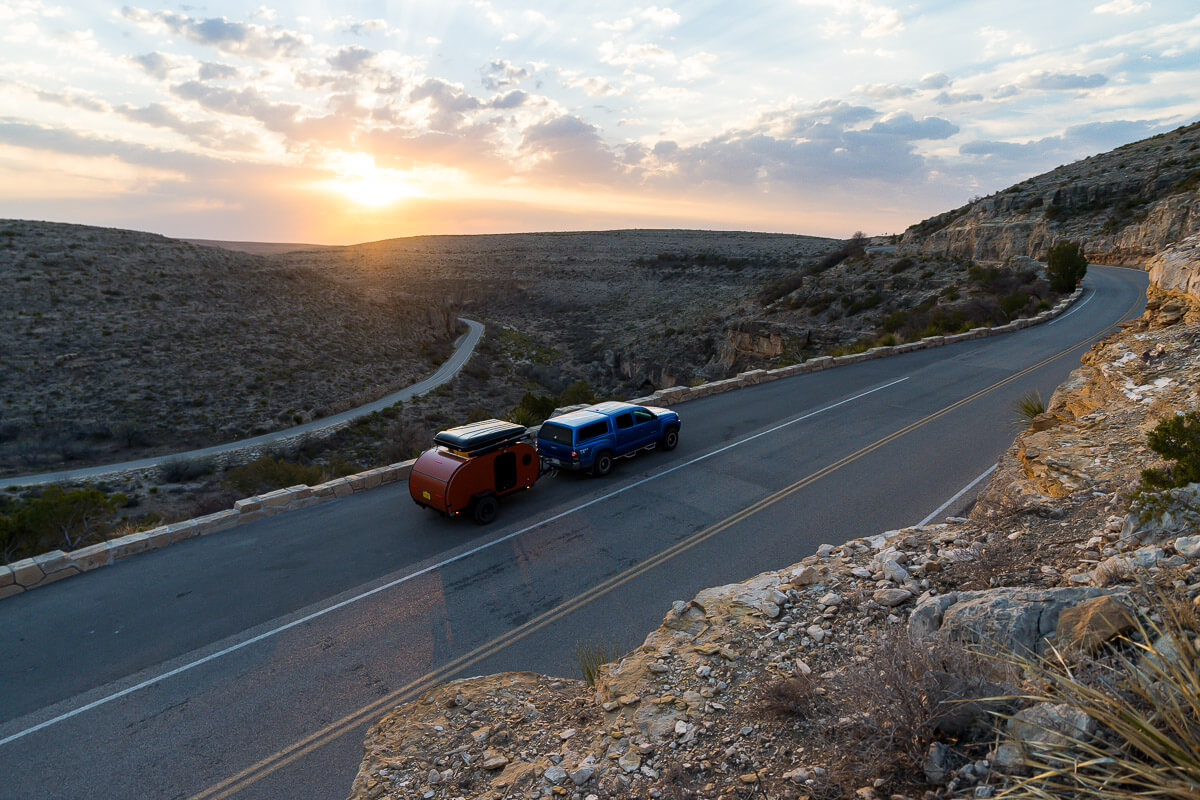
You won’t have time to warm up before the big moment, so it helps to pre-visualize the images you want to make. Make sure you plan enough time to drive or walk to the spot you have in mind, and don’t forget to dress warm since mornings are cold and you will want to arrive before the sun hits.
Photography Techniques
Don’t be afraid to shoot both directions for diversity of images. You might want to see the sun in one photo but see the sun lighting up the subject in another. Backlit and front-lit photos both have their appeal, so even if you have a vision for a specific shot, it’s nice to shoot in a variety of directions.
Additionally, you might play with the aperture and focal length. A high aperture like f/22 might create an awesome Sunstar on a wide-angle lens, while a low aperture like f/1.8 might create a beautiful sun flare. Both effects can have an interesting impact on your images.
Even though the best part of sunrise seems to be over in a blink, keep shooting. Sometimes interesting things keep happening. It’s good to practice adjusting your settings and perfecting your compositions so that you can do so instinctively in high-pressure yet peaceful sunrise conditions!
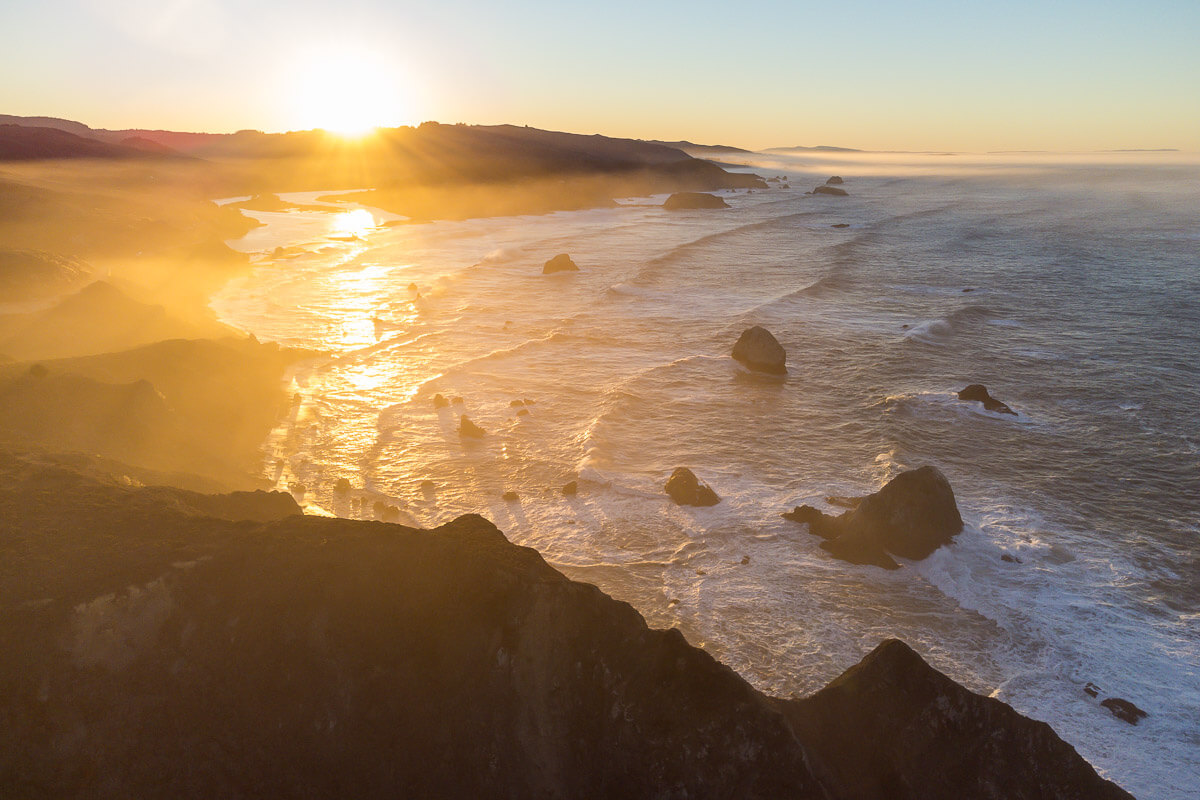
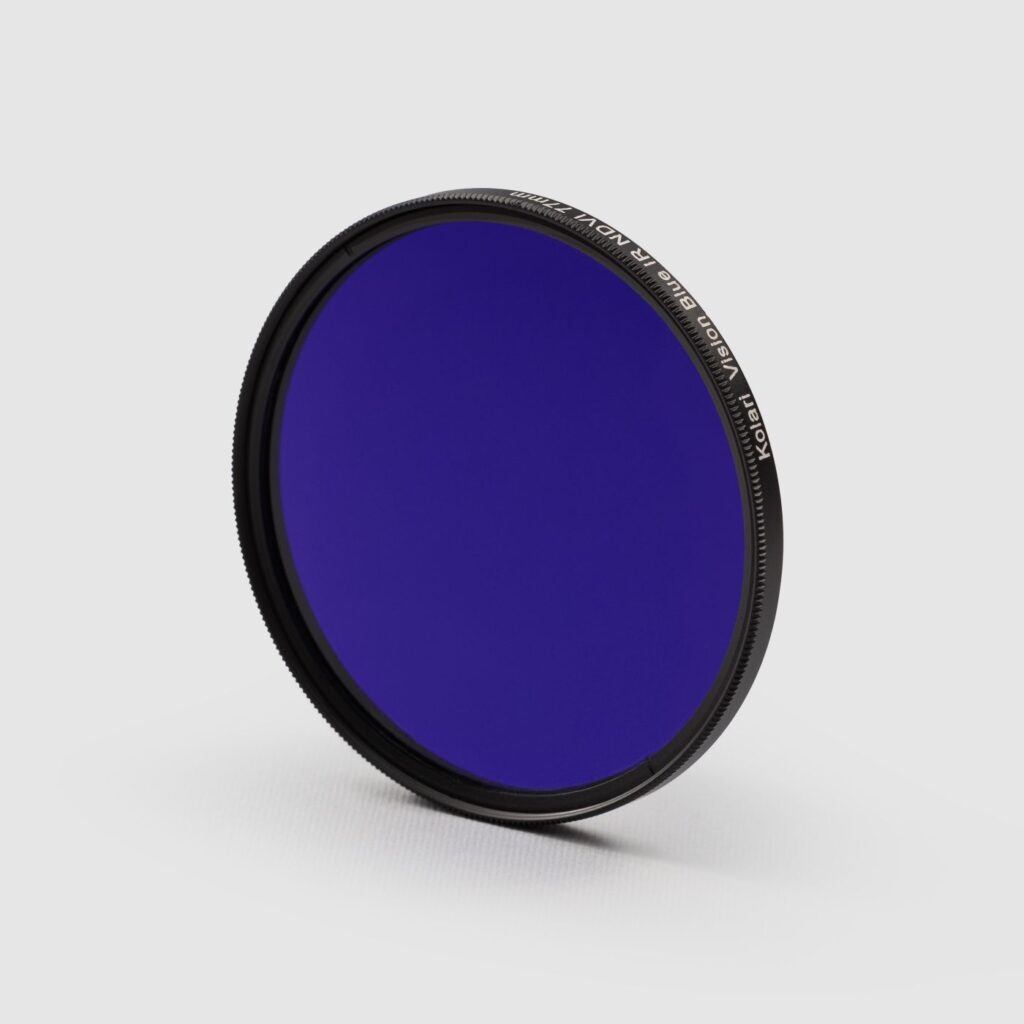
Maybe you captured the image you had in mind, but now it’s time to see if you can improve upon the composition. Try using a high aperture to get everything in focus or add an ND filter to allow you to get a super long exposure so the clouds have a sense of movement in the image. There are many things to experiment with that might unlock a new sense of creativity.
Gear for Sunrise Photography
If you’re planning to shoot sunrise, you might want to dress in layers in a location that will go from cool to warm after the sun comes up. Since you’re planning to be early, make sure you’re comfortable waiting for the sun to rise and patient enough to shoot until it’s over.
Some apps allow you to see what time the sun will rise and where exactly it will appear, so you can predict how to position it in your frame. Even if you are in a valley, there are apps that will show you precisely when the light will crest the ridgeline above you.
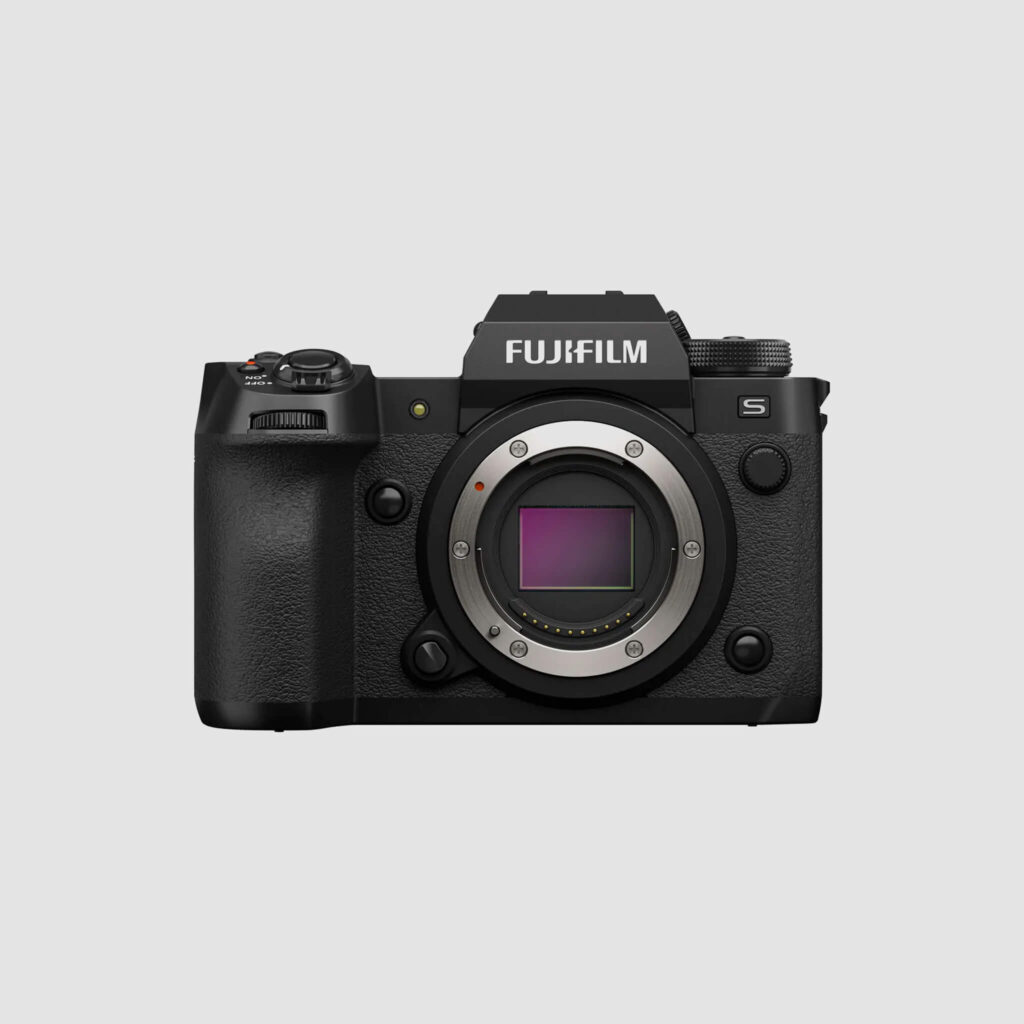
You’ll want to make sure your camera does well in low light conditions and has a wide dynamic range. If you shoot in RAW, you’ll have flexibility in post-processing to balance things like exposure and white balance. I love a wide-angle lens for capturing the expansive sky and landscape, but you might want a longer focal length to capture compression so the far-off mountains appear boldly in your image.
Pay attention to your camera settings as the sky changes and gets brighter; you may need to quickly adapt to changes in light and adjust your exposure settings. If your camera doesn’t have a wide dynamic range, you might consider bracketing, graduated ND filters, or HDR techniques to capture a wider range of colors.
Multiple exposures can be blended together in the editing process to give you a hyper-real image that showcases a vivid landscape. Just be careful not to go overboard with your editing. The photos that are true to life will have longevity and the widest appeal.
Summary
In summary, if you’re heading out to photograph the sunrise, you’re in for a treat. Make sure you’re early and prepared so that you can embrace the magic of morning light. Try out a few photography techniques and make sure you have the right gear for the best shots.
From there, it’s about having fun and enjoying the beauty of the morning. After all, being creative before the natural stress of everyday life sets in is a great way to start your day!
Author Bio:
Marc and Brenda Bergreen are a husband and wife photo and video team based in Evergreen, Colorado. They photograph weddings and other adventurous stories in beautiful places.
Sunrise Photography FAQs
Sunrise Photography FAQ
To photograph a sunrise, arrive before the sun rises, plan your location, check the weather and sunrise time, and prepare your composition before the best light appears. The article notes that sunrise can feel more rushed than sunset because some of the best moments can happen right as the sun appears.
What Is The Best Light For Sunrise Photography?
The best sunrise light is often the soft early morning light that shifts from blue dawn tones to warm orange sunlight. The article also mentions reflections, silhouettes, alpenglow, fog, clouds, clear air, and post-storm skies as strong sunrise photography opportunities.
What Camera Settings Work Best For Sunrise Photography?
Good sunrise settings depend on the scene, but the article recommends adapting quickly as the sky gets brighter. A high aperture like f/22 can create a sunstar, while a wide aperture like f/1.8 can create sun flare.
What Gear Do You Need For Sunrise Photography?
Useful sunrise photography gear includes a camera with strong low-light performance and wide dynamic range, a wide-angle lens for expansive landscapes, a longer lens for compression, warm layers, and apps that help predict sunrise direction and timing.
Should You Use ND Filters Or Bracketing For Sunrise Photography?
Yes, both can help depending on the scene. The article recommends using an ND filter for long exposures, especially to add movement to clouds, and using bracketing, graduated ND filters, or HDR techniques when the camera needs help capturing a wider dynamic range.