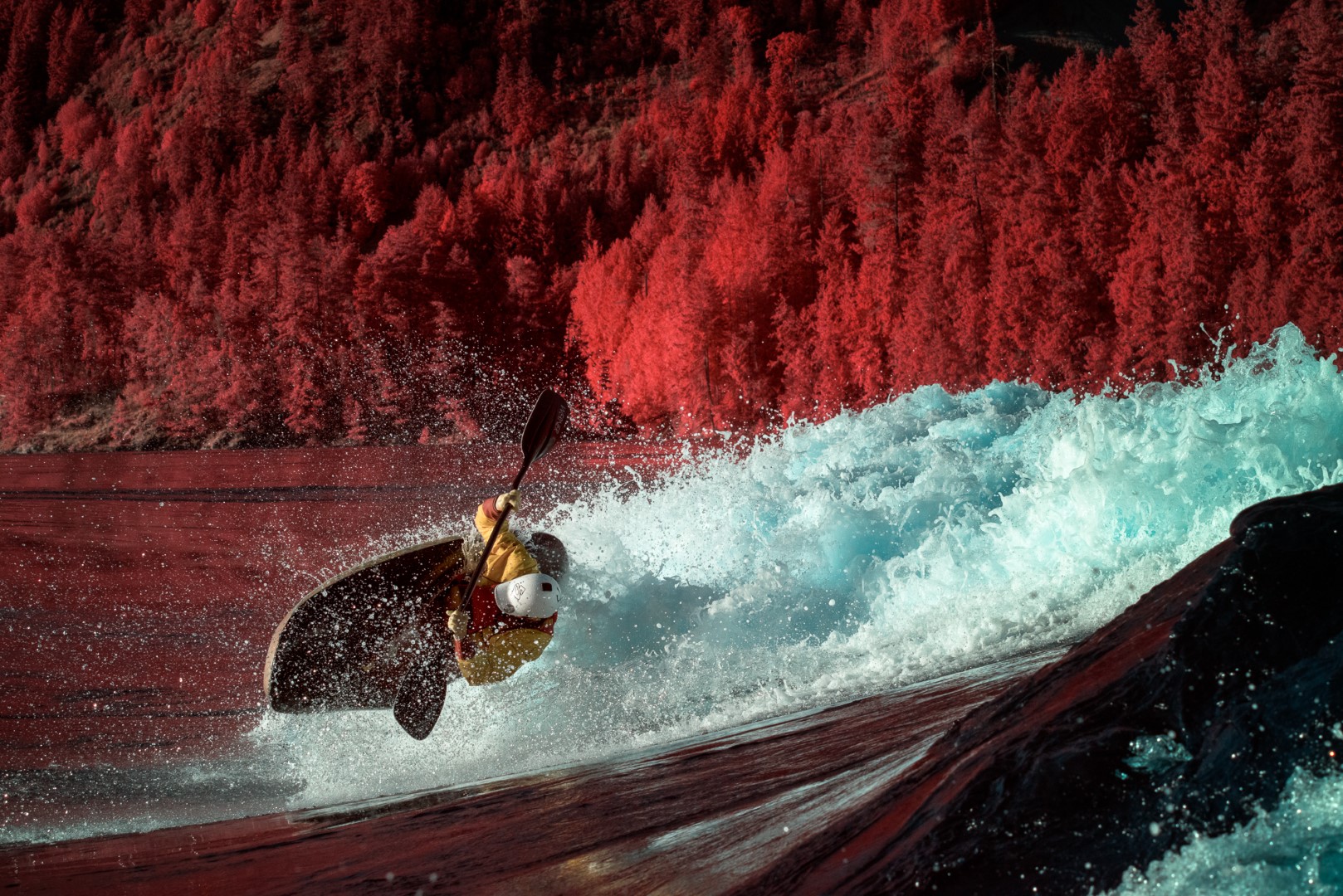
Infrared Photography Artist Feature: Daniel Stewart
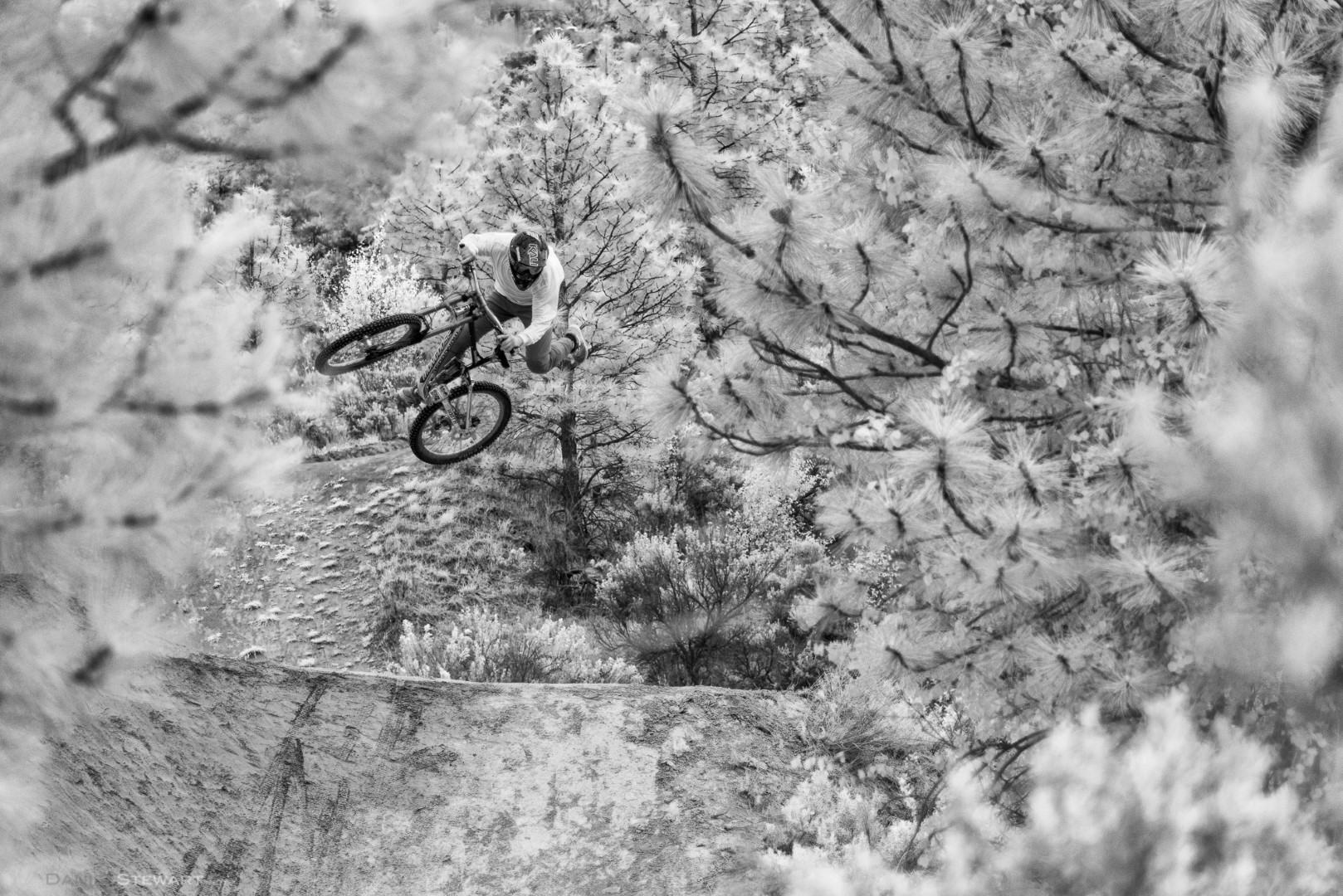
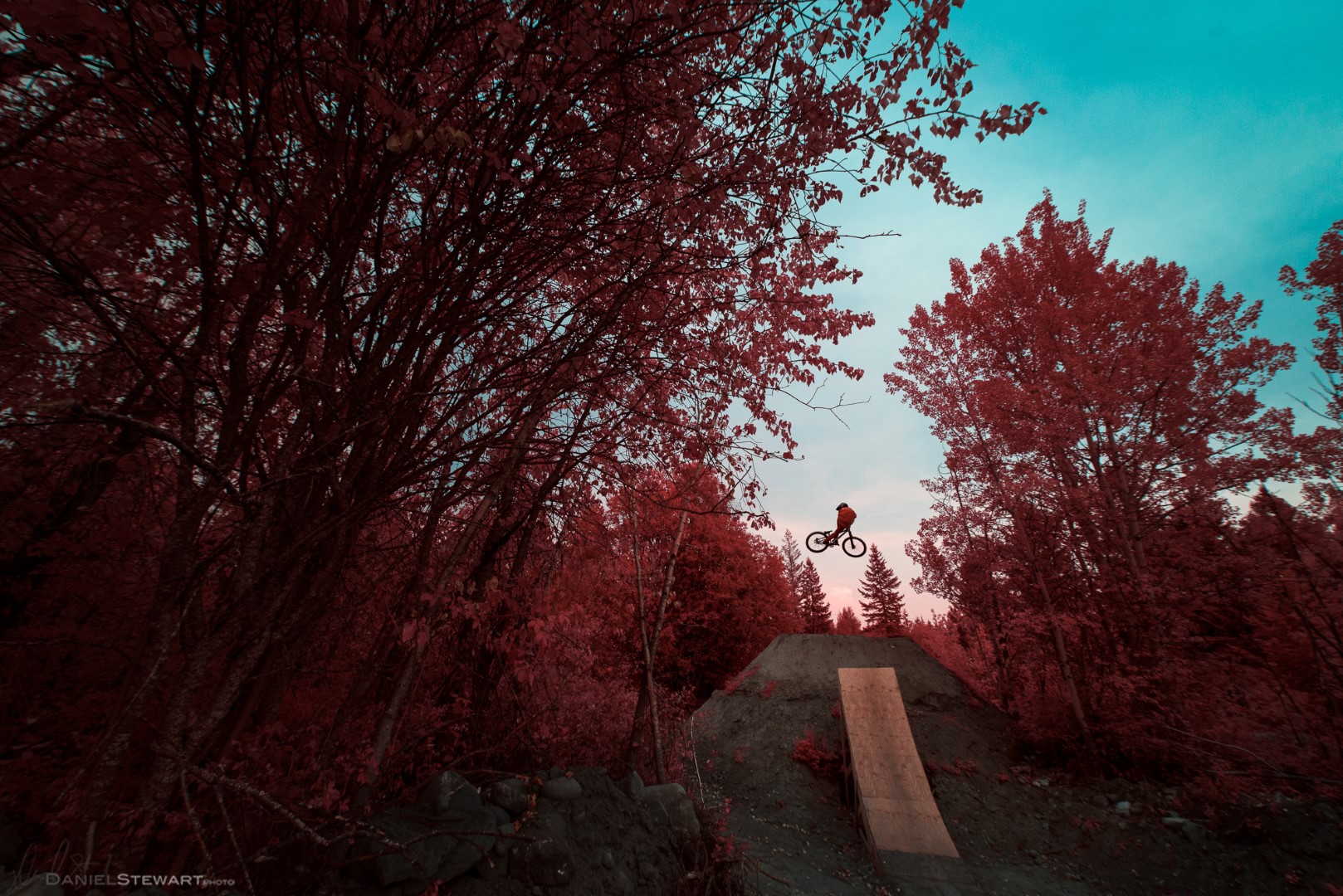
I’m a Revelstoke, British Columbia based action sports photographer with a growing interest in infrared photography. I mainly shoot editorial and commercial style skiing, snowboarding, whitewater kayaking, and mountain biking, contributing my photos to industry-leading magazines like Ski, Slush (snowboard), and Beta (bike). I also work for brands such as Quiksilver, Nitro Snowboards, and Oakley.
When it comes to my photography, it’s the culmination of many things coming together to make these magic moments happen. The athletes I work with are some of the best in the world at what they do, and it’s an honour to capture and document some of their defining moments. I’m inspired by the beautiful, sacred places we immerse ourselves in. I’m also motivated to push my limits to new ends and hopefully inspire others in the process.
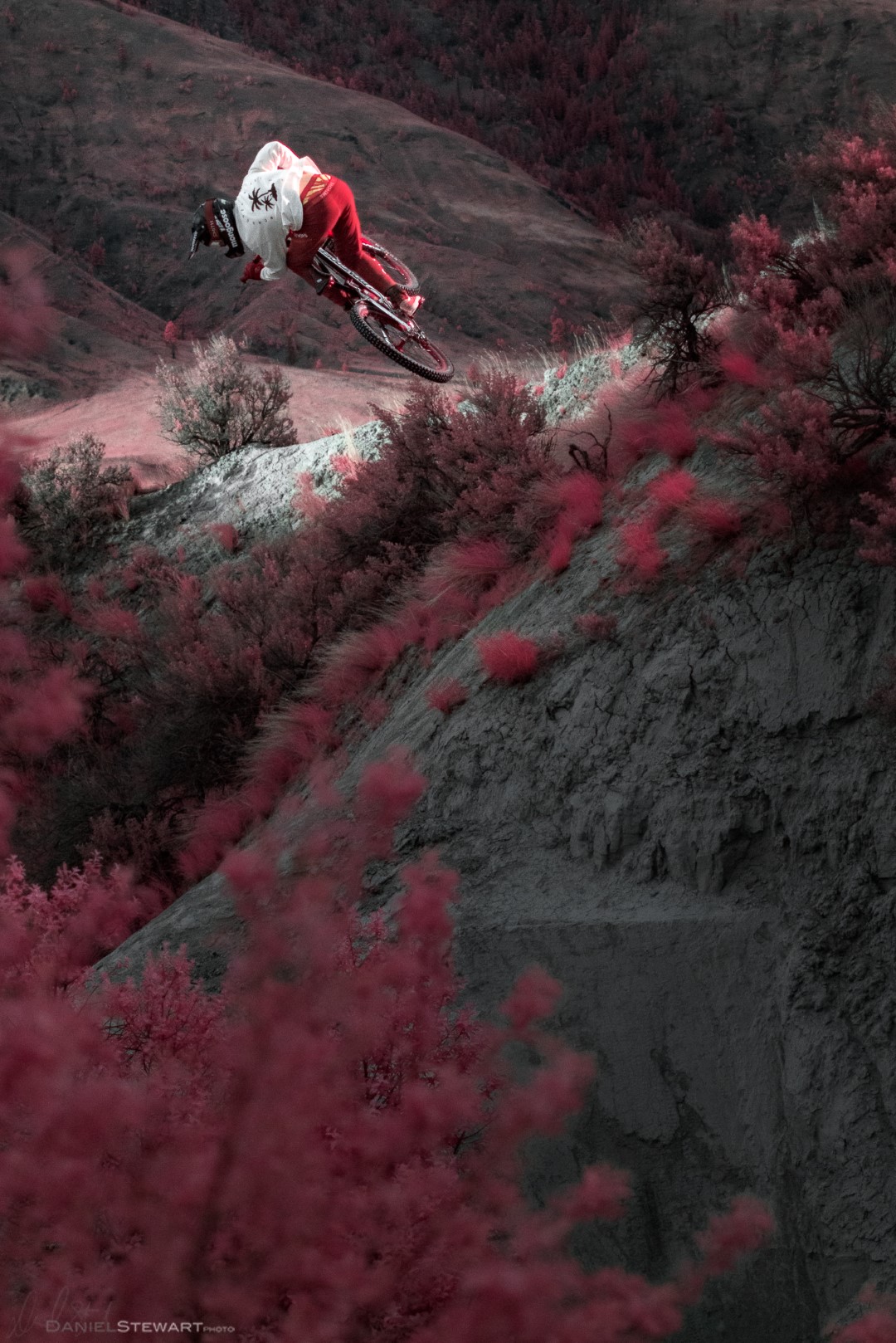
Discovering Infrared Photography During the Pandemic
Infrared photography has been a really refreshing take for me! To see the world in a way we can’t see with our naked eye gives a sense of wonder and makes you question what the scene may look like until you actually see the end result. I also like the creativity you can explore with IR, playing with hues and processes in ways that you don’t generally get to do with traditional colour photography.
I’m not really sure what exactly turned me on to infrared. I know it was the beginning of the Covid-19 pandemic, and I was starting to see some trippy landscape photos on Instagram. I wasn’t too excited about some of the images, but some blew me away with what I thought were tasteful uses of colour manipulation—I believe they were from Lorenz Holder and Paolo Pettigiani. I learned that they were infrared shots, and I instantly needed to know more.
I also asked myself why this style wasn’t used for more action photography. That took me down the rabbit hole, so to speak, and I learned about the rich history of infrared photography, such as its origins with Aerochrome film along with the fast-paced current evolution in the digital sphere. In my spare time, I would research more and more as to how I could potentially make some infrared shots work for action. About a year later (May 2021), I got my first camera modified—a used Nikon D810 with a Kolari 550nm filter applied onto the sensor—and upon delivery, I went to town experimenting and learning how to process the photos.
I managed to shoot some really interesting shots in the spring and early summer and instantly had some great reception on what I was doing. I got a photo published in a prominent whitewater kayaking magazine right away and got a few of my images selected as semi-finalists in the 2021 Redbull Illume Photo Contest. That’s when I knew that this side obsession of mine wasn’t just a crazy pipe dream.
Moving to Full-Spectrum Mirrorless and IR Chrome Lite
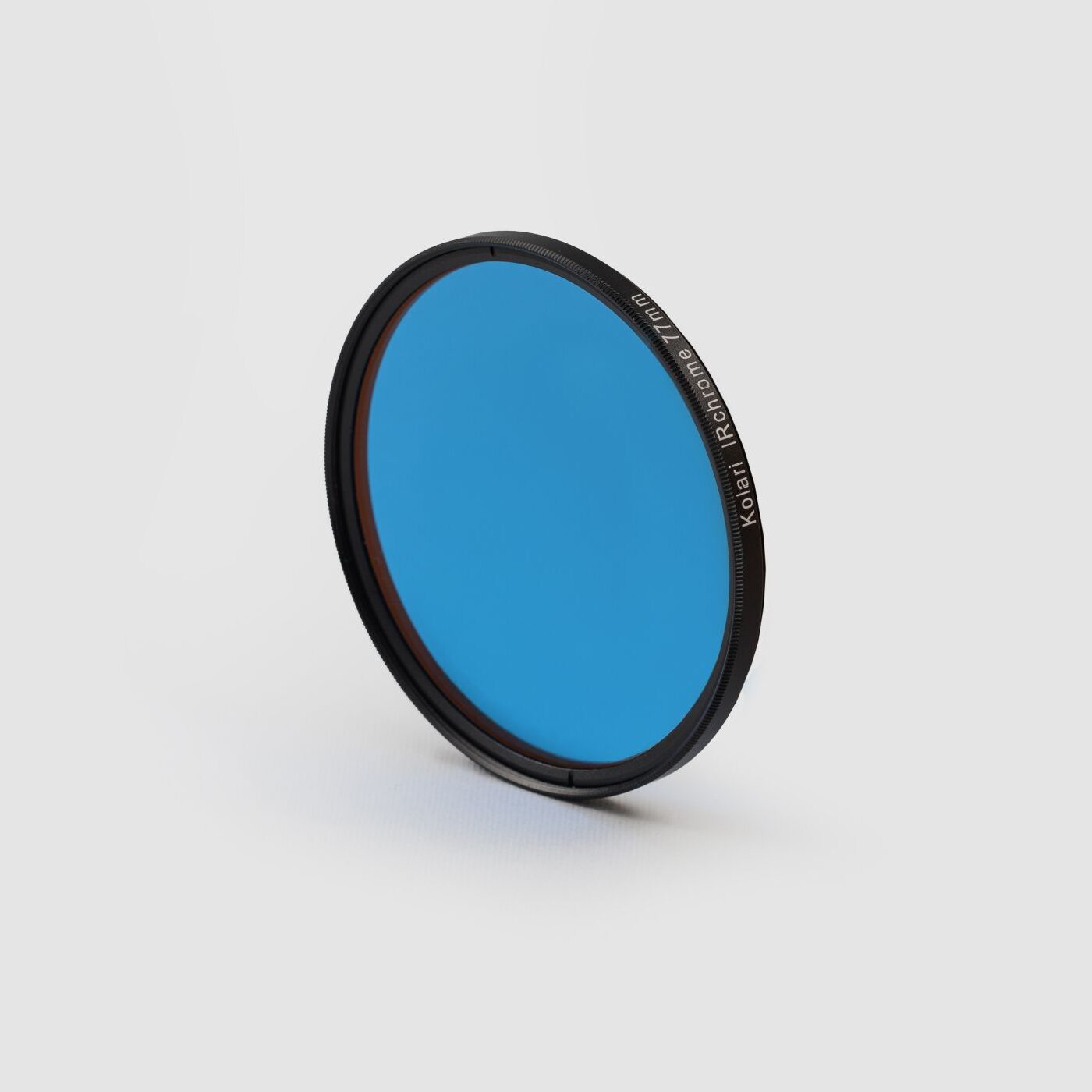
In the beginning, I was obsessed with the 550nm filter on my D810. It gave me the Aerochrome effect I desired, but it was also incredibly difficult to nail the shot as you could only focus the DSLR using Live View in the back. Recently I had my backup Nikon Z6 converted to Full Spectrum and am using the Kolari Clip-In Filters, and my go-to right now is the IR Chrome Lite Filter. Shooting is so much easier now—the processing comes out beautifully right out of the camera, and focusing is way easier with a mirrorless body. Skin tones are great for portraits as well. Editors love it as they can then see what processing has been done in the DNG files, which allows me a higher chance for publication.
Using Iridium and Hot Mirror Filters
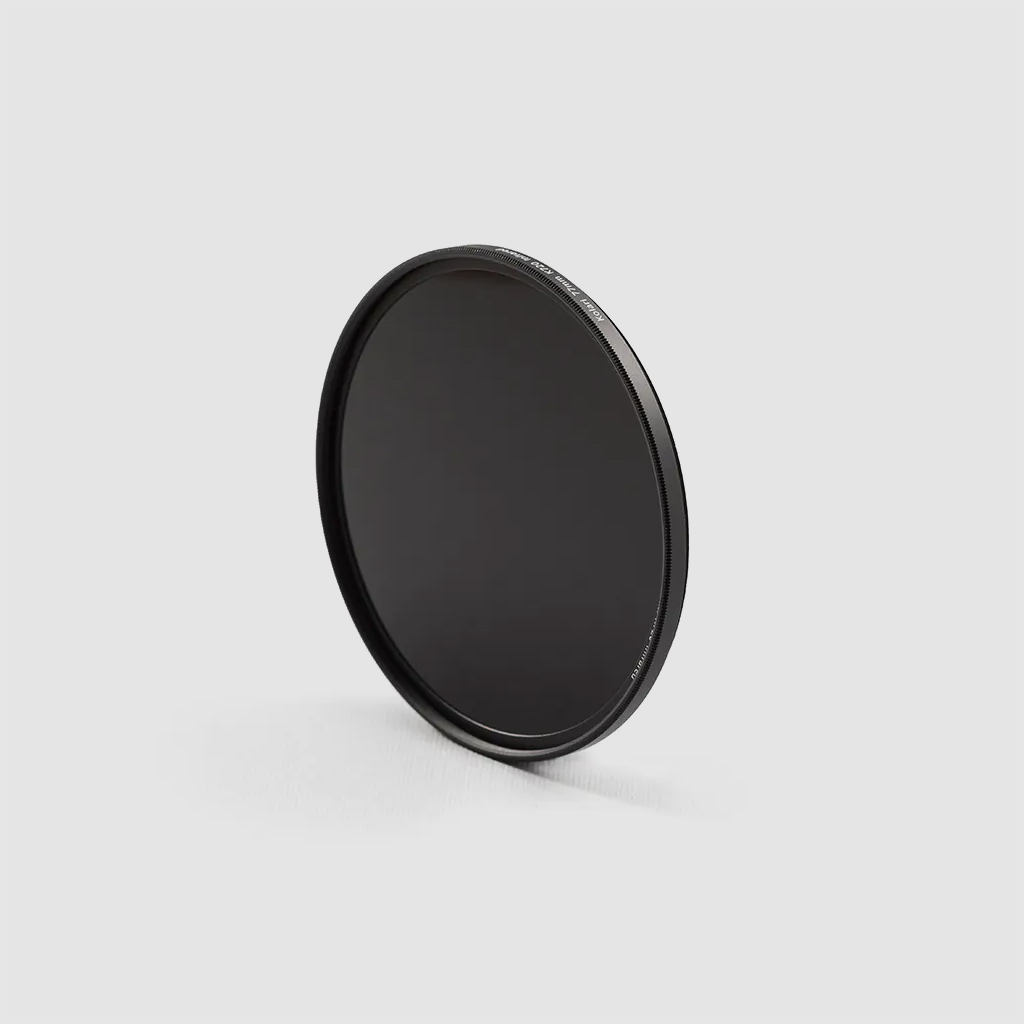
I’ve also started to play with the Iridium Filter and am having fun with it. It’s like using a 720nm filter without having to channel swap in post. It’s also really fun to use it with my unconverted Z9 as it enhances the colour tones in certain scenes. Last but not least, I also use the UV/IR Cut Hot Mirror Pro 2 filter if I need my Full Spectrum Z6 to be working in ‘regular’ light again. It can then be used as my backup on regular non-IR shoots.
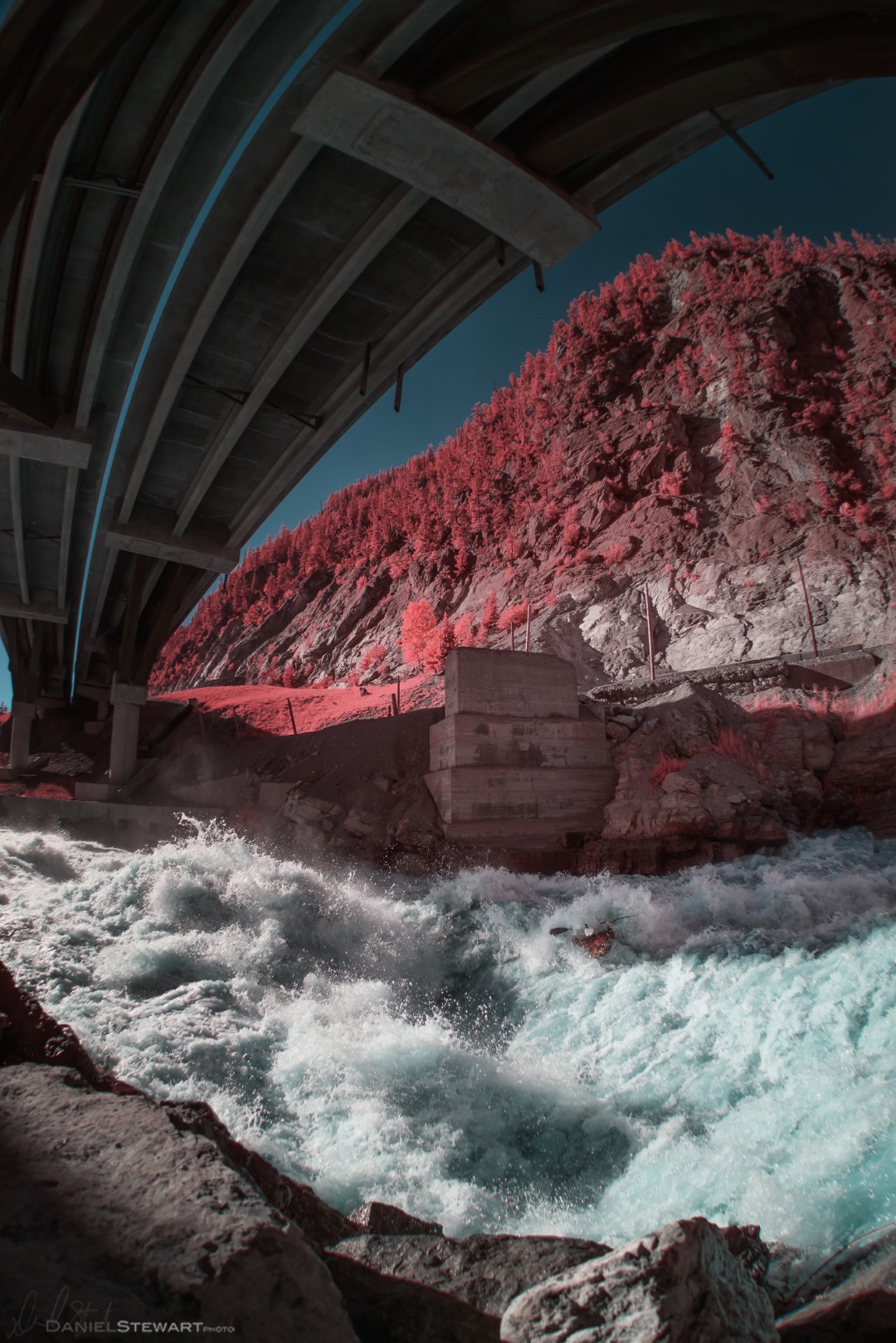
Daniel Stewart’s Nikon Gear Setup
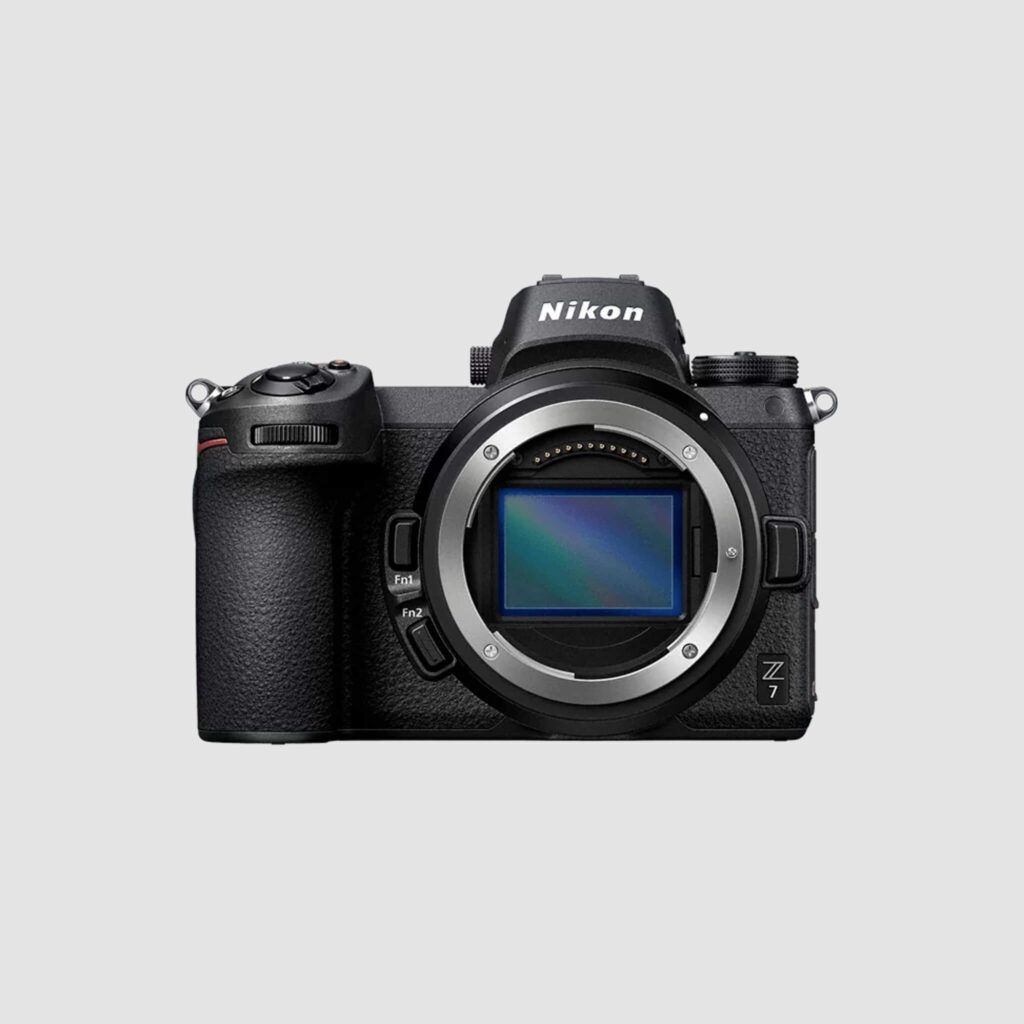
Currently, I’m using all Nikon gear. I am using an unconverted Z9 and a Full Spectrum Z6. My two main lenses, a 24-120mm and 100-400mm, are not primes but are there to cover all my desired focal lengths in a small, nimble package for backcountry use. Depending on the shoot, I will add my 14-24mm 2.8, 16mm fisheye, 50mm 1.4, or 105mm macro. I also use an Elinchrom ELB-1200 if I need light, and if I’m getting wet, I’ve been using underwater housing.
This journey into the world of IR and UV has been so wild, and it continues to deliver. I am so thankful to Kolari for giving me a platform to share my work and journey. Their products have allowed me to expand my photographic creativity beyond my wildest imagination, and I am so excited to share more.
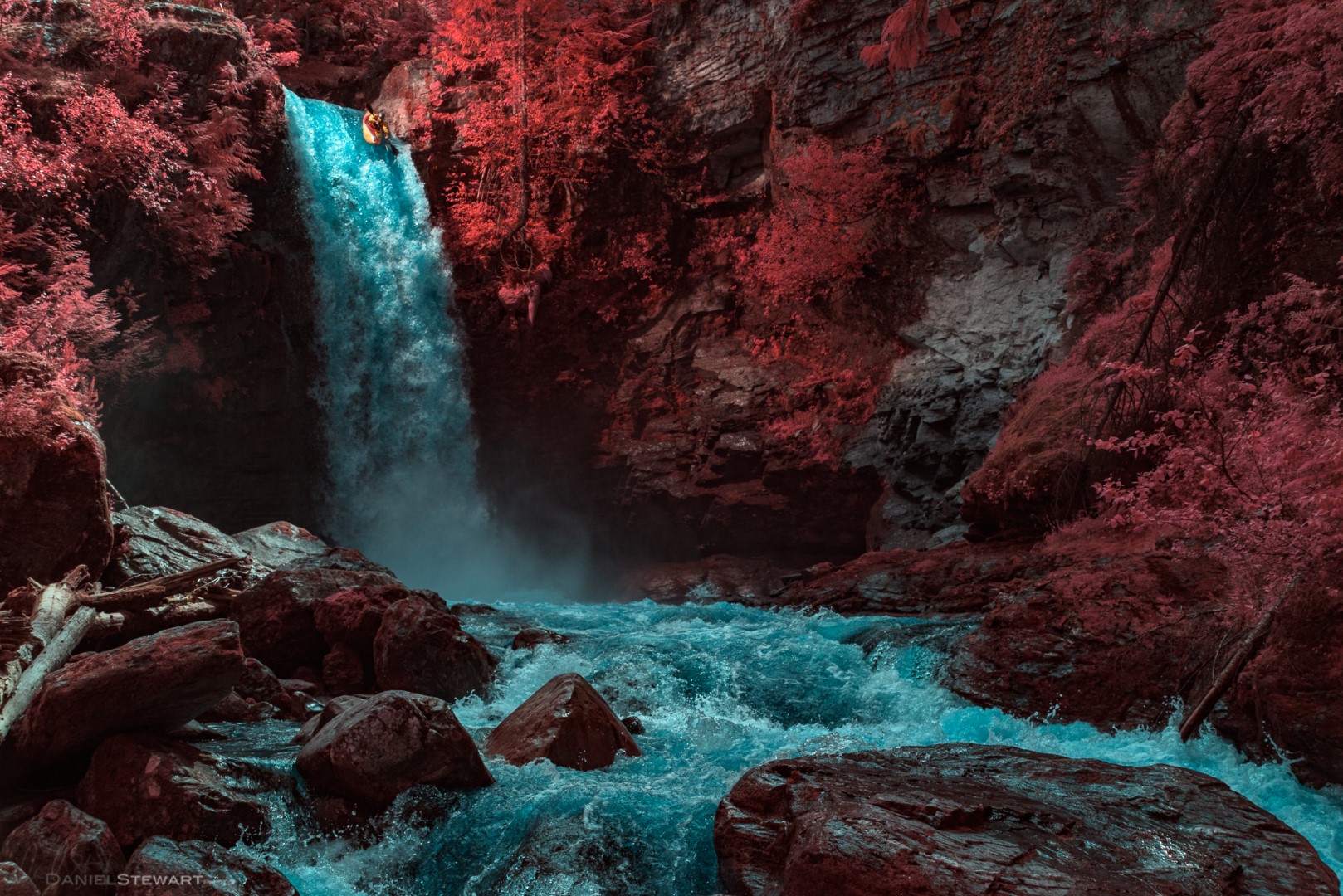

Daniel Stewart Infrared Action Photography FAQs
Who Is Daniel Stewart?
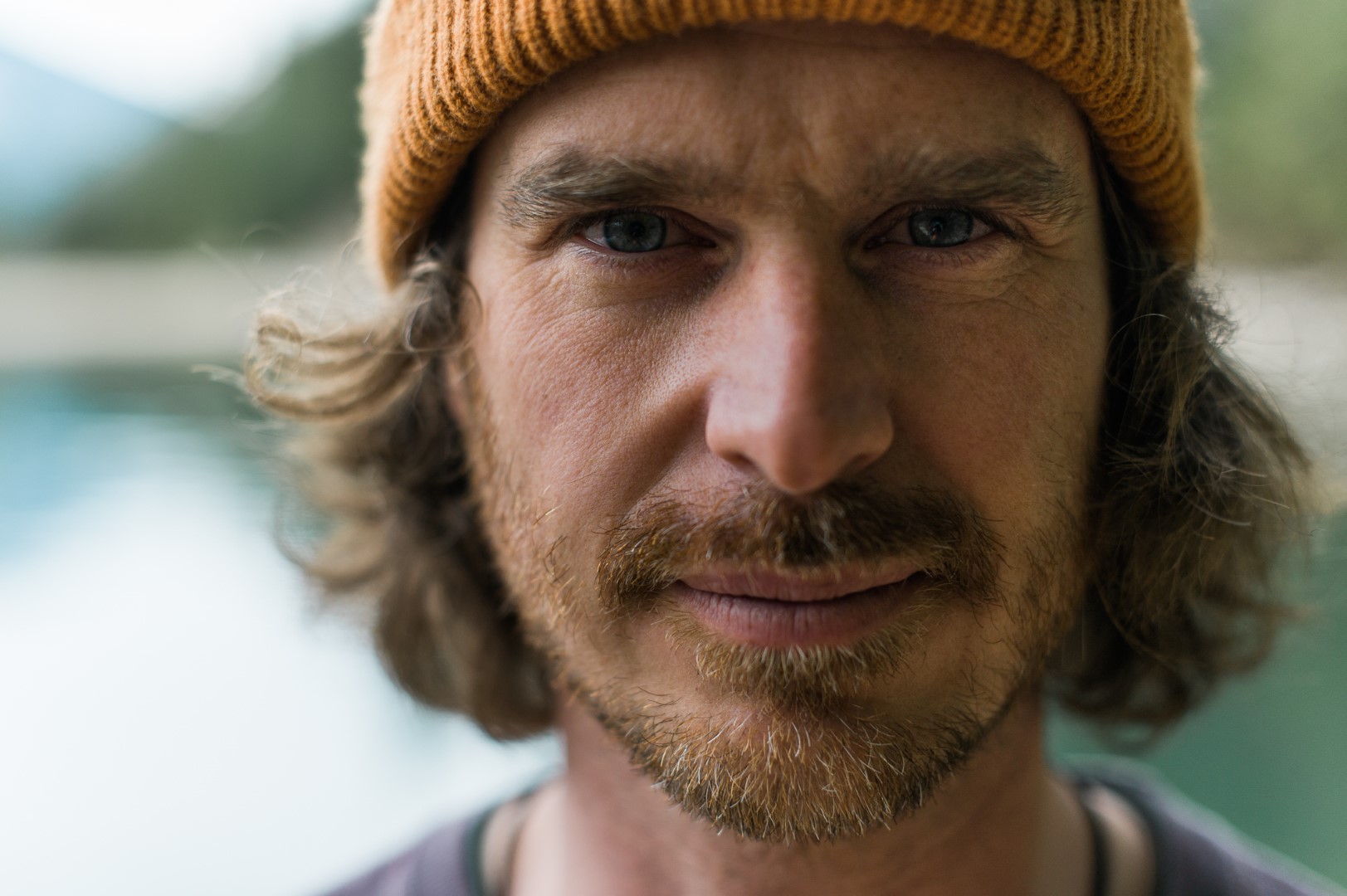
Daniel Stewart is an action sports photographer based in Revelstoke, British Columbia. He mainly photographs skiing, snowboarding, whitewater kayaking, and mountain biking for editorial, commercial, magazine, and brand work.
How Did Daniel Stewart Get Into Infrared Photography?
Stewart says he discovered infrared around the beginning of the Covid-19 pandemic after seeing surreal landscape images on Instagram. He later researched infrared history, Aerochrome film, and how the style could work for action sports photography.
What Was Daniel Stewart’s First Infrared Camera Setup?
His first modified camera was a used Nikon D810 with a Kolari 550nm filter applied to the sensor. He began using it in May 2021 and quickly started experimenting with processing and action-focused infrared images.
Why Did Daniel Stewart Move To A Full-Spectrum Nikon Z6?
Stewart says shooting became easier after converting his backup Nikon Z6 to full spectrum and using Kolari Clip-In Filters, especially the IR Chrome Lite Filter. He notes that mirrorless focusing is easier and that the processing can look strong straight out of the camera.
What Gear Does Daniel Stewart Use For Infrared And Action Sports?
His current kit includes an unconverted Nikon Z9, a full-spectrum Nikon Z6, 24-120mm and 100-400mm lenses for backcountry flexibility, plus other lenses such as 14-24mm, 16mm fisheye, 50mm, and 105mm macro depending on the shoot. He also mentions using lighting and underwater housing when needed.