From a young age, I was always very interested in telling stories using images. In 1993, at age 7, I began drawing comics inspired by Hergé’s “Tintin” and Goscinny&Uderzo’s “Astérix.” Four years later, my father gave me his old VHS camcorder, and I began shooting a lot of short movies with my friends. After high school, I studied cinema, digital art, and multimedia for four years and then entered the world-renowned French photography school of les Gobelins. This is where I completed my training specializing in photography and image processing.
I graduated successfully in June 2009. After leaving the school, I co-founded the digital post-production agency Pixus Prod in Paris. Four years later, I opened a rental photography studio, and in 2016 I opened another production and post-production company: FLOWIM Studio.
Fantasy, Mood, and Pictorialist Image-Making
Fantasy and imaginary worlds are the first engines of my personal creations. I aim to question the limits of human perception in my works. I love photography more when it is done in a pictorialist way than when it accurately translates reality in a documentary style. When photography becomes the mirror of surreal or imaginary, that’s my favorite part.
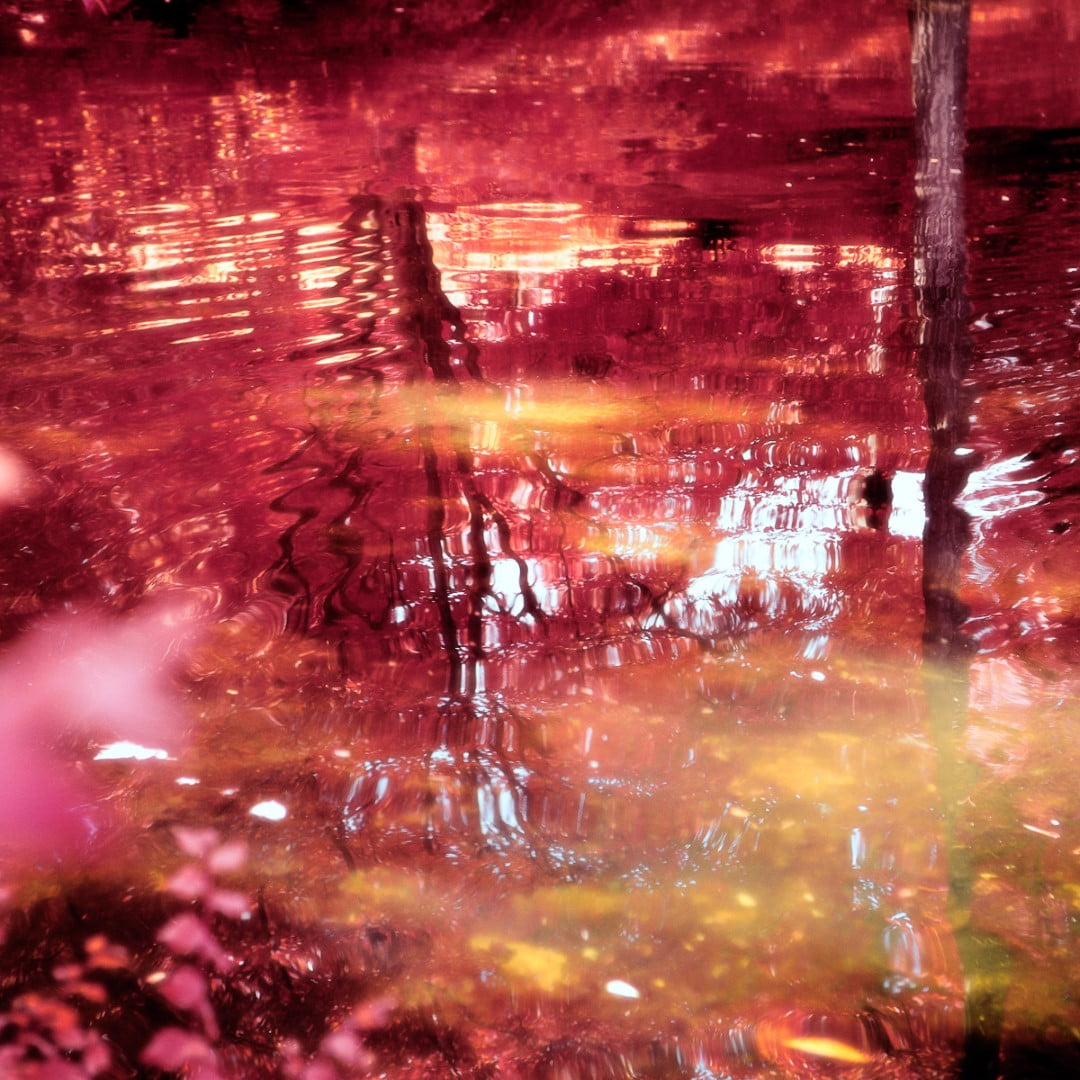
As the Impressionists did, I like to use my camera more to express an elusive feeling than a crude reality. When I see a scene or a place, I use photography to describe the mood.
This is why I am interested in alternative techniques: old photographic processes like cyanotype, Kirlian photography, etc. In 2008, I discovered infrared and immediately knew I had to try it. During my final year of scholarship, I ordered my first camera—a Fujifilm Finepix IS-1 IR full spectrum bridge. I shot only in 720nm after having done a lot of unconverted infrared photography with a Nikon Coolpix 8800.
From Full-Spectrum Cameras to Aerochrome Research
Being more and more demanding about quality, my IS-1 was soon not high-end enough to produce images matching my needs. Between 2010 and 2014, I shot a lot fewer infrared pictures. In 2014, I discovered that IR conversion went more mainstream and acquired a Canon 70D Full Spectrum camera.
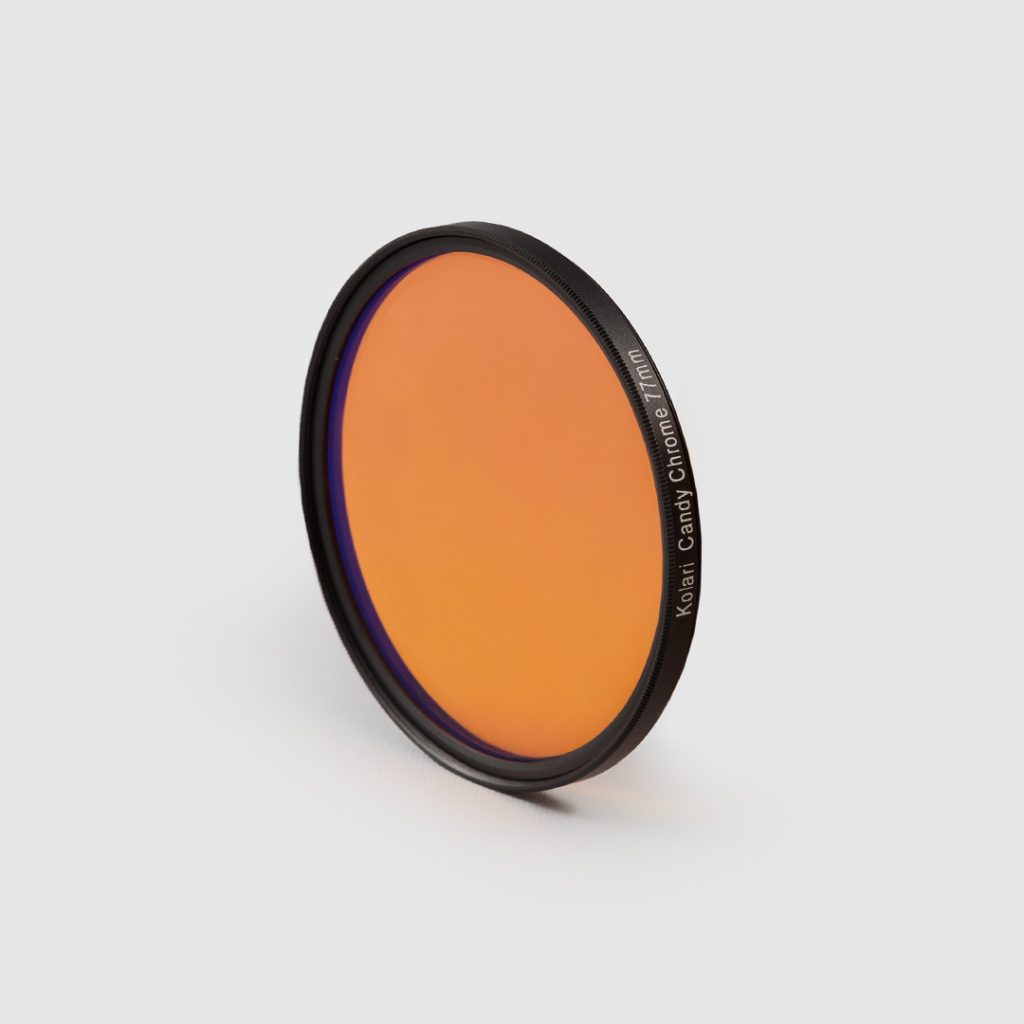
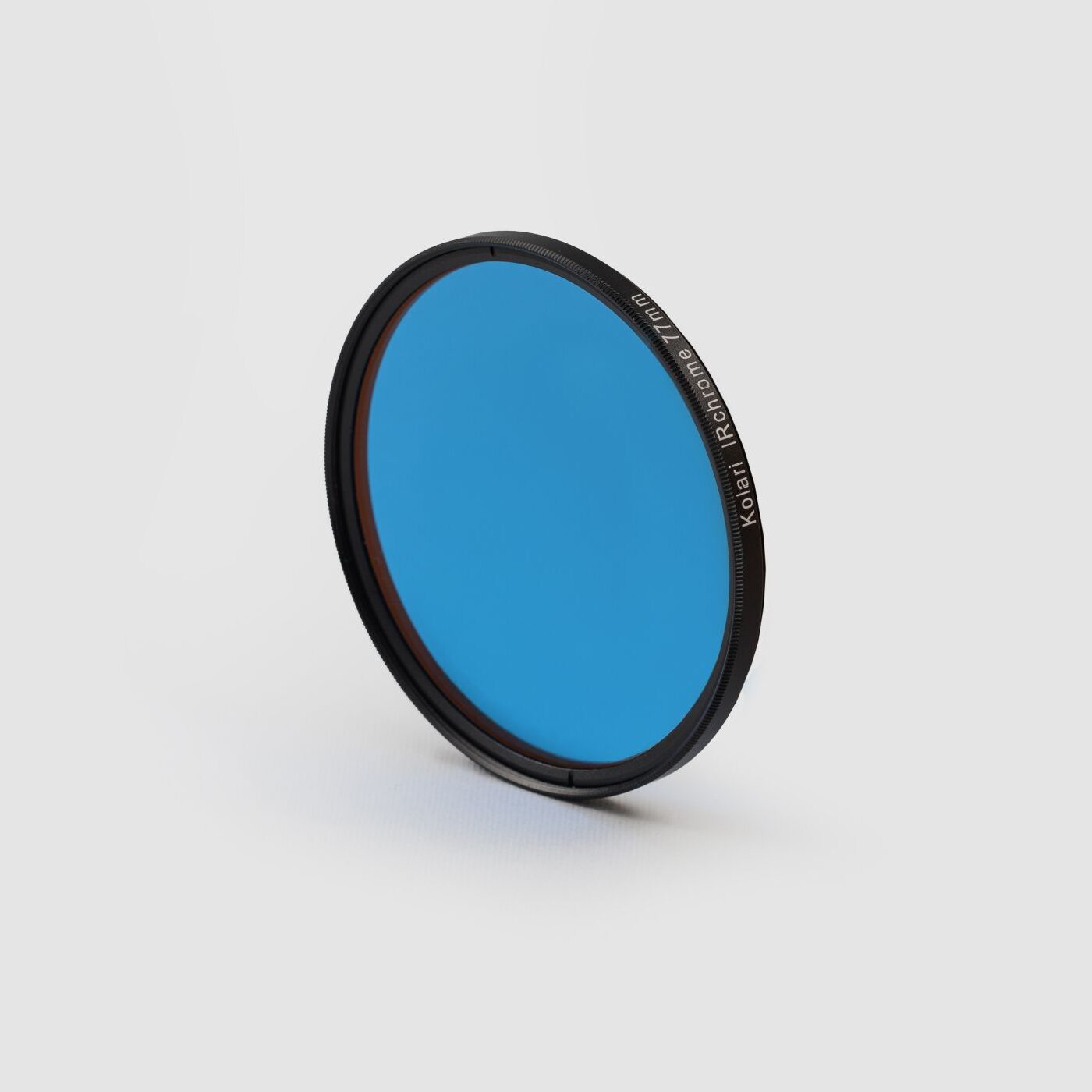
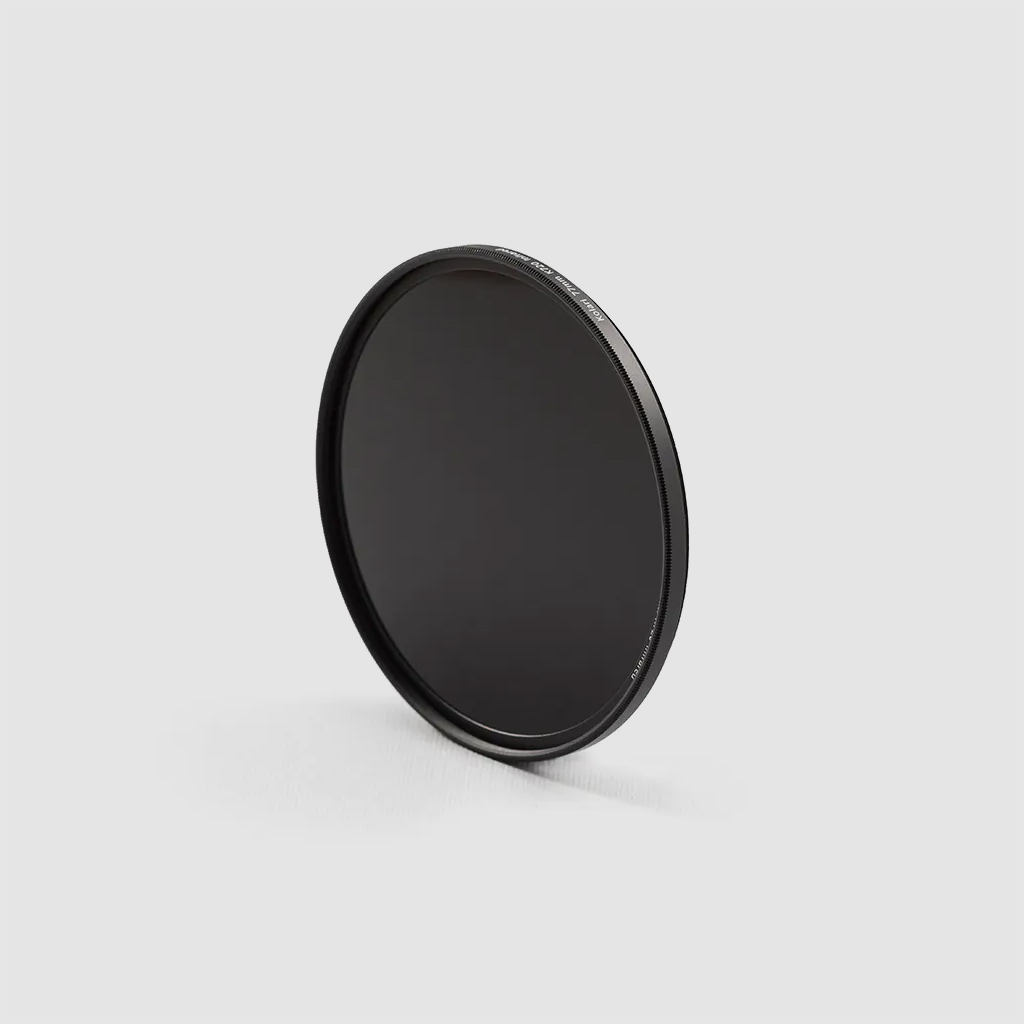
I interested myself in the emulation of Aerochrome film. I resumed my research studies where I left them in 2008 when I experimented a lot with colored gels (cyan ones were my base to dig deeper into the Aerochrome reproduction quest). I made a lot of glass/acrylic filter purchases to test complex combinations involving 3 or 4 glass layers and calculated the resulting transmission curves. I refined my combination numerous times before reaching out to Kolari Vision to measure the final transmission curve and put it into the least amount of glass layers possible. This is how we finally created the IR Chrome filter.
Madrid Street Photography in Infrared
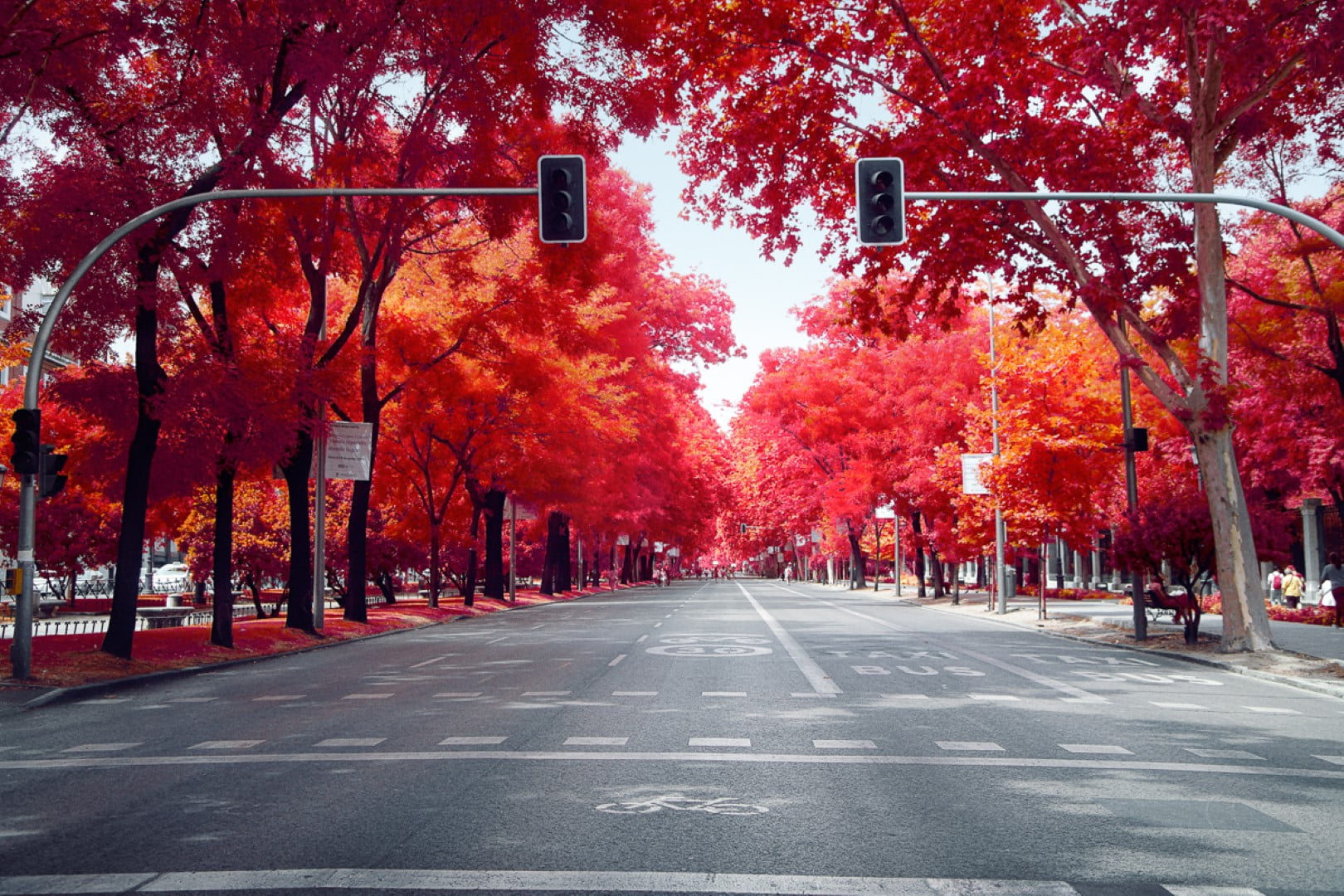
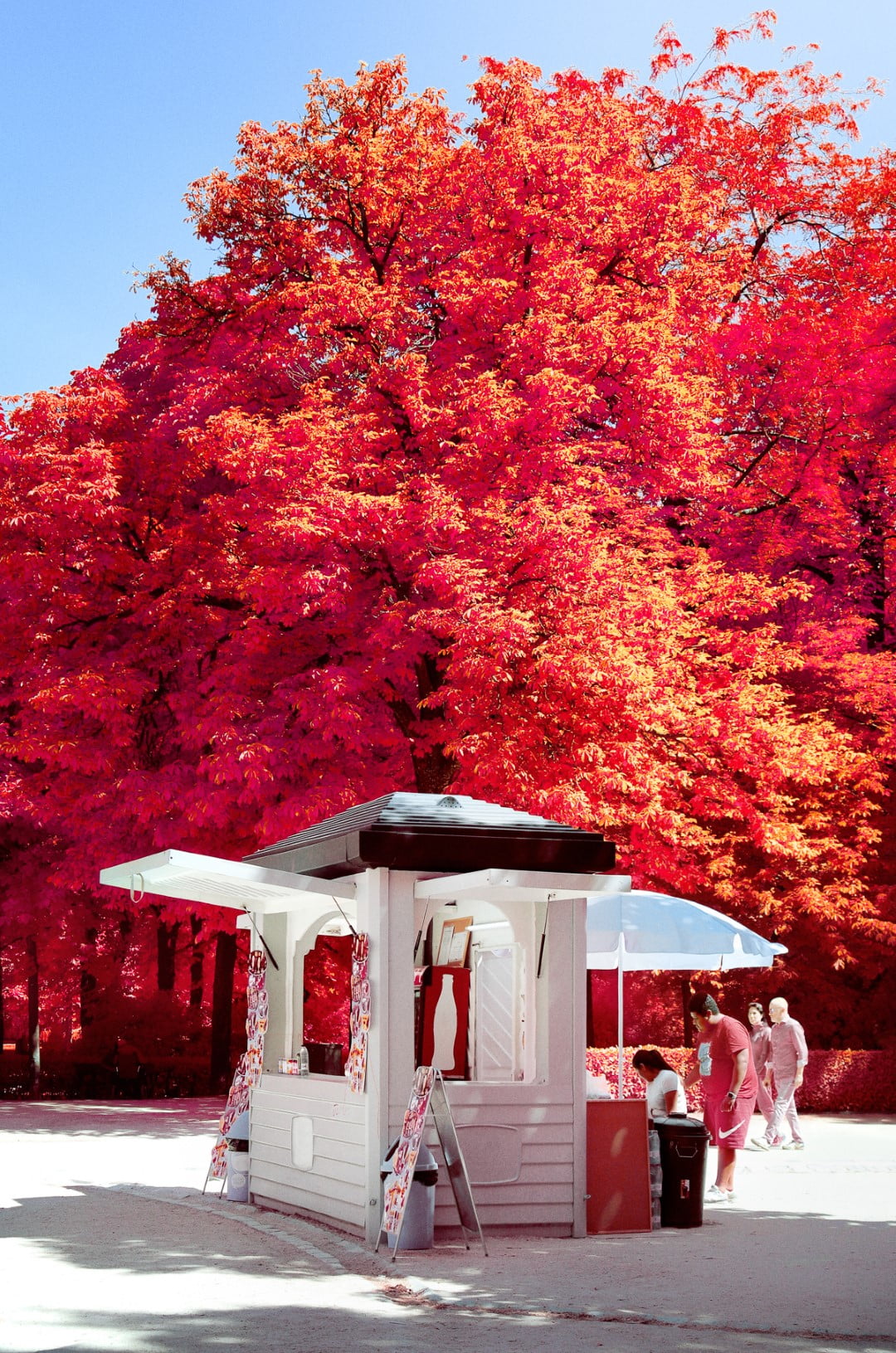
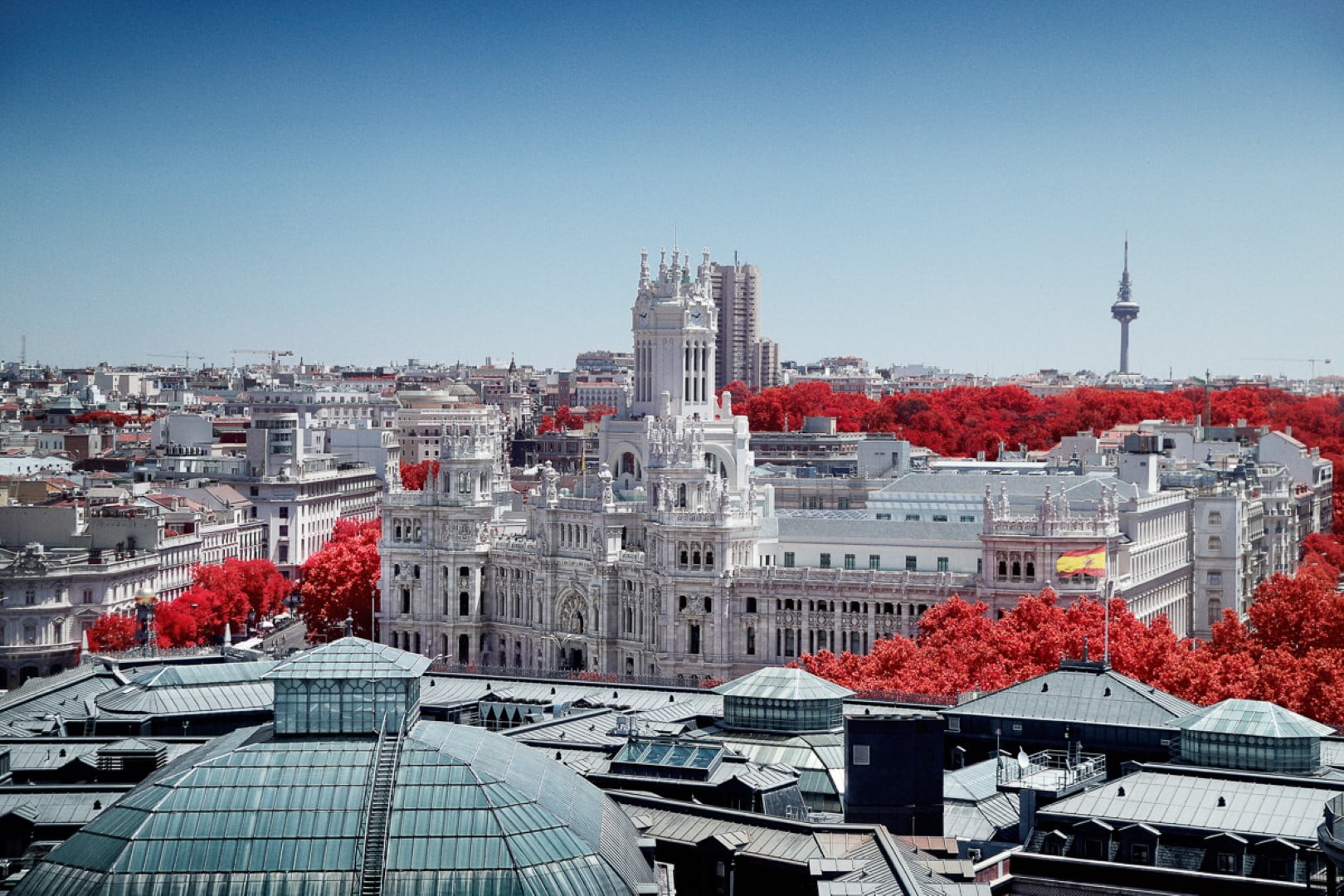
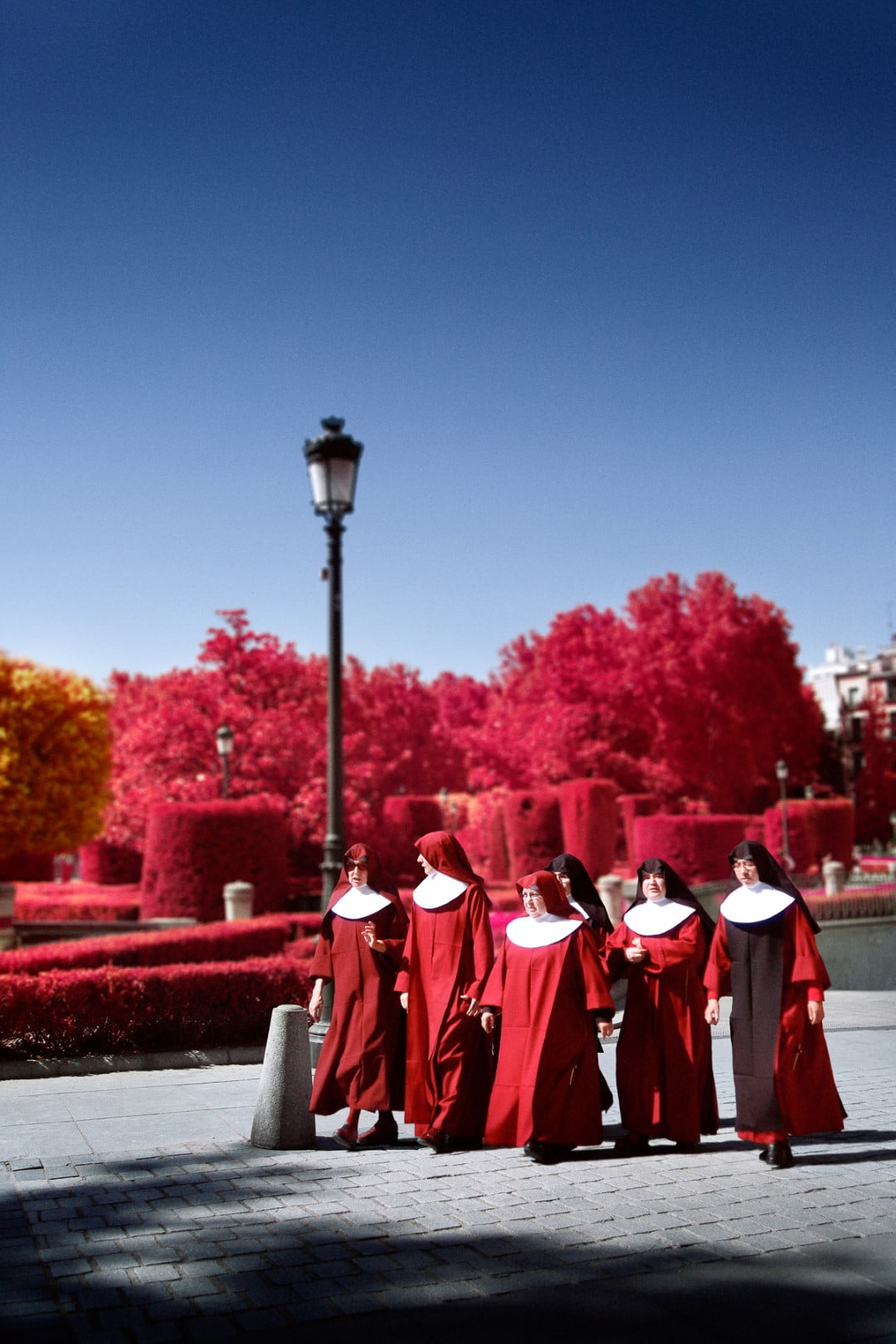
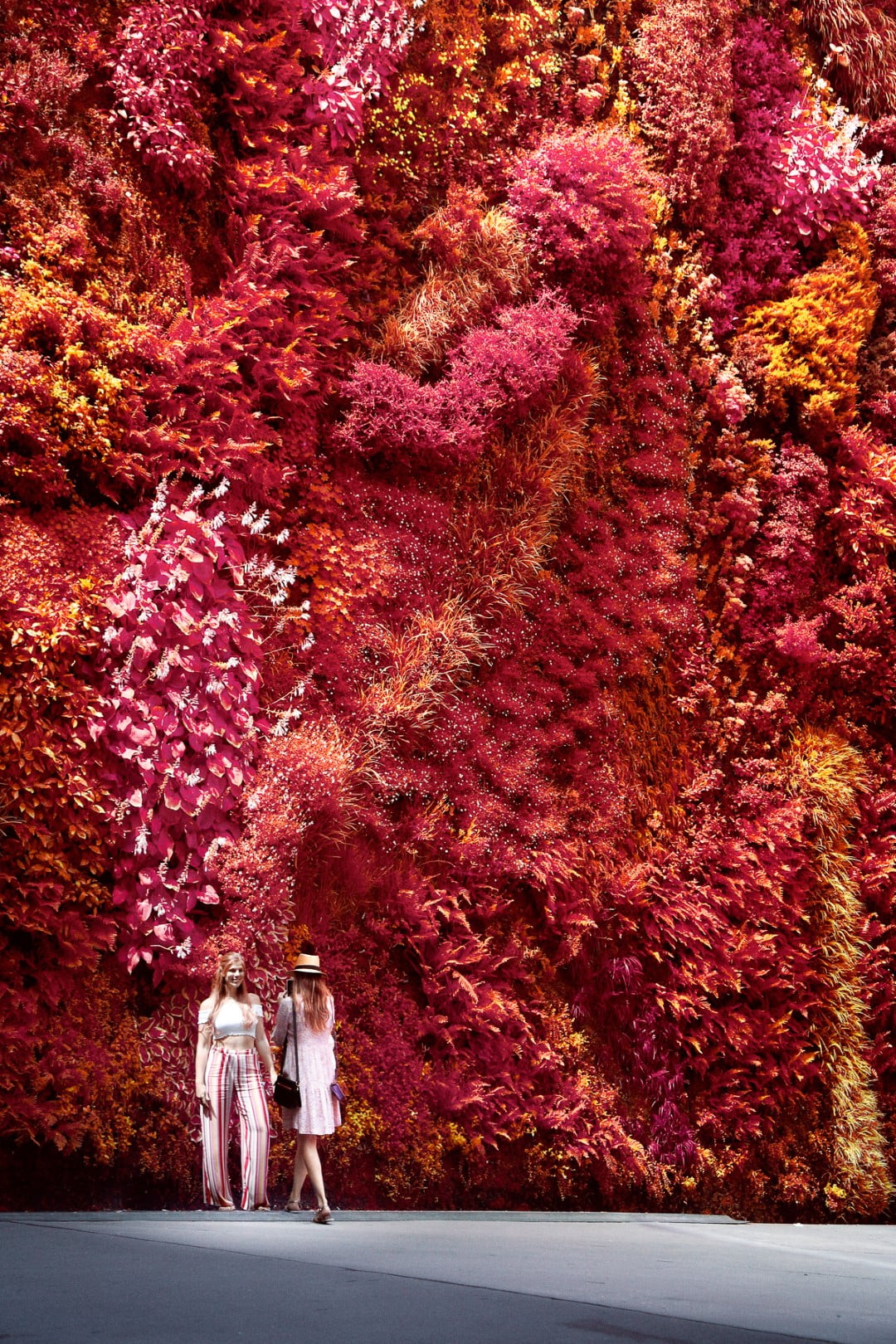
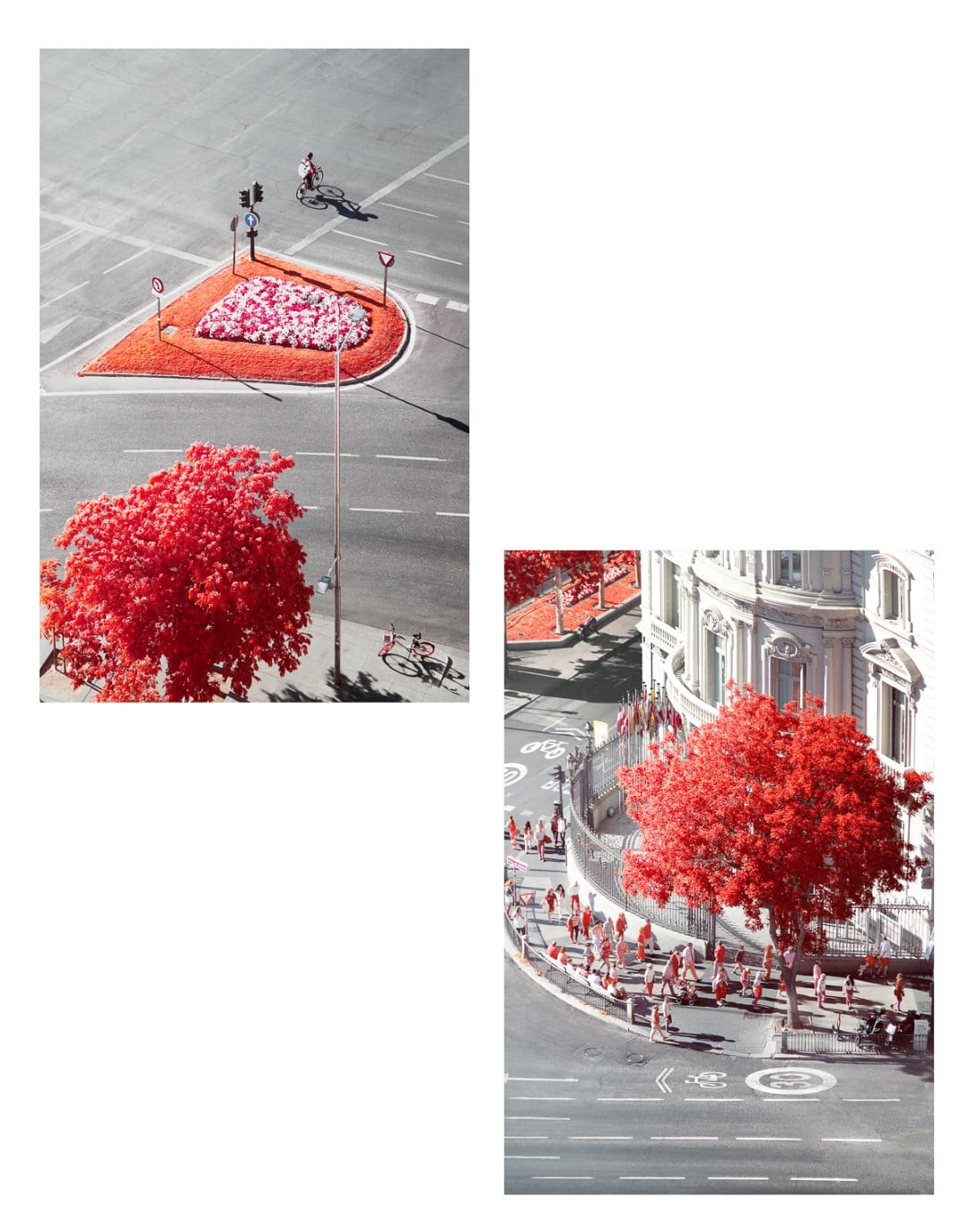
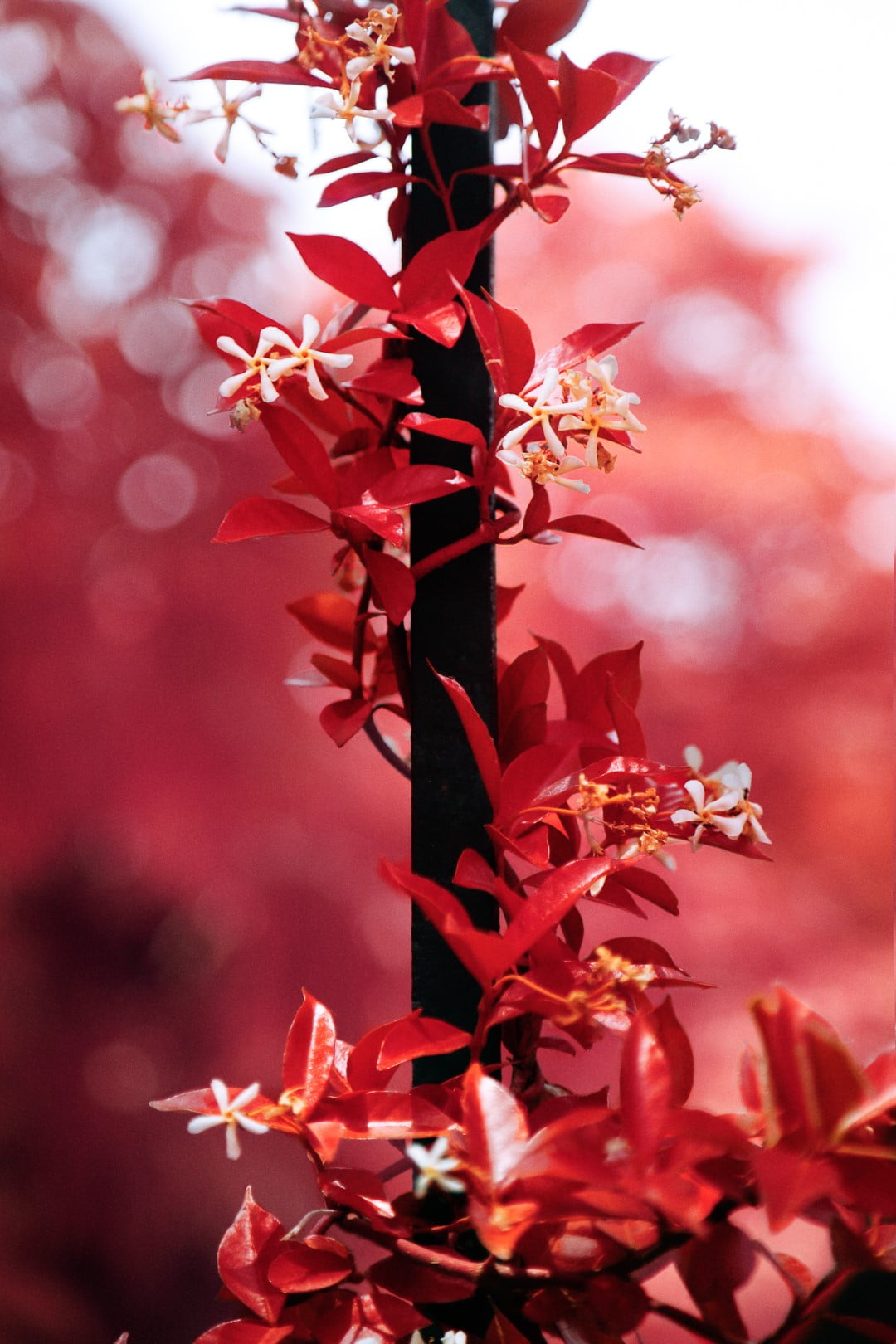
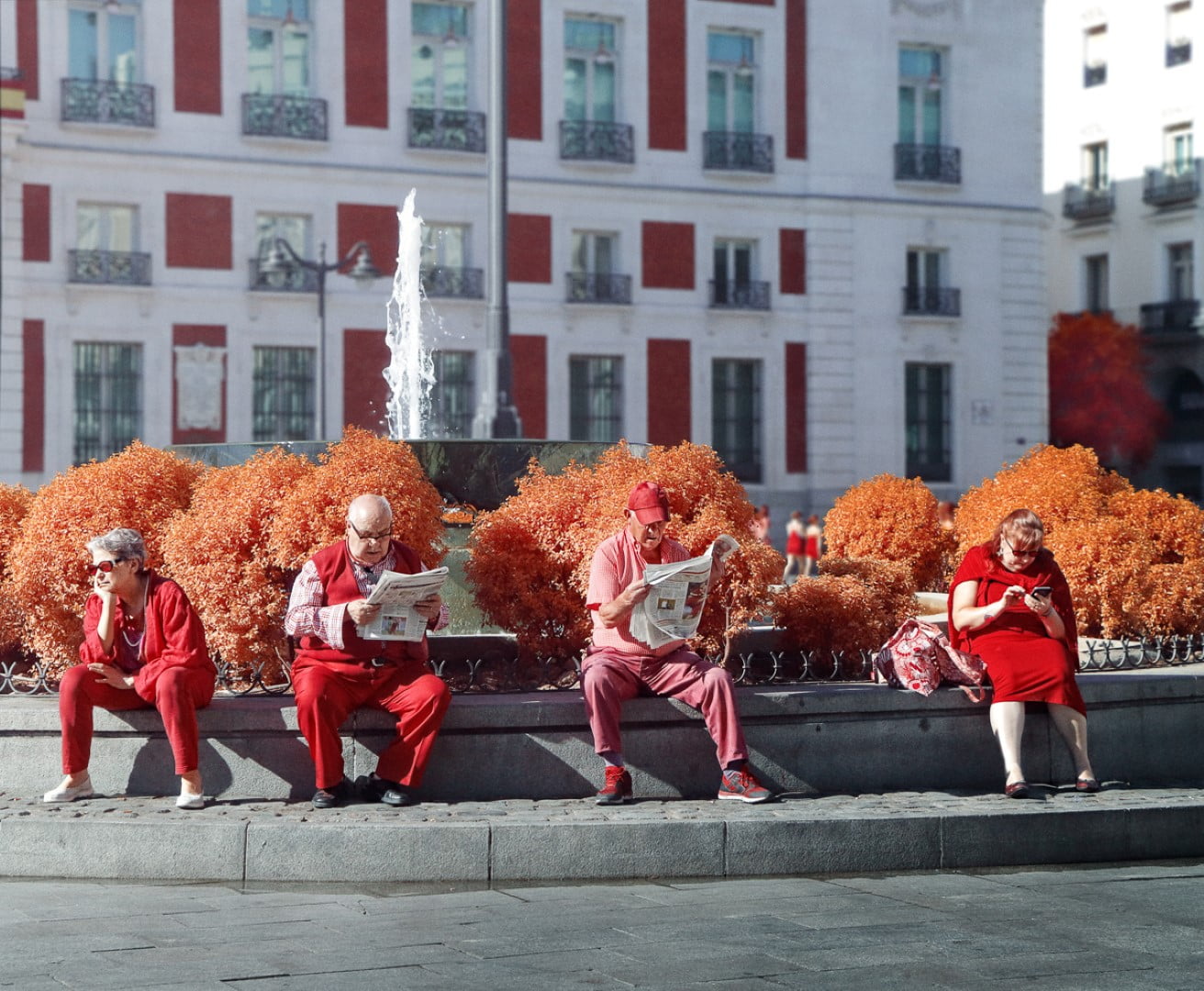
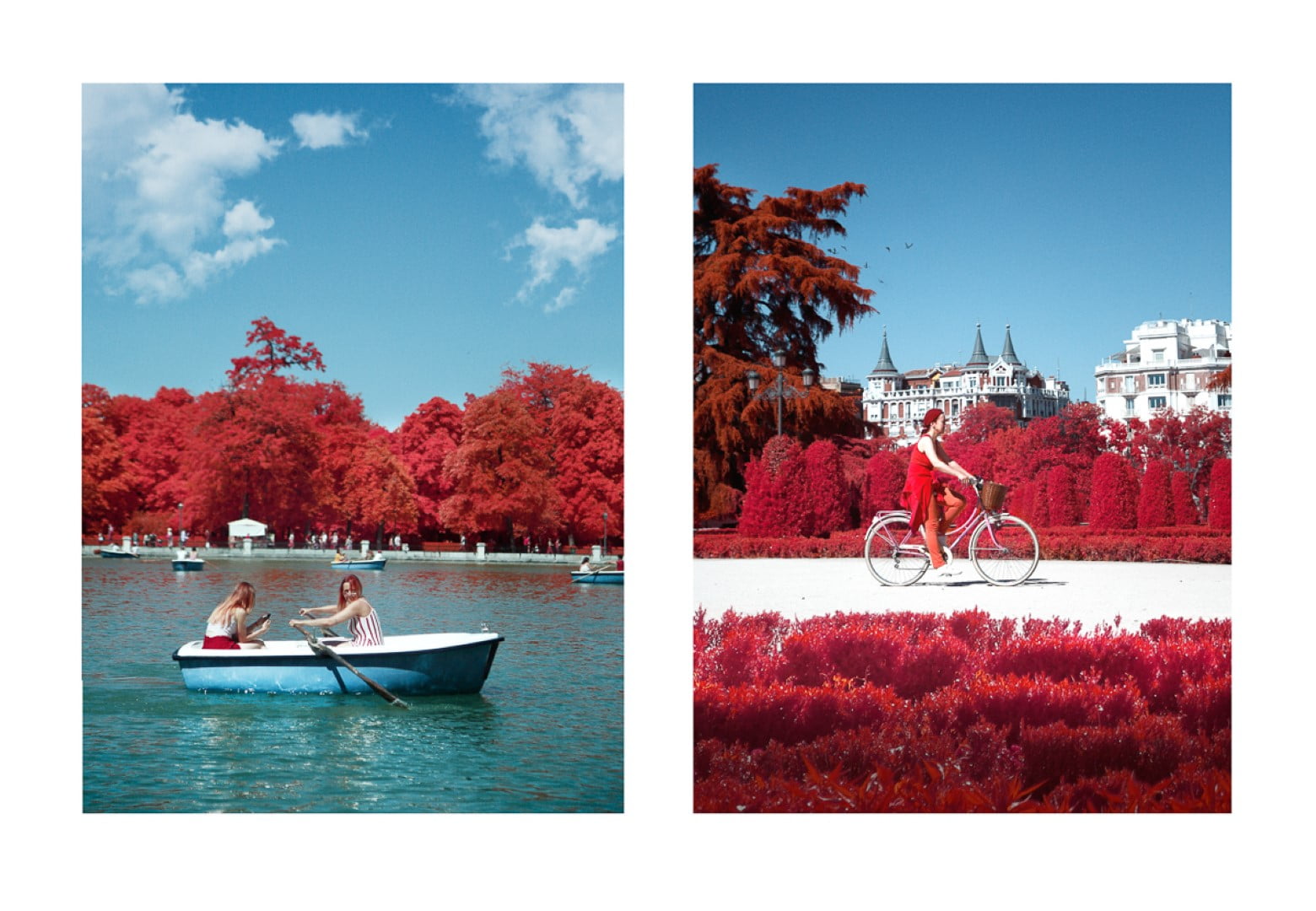
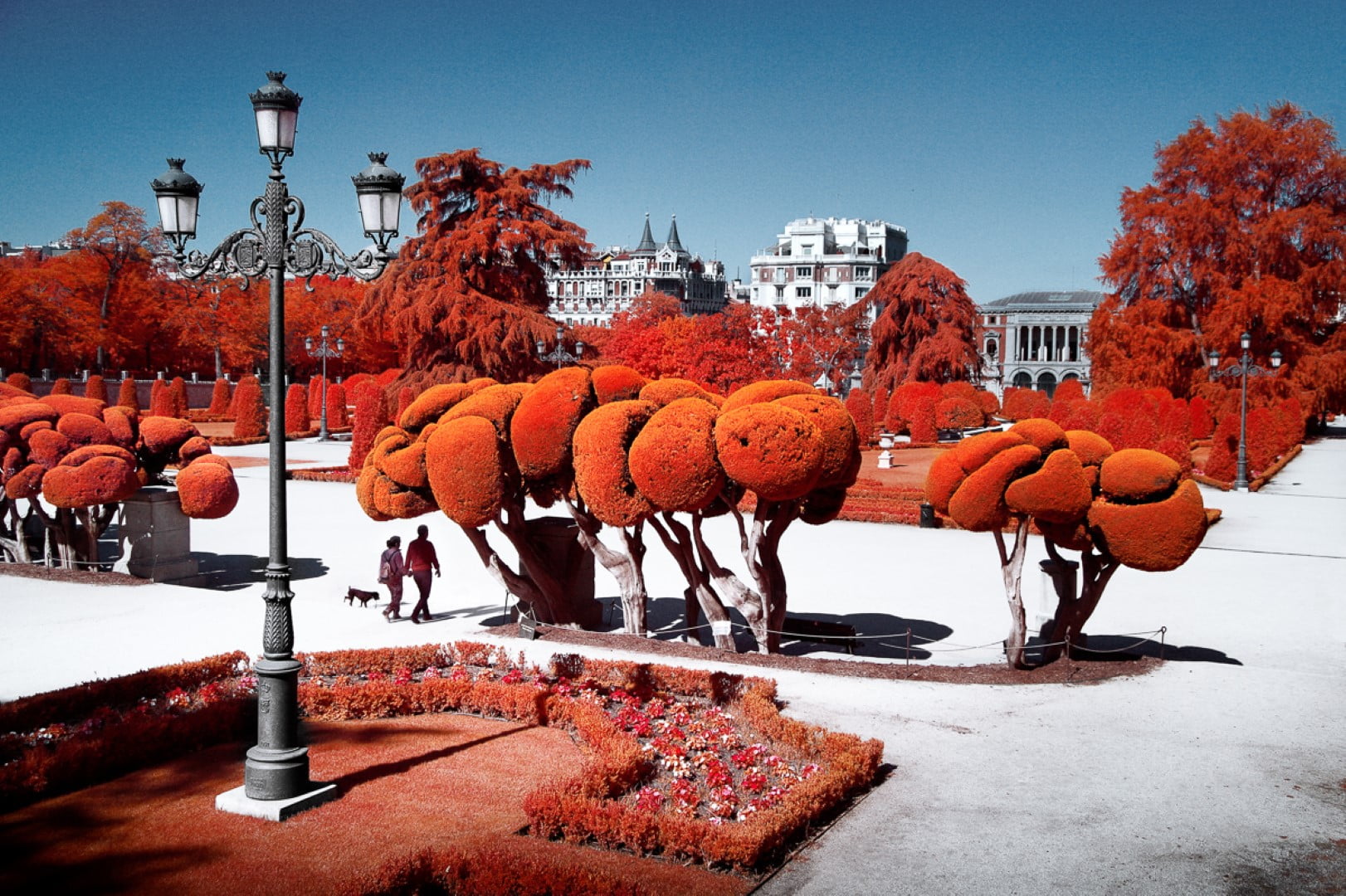
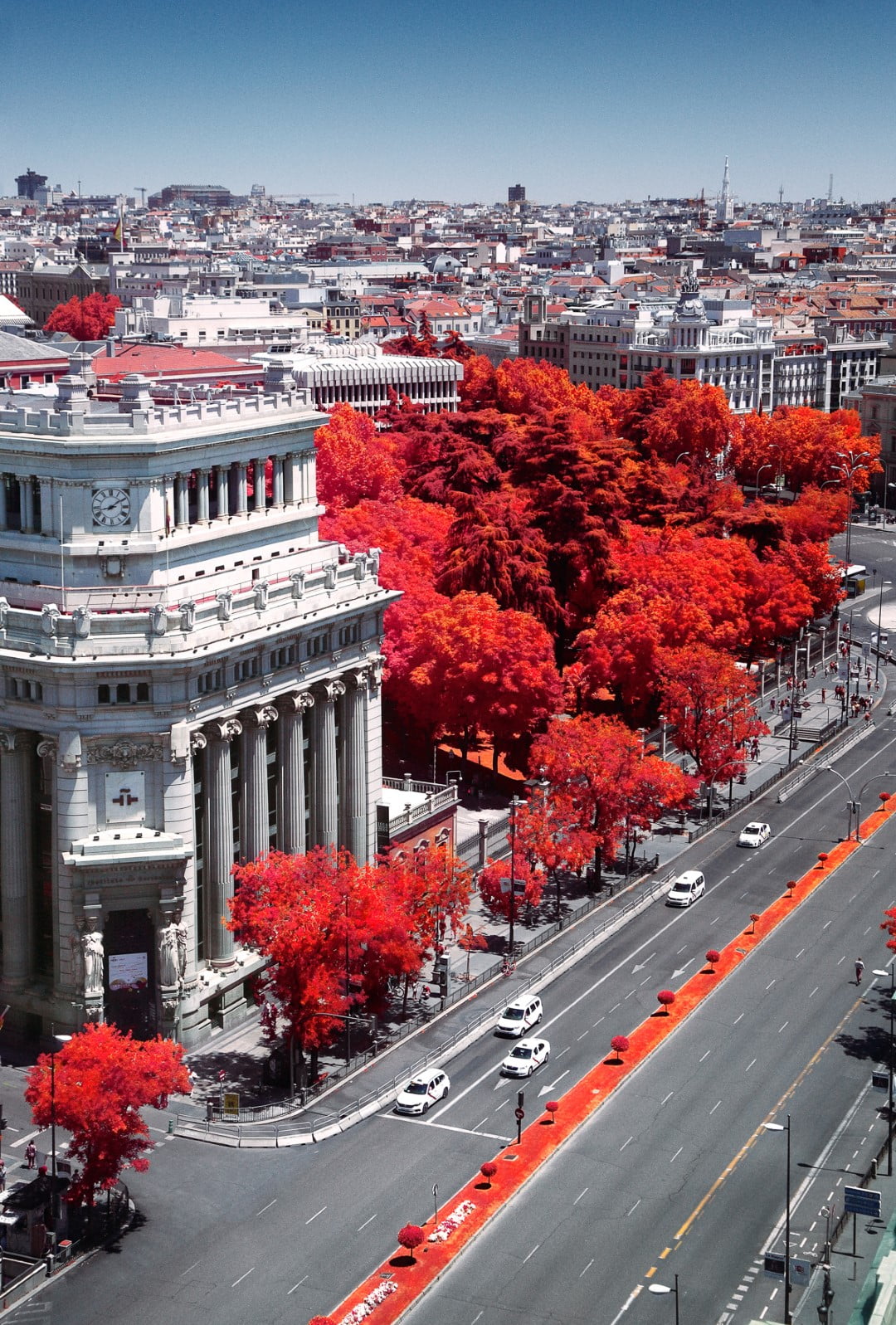
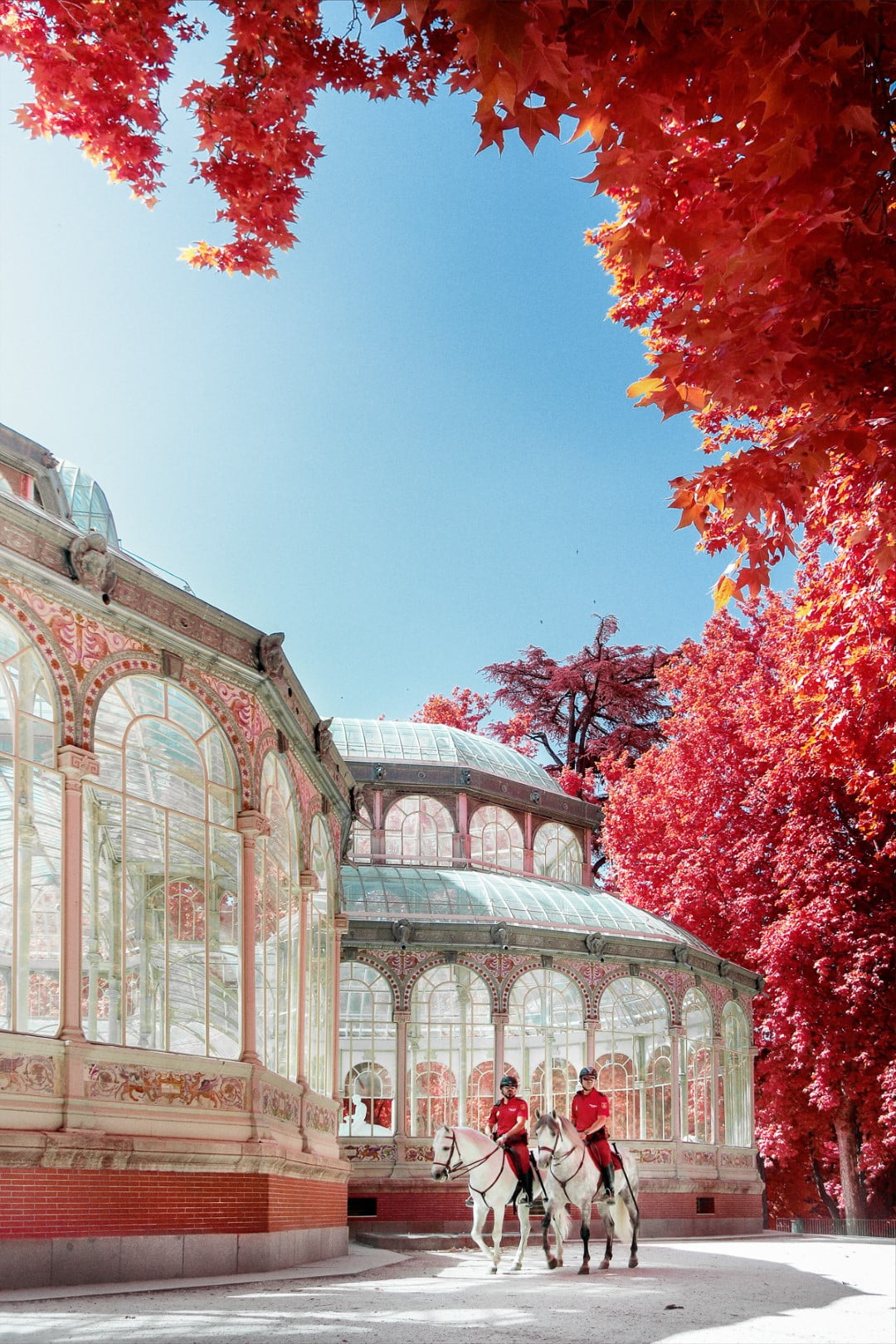
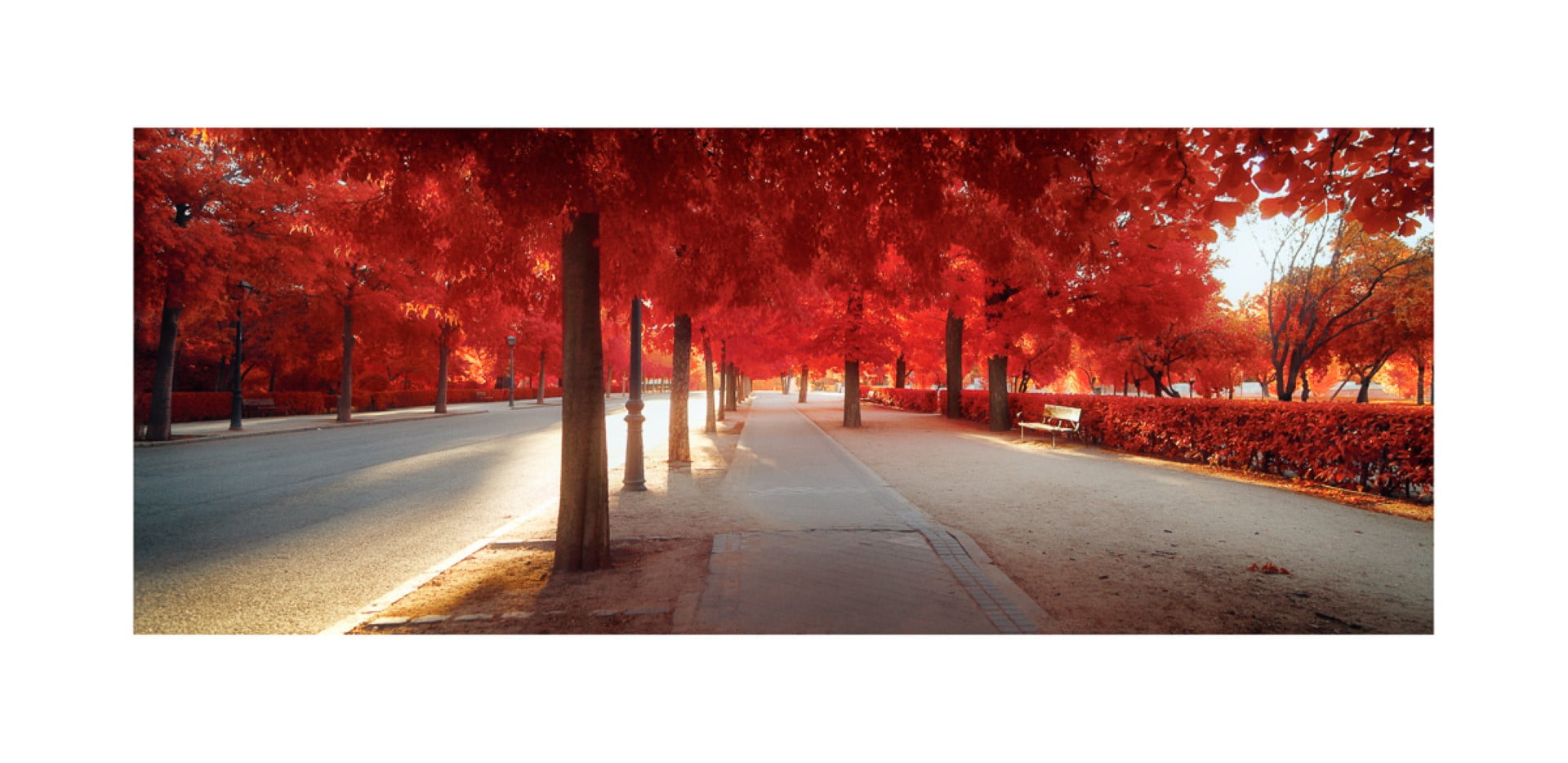
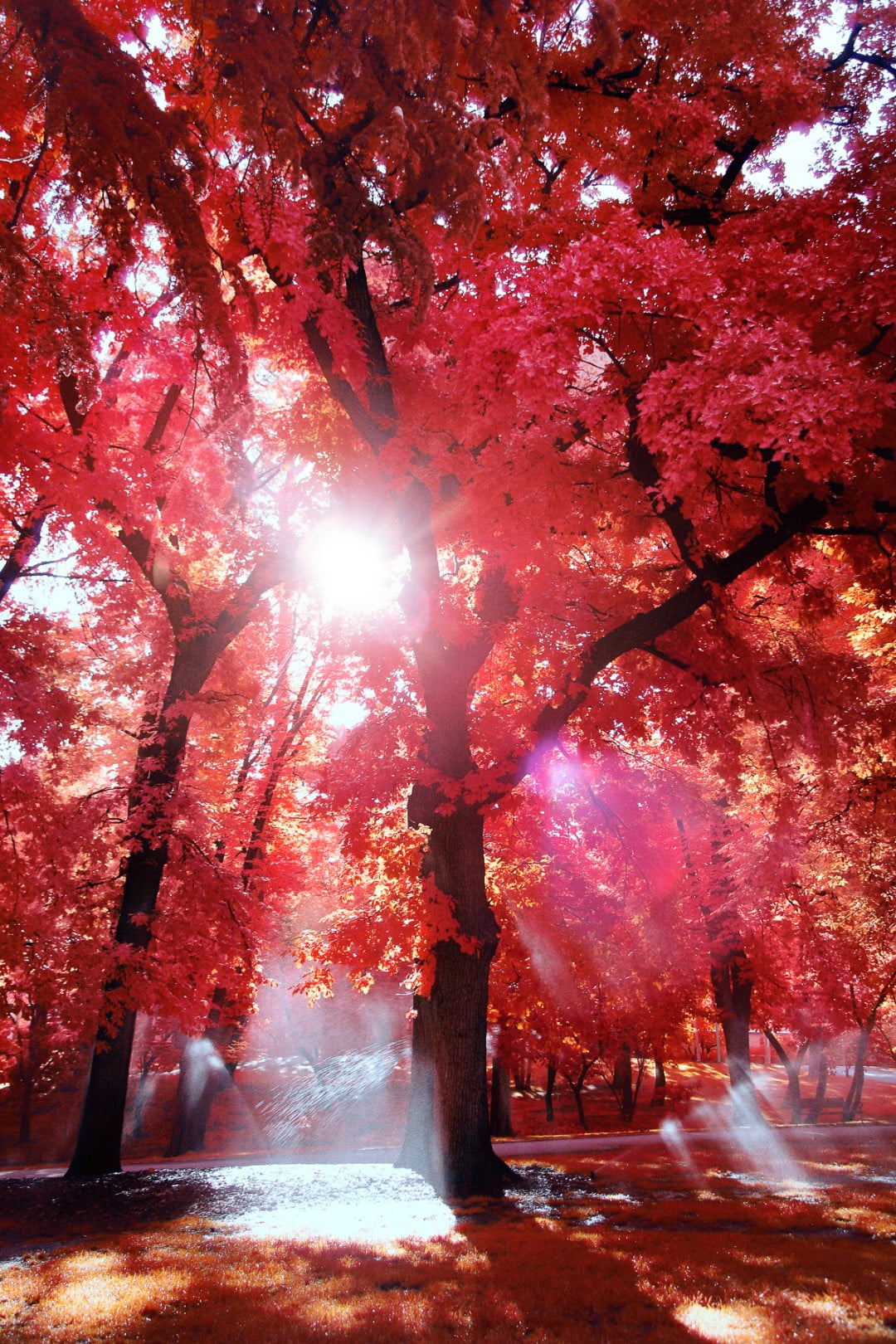
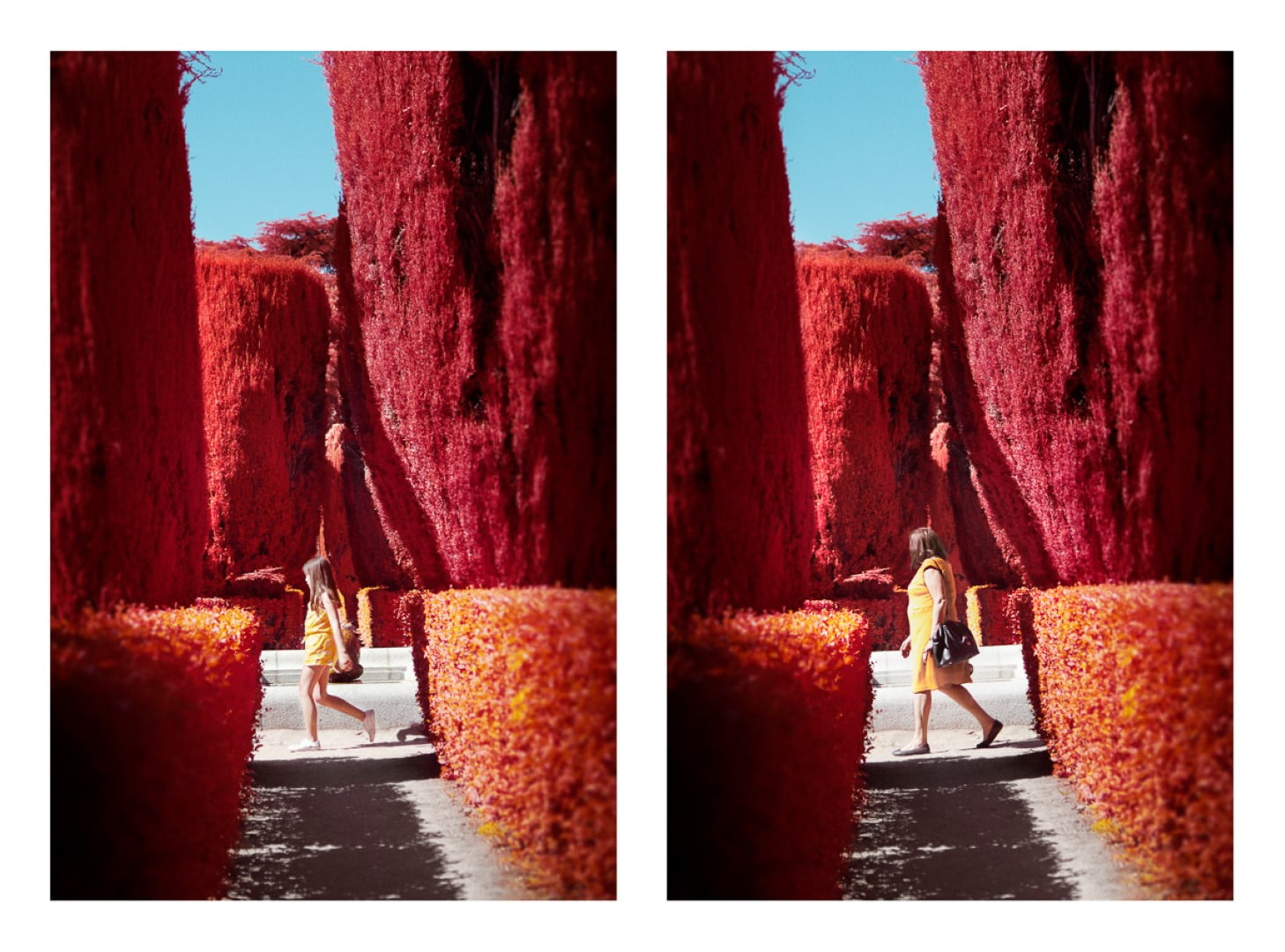
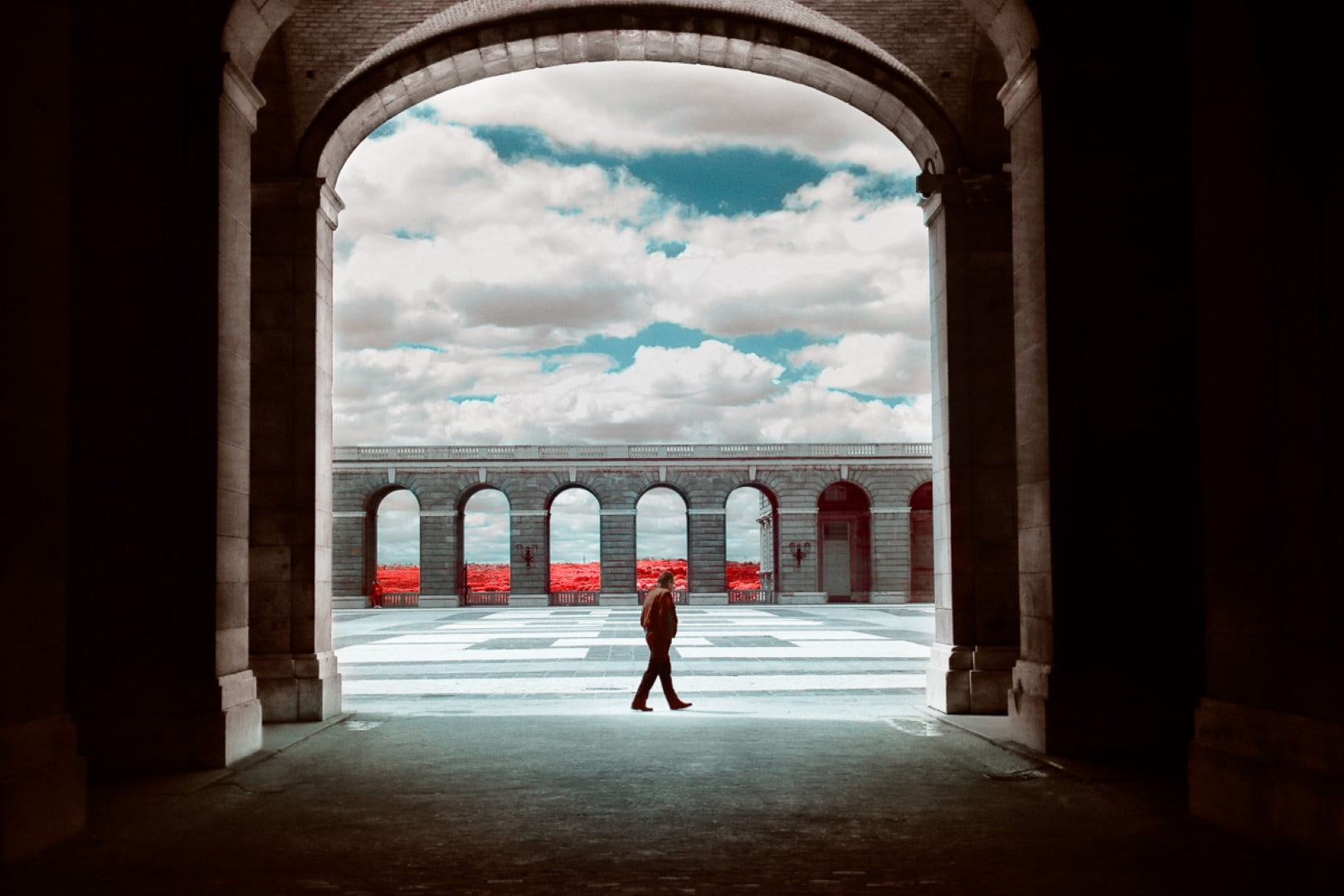
Being in Madrid for several days for a retouching masterclass, I wandered the city and tried to capture its atmosphere while following the places where vegetation led me. Madrid is a very green city with huge park areas and streets bordered by trees. I tried to do some street photography for the first time but not candid ones: I wanted my framings to be as sophisticated and thoughtful as possible. The various layers of depth one can see are something I really watch for. Playing with geometry, symmetry, dynamic lines, vanishing points, and sky contrast matters a lot when I frame my pictures. Tiny unnoticeable details are also important.

Spreading Infrared Photography Through Education
With Pierre-Louis Ferrer and Raphaele Goujat, we founded an association named “Photographie Infrarouge” that aims to spread infrared photography techniques to a large audience through exhibitions, tutorials, interviews, and live workshops.
Website : www.yannphilippe.com
Instagram : https://www.instagram.com/yannphilippe/
Facebook : https://www.facebook.com/yphilippephoto/
Yann Philippe Infrared Photography FAQs
Who Is Yann Philippe?
Yann Philippe is a photographer and image-processing specialist featured by Kolari Vision. The article says he studied cinema, digital art, multimedia, and photography/image processing, then co-founded Pixus Prod in Paris and later opened FLOWIM Studio.
How Did Yann Philippe Start Infrared Photography?
He discovered infrared photography in 2008 and ordered a Fujifilm Finepix IS-1 IR full-spectrum bridge camera during his final year of school. Before that, he had already experimented with unconverted infrared photography using a Nikon Coolpix 8800.
What Is Yann Philippe’s Creative Style?
Philippe says fantasy and imaginary worlds drive his personal work, and he prefers photography when it reflects surreal or imaginary moods rather than strict documentary reality. He compares his approach to using the camera to express a feeling, similar to the Impressionists.
How Did Yann Philippe Help Create The IR Chrome Filter?
While researching Aerochrome film emulation, Philippe tested complex glass and acrylic filter combinations and calculated transmission curves. He later worked with Kolari Vision to measure and simplify the final transmission curve, which led to the creation of the IR Chrome filter.
What Does Yann Philippe Focus On When Shooting Infrared In Madrid?
In Madrid, he photographed the city’s green parks, tree-lined streets, and atmosphere while following where vegetation led him. He focused on thoughtful street photography with geometry, symmetry, dynamic lines, vanishing points, sky contrast, depth layers, and small details.





One Response
Beautiful work! Thank you for doing your part in creating the IR Chrome filter. It has allowed me to create some unique photos.