During nighttime, human’s eyes change from photopic vision (cone cells) to scotopic vision (rod cells). This switch allows the eye to be more sensitive to light and changes the way we perceive colors.
Scotopic Vision and the Purkinje Shift
This change in color perception is known as the “Purkinje Shift” and results in the human eye being more sensitive to lower wavelengths of light (blue/green) and less sensitive to long wavelengths (red) in low light. In scotopic vision, our eyes perceive the world as low-detail shades of gray, where colors become desaturated and blues appear relatively brighter while reds fade into darkness.
Throughout the history of cinematography, it was a challenge to capture natural-looking night scenes due to limitations of technology and the creative solutions to mimic it. As a result, natural-looking night scenes varied greatly from the stylised blue moonlight we’re now used to seeing in modern cinema. Cinematographer Jarin Blaschke has recently pioneered new techniques for The Northman (2022) and Nosferatu (2024) that create a much more realistic version of moonlight with the use of a specialized orthochromatic filter, which is inherently sensitive to blue/green light and not red light, thus naturally replicating the Purkinje Shift.
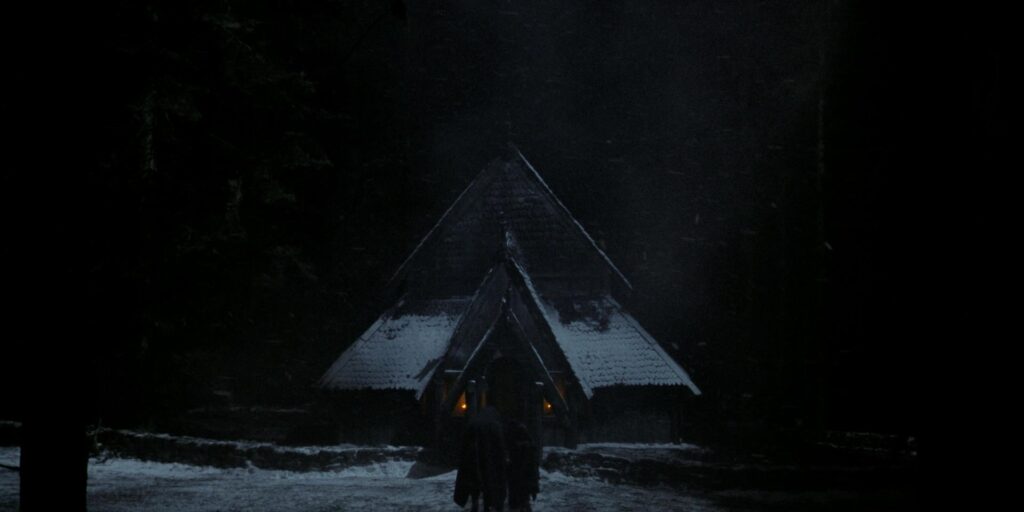
Using Hot Mirror Filters to Replicate Moonlight
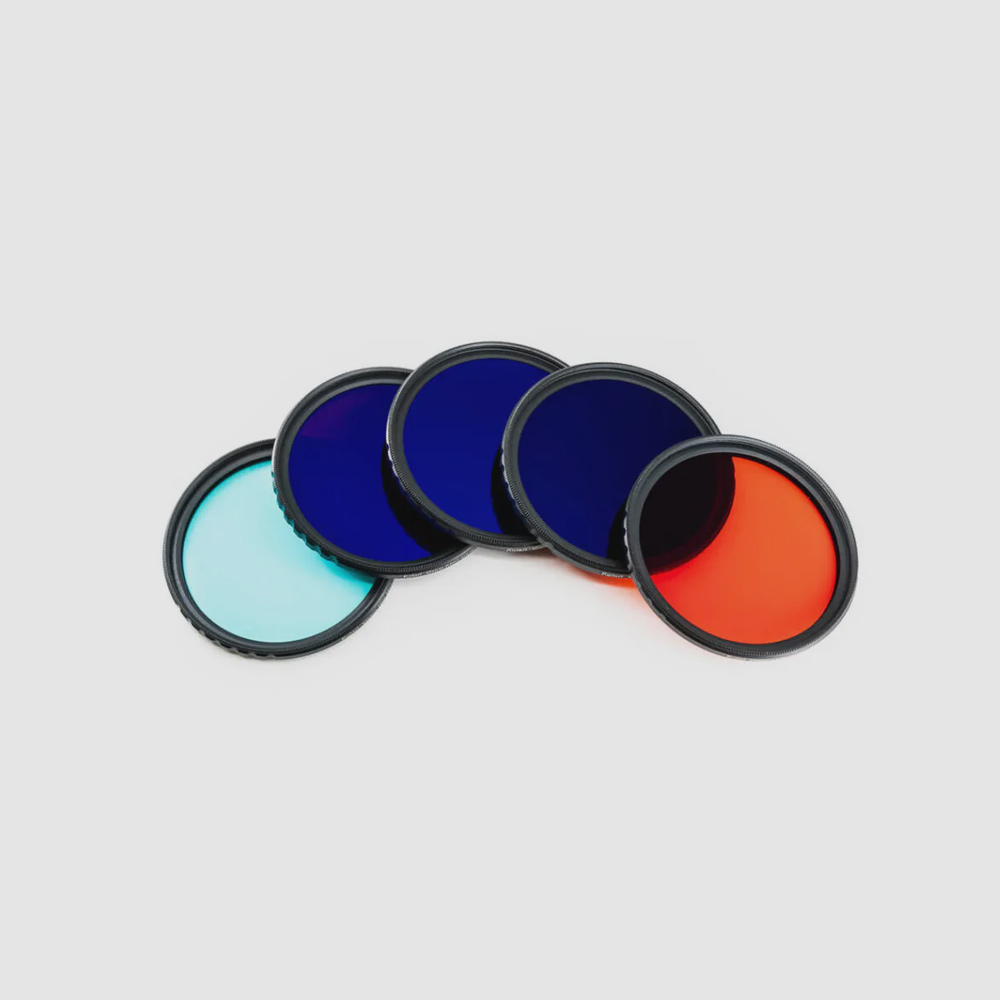
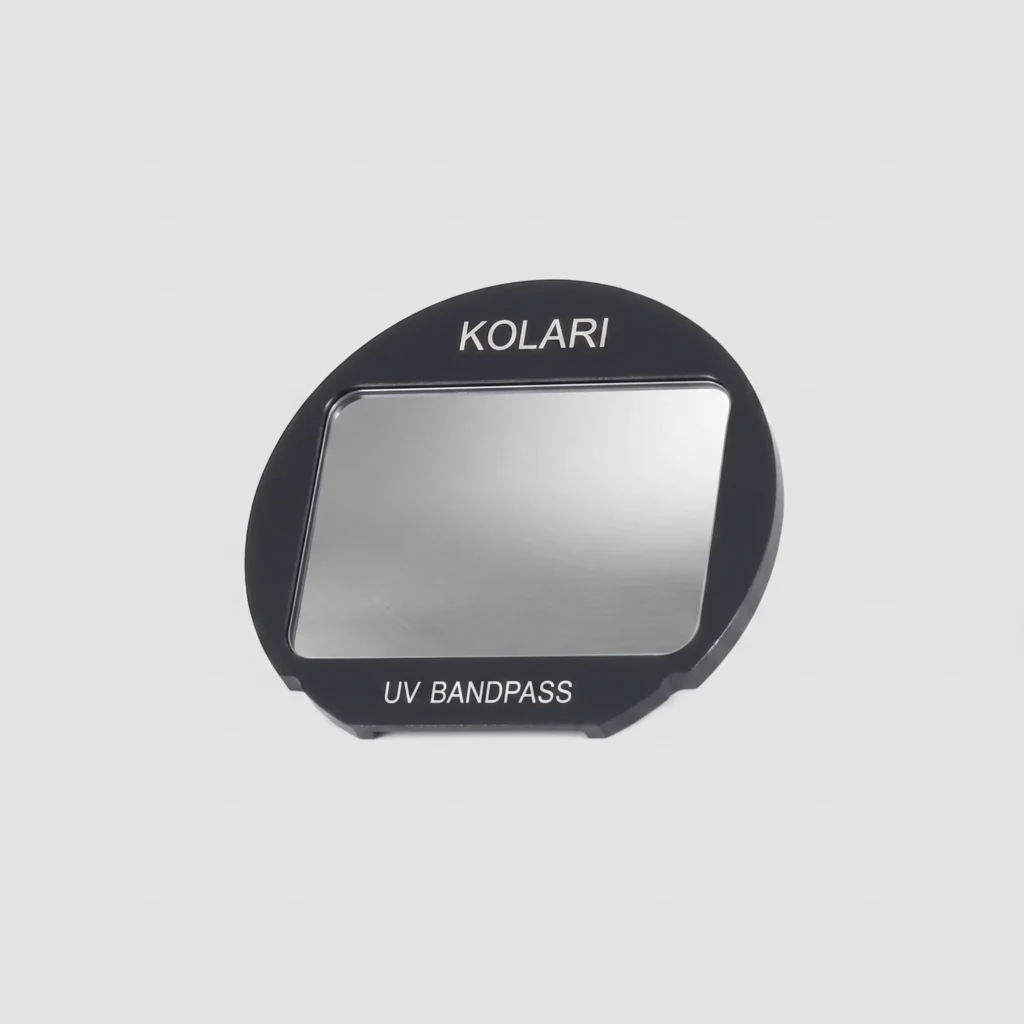
Interestingly, our UV/IR Cut Hot Mirror Filter operates in a similar manner, so we thought our filter could be used for the same application. To put this to the test, we recently collaborated with cinematographer Aaron Andrew Ang to help him replicate scotopic vision using our UV/IR Cut Hot mirror for the body horror short film Tamasira (2026). Aaron was kind enough to answer some questions about their project and his process for scotopic vision using our UV/IR Cut Hot Mirror.
How did this project, Tamasira, come about?
This project is the brainchild of Clare, the Director and scriptwriter of the film. It serves the Film Facilitation Programme 2024 organised by the Singapore Youth Film Festival.
For one of the components within the programme, Clare was given an opportunity to develop a short film with initial seed funding and mentorship guidance from internationally acclaimed film Directors. Clare and I have been close collaborators for many years since we graduated from film school. She approached me to take on the role as a Cinematographer alongside her early development of the film.
However, we decided to take it on further by investing additional resources into the film with the intention of it being a proof-of-concept for a feature film. This film was inspired by her journey in yoga as an instructor.
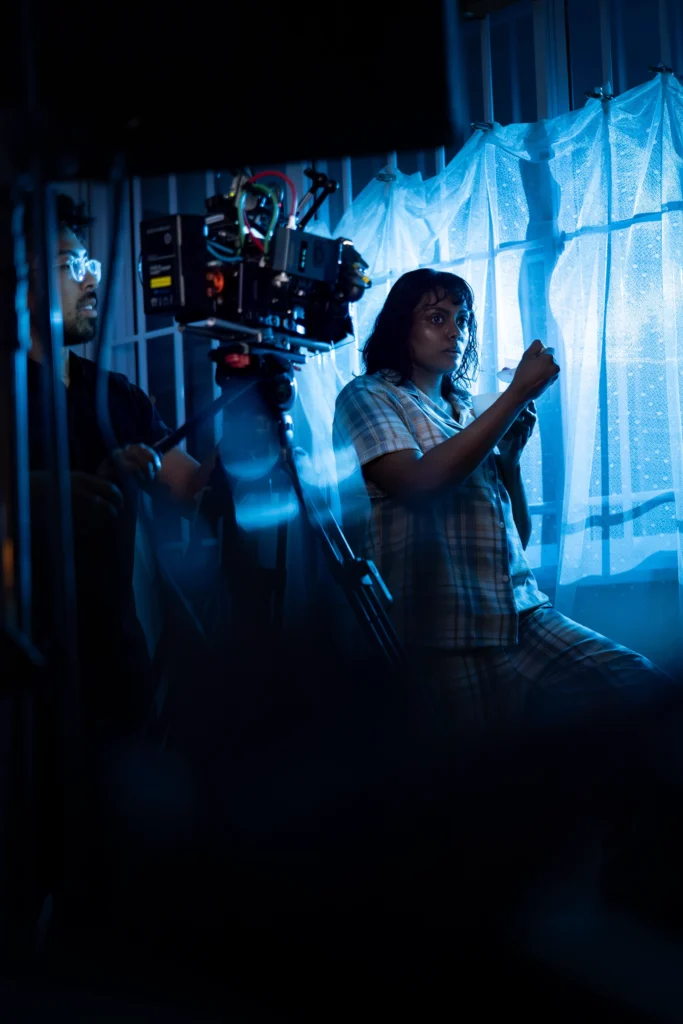
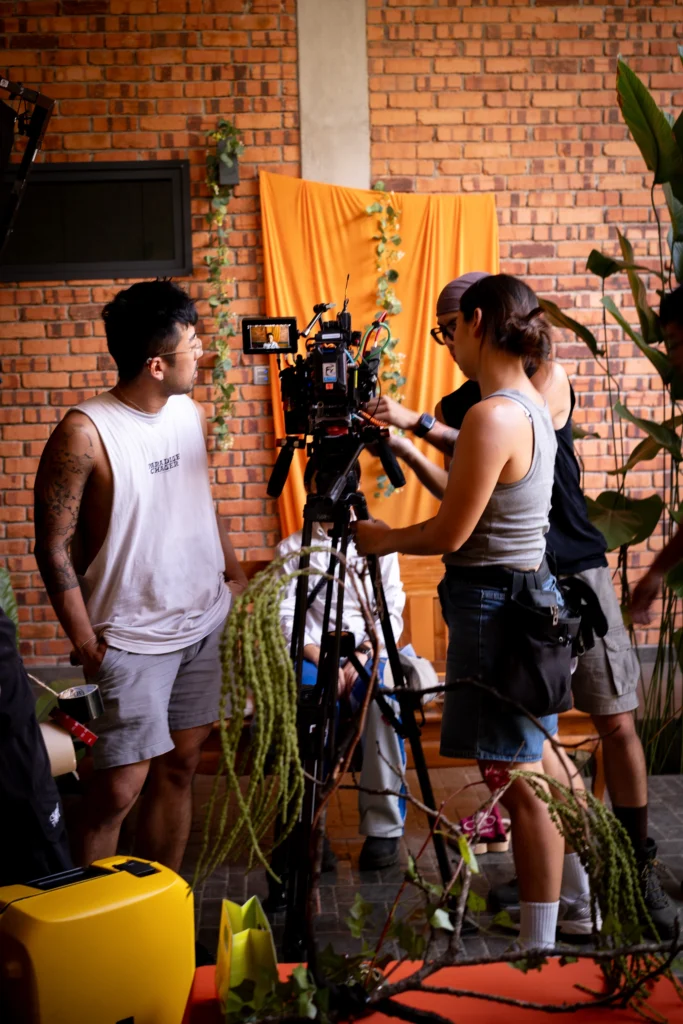
What led you to replicate scotopic vision as opposed to a more traditional moonlight approach?
I feel like as we try to interpret moonlight as cinematographers, we must understand how and what we are actually trying to replicate. Real moonlight is technically reflected sunlight and its visual characteristics are defined by its source and our perception. As the rays of the sun radiate, it travels millions of miles to the moon and back to Earth. This reflected light; after its journey, gives off an incredibly soft source of light.
I find that the most ordinary of ways in approaching traditional moonlight for night scenes is as straightforward as establishing a colour of moonlight as blue or cyan. This is a natural choice, as the choice of colour spells out ‘night’ to our audiences.
However, the explanation behind this is due to the scientific phenomenon called the ‘Purkinje Effect’. In low-light conditions, our eyes are more sensitive to the blue and green light spectrums. Any red colours also appear darker. As a result, this makes moonlit scenes appear cooler to our eyes.
While I browse through commercials and narrative films, I think I struggle in accepting the shade and the tonal range of how intense these levels of blue are as I come across a night scene. Do our eyes really see that intensity of blue? Is this real? Or was it an artistic choice?
I could not find the answers initially and I was struggling to accept how unrealistic intensely blue-lit moonlight feels. I delved deeper into it, and it was when I chanced upon Jarin Blaschke’s films and Nosferatu (2024, Dir. Robert Eggers), really caught my eye and I could sense his intentions. He employs a monochromatic colour palette and a rather desaturated, cool, cyan look in his films.
I find that his preference for naturalism often inspires him behind these choices of look in the visual aesthetics he is intending to communicate. By implying that choice of silver moonlight, he wants to depict as close as how our human eye perceives real moonlight. I could not agree any better! I was more concerned with my understanding of injecting a greater sense of realism in this horror film.
Have you experimented with this look in the past?
I have not.
There were a couple of occasions I’ve modified the sensors on my cameras before while fiddling with UV/IR cut filters that would render the recording of the full spectrum of light.
However, I wanted to be experimental and I tried stacking the Kolari Vision UV/IR Cut Color Correcting Hot Mirror Filter on my unmodified camera for a particular dream sequence and I absolutely love how the colours made me feel. It felt like two hot mirrors were stacking on top of one another. With colour grading, it achieves the intended look that I was pushing for.
How was the testing process? Were there any unexpected results?
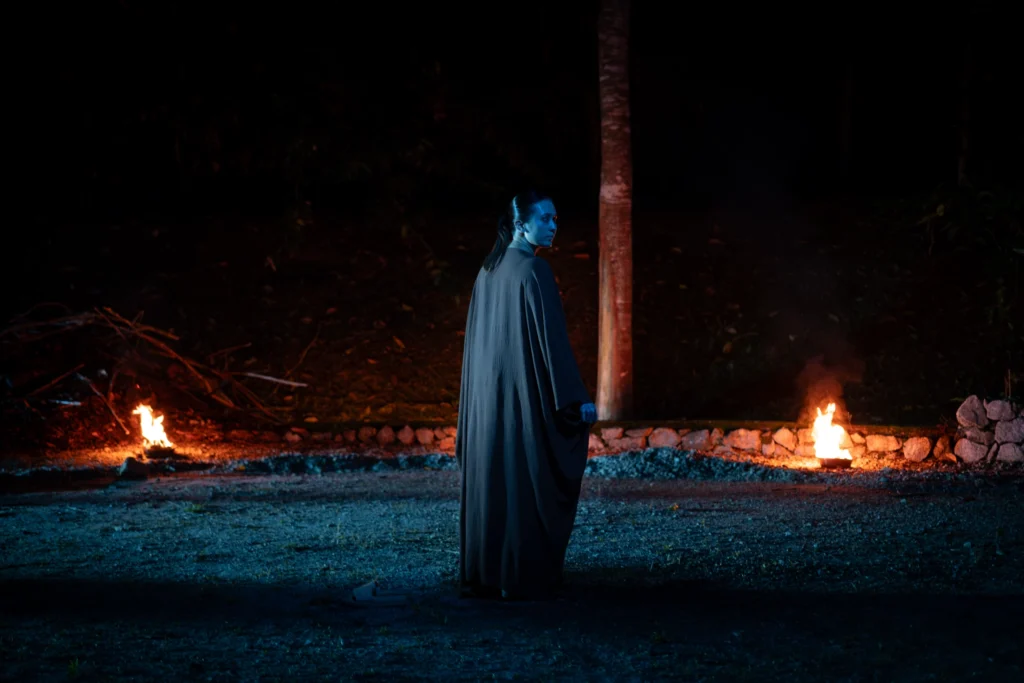
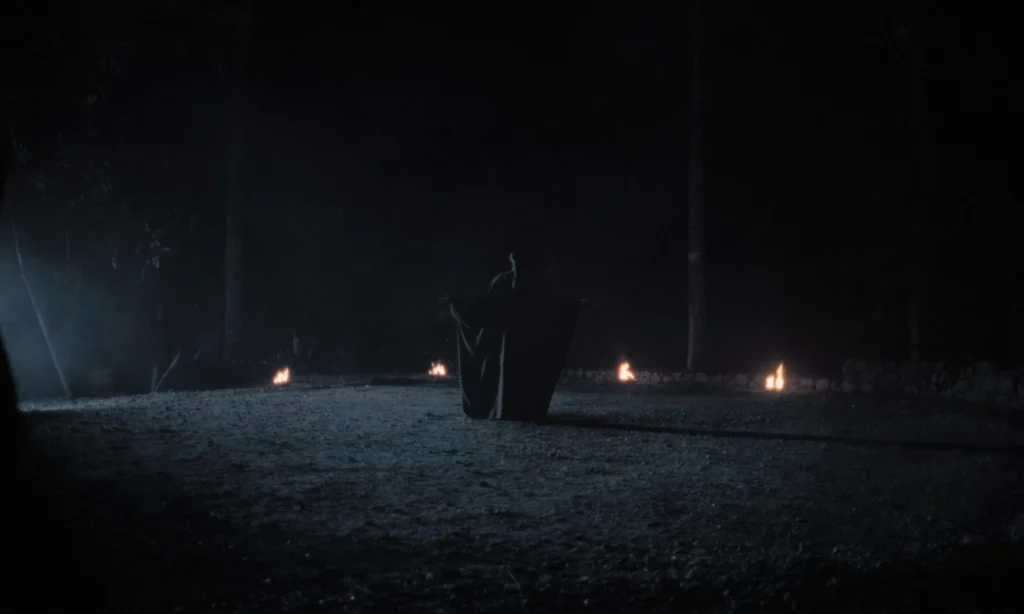
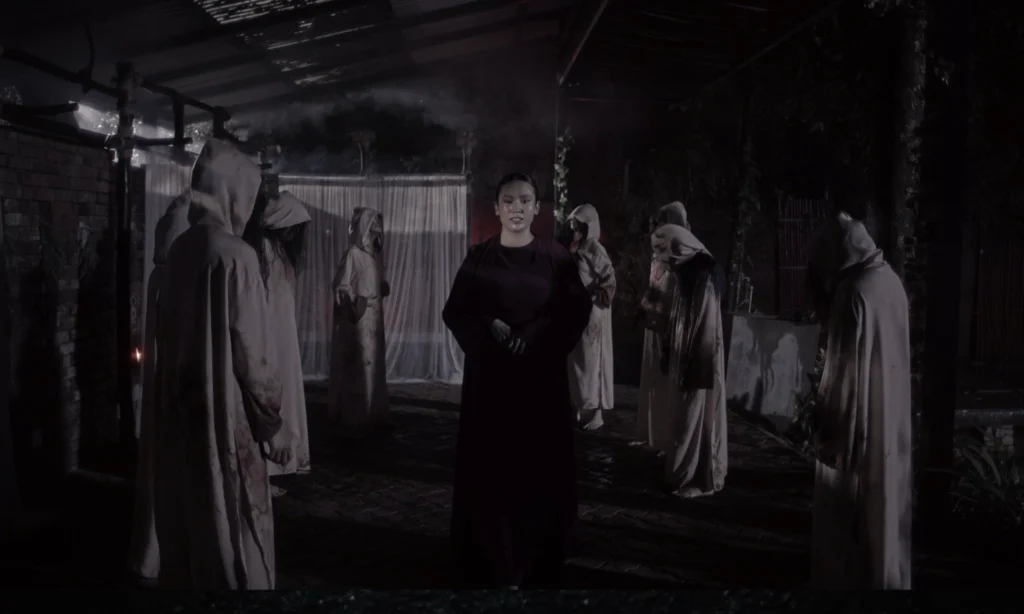
Testing with the Hot Mirror was surprisingly interesting! I knew I wanted to approach going into the shooting of the moon-lit scenes with a teal/coolish look.
But the moment I slapped the filter on… everything looked horrible! There was a great deal of mismatch of colours. Everything you could see just had an undesirable green and blue tinge to it. It was very difficult to work with at the start. Skin tone, colours in the frame, and even a candle light had a tinge of teal to it. It felt uncomfortable.
However, discomfort was part of the process. I knew from the start that I needed to have intention as I was experimenting with these filtration filters. The aim was to achieve a kind of silvery-white moonlight atmospheric feel after I desaturate the colours during post.
Was the Hot Mirror used for all the night sequences, or was it used selectively?
During our camera tests, the results from the introduction of the Hot Mirror filtration glass displayed a loss of a couple of stops of light. Our resources are limited and the biggest light I had was an Aputure STORM XT52! Knowing that our scenes in the film were primarily shot outdoors where I could do more with additional lights, I had to be selective for certain scenes that I’d still like to have this intended effect.
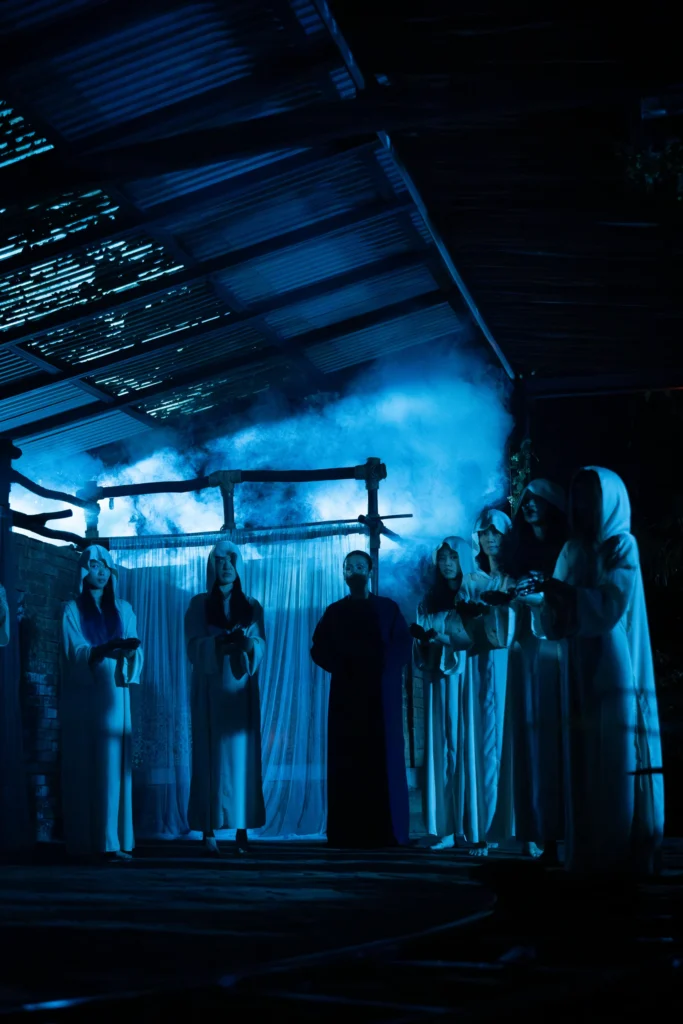
In this film, we had a couple of dream-like sequences and there is a particular sequence that portrays more on the grotesque side of the body horror genre of this film. The cyan gels that I used for the lights helped for the rest of the scenes, but it was not the intended desired effect of how I interpret moonlight as. I felt that it could do more. With the selective scene, it was a very surreal moment for one to feel a great deal of acceptance.
The advantageous location helped a lot, and with the placement of the light – I could do without the gel and go ahead with the other option of using the hot mirror filtration.
I wanted to lit the moonlight slightly with a back-lit feel, but the only option I’ve got was at the very side of the location. I might sound absurd, but I also wanted it to possess very romantic and inviting gestures too; albeit in an eerie manner. Thus, the intention of the silvery moon light is omnipresent.
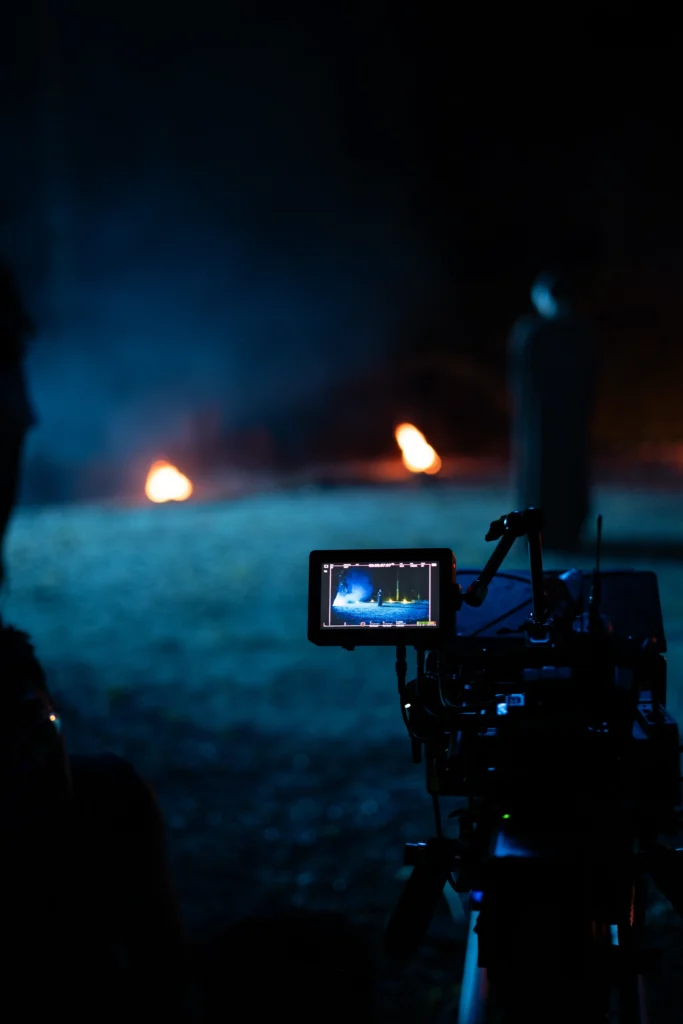
What was the camera and lens setup? Did you use cyan gels on the lights?
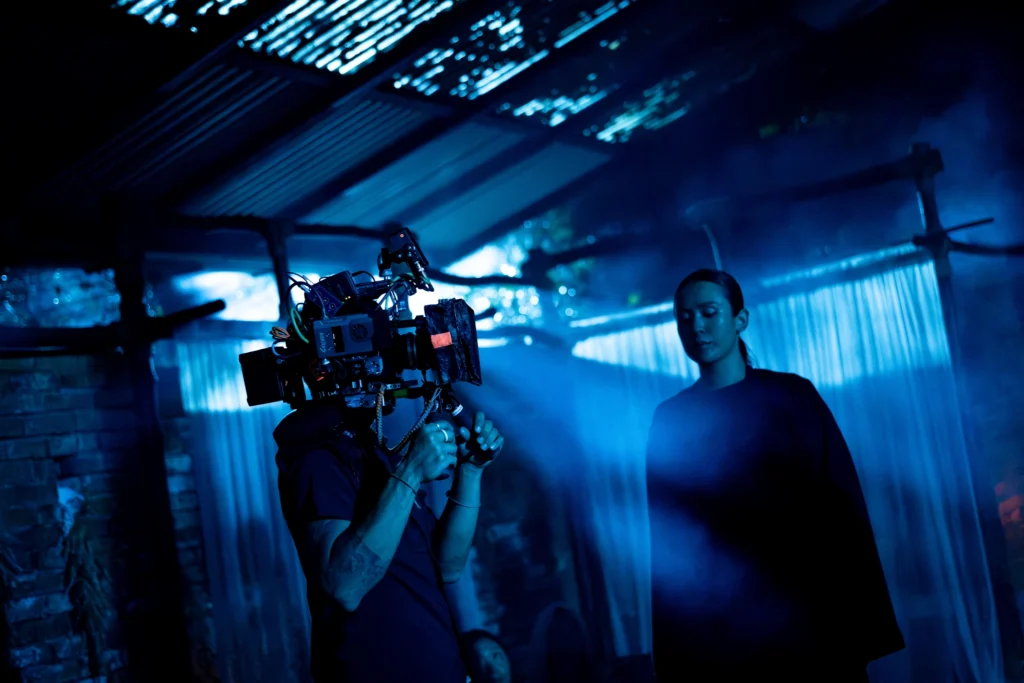
I was shooting with a Blackmagic Design Pyxis 6K and with my personal set of super speed Olympus OM Zuiko cine-modded vintage lenses. I love these lenses for their compact and lightweight capabilities. With their high-contrast and aesthetic imperfections, they are also consistent in sharpness across the sourced focal lengths as well. The focus fall-off is also very unique to these lenses since they were designed by the Japanese. While I was performing a few camera tests, I was working with an array of gel colours too. I decided to go ahead with Lee Filters, 144 No Colour Blue.
How much work was required in post-production to finalize the scotopic look?
I think it is crucial to be extremely careful when we are lighting for moon-lit scenes.
Since we only have the opportunity to get it right as we bake in our creative decisions during the principal photography, we also need to delve deeper into the behind-the-scenes for choices to be made in the post-production process.
Lighting for moonlight often requires additional thought as there needs to be an extra motivation for how light sources appear. Is there a logical reasoning? Is it fictitious? Sometimes, while we require large sources of light, the leak behind these sources intended for moonlight can bleed into the skin tones. It could be misinterpreted for something else. Moreover, with the Hot Mirror filter, it changes the red, green and blue tones picked up by the camera’s sensor while it eliminates specific wavelengths.
White Light Post (Bangkok Color Grading Facility) was tasked to colour our film. We had to tweak the saturation levels and fill up the exposure gaps to maintain light consistency throughout the film. With the scotopic look, it is also about searching for a right balance of colours to exclude a true sense of colour. Since we already had neutralise some colours, we had to intentionally bring some of the other colours back too. Nonetheless, I was intending to go ahead with a desaturated and monochromatic look for our film.
Is this approach to moonlight something you plan on bringing to future projects?
I’d really love to! I think it is imperative to possess a level of sensitivity towards light. It is an important powerful storytelling tool. It manipulates human behaviour, evokes emotions and it always tells a story.
I feel like the usage of moonlight depends on each story. Behind each story, it will inform you on the decisions to create the kind of moonlight intended for each project. Is the moonlight intend to be distracting? Does it feel normal? Do we want it to be disturbing? All roads lead to experimentation. With the amount of tools and technology in our disposal now, we cannot say that we can’t try to create almost anything out of our imagination. But I am somewhat a naturalistic kind of person. I guess my tolerance for naturalism is dependent on how I feel and how I make sense of the world around me. There’s a kind of logic I adhere to. I don’t think there is any right or wrong in terms of explaining moonlight as white or blue. It just needs to feel natural in the eyes of the audience.
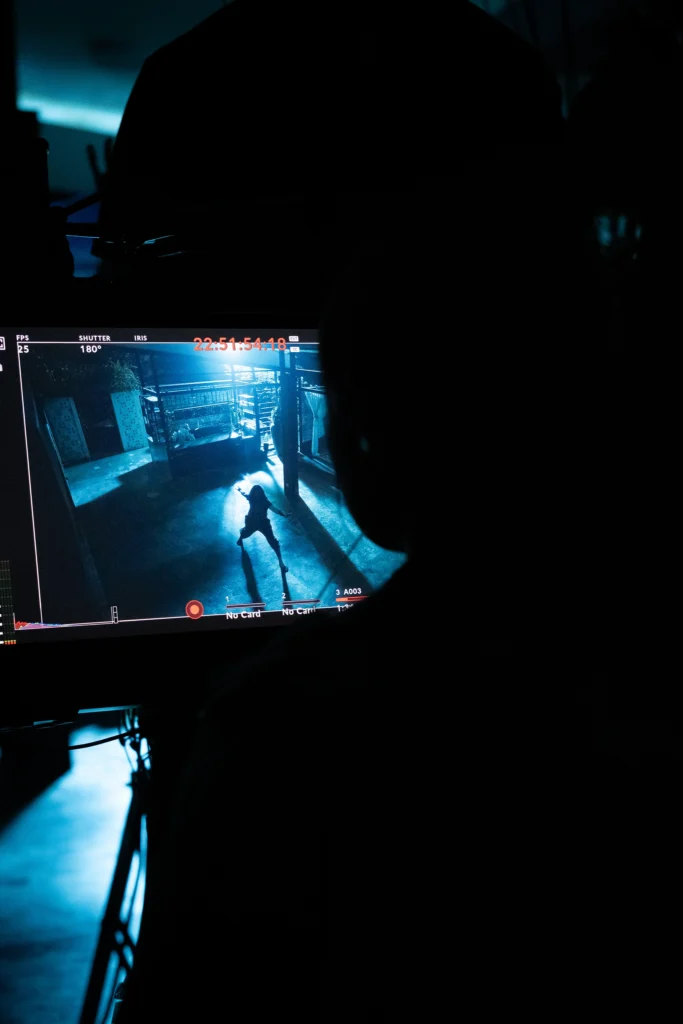
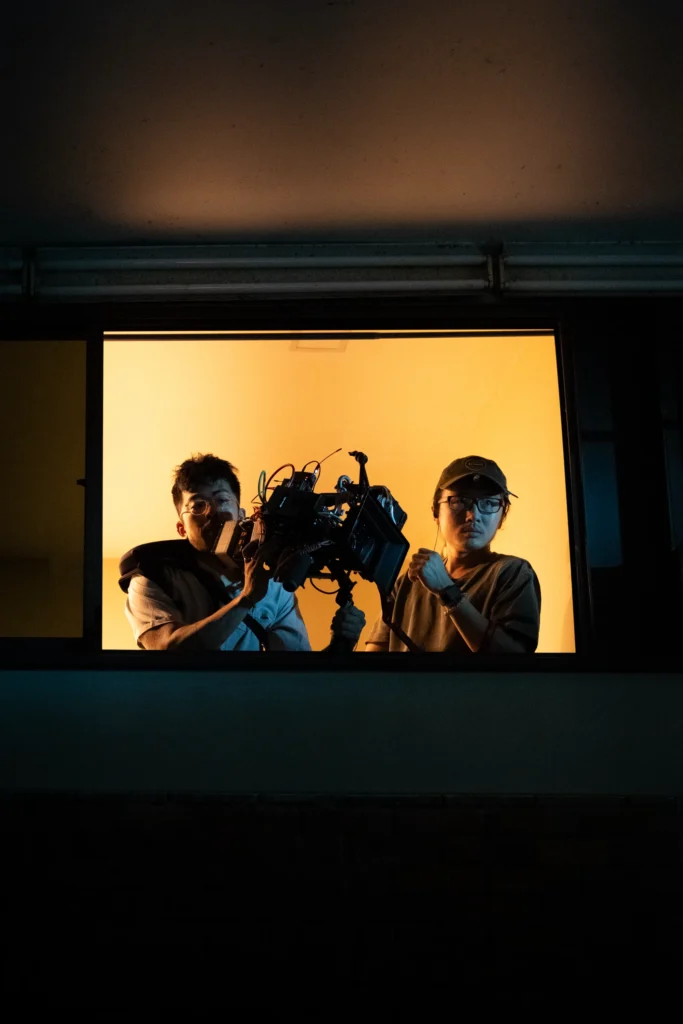
The Cinematography of Aaron Andrew Ang
Tamasira will be featured at Fantasia Film Festival between July 16–August 2 this year in Montreal, Canada at Concordia University.
Fantasia is a legendary 18-day blow-out of worldwide fantastic cinema taking place each July in the heart of Montreal. An event hell-bent on showcasing the most exciting, innovative and individualistic examples of contemporary international genre cinema from every corner of the globe.
Aaron Andrew Ang is a cinematographer whose artistic journey began in the vibrant city-state of Singapore. A proud graduate of LASALLE College of the Arts, where he earned a BA(HONS) in Film, Aaron has cultivated a distinctive voice in filmmaking, shaped by his diverse experiences and a multifaceted approach to visual storytelling.
His work effortlessly blends a sensitivity to the human condition with innovative techniques. Aaron enjoys pushing the boundaries of traditional filmmaking, experimenting with physical effects, harnessing natural light, and exploring the interplay of darkness and dark humour. This multifarious approach not only allows for the embrace of beauty but also channels unfiltered emotion into his projects, resulting in a captivating cinematic aesthetic.
UV/IR Cut Hot Mirror Moonlight FAQs
How Can A UV/IR Cut Hot Mirror Filter Create A Moonlight Look?
A UV/IR Cut Hot Mirror filter can help create a moonlight-inspired look by shifting the camera’s color response toward cooler blue/green tones while reducing red response. The article compares this behavior to scotopic vision and the Purkinje Shift, where low-light vision makes blues and greens appear brighter while reds become darker.
What Is The Purkinje Shift In Cinematography?
The Purkinje Shift describes how human color perception changes in low light. In scotopic vision, the eye becomes more sensitive to blue/green wavelengths and less sensitive to red, which is why realistic moonlit scenes can feel desaturated, silvery, cyan, or blue-green rather than intensely blue.
Why Use A Hot Mirror Filter Instead Of Traditional Blue Moonlight?
Traditional cinematic moonlight is often created with blue or cyan lighting, but the article argues that this can feel overly stylized. The Hot Mirror approach was tested to create a more naturalistic, desaturated moonlight effect closer to how the human eye perceives low-light scenes.
What Camera And Lens Setup Was Used For Tamasira?
The cinematographer shot with a Blackmagic Design Pyxis 6K and vintage Olympus OM Zuiko cine-modded lenses. The article also mentions testing gel colors and using Lee Filters 144 No Colour Blue as part of the lighting approach.
How Much Post-Production Was Needed For The Scotopic Look?
The look required careful color grading. The article explains that the Hot Mirror filter changed the red, green, and blue tones captured by the sensor, so the grade involved adjusting saturation, filling exposure gaps, maintaining consistency, and balancing a desaturated monochromatic moonlight feel.

One Response
Interesting concept, I will hunt down the film to watch it. It sounds like in the end he used a normal camera with two hot mirrors and Lee No. 144 colour blue. Is that correct?