




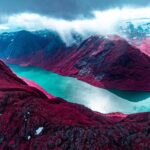

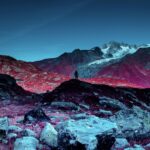




550nm Infrared Filter
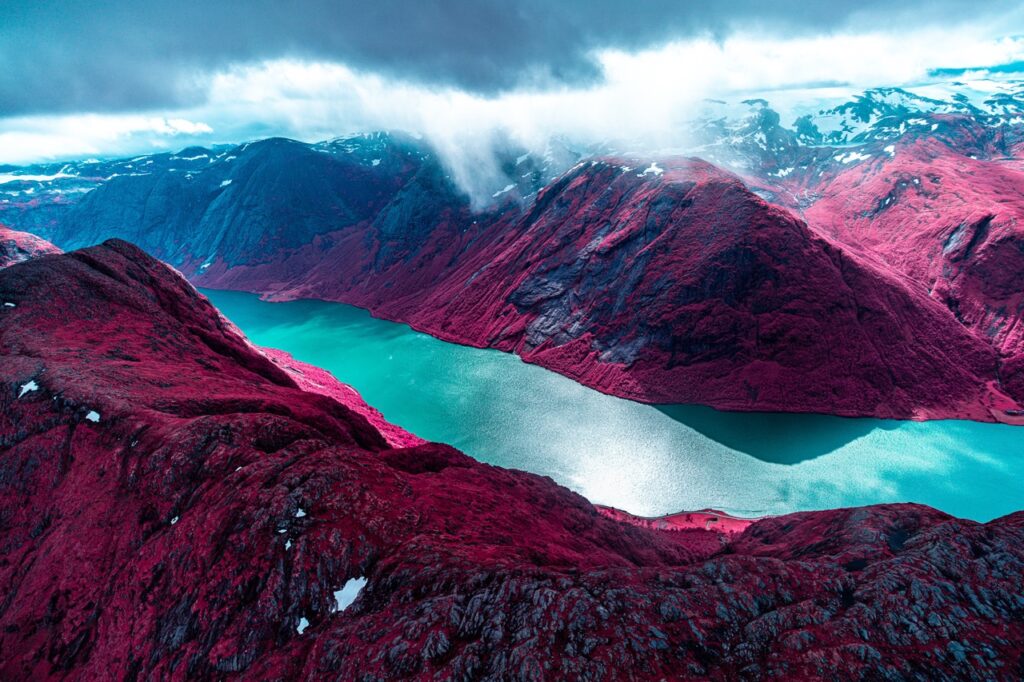
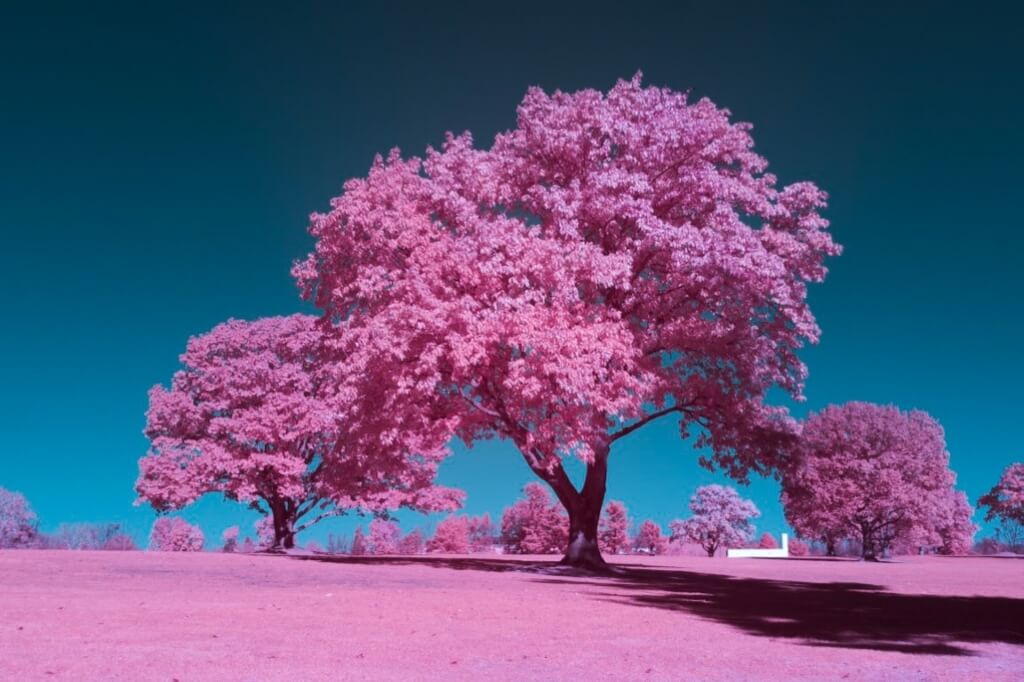
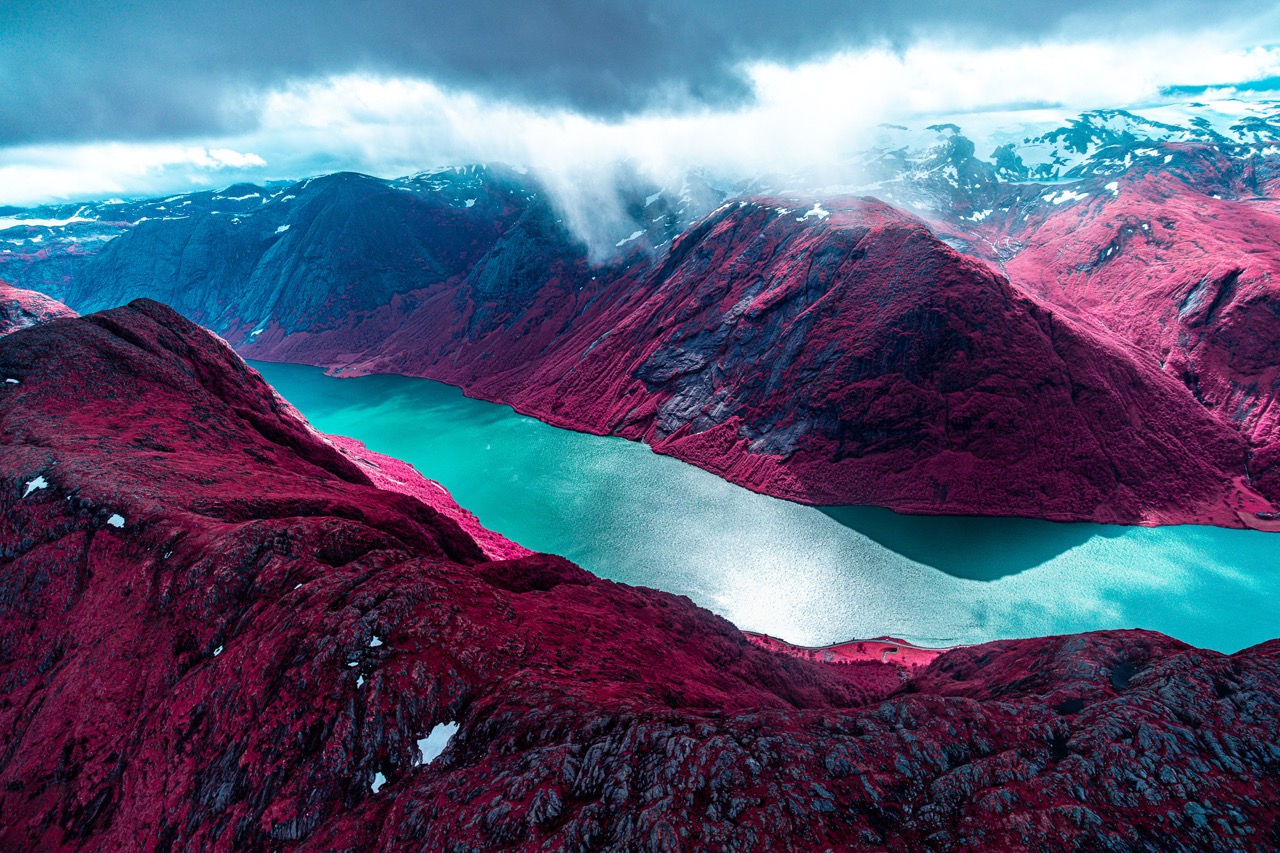
Produces stunning false-color infrared images with unique color effects.
590nm Infrared Filter
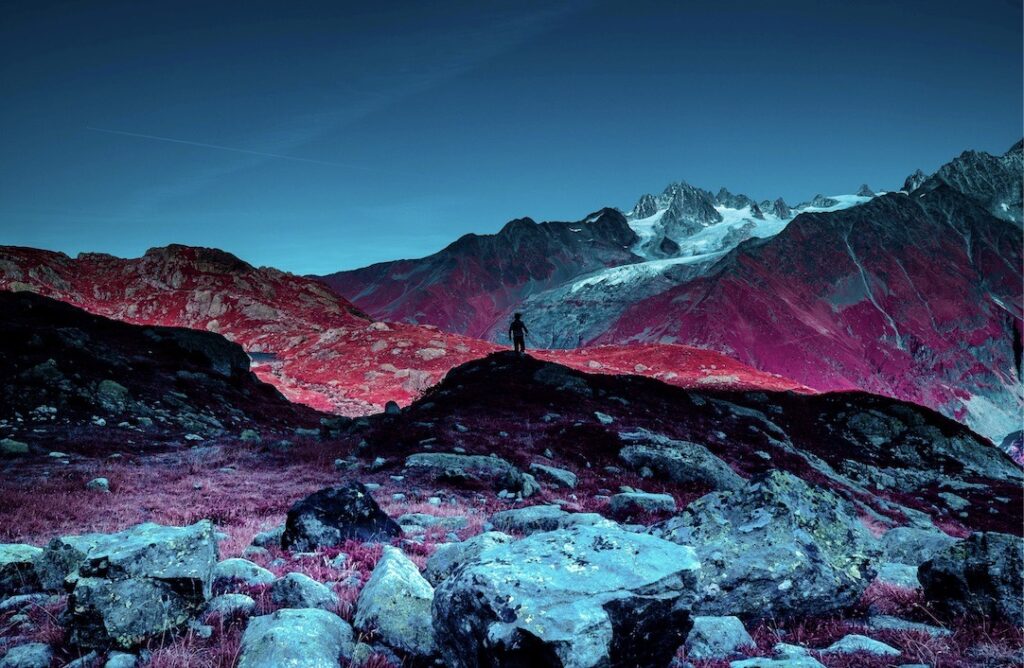
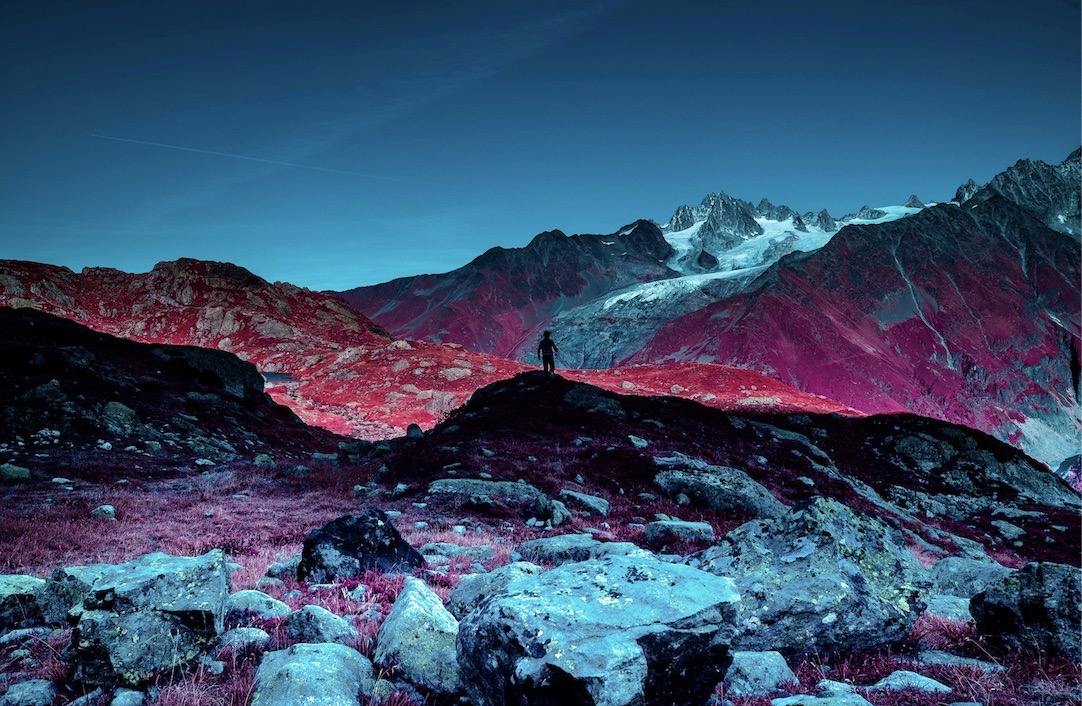
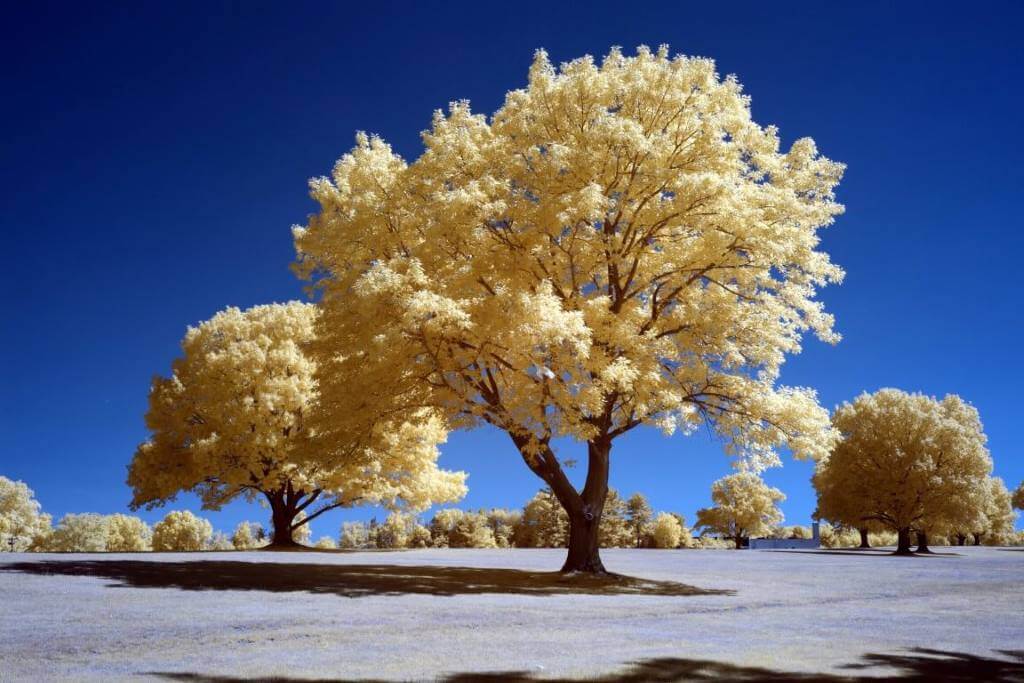
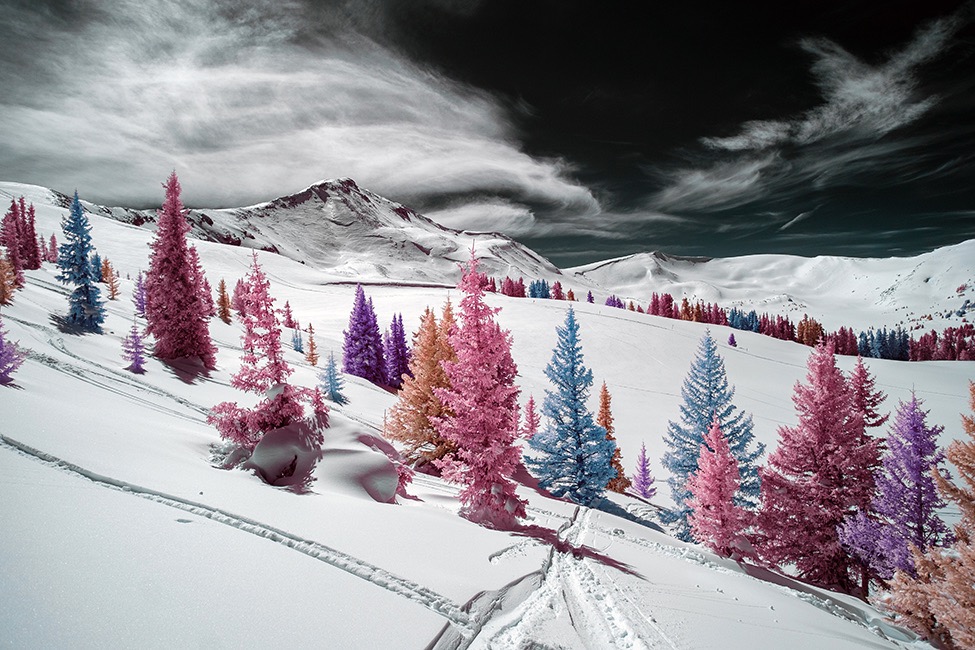
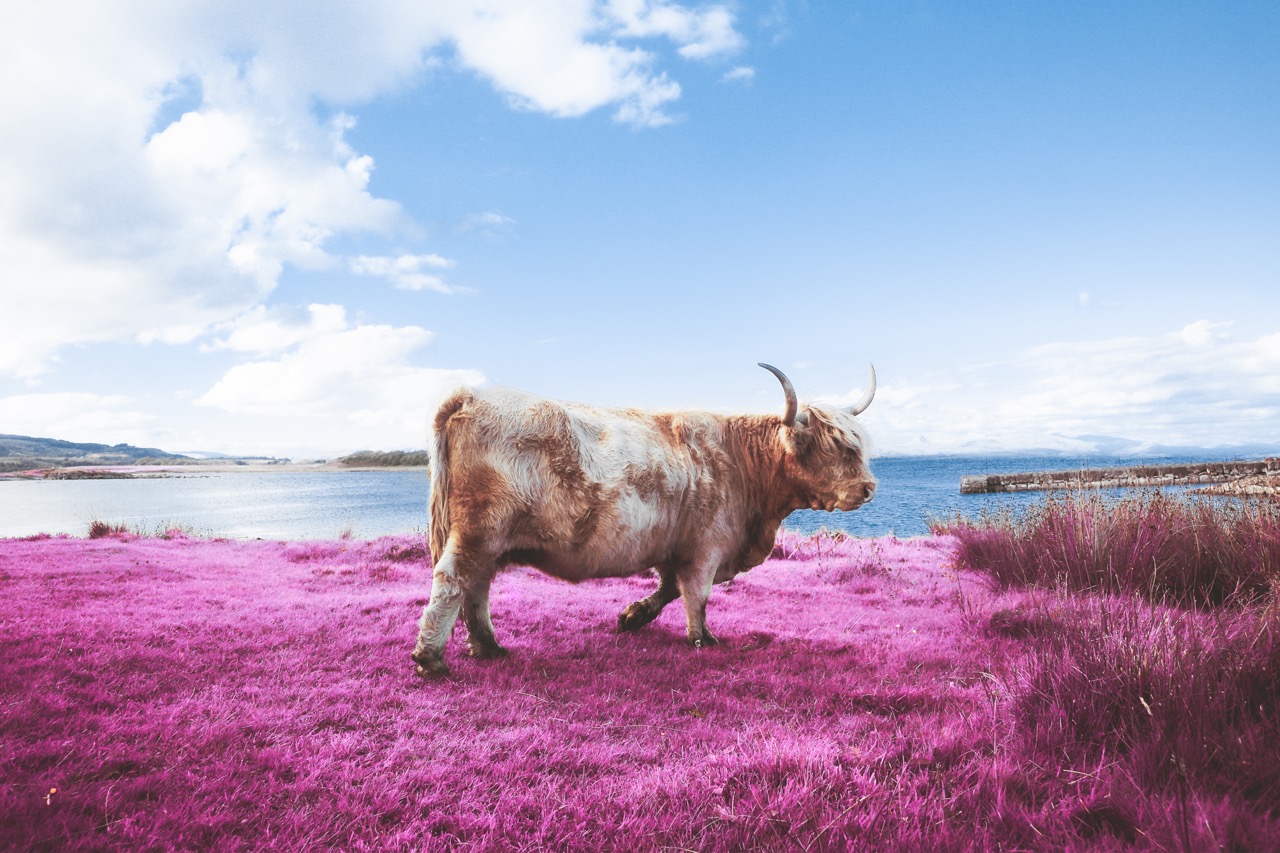
The 590nm filter can produce vibrant false colors while allowing for flexibility in post-processing. It’s typically used to produce golden-yellow foliage and bright blue skies. This filter requires post-processing and is compatible with a full spectrum or a lower cutoff IR converted camera.
665nm Infrared Filter
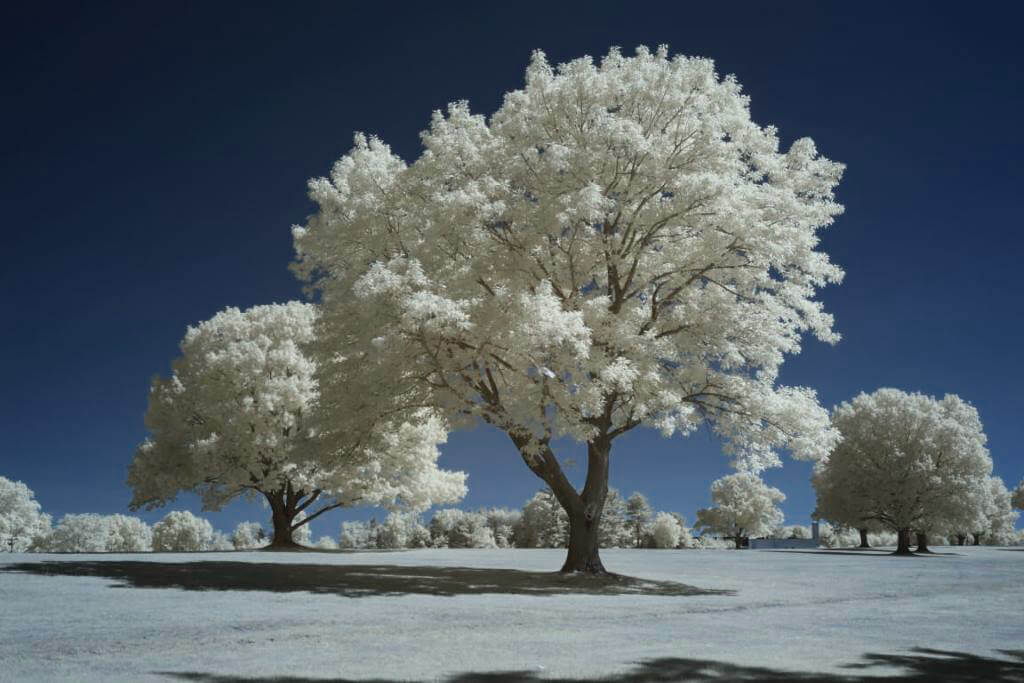
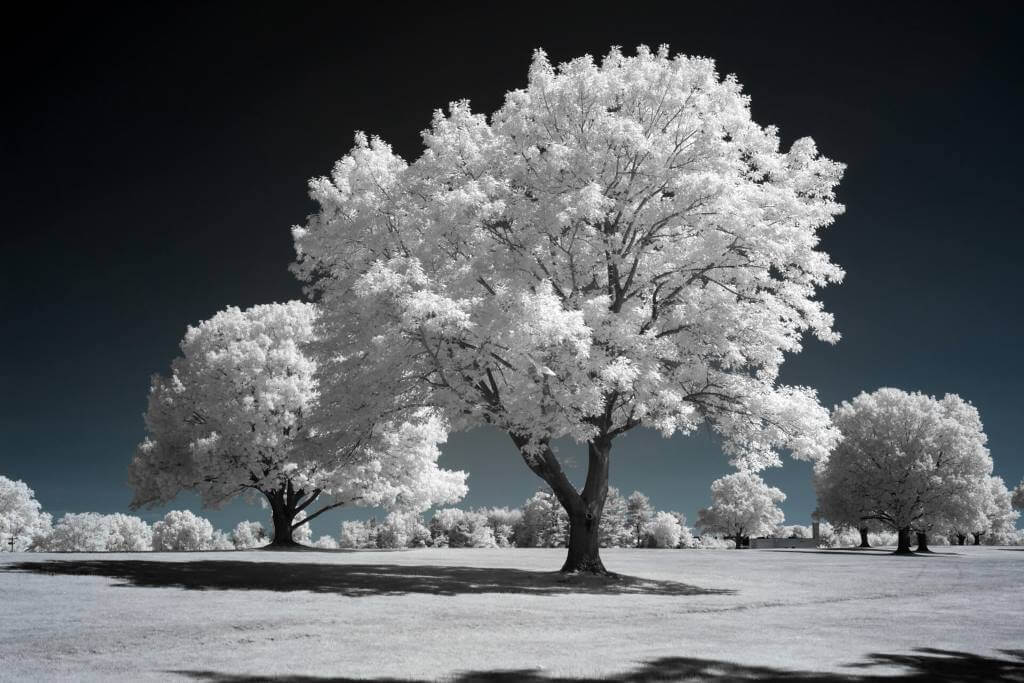
The 665nm filter can produce vibrant false colors with good B+W contrast. It’s typically used to produce light yellow leaves or the classic white IR look with blue skies. This filter requires post-processing and is compatible with a full spectrum or a lower cutoff IR converted camera.
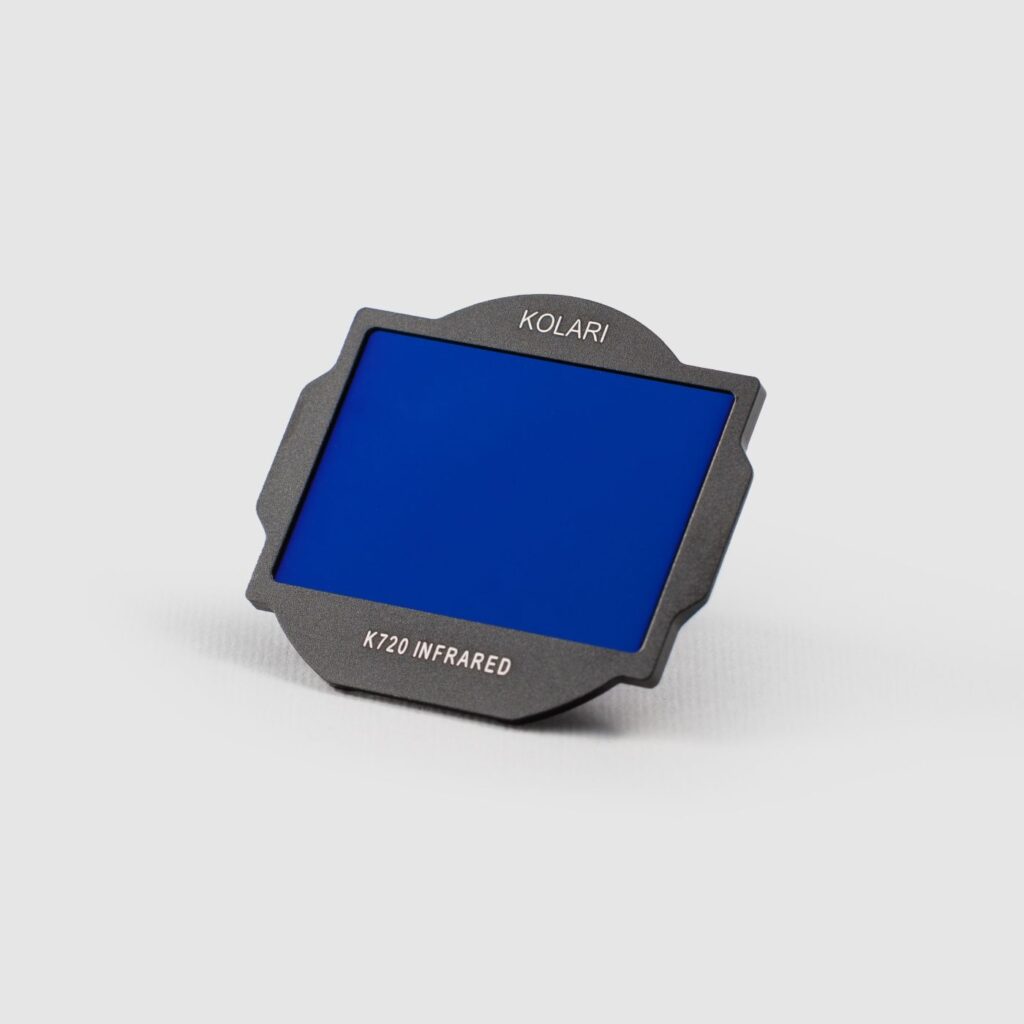
720nm Infrared Filter
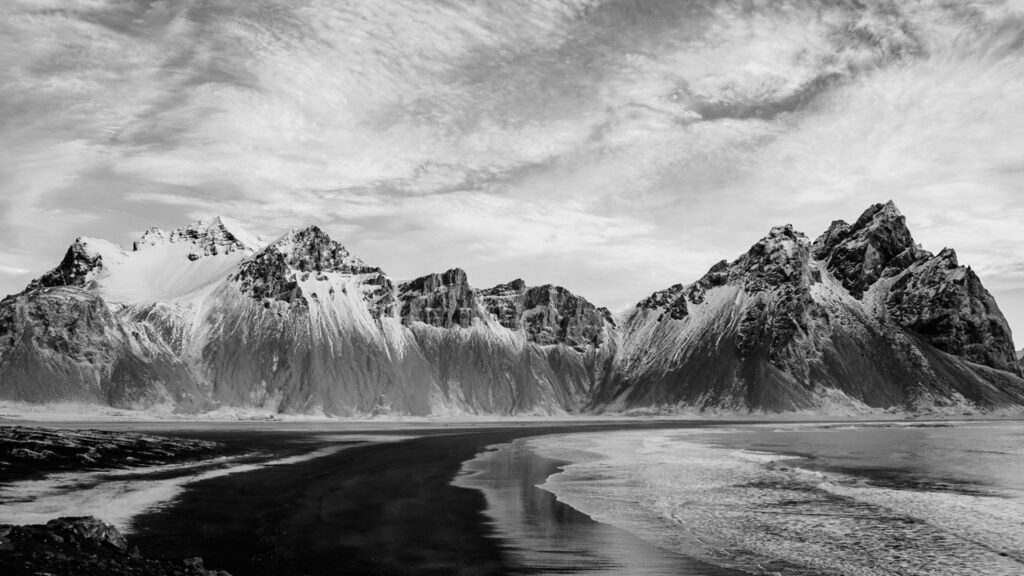
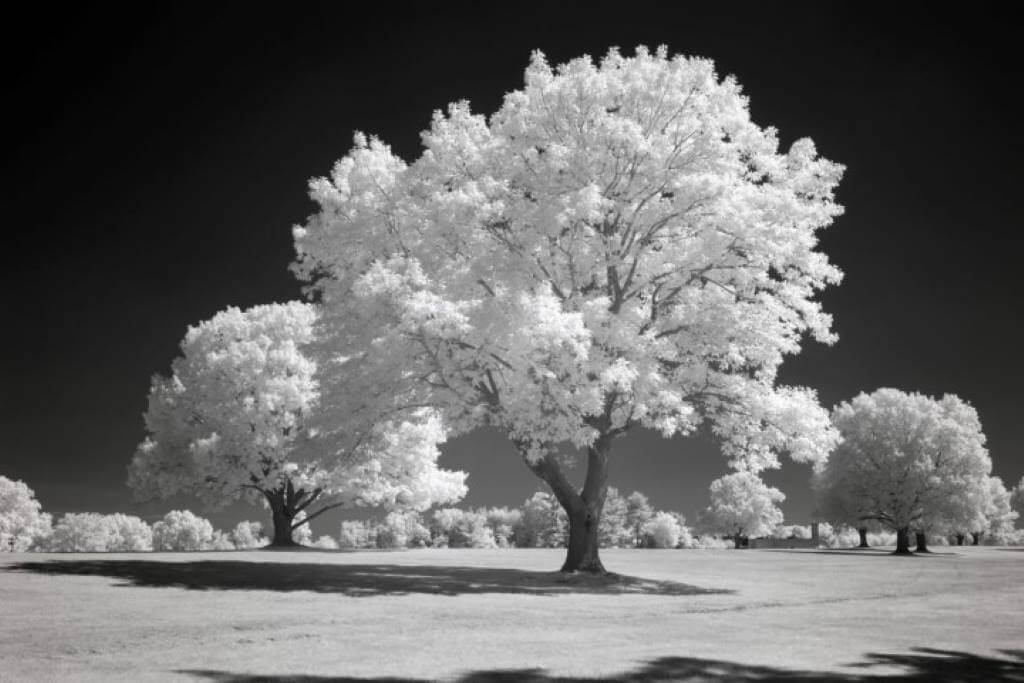
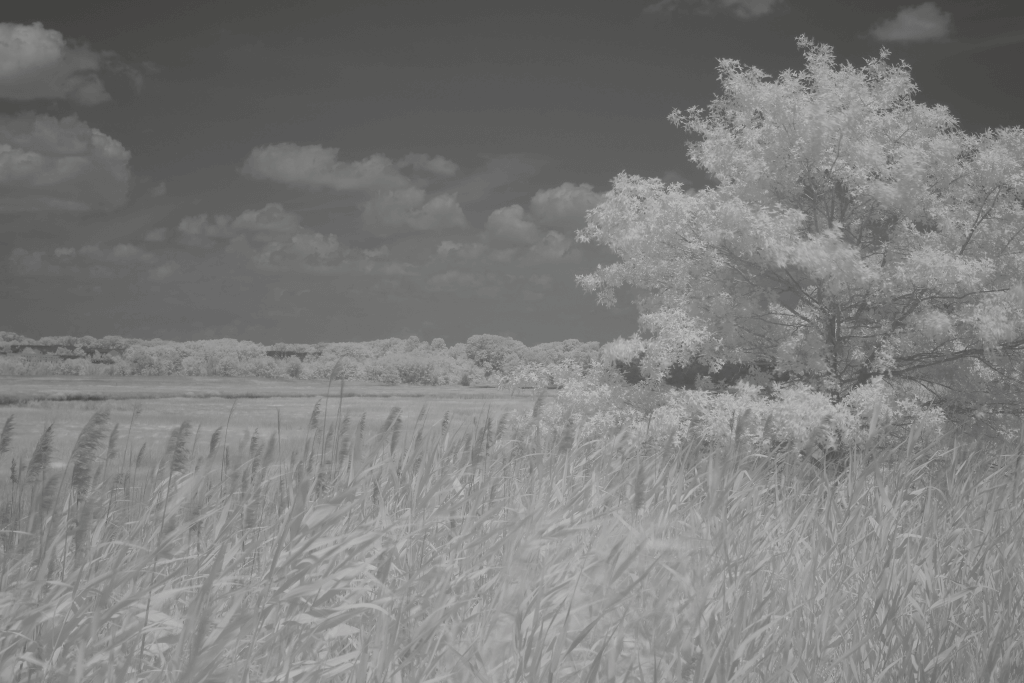
The classic IR filter, the 720nm filter is great for blue sky false color and provides great contrast and dynamic range for B+W. This filter requires post-processing and is compatible with a full spectrum or lower cutoff IR converted camera. It can also be used with some stock cameras with a long exposure.
780nm Infrared Filter
Captures images with enhanced contrast and fine details not usually visible to the naked eye.
850nm Infrared Filter
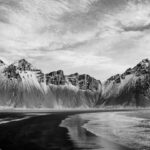
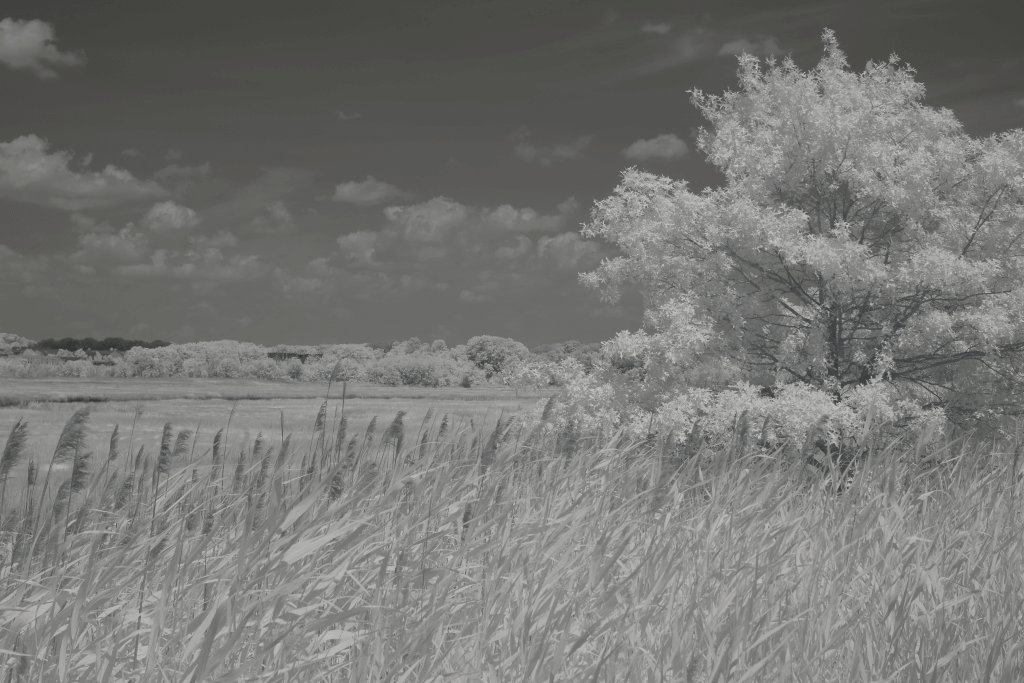
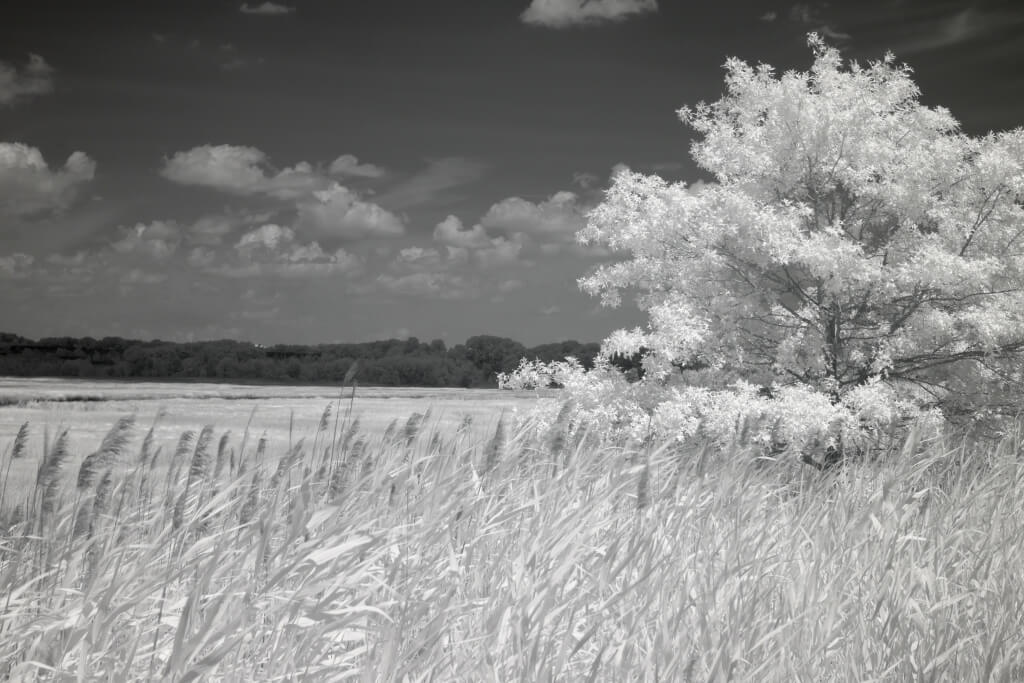
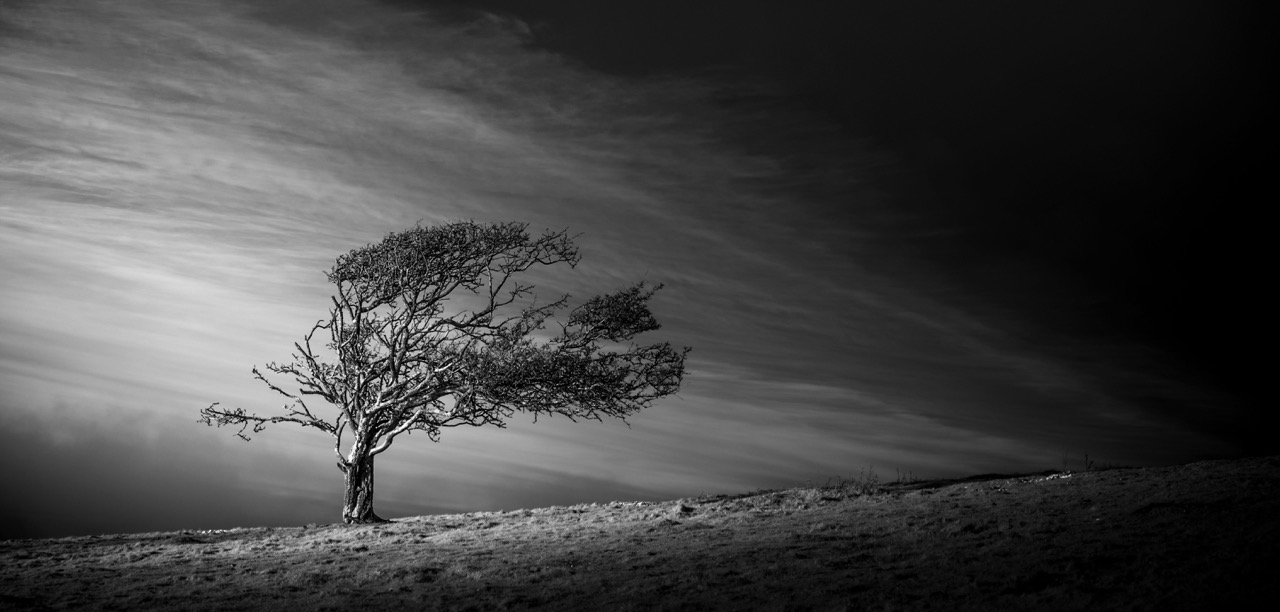
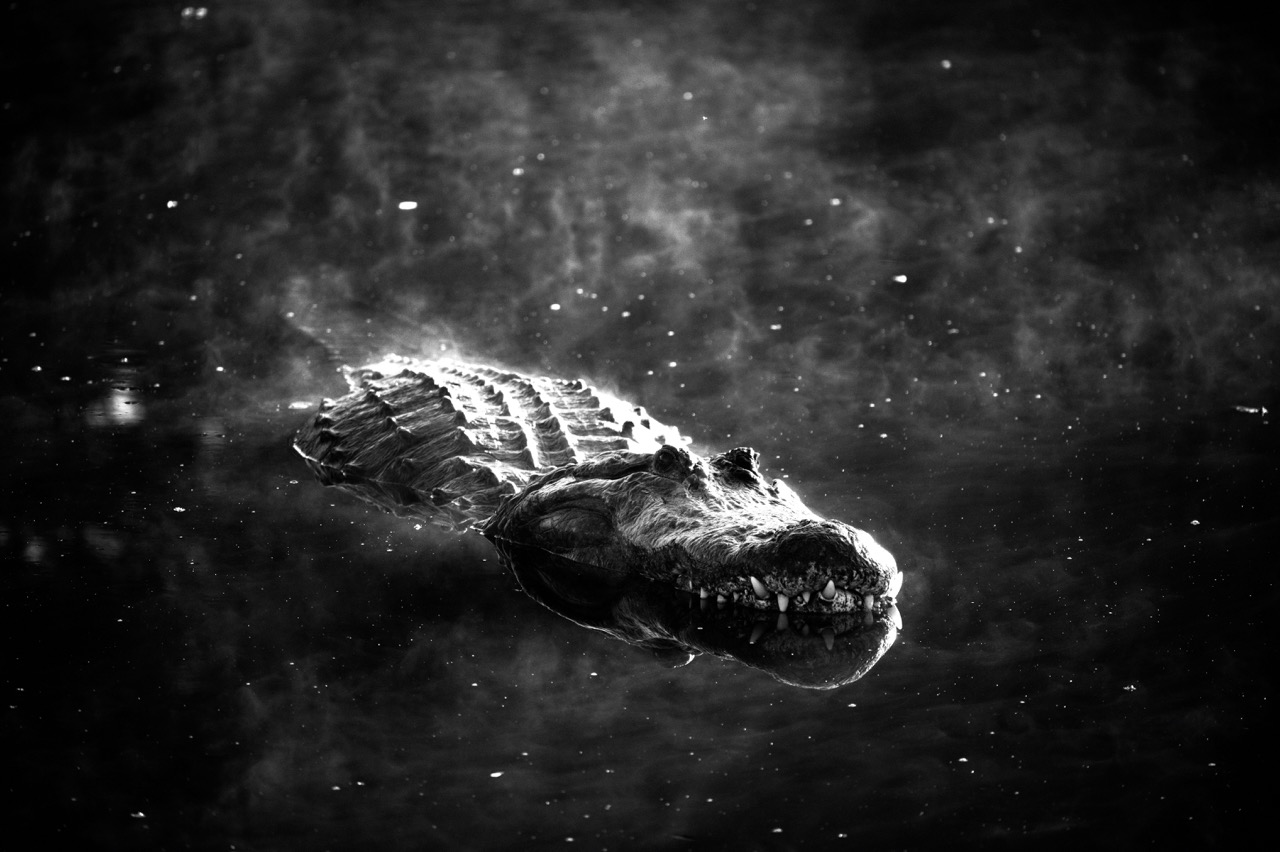
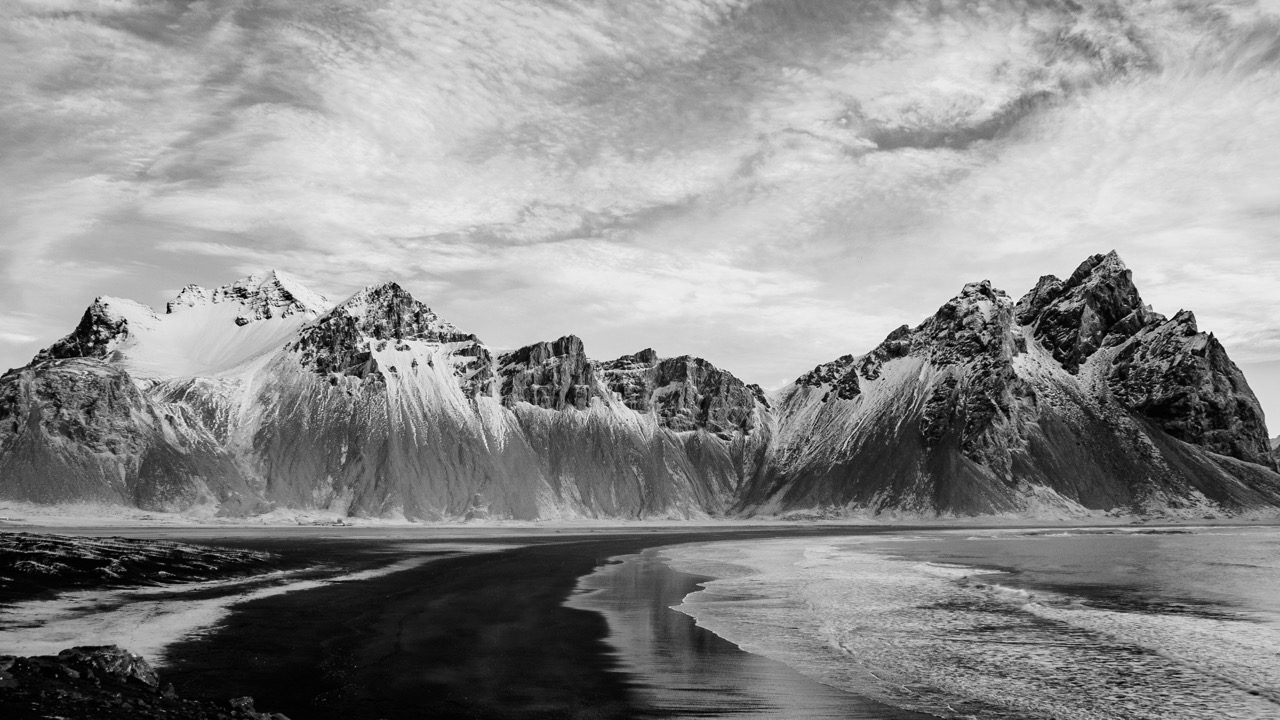
The 850nm IR filter creates the classic high contrast B+W IR effect straight out of camera. This filter is compatible with a full spectrum or lower cutoff IR converted camera. It can also be used with some stock cameras with a long exposure.
930nm Infrared Filter
Captures images with enhanced contrast and fine details not usually visible to the naked eye.
1000nm Infrared Filter
Crafted with the highest quality materials for superior infrared performance and durability.
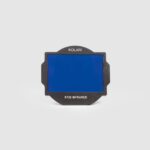
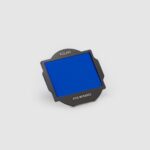
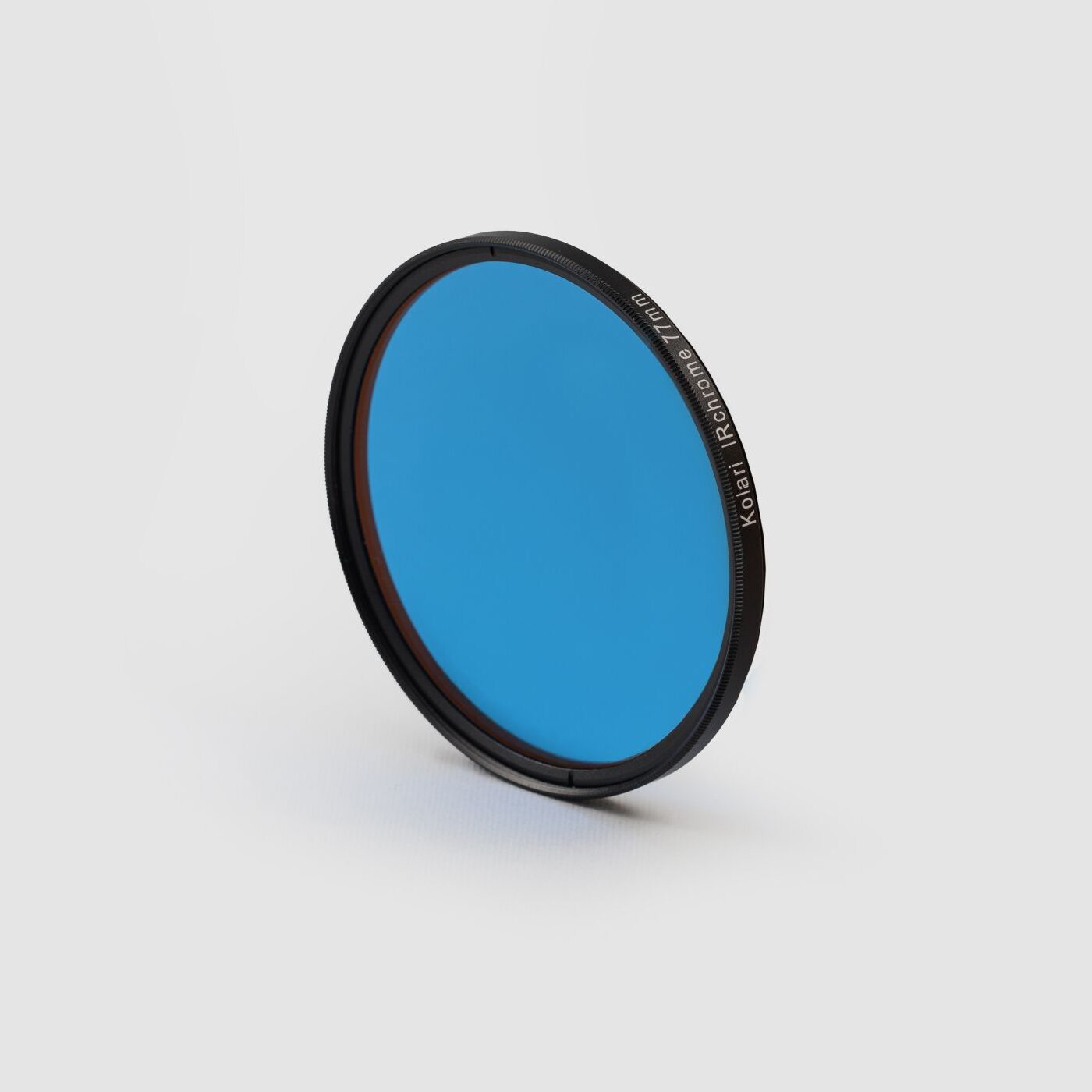
Blue Infrared Filter
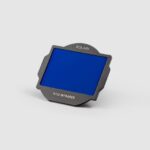
The Blue IR filter can produce vibrant false colors similar to the 590 filter directly in camera without post-processing. This filter transmits both blue and IR, making it useful for NDVI crop analysis. This filter works only with a full spectrum converted camera.












2 reviews for Infrared Clip-in Filter For Nikon Z-Mount – Magnetic
Aaron Ellison (verified owner) –
This is a great addition to the clip-in filter line!
I did a comparison between this new magnetic clip-in UV bandpass filter and the standard (in-front-of-the-lens) UV bandpass filter using a full-spectrum converted Nikon Z8, a 105-mm UV-Nikkor lens, a Nikon FTZ-II adapter for the F-mount lens, and a pair of Kolari full-spectrum flashes.
With identical post-processing (white balance, highlights/shadows) using PhotoNinja (ver. 1.4.0d_avx2) and RawTherapee (ver. 5.12), the results were visually quite close. The clip-in filter also was “brighter” – I could make UV images about 1 stop faster (f16, 1/30s, ISO 400) than with the in-front-of-the-lens filter (f16, 1/30s, ISO 800), probably because the clip-in filter is thinner. The clip-in filter also has a mirror coating on both sides (is it a dichroic filter?) and straight-out-of-the-camera (before post-processing), the image looks more like what I get using a Baader-U Venus filter than what I get using the Kolari UV bandpass (in-front-of-camera) filter. It would be very good to be able to compare the transmission spectra of both the clip-in and the in-front-of-camera filters.
If I were changing filters all the time (between images), I’d probably stick with the in-front-of-the-lens filter. But if I were planning to use UV filters only for extended periods, or for older UV-capable lenses with odd-size filter threads, the magnetic clip-in would definitely be the way to go.
Thanks for adding this to the clip-in line!
Mark Zealor –
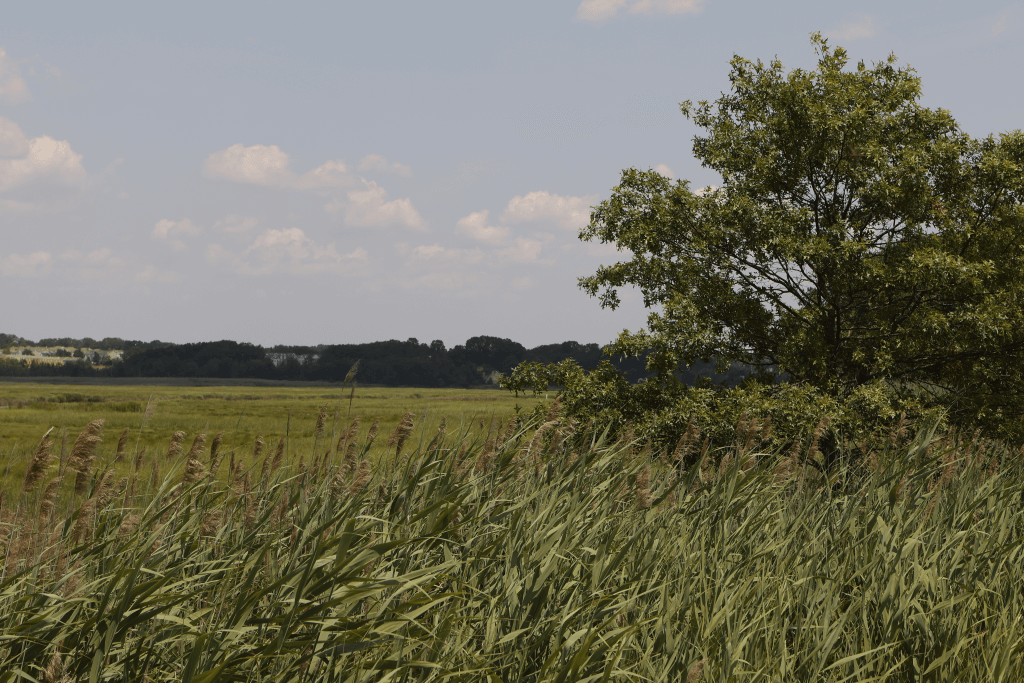
This 850nm IR filter is the perfect addition to my photographic arsenal. Unlike my other IR filters, this one is thin enough to pass much more light to the sensor so that I can use shorter exposures resulting in less motion blur. The filter is easy to install and can be used with my entire lens collection which makes it invaluable from 20mm to 200mm. As with any IR filter, you must color correct the image post process and that is simply a matter of swapping the blue and red channels. Overall, I would highly recommend this filter to anyone who has an interest in IR photography.