I am a Bolivian, nationalized Spanish photographer currently based in England.
I started in traditional photography at the end of 2013, in a transition process in my life in which photography became my partner. During the following years, I dedicated myself to discovering my path within photography, learning and training at the same time. I started traveling, exploring new places, and getting more into the photographic world.
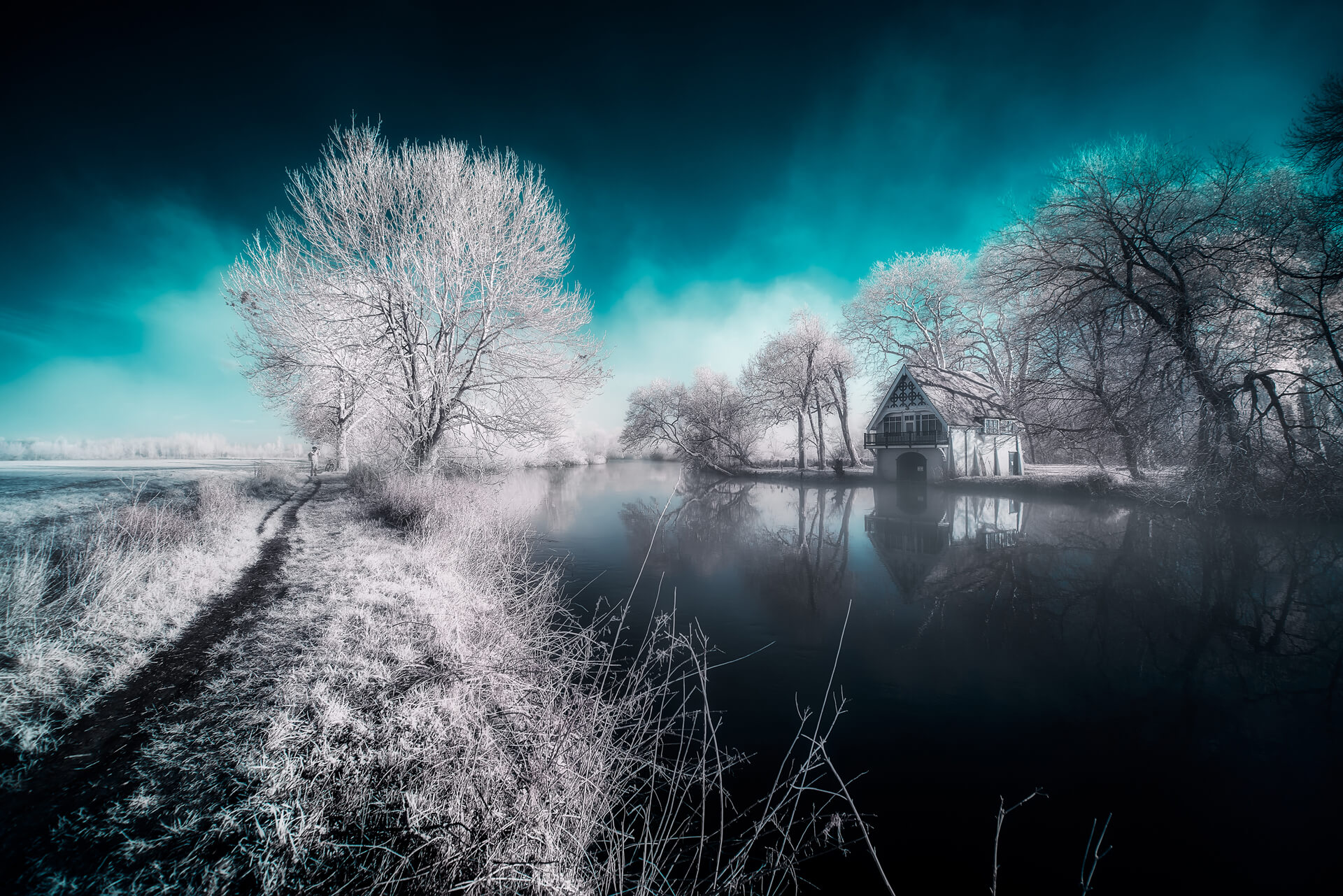
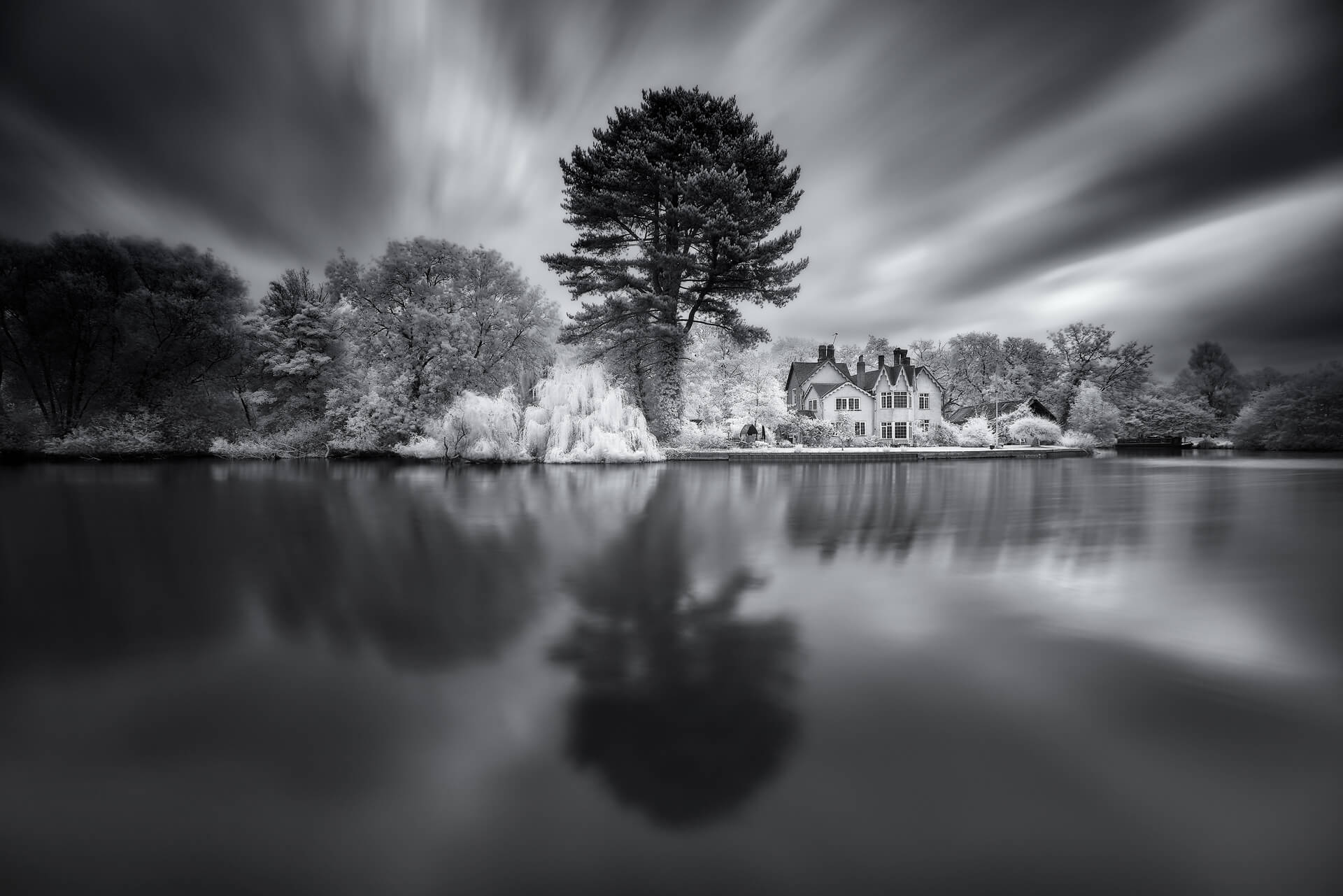
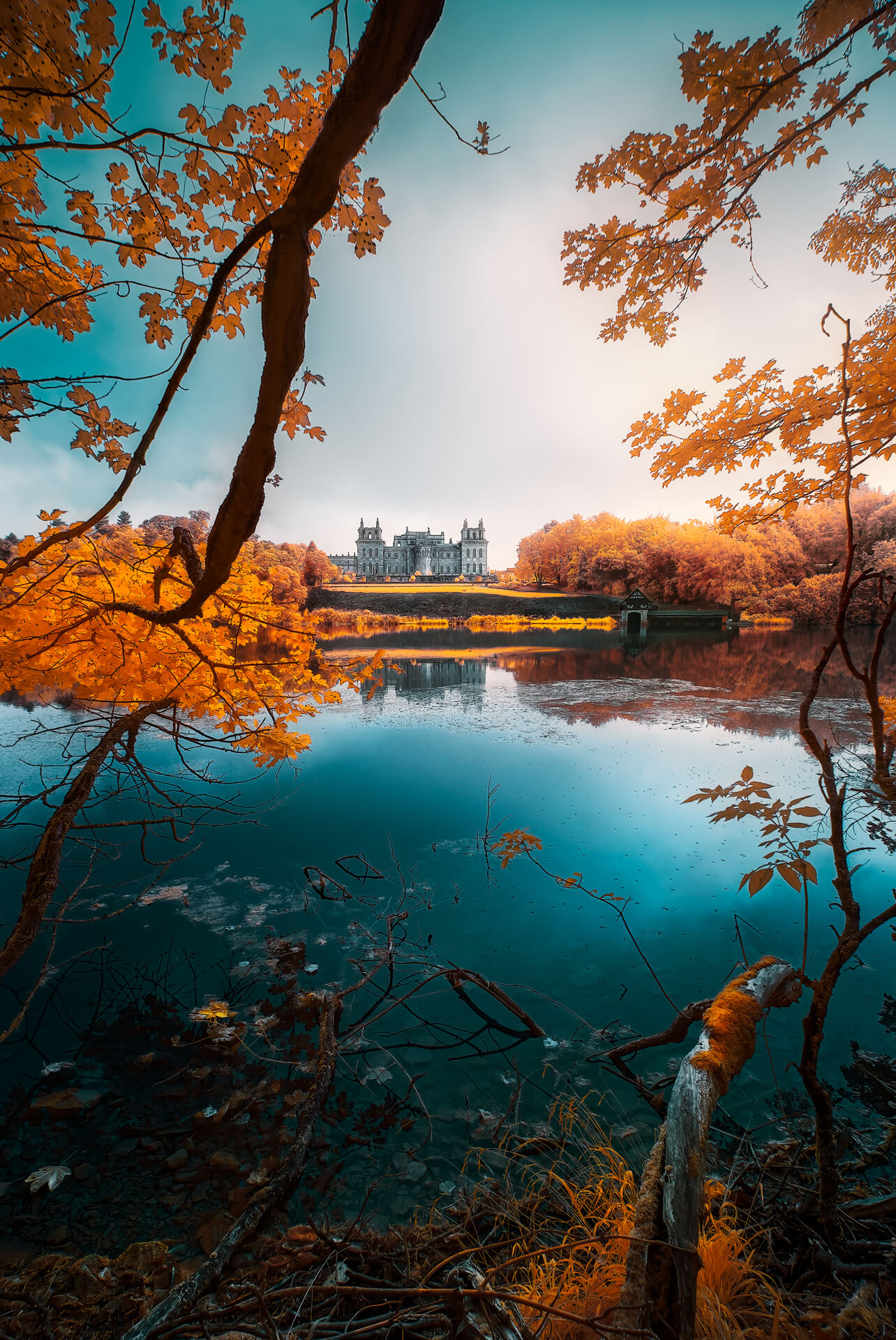
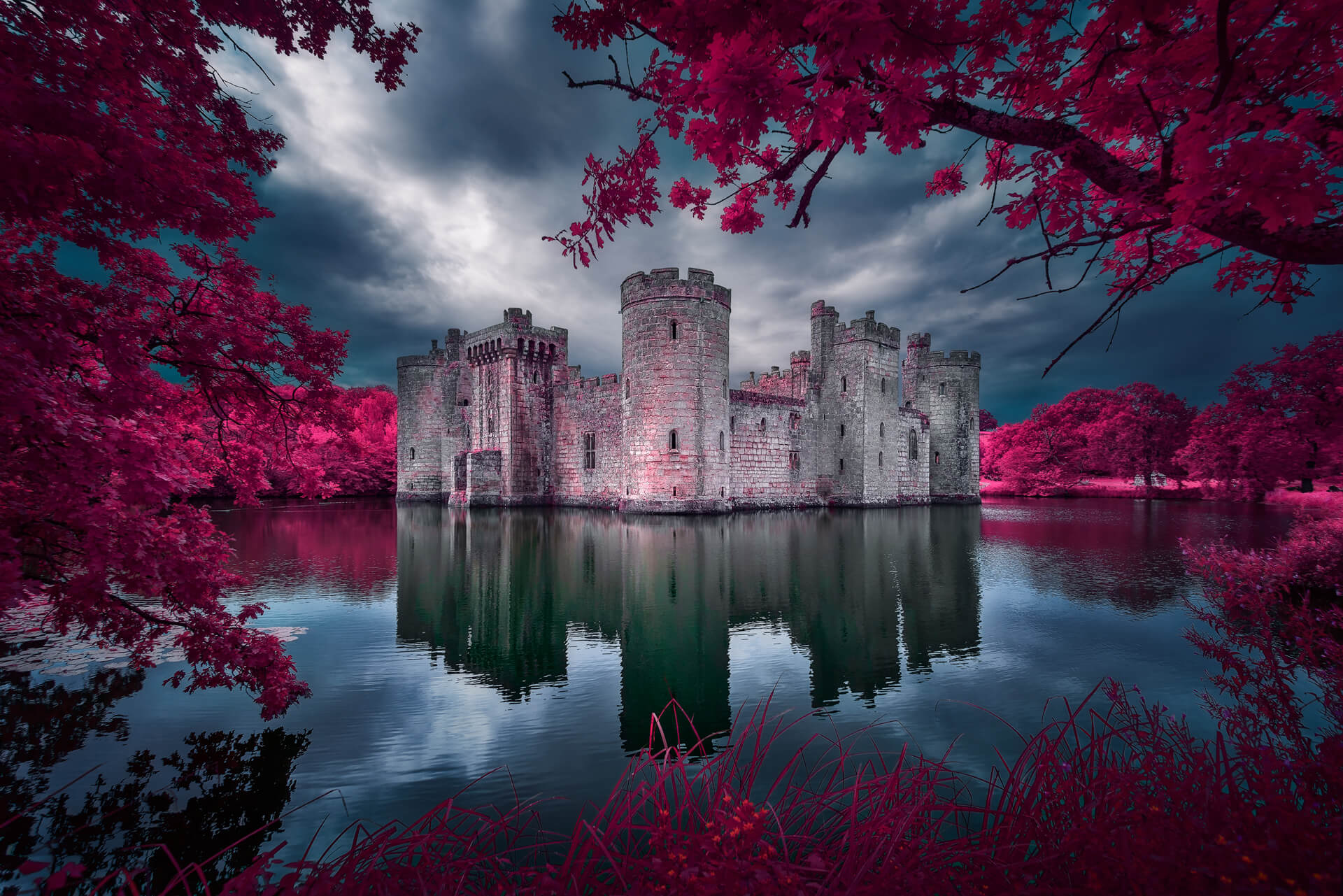
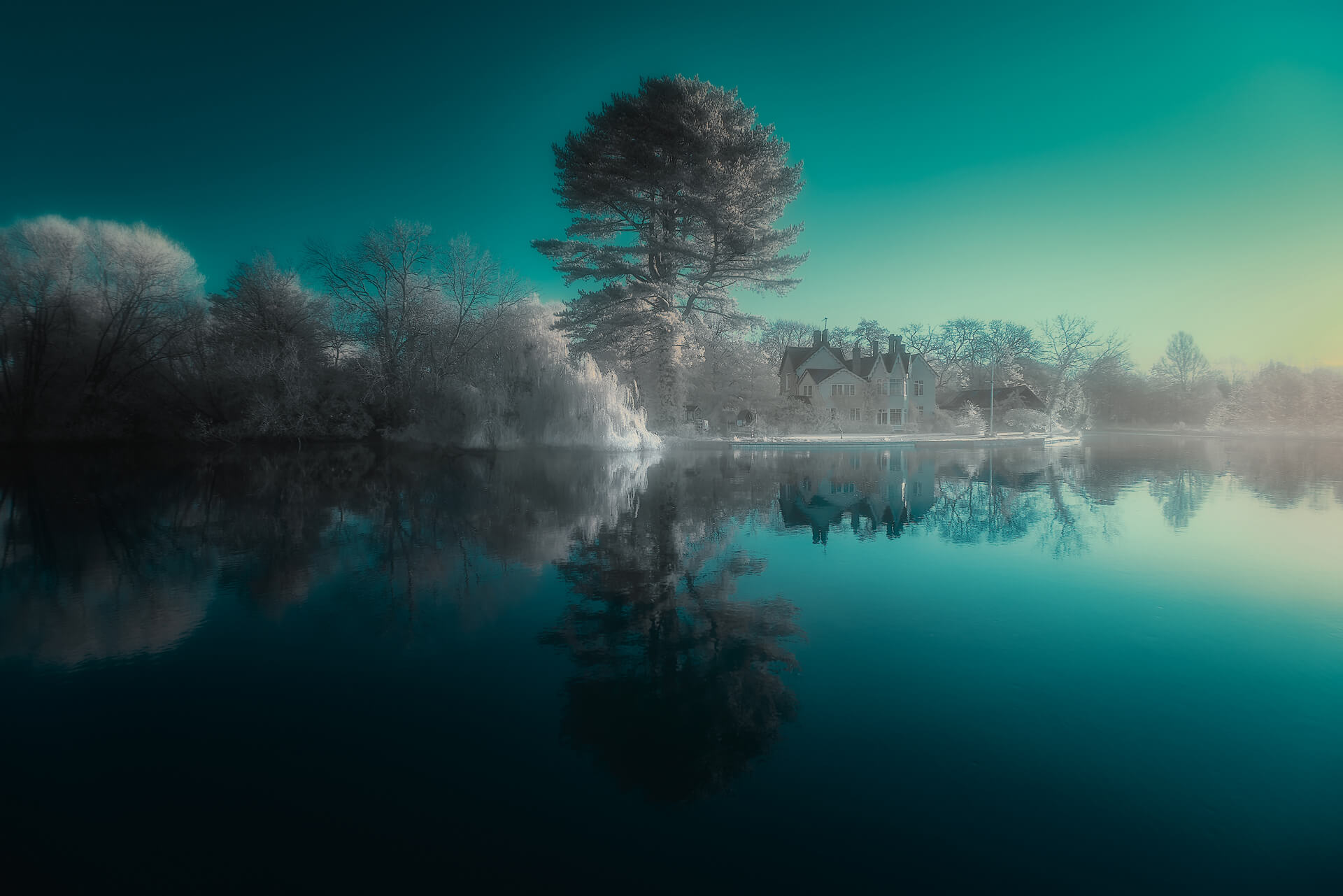
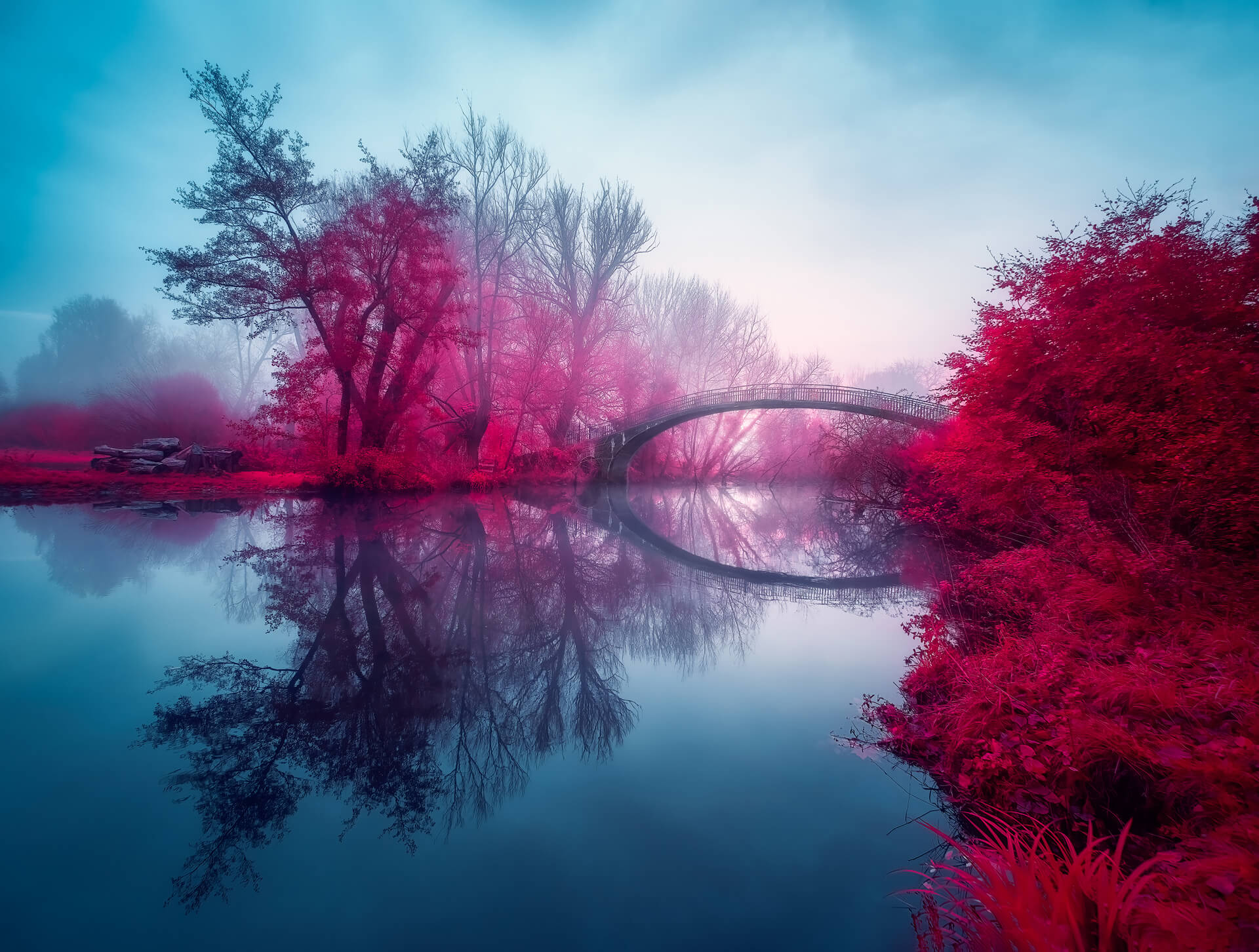
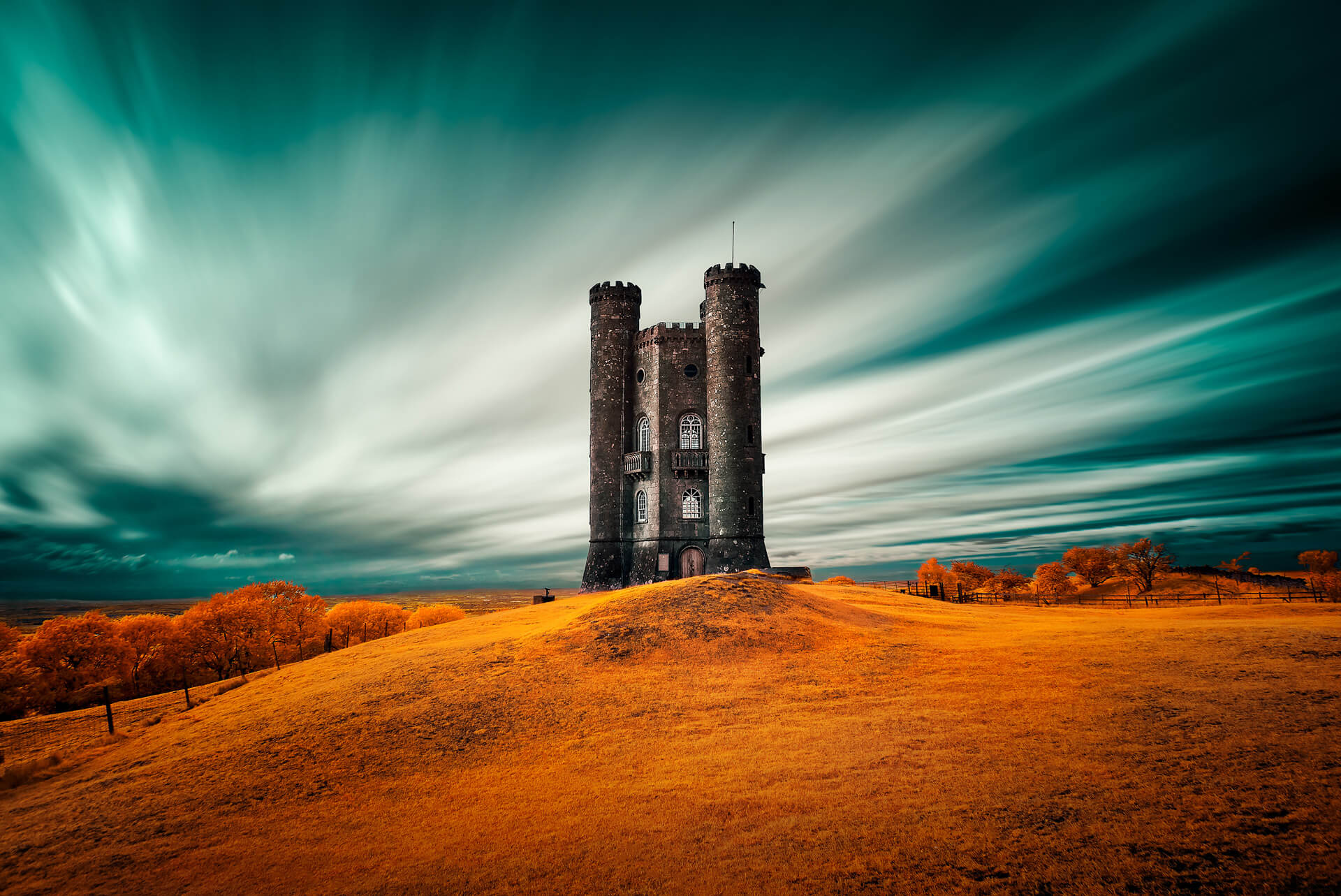
Within my insatiable search for photographic techniques and styles, I discovered infrared photography. By the end of 2019, I had bought a used 590nm infrared-converted camera. The first photos I took were only in this spectrum. My previous experience in landscape photography and composition made my learning process easier. I was able to concentrate on understanding how infrared works, its history and evolution, its application, and its photographic and editing processes.
Moving From 590nm to Full-Spectrum Infrared
In the middle of the pandemic, when many of us were locked up, I experimented with infrared photography with every opportunity I had to leave the house until, little by little, I realized that a camera that only shoots at 590nm was no longer enough for me. I needed more, so I decided to advance to the next level. With Kolari Vision, I took the next step: converting my camera to full spectrum and acquiring a complete set of filters that would allow me to play with the different options.
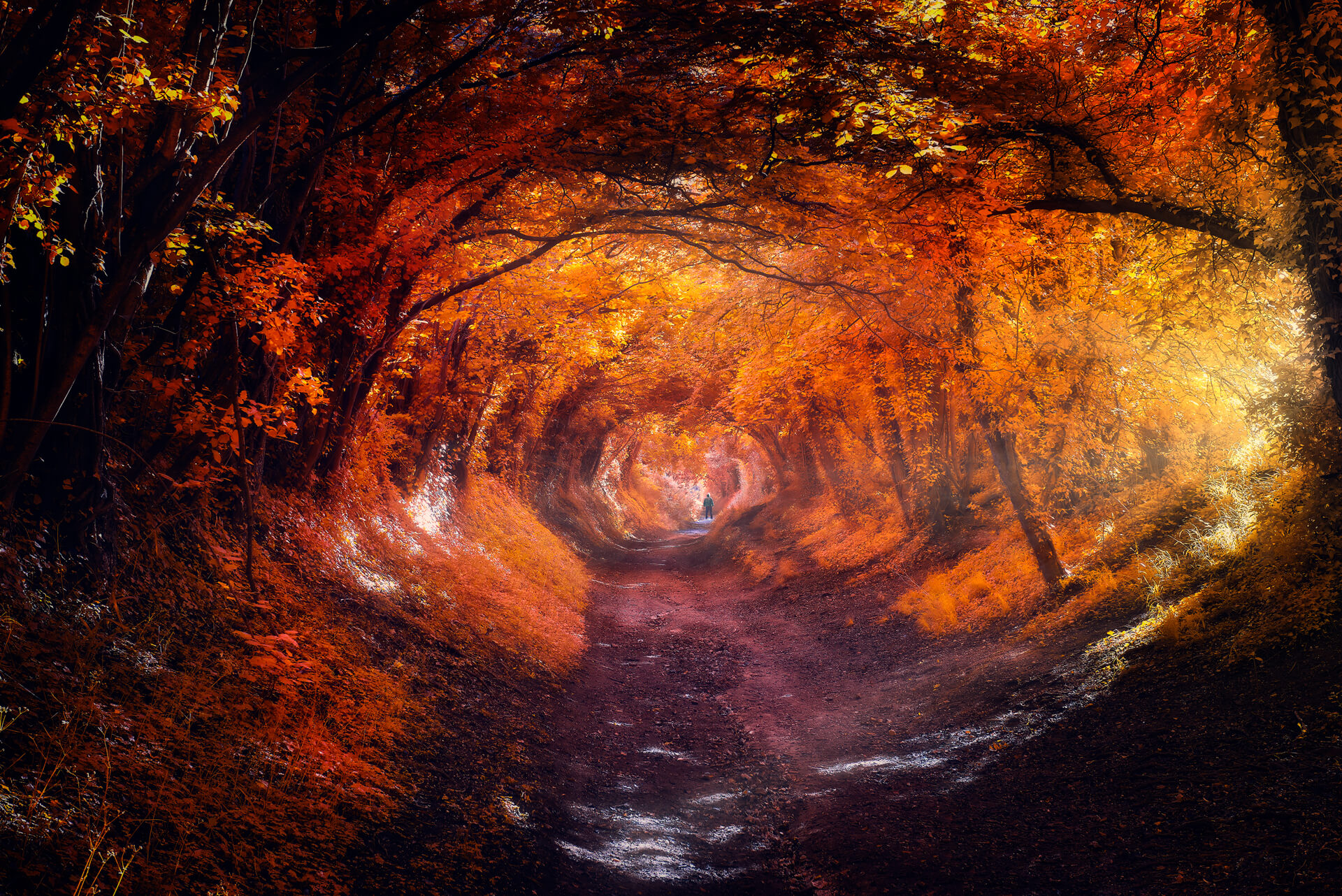
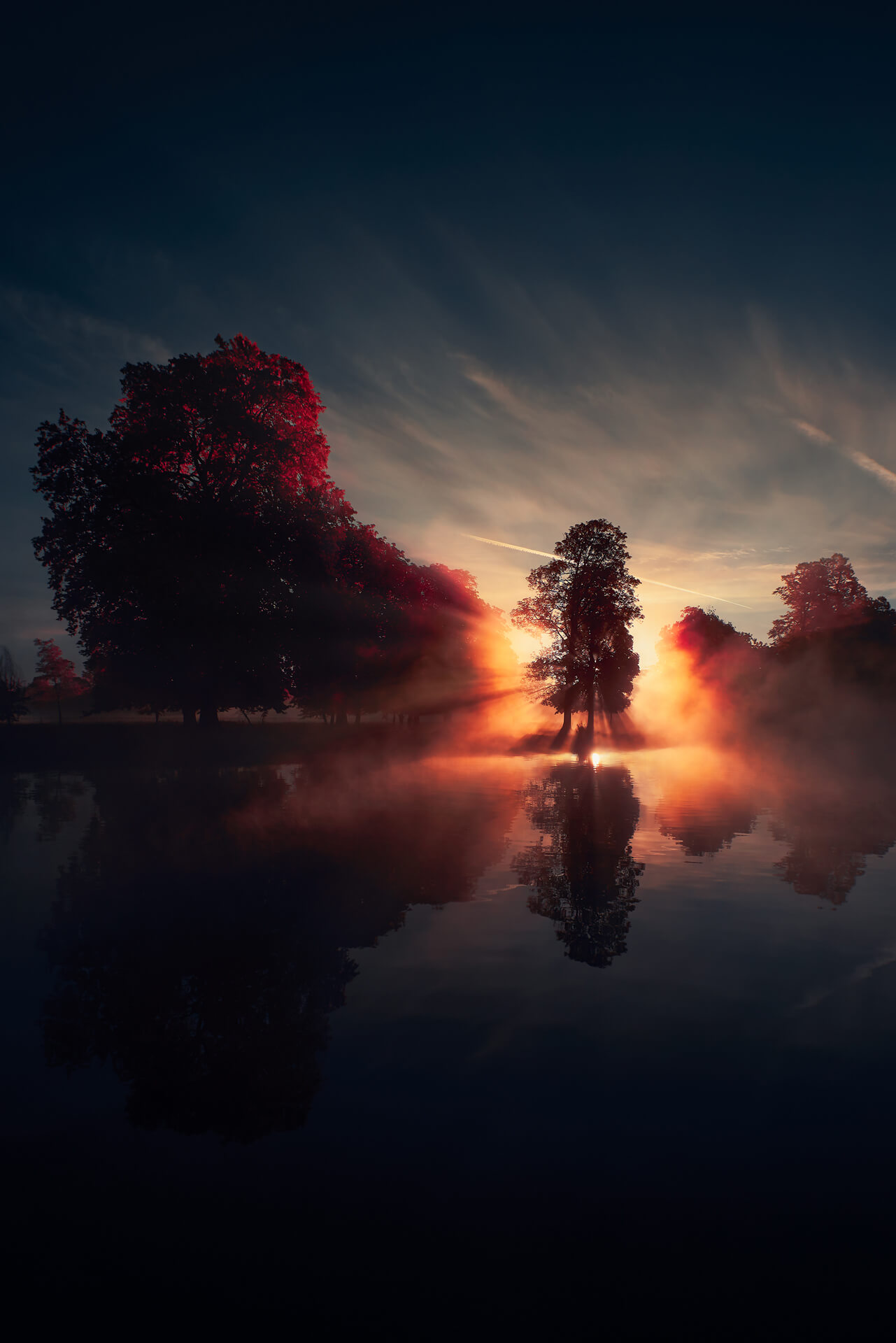
Automatically the range of possibilities opened, and with it, the option of being able to project a reality different from the one we are used to. My way of seeing reality in terms of colors was extraordinary.
I have been working intensively for the last three years in my two photographic styles – traditional landscape and infrared landscape photography. I think they are the ideal complement for me.
I try to have both visions for most of my shots. Most of the time, I travel with both cameras. Still, I have found myself in situations where I must choose what I want to take with me since the routes involve many hours of walking, and carrying heavy equipment with me makes a big difference in the quality of shots at the end of the day.
Introducing Infrared Photography in Latin America
During the last six months, I have been away from home, traveling through South America and working on a new project which I am very excited about. I intend to introduce infrared photography in Latin America to my portfolio.
This is a very little-known style in the places where I have concentrated this year. Traveling through Bolivia, Peru, and Argentina, I always had the opportunity to talk about infrared photography, show how the equipment works, and use various filters. This is definitely a place still unknown, explored, or exploited photographically in infrared.
Infrared Landscapes in Bolivia, Peru, and Argentina
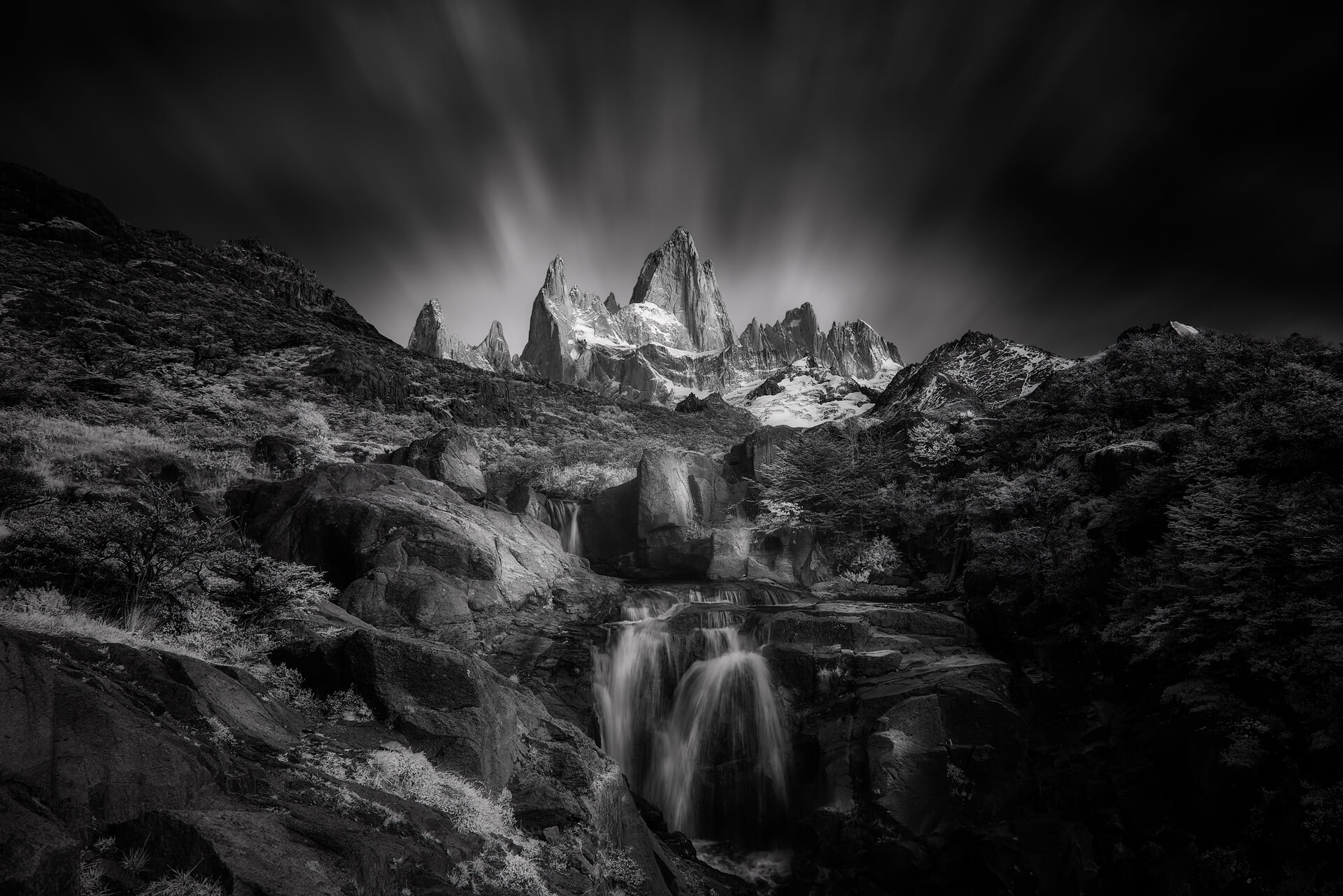
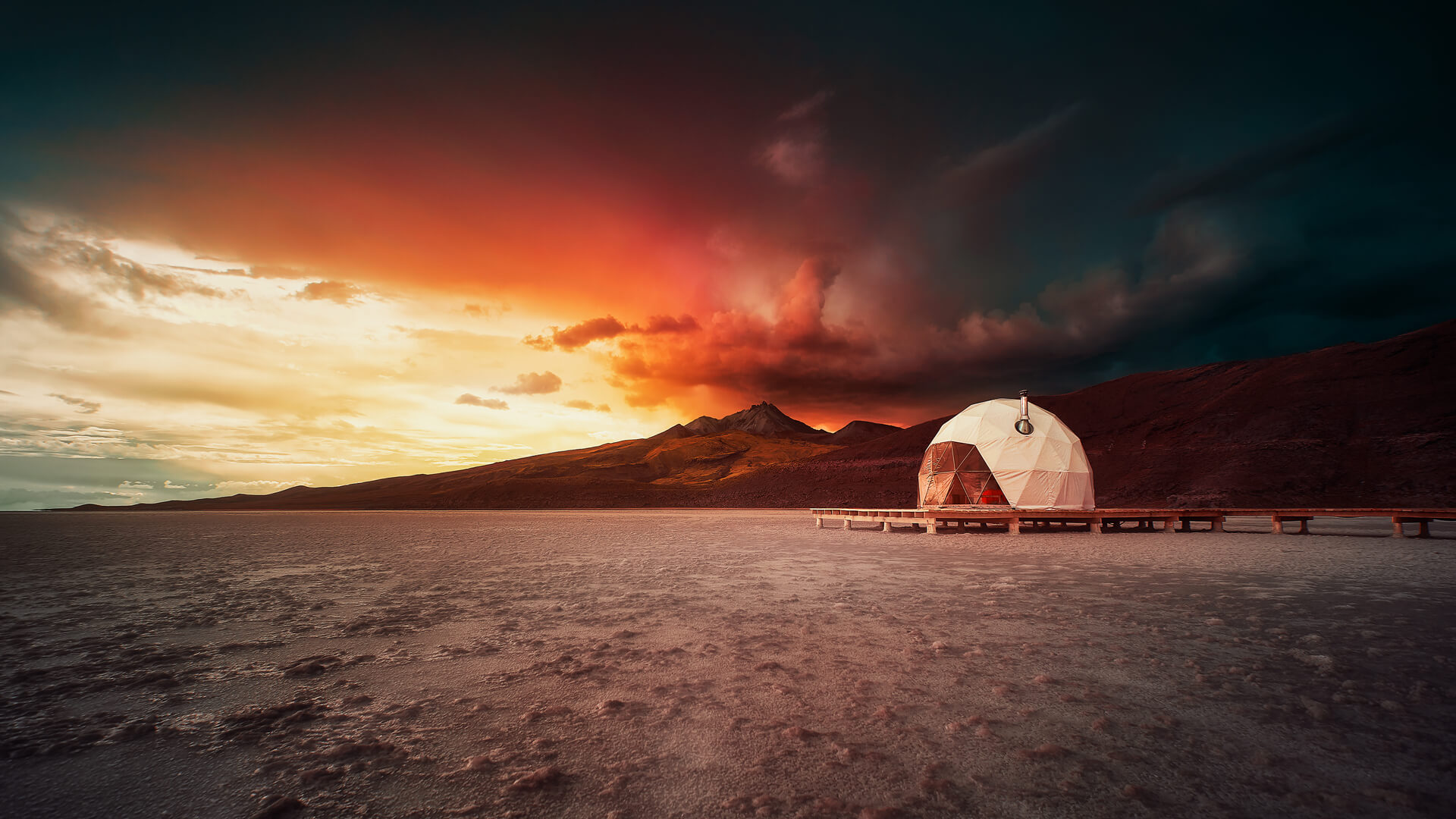
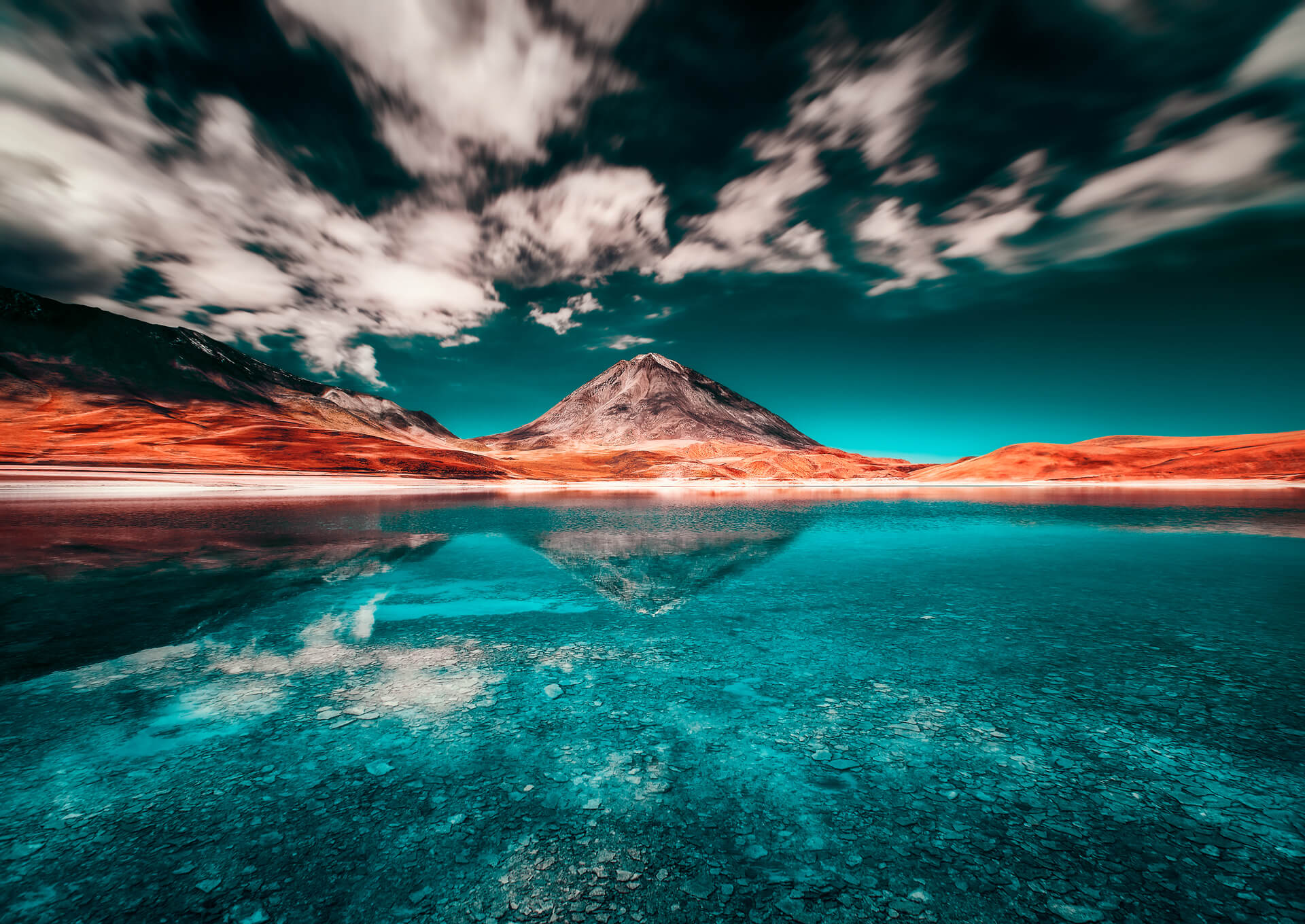
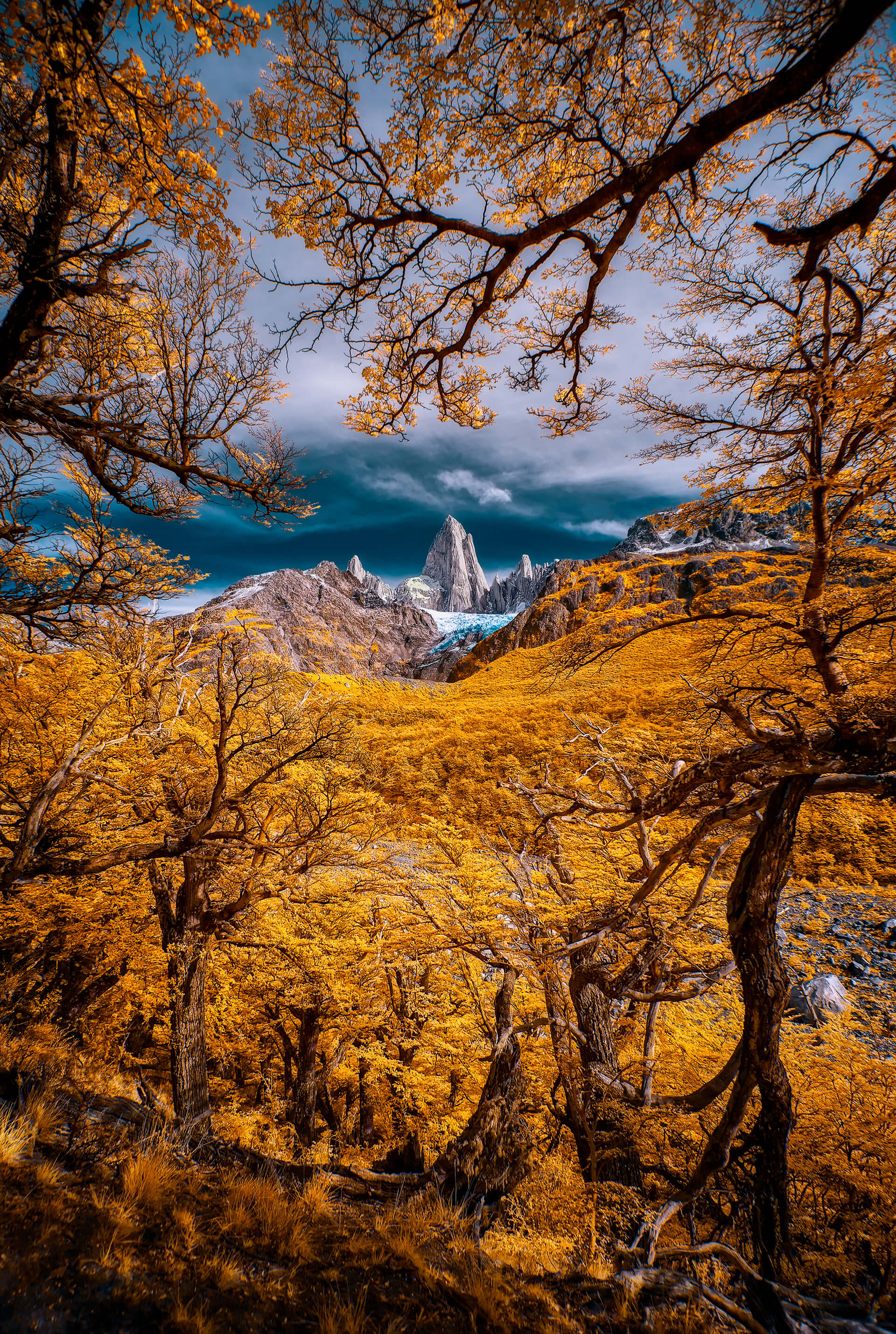
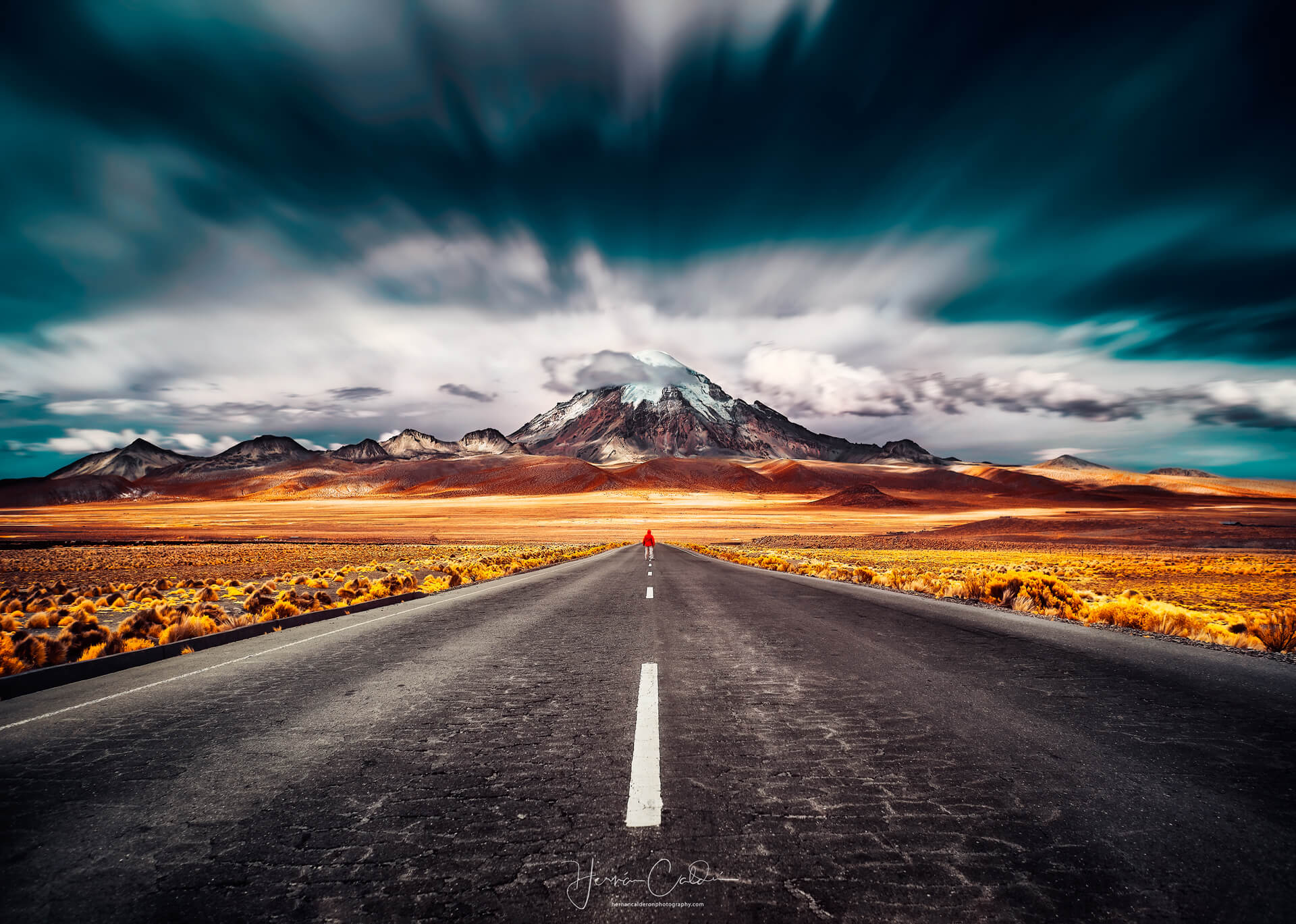
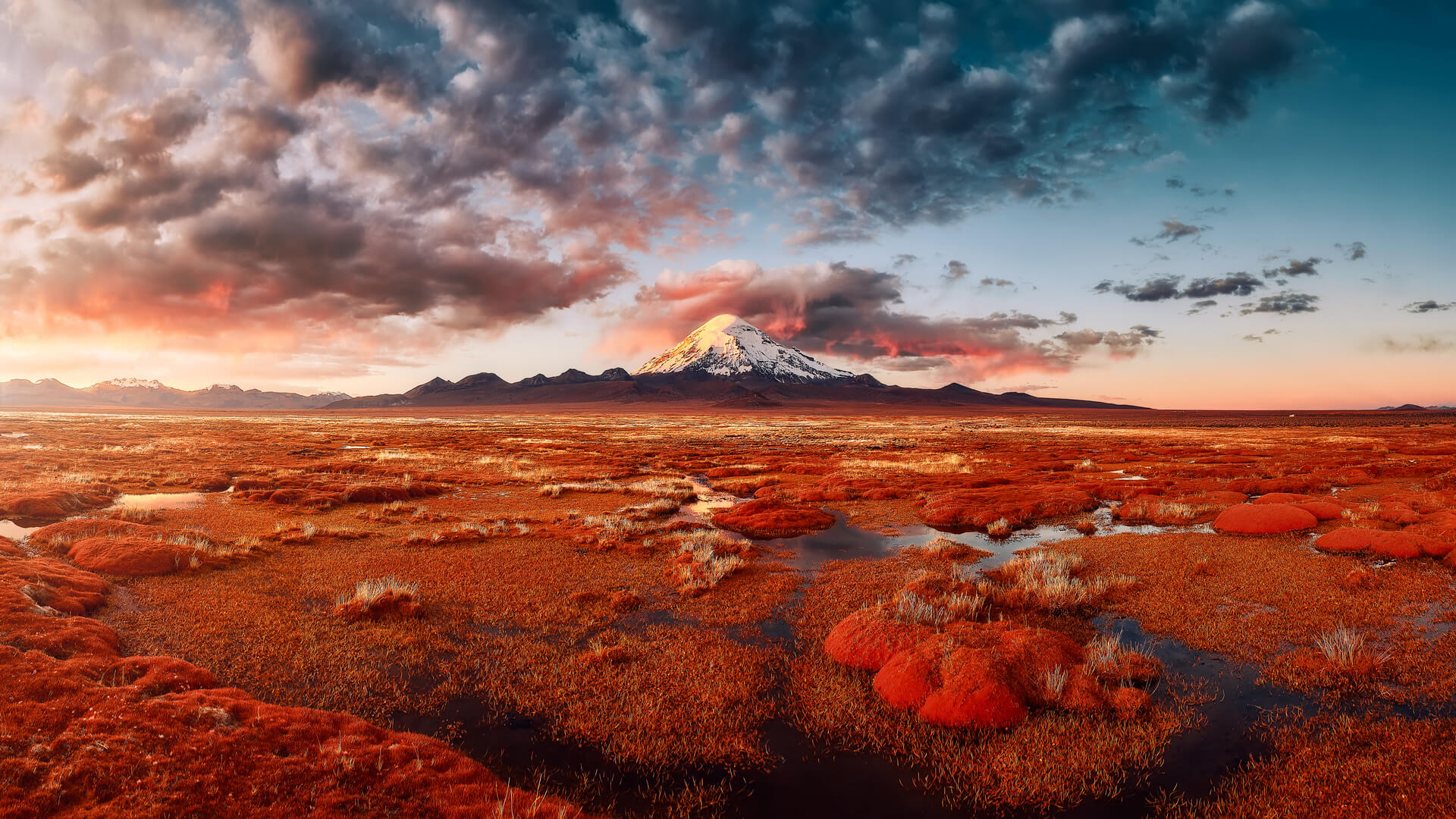
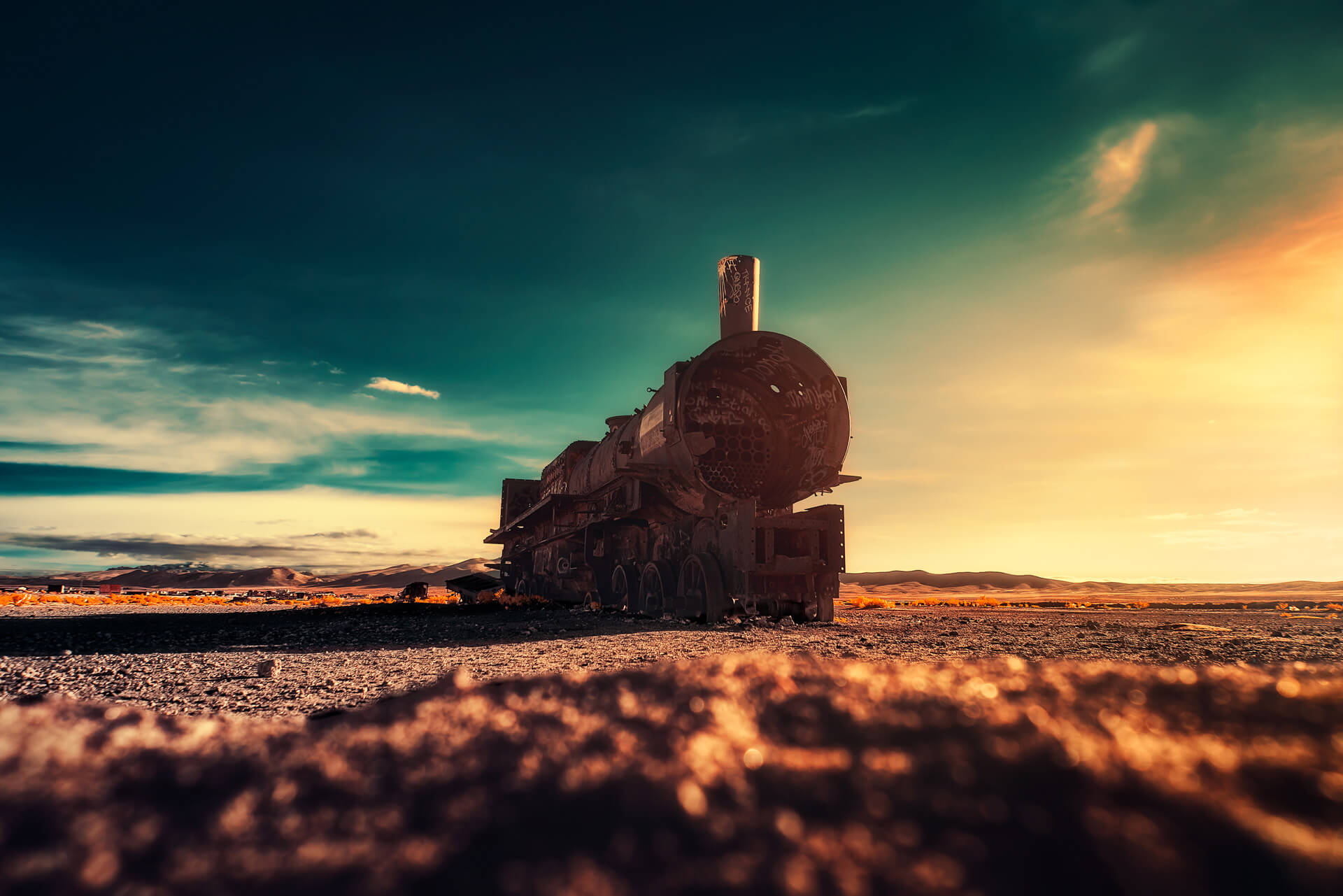
Nature has its charm and is where I concentrate much of my work, and as a landscape photographer, the use of light is very important. Having infrared photography equipment helps me take advantage of light more effectively throughout the day. Taking images of the Salar de Uyuni, the Sajama in Bolivia, Patagonia in Argentina, and the mountain ranges in Peru, in infrared was a unique experience. I was able to show my way of seeing the world through colors that only infrared photography allows me to experiment with – an endless number of possibilities in known places but in unique versions, my version.
Photography is part of my life. I currently occupy part of my time as a photographic guide in Argentina, Bolivia, and Peru through photographic workshops in these destinations. I also offer editing courses, market the prints of my photos, and try to continue exploring different places through my photos.
My Equipment
- Nikon D850
- Nikon 14-24mm f/2.8
- Nikon 16-35mm f/4
- Nikon 24-70mm f/2.8
- Nikon 70-200mm f/2.8
- A polarizing filter, 6-stop ND filter, and 10-stop ND filter from Lucroit
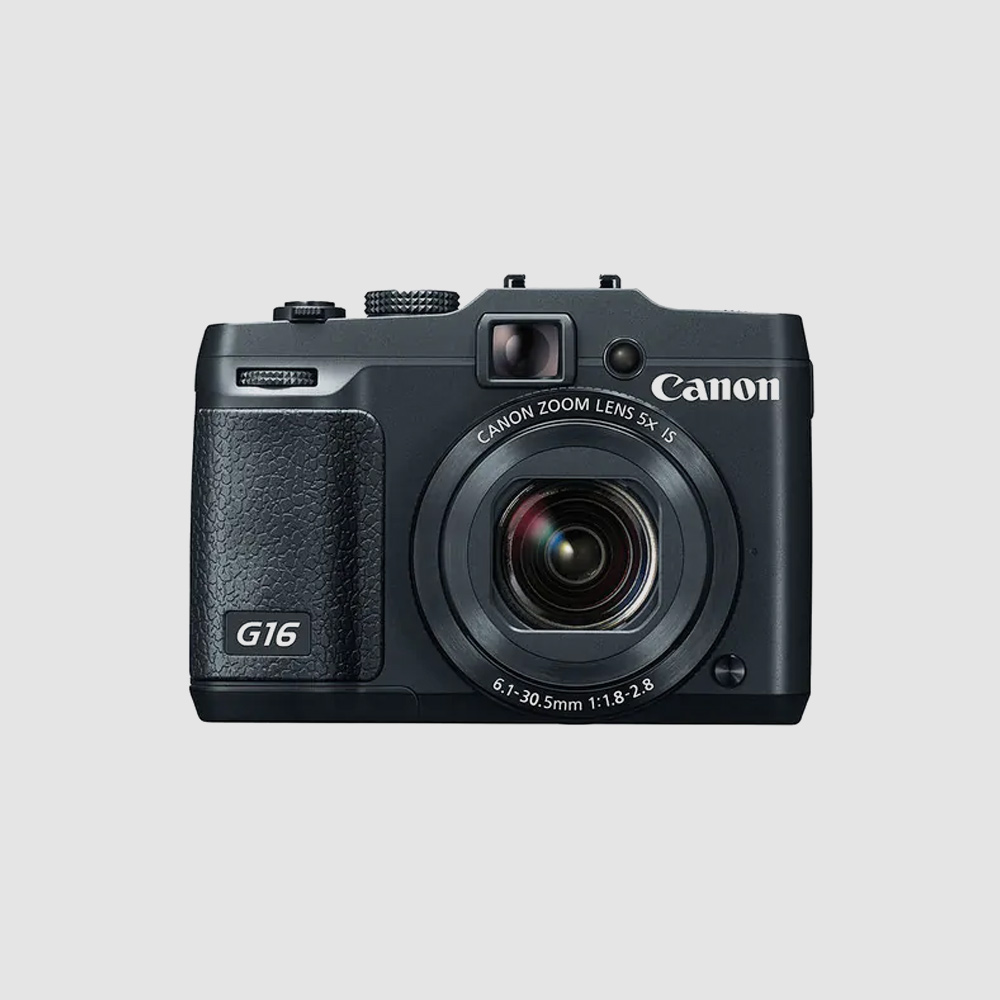
- Nikon D600 converted to Full Spectrum
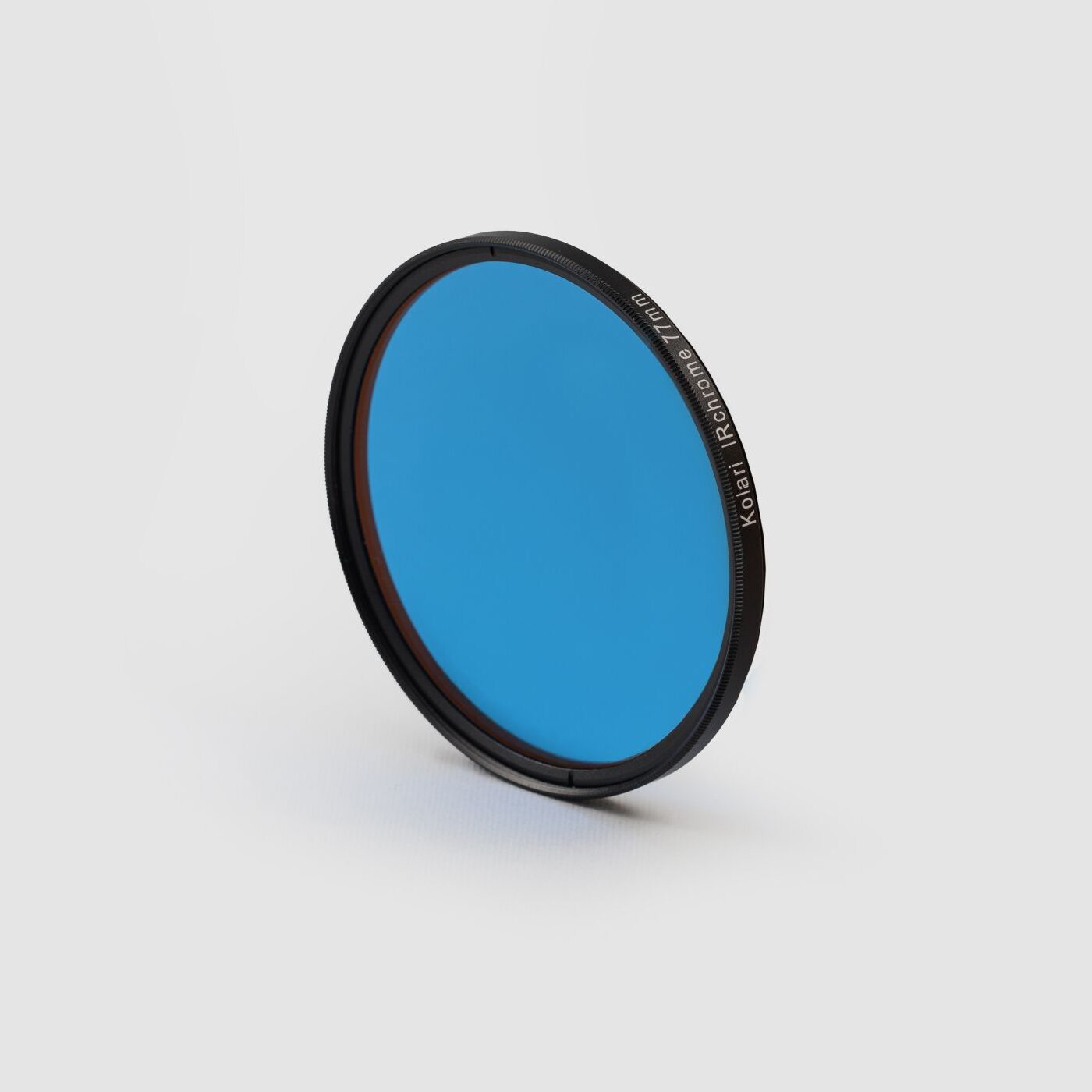
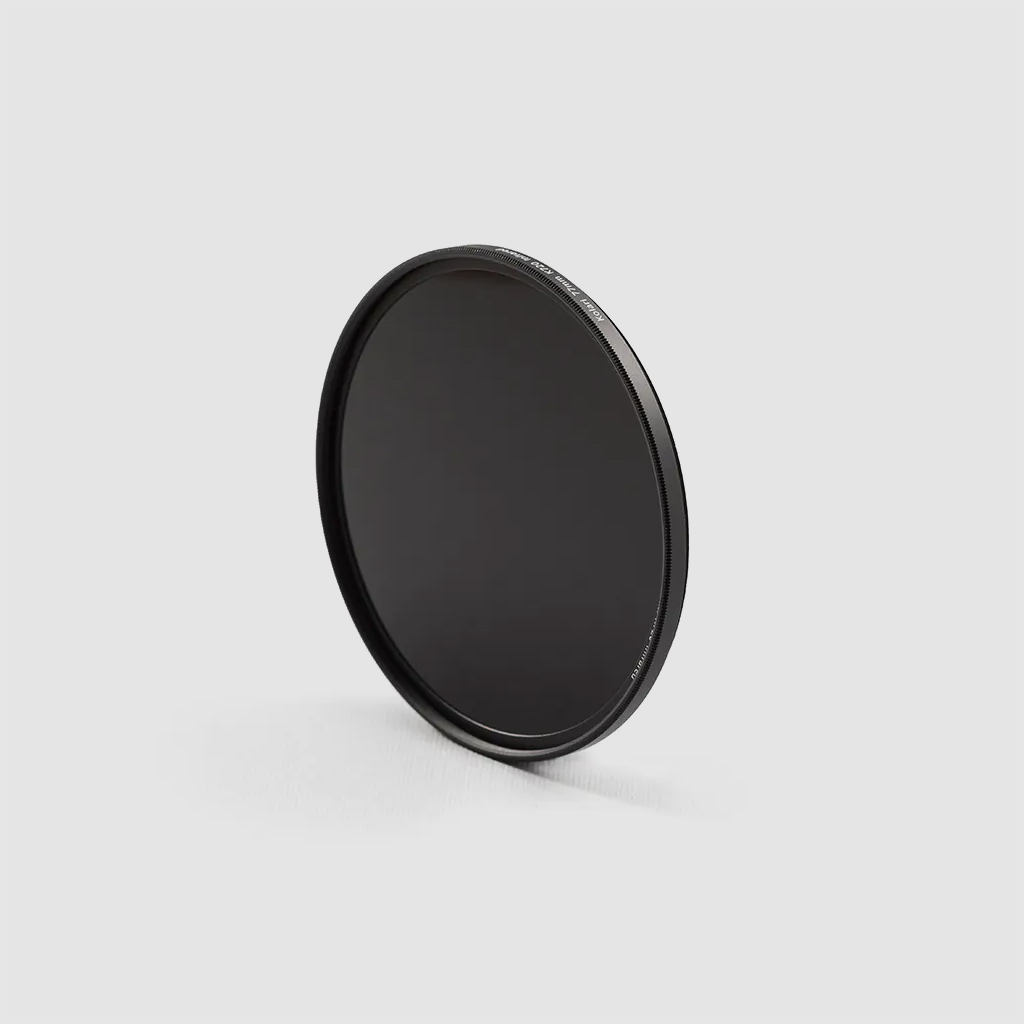
- 550nm, 590nm, 720nm, 850nm, and IR Chrome infrared filters from Kolari Vision
- Kolari Vision 5-stop ND filter
- Sunwayfoto Tripod 3240CM
You can find me and learn more about my work on my website: www.hernancalderonphotography.com
Hernan Calderon Velasco Infrared Photography FAQs
Who Is Hernan Calderon Velasco?
Hernan Calderon Velasco is a Bolivian, nationalized Spanish photographer currently based in England. In the Kolari feature, he describes photography as a partner during a life transition that began around the end of 2013.
How Did Hernan Calderon Velasco Start Infrared Photography?
He discovered infrared photography while searching for new photographic techniques and styles. By the end of 2019, he bought a used 590nm infrared-converted camera, then focused on understanding IR history, application, shooting, and editing processes.
Why Did Hernan Move To A Full-Spectrum Camera?
During the pandemic, Hernan realized that a camera limited to 590nm was no longer enough for his creative goals. He then converted a camera to full spectrum with Kolari Vision and added multiple filters to expand his infrared possibilities.
Where Does Hernan Use Infrared Landscape Photography?
The article mentions his infrared work in Salar de Uyuni, Sajama in Bolivia, Patagonia in Argentina, and mountain ranges in Peru. He also says he is working to introduce more infrared photography into his Latin America portfolio.
What Gear Does Hernan Calderon Velasco Use?
His listed gear includes a Nikon D850, Nikon wide-angle and telephoto lenses, Lucroit polarizing and ND filters, a Nikon D600 converted to full spectrum, and Kolari 550nm, 590nm, 720nm, 850nm, IR Chrome, and 5-stop ND filters.