Have you ever tried taking a picture of your computer screen with your phone, and it comes out like the picture above? Those weird, discolored waves all over the image are known as moiré.
What Causes Moiré and Aliasing in Photos?
Moiré is caused by high-frequency repetitive patterns. Some camera sensors struggle to record the details of these patterns correctly. As a result, it creates strange bands of color in your images.
Not many photographers are going around photographing computer screens with their cameras, but, more practically, moiré can show up on things like textiles or architecture. The fine lines and details of these subjects can prove to be a big problem for fashion and architecture photographers. Thankfully, most DSLR cameras have an anti-aliasing filter to remove this issue.
What is an anti-aliasing filter?
How Anti-Aliasing Filters Reduce Moiré
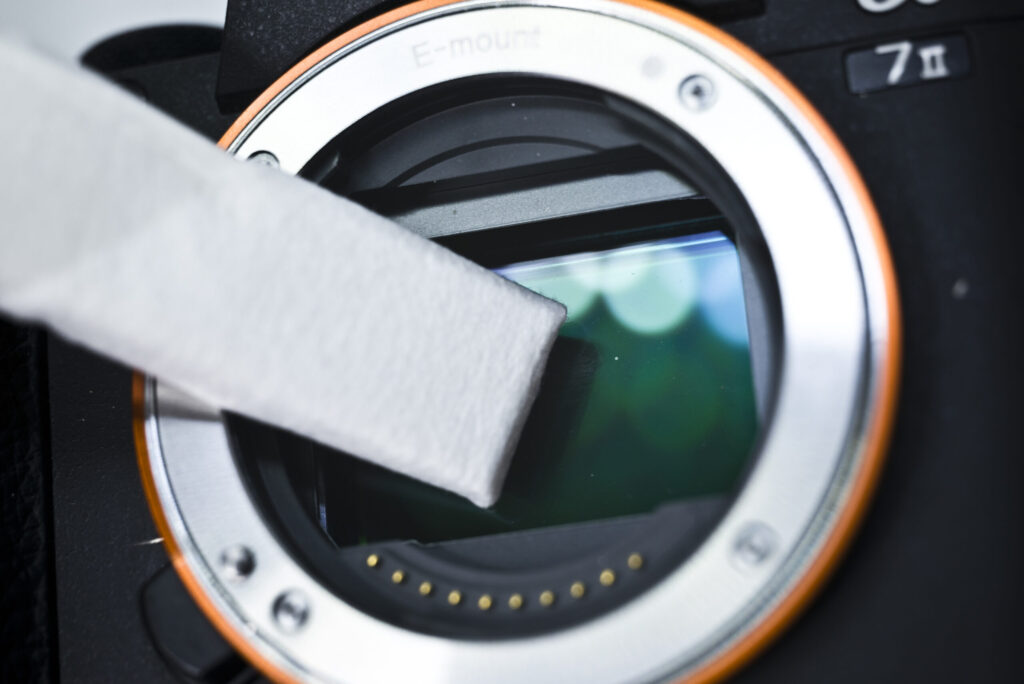
Well, it’s a filter that sits above your camera’s sensor and slightly softens your images, blurring the lines between the high-frequency patterns. This blur of detail in your pictures lowers the frequency to a level your sensor can adequately handle.
Why Some Cameras Remove Anti-Aliasing Filters
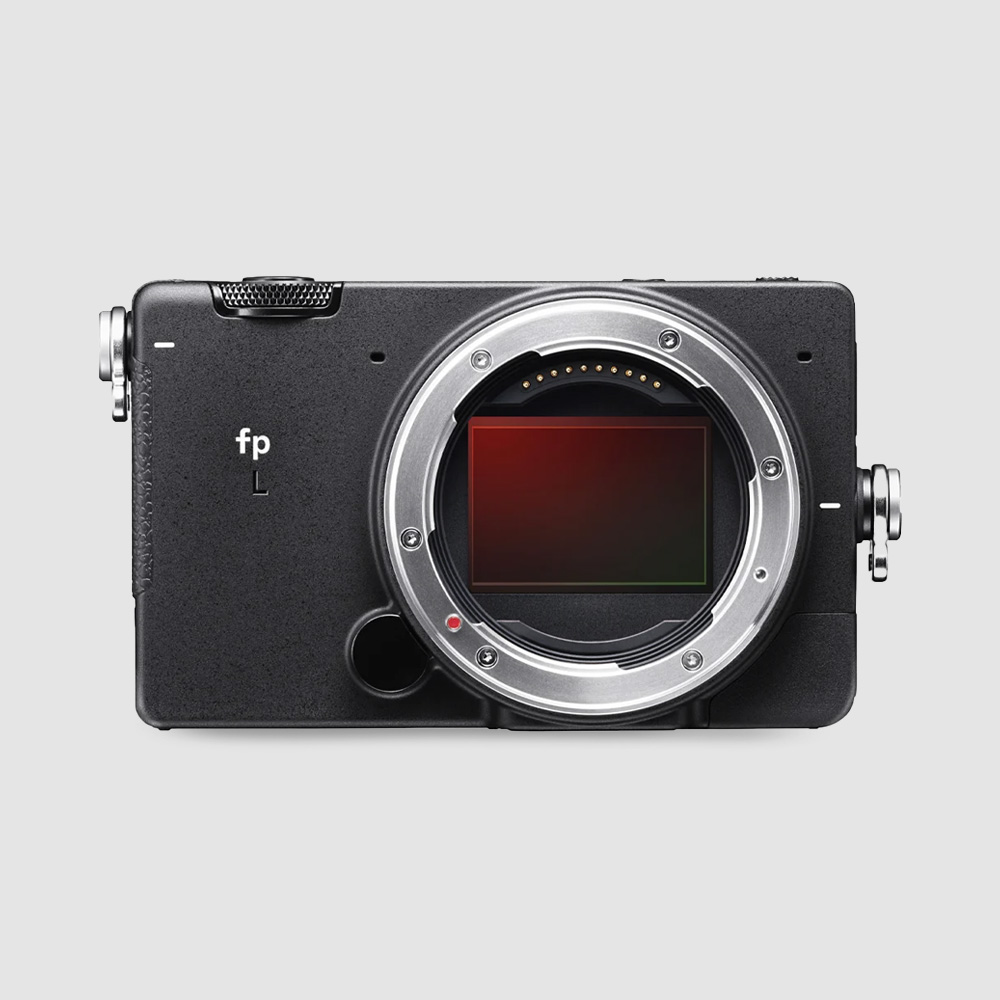
Interestingly, many photographers are willing to risk possible aliasing and moiré for more image sharpness. Because of this, many camera manufacturers have removed anti-aliasing filters and increased image resolution on their latest digital cameras, which allows them to capture high-frequency patterns cleanly while reducing the chance of moiré. If you encounter aliasing in your images, post-processing can usually rectify this. Photo editing programs such as Lightroom and Capture One Pro have even added a moiré adjustment slider to make this easy.
Anti-Aliasing Filter vs OLPF vs UV/IR Cut Filter
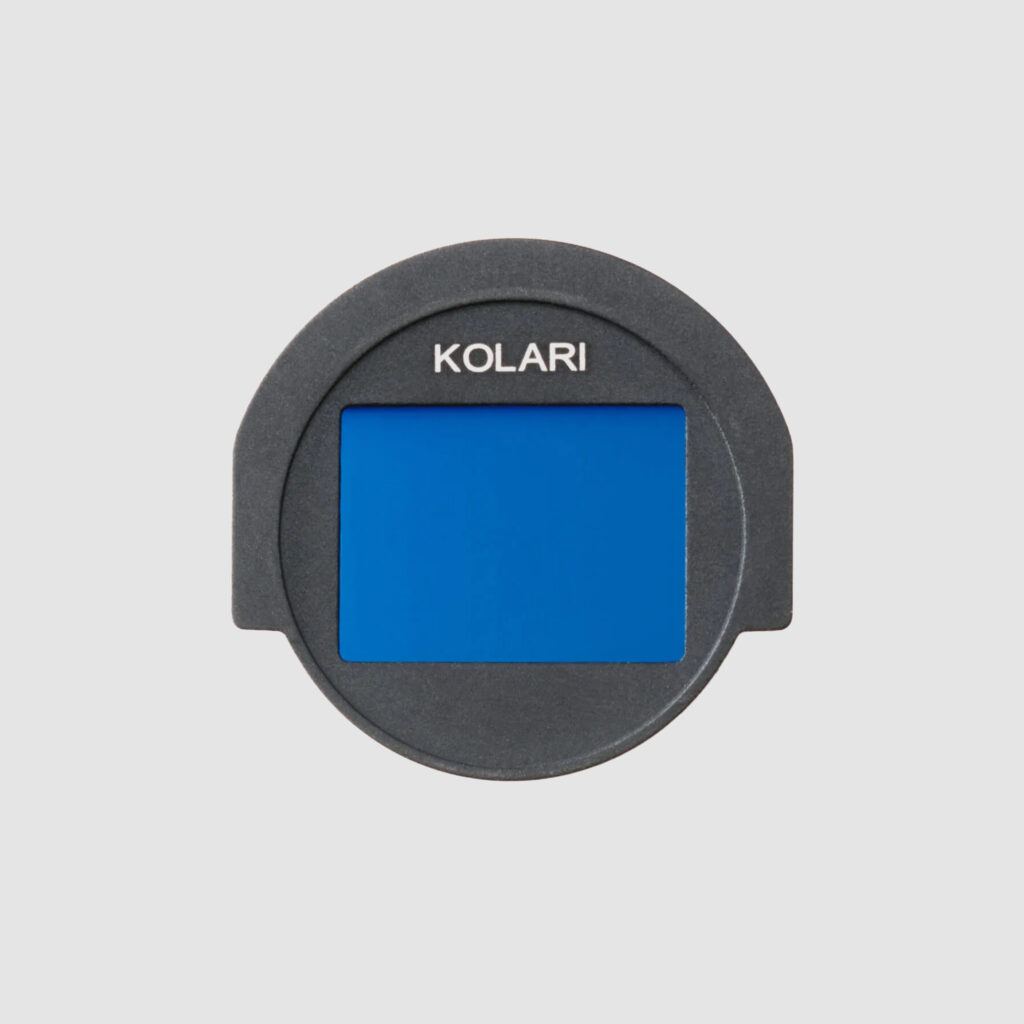
If your camera doesn’t have an anti-aliasing filter, you may hear some people say that there is no OLPF. Don’t confuse this with thinking your camera can shoot in infrared. An anti-aliasing or AA filter is often commonly referred to as an optical low pass filter (OLPF), but when talking about infrared photography, it is important to note that these two filters are not exactly synonymous. A camera’s OLPF is a sandwich containing many different layers.
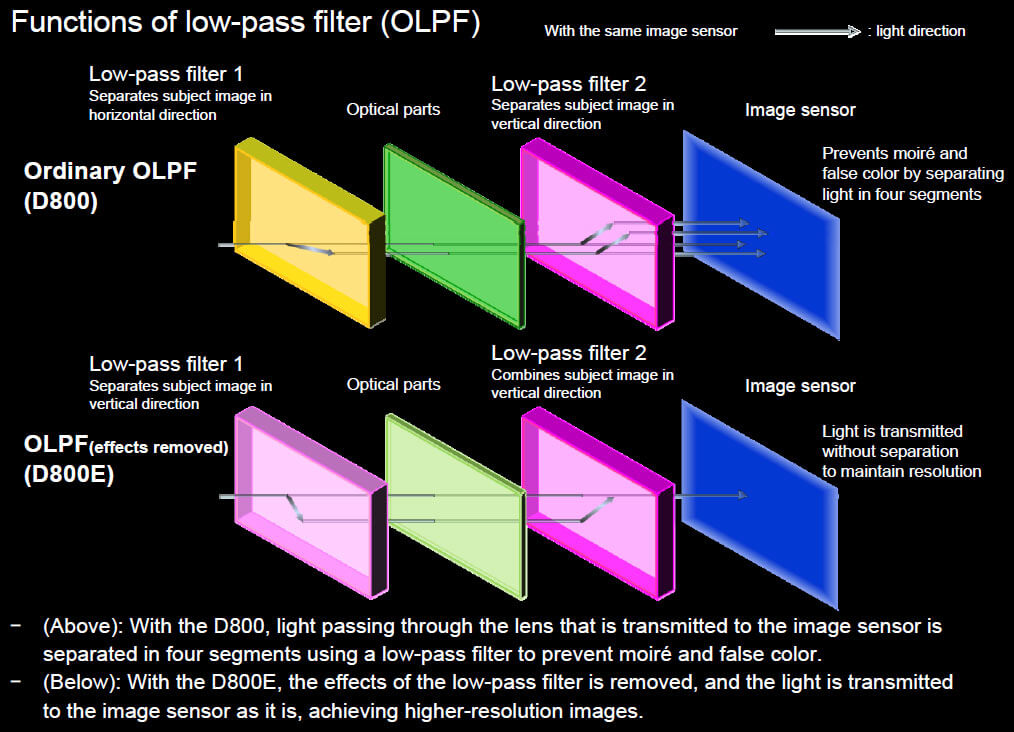
A primary component of the OLPF is the UV/IR cut hot mirror, which allows a stock camera to pass only visible light. The AA filter may be a separate layer in the OLPF stack or a coating applied to another layer. Unless your camera has been converted for infrared photography, it still has a UV/IR cut hot mirror.
Can Stock Cameras Still Shoot Infrared?
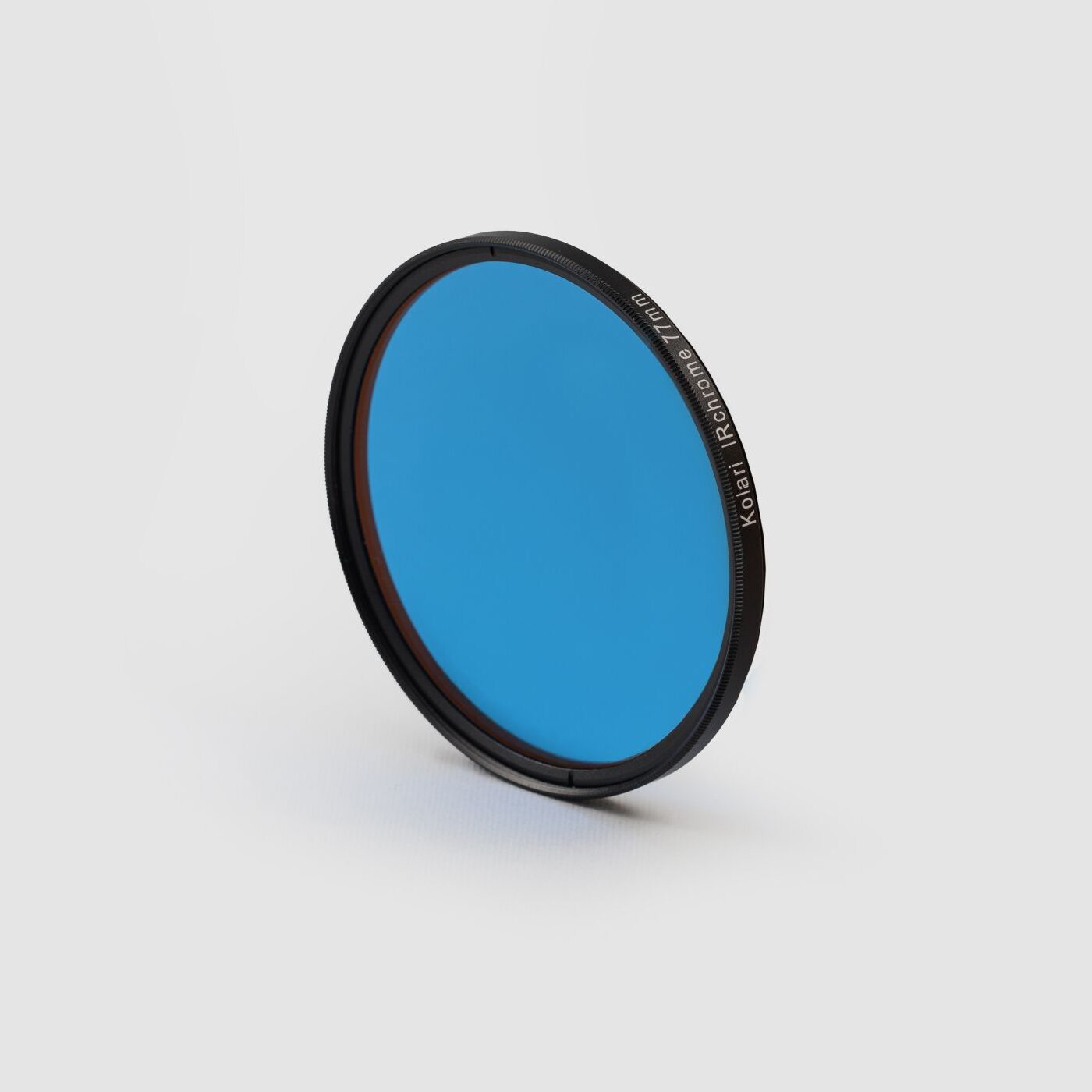
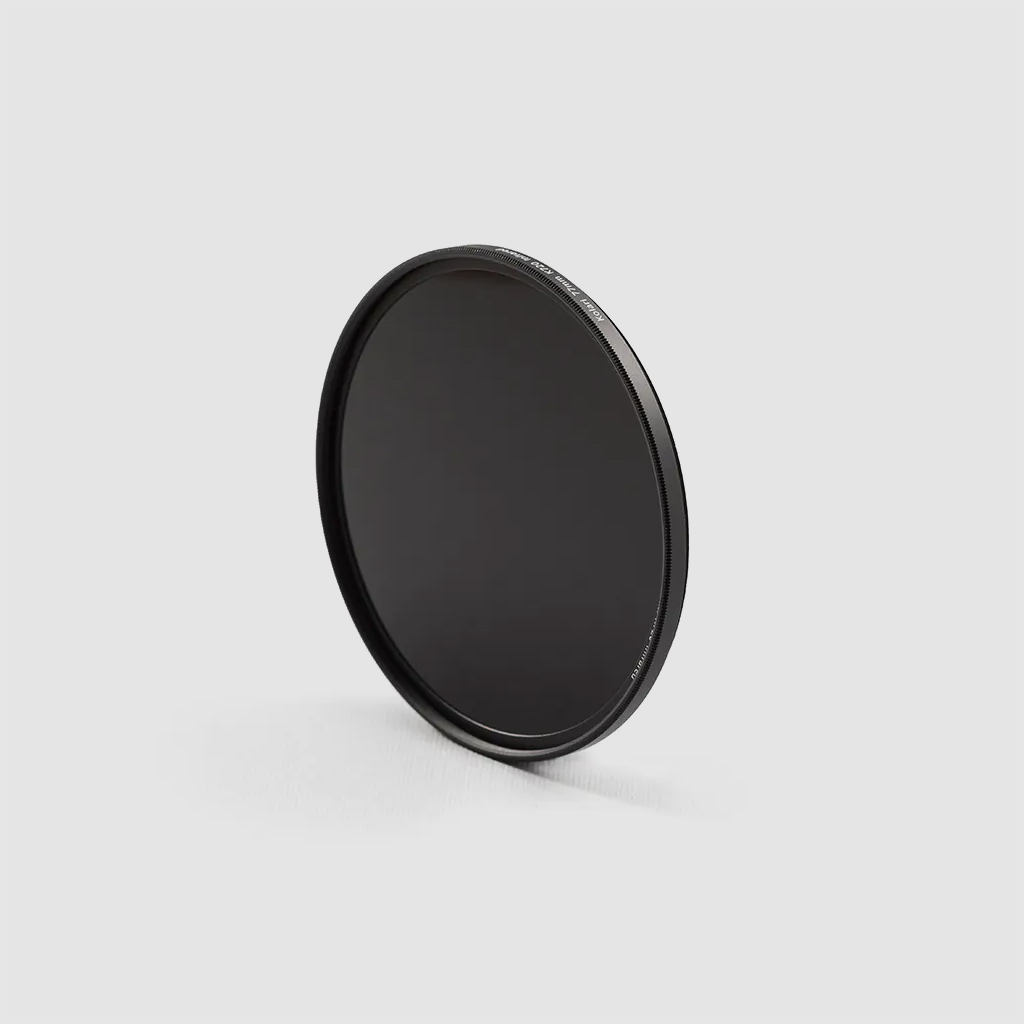
If you’re interested in trying out IR photography but aren’t ready to convert your camera yet, a stock camera can shoot in 720nm and 850nm when using the appropriate filters in addition to a tripod and a very long exposure.
For more photography articles, check out our Education section, and be sure to sign up for our newsletter to stay up to date on new releases.
Anti-Aliasing Filter FAQs
What Is An Anti-Aliasing Filter In A Camera?
An anti-aliasing filter, also called an AA filter, sits above the camera sensor and slightly softens the image. This helps blur extremely fine repetitive detail so the sensor can record it more accurately without creating strange color bands or moiré patterns.
What Causes Moiré In Photography?
Moiré is caused by high-frequency repetitive patterns that a camera sensor struggles to record correctly. It can appear as strange waves, bands, or color patterns, especially in subjects like computer screens, textiles, fine fabrics, and architecture.
Why Do Some Cameras Not Have Anti-Aliasing Filters?
Some cameras remove or weaken the anti-aliasing filter to increase image sharpness. The tradeoff is that the camera may have a higher risk of aliasing or moiré, although higher-resolution sensors and post-processing tools can help reduce the issue.
Is An Anti-Aliasing Filter The Same As An OLPF?
Not exactly. An anti-aliasing filter is often referred to as an optical low-pass filter, but the article explains that a camera’s OLPF is usually a layered filter stack. The AA filter may be one layer or coating inside that stack, while the UV/IR cut hot mirror is another important layer.
Can A Camera Without An Anti-Aliasing Filter Shoot Infrared?
Not automatically. A camera without an anti-aliasing filter may still have a UV/IR cut hot mirror that blocks infrared light. Unless the camera has been converted for infrared photography, a stock camera still usually needs strong IR filters, a tripod, and very long exposures for 720nm or 850nm infrared shooting.