Photography as an art is so much more than the technical. It doesn’t matter what equipment you use as long as your images have something to say. In this monthly column, photographer Laurie Klein offers words of inspiration followed by our monthly photo challenge assignment to help you tap into the art and soul of your photography.
To appreciate the beauty of a snowflake, it is necessary to stand out in the cold.
—Aristotle Tweet
Photographic Winter Mindset: Seasonal changes and colder weather conditions are an acquired taste for infrared photographers. There is very little infrared-reflective light this time of year, which is why most IR photographers choose to shoot only in the warmer months. But the absence of IR light is what gives the image a uniquely dreamy look. In our book, Infrared Photography: Digital Techniques for Artistic Images, 2nd Ed., Kyle Klein Perler, Shelley Vandegrift, and I discuss photographing during the cold seasons.
Here is an excerpt from the book:
“The season in which you are shooting can have a strong impact on your infrared photography. Generally, direct light creates better-defined shadows. The more indirect or diffused the light source is, the softer the shadows appear. Infrared light is stronger at midday because the sun has less atmosphere to travel through. In the winter, the sun is at a lower angle in the sky than it is in the summer. Because the sun is lower and does not pass directly overhead, the infrared light is weaker.”
IR in the winter months is challenging yet exciting. You can’t depend on the reflective IR light, meaning the structure and composition of your images are essential to creating a strong image and enhancing your storytelling. I do love photographing infrared in the winter; you might too.
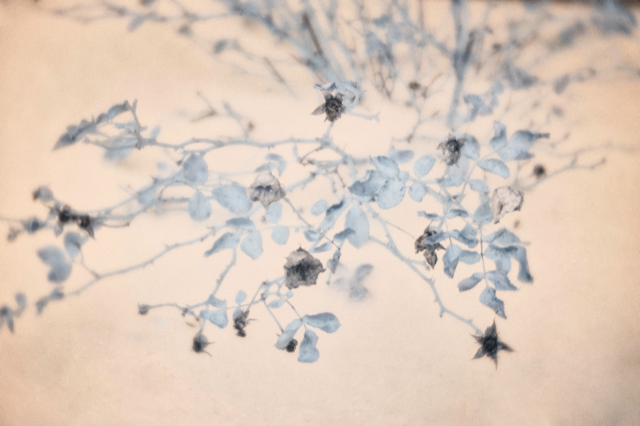
December’s Infrared Assignment: Chilling Winter
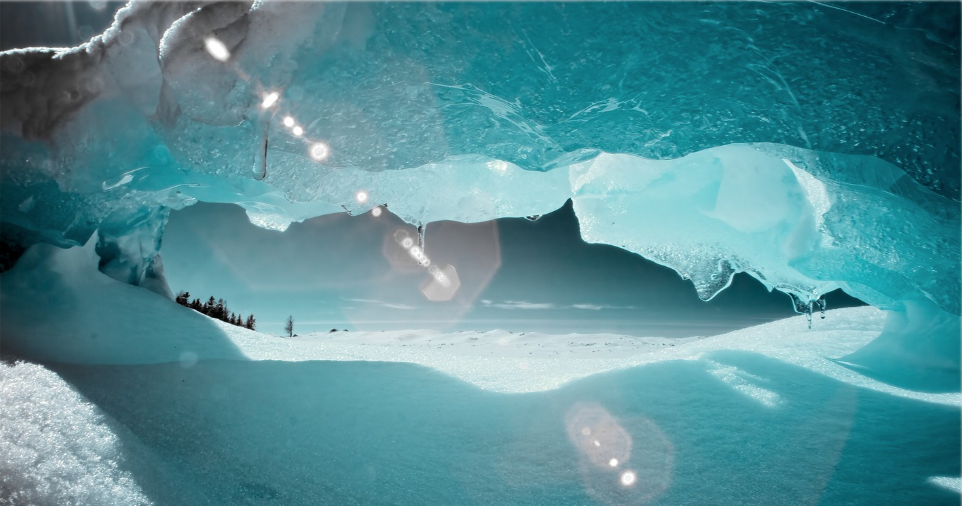
Brave the cold and head out with your camera. What unique story can you tell with your images this winter? Post your photo on Instagram, and tag #kolariphotochallenge to submit your work. Winners will be selected in the first week of January. Tap into your art and soul of infrared.
Upcoming Zoom one-on-one infrared workshops: https://www.laurieklein.com/product/custom-infrared-workshop/
Upcoming Zoom Book Making Workshop: The Photographic Book: Quest and Creation
Challenge Winner: @djenglandphotography
Winter Infrared Photography FAQs
What Is Art And Soul Of Photography: December 2022 About?
It is a monthly Kolari column by Laurie Klein focused on the creative side of infrared photography. The December 2022 post encourages photographers to use winter conditions as a storytelling opportunity rather than avoiding the cold season.
Why Is Infrared Photography Harder In Winter?
Infrared photography is harder in winter because there is less infrared-reflective light, and the sun sits lower in the sky. The post explains that weaker IR light and colder conditions make winter shooting challenging, but they can also create a uniquely dreamy look.
How Does Winter Light Affect Infrared Images?
Winter light can create softer shadows because the sun is lower and passes through more atmosphere than in summer. The article notes that direct light gives stronger shadow definition, while indirect or diffused light makes shadows softer.
What Should Photographers Focus On In Winter Infrared Photography?
Because winter offers less reflective IR light, photographers should focus more on structure, composition, and storytelling. Laurie Klein says these elements become essential for creating strong infrared images during the cold months.
What Is The December Infrared Assignment?
The December assignment is “Chilling Winter.” Readers are encouraged to go outside with their camera, create a unique winter story, and submit their work on Instagram using #kolariphotochallenge.