One of the most common questions we get at Kolari is “What is the best infrared camera?” Well, there are a few things that we look for:
- How easy is it to set a custom white balance?
- Is there an IR shutter light leak?
- Are there any sensor artifacts?
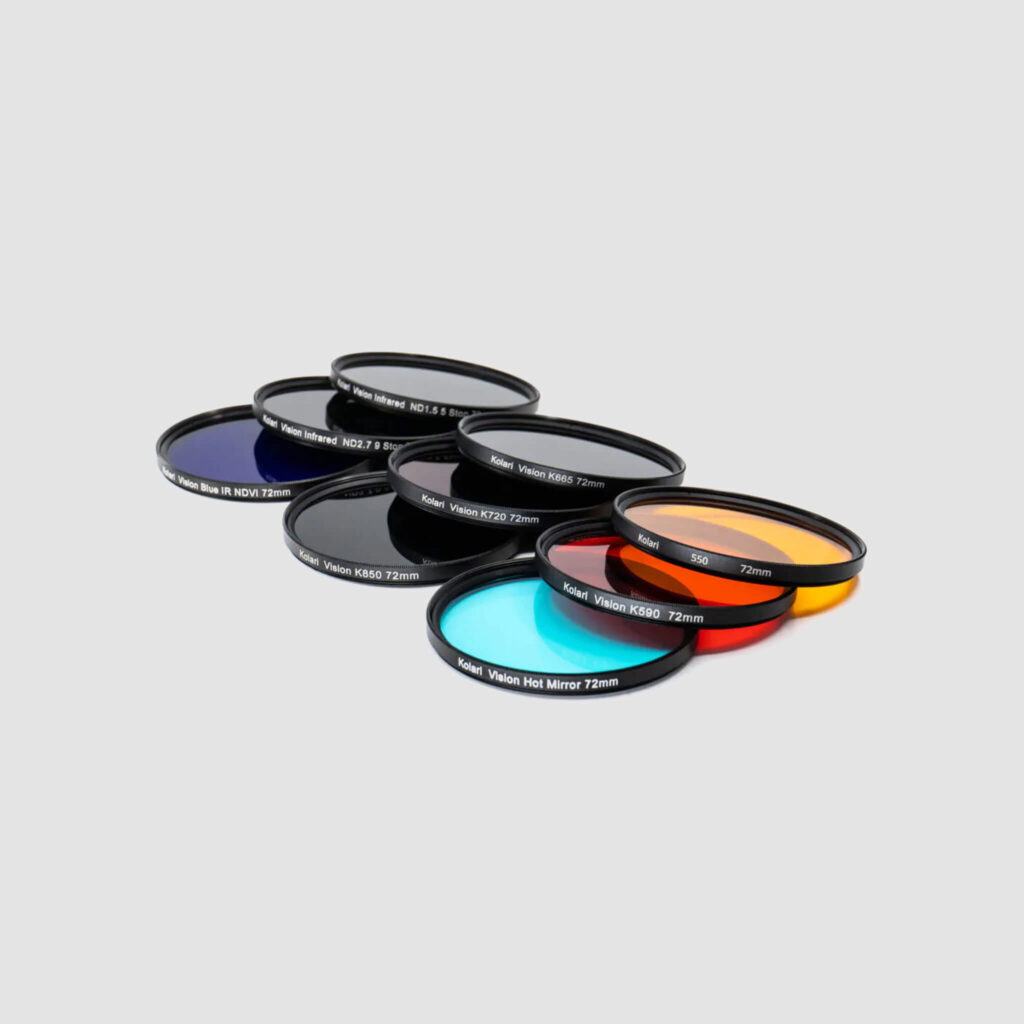
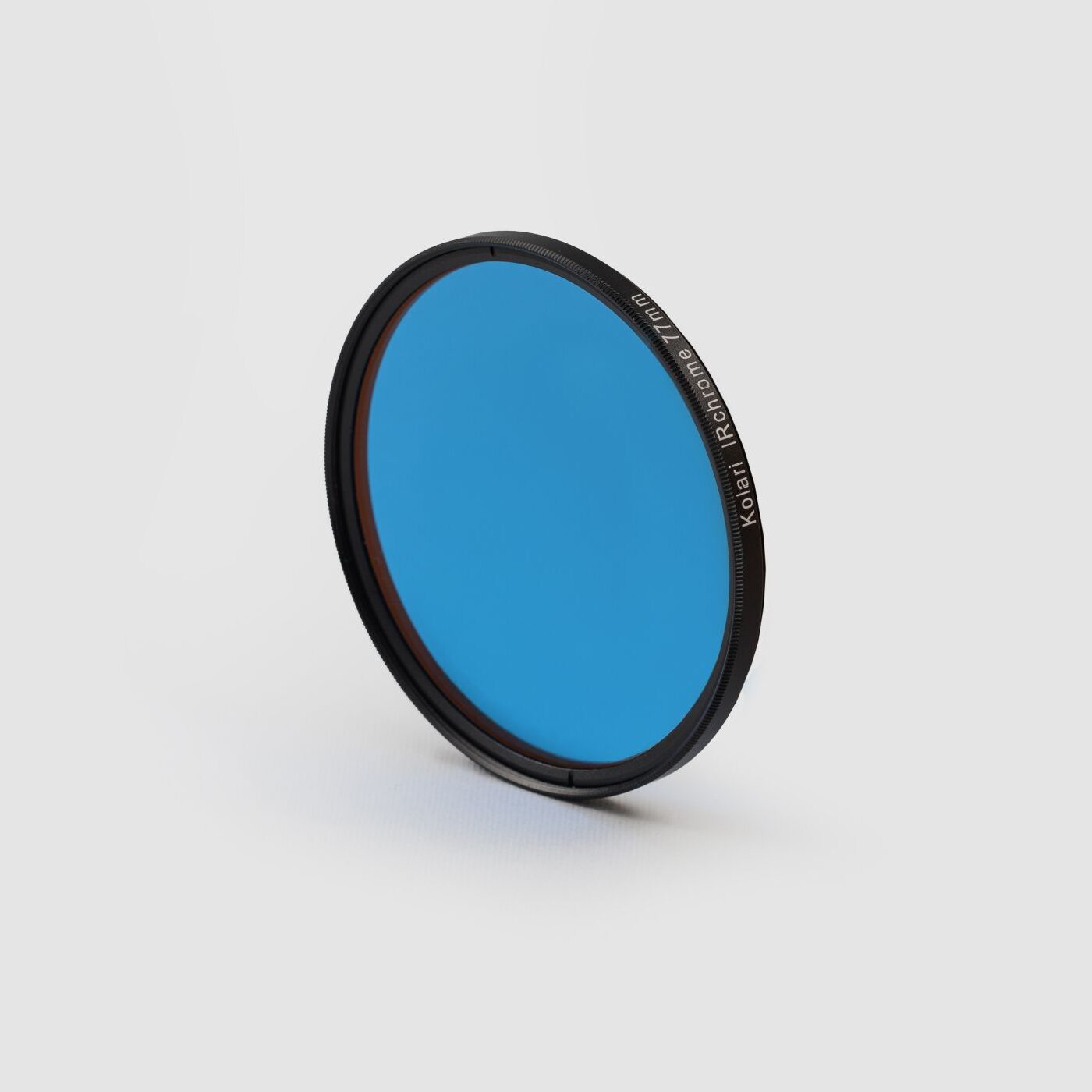
- What is the filter compatibility?
- Is there a good line of infrared-compatible lenses for this camera?
With all of this in mind, read on for our top picks for the best infrared cameras of 2023.
Point and Shoot Cameras for Infrared
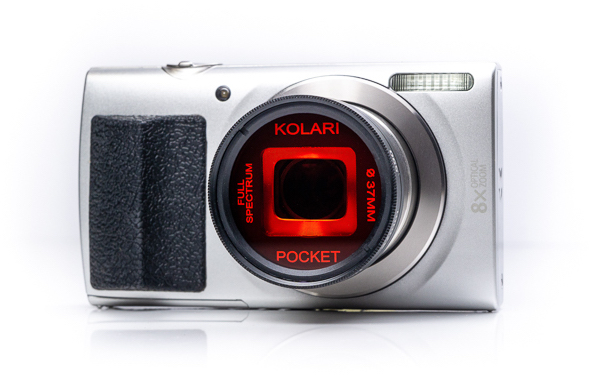
Kolari Pocket (Canon ELPH 180)
The Kolari Pocket is user-friendly and is a great economical choice, especially for beginners. You can shoot in raw with the help of a CHDK-enabled SD card, allowing you to have the most control over your images in post-processing. We have modified the lens to fit 37mm filters, giving you plenty of filter options for perfecting your shot.
Budget DSLR Cameras for Infrared
Budget Mirrorless Cameras for Infrared
Budget Full Frame Cameras for Infrared
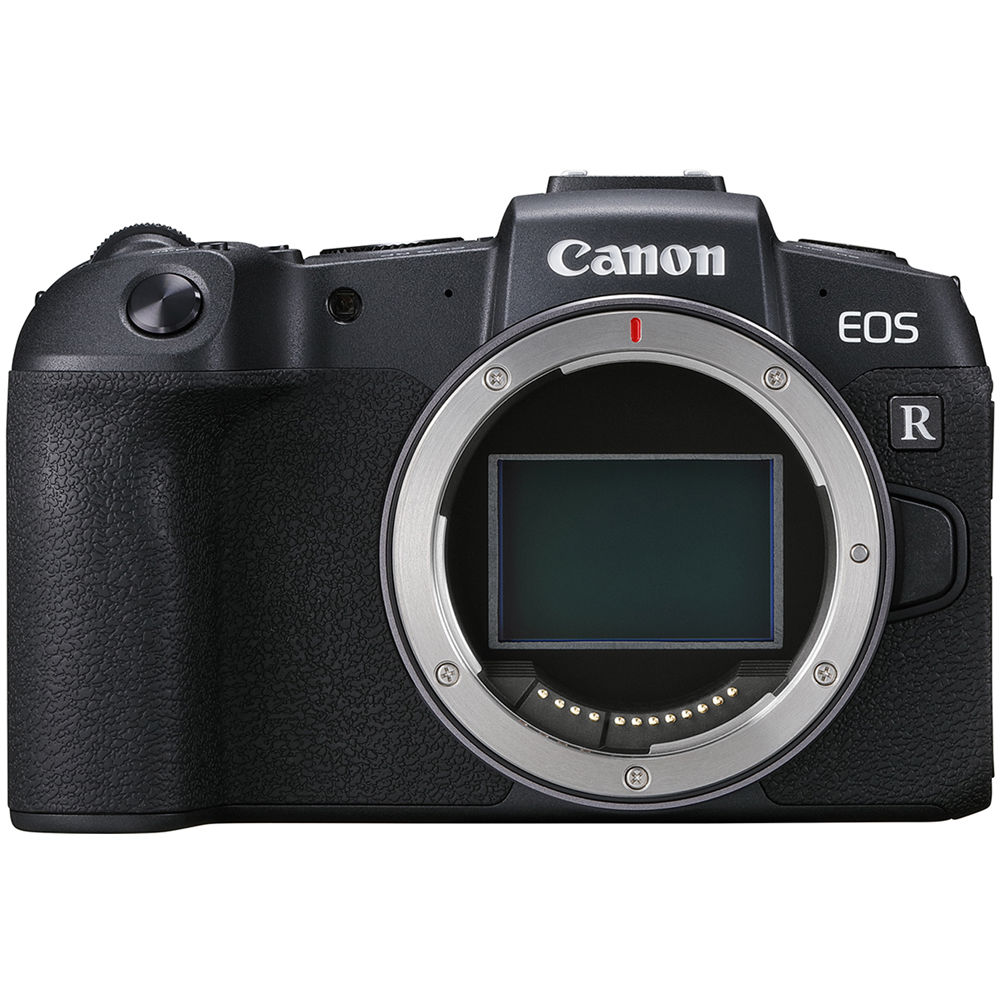
Canon RP
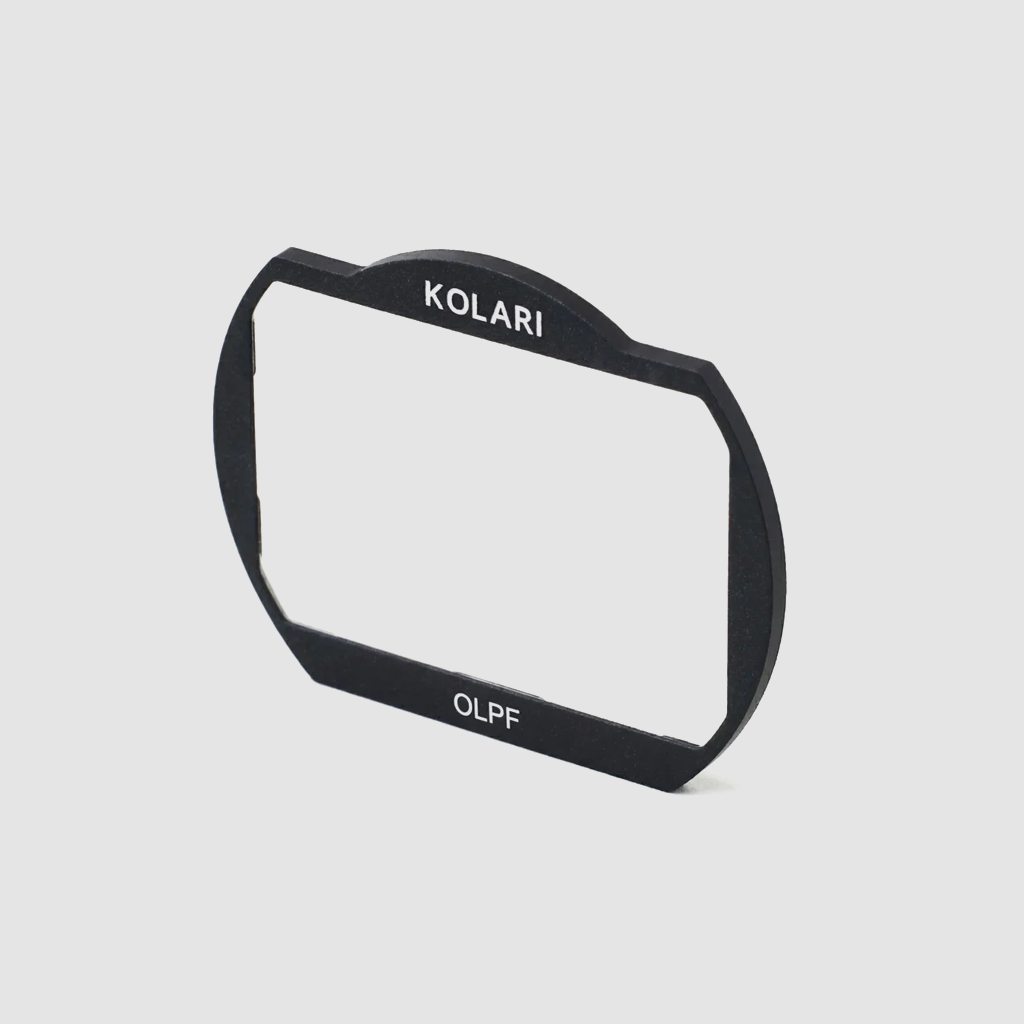
For full-frame cameras, we love the Canon RP for infrared. With an adapter, Canon users can still shoot with their IR and UV-friendly EF lenses. Additionally, setting a custom white balance in-camera is a breeze with Canon systems. The Canon Mirrorless R-series even allows for a rear filtering system through drop-in adapting units. Our Kolari Clip-ins are also compatible, leaving you with plenty of possibilities for stacking combinations. To see what combinations you can make with your setup, try using the Canon Mirrorless Filter Compatibility Tool.
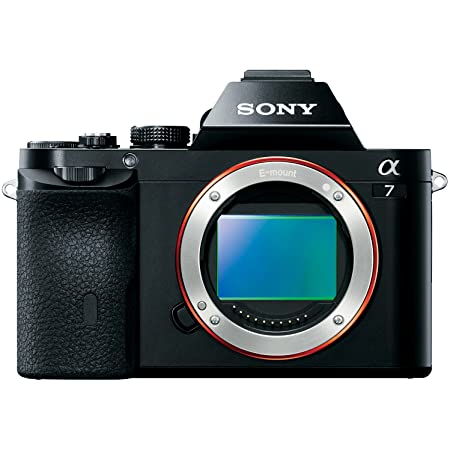
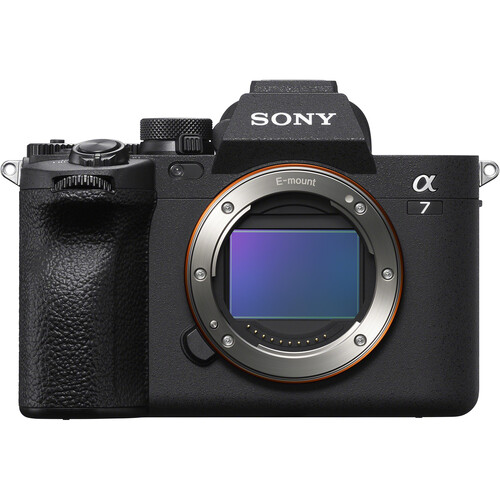
Used Sony A7
A close runner-up to the Canon RP is a used Sony A7. While this model isn’t available new, it is an inexpensive full-frame camera with native live view, a huge asset when shooting infrared. Although they won’t work with our favorite IR-friendly Canon EF lenses, Sony does have a few hidden gems as far as IR-compatible lenses go. Check out our Lens Hotspot Database to see which Sony lenses we would recommend.
The Best Money Can Buy
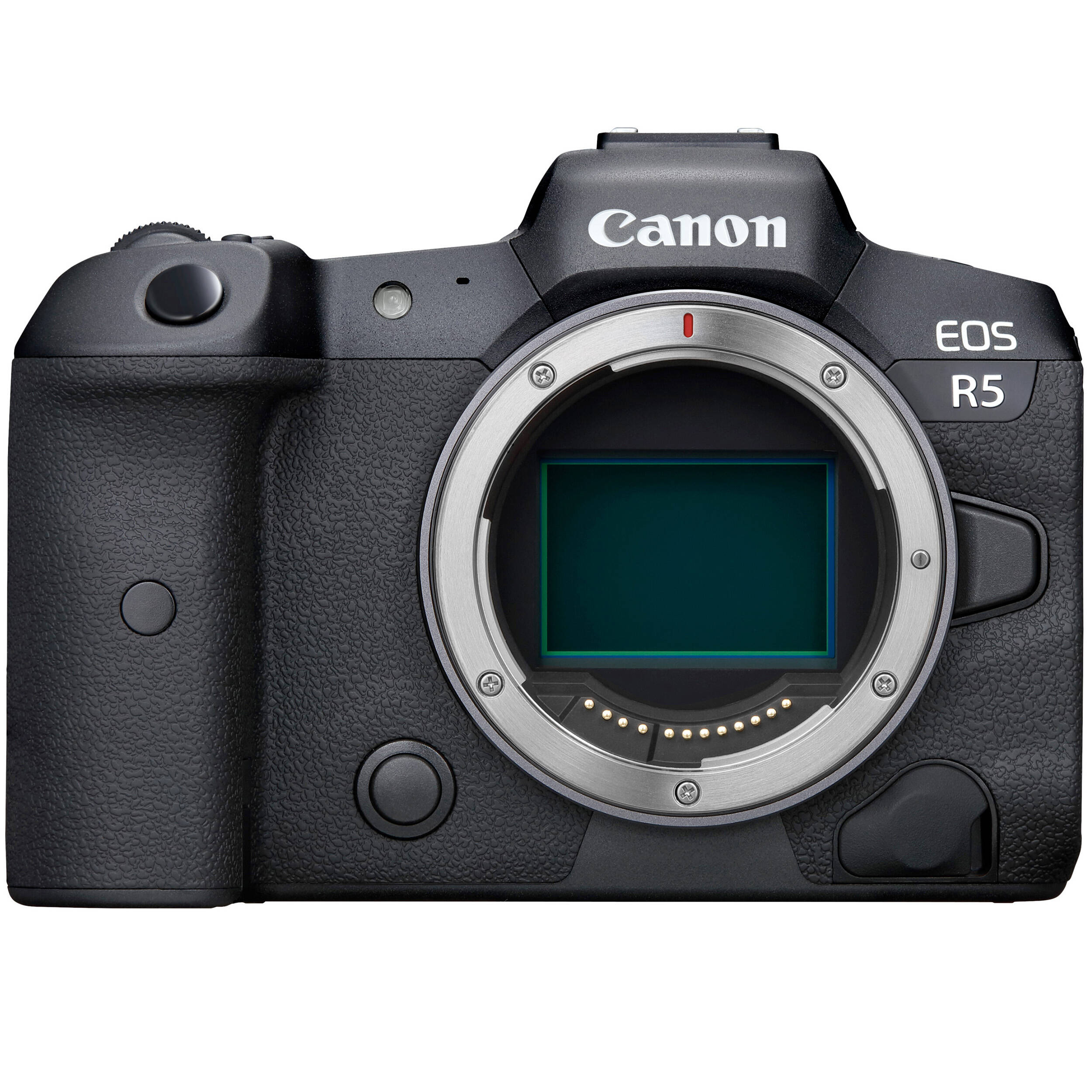
Canon R5
The R5 is simply one of the best. It checks all the boxes: easy-to-set custom white balance, no IR light leak, no sensor line artifacts, and great lens compatibility. Add all of this together with a camera that has incredibly large resolution and 8K video capabilities, and we’re sold. The Canon R5 is our go-to camera for all your infrared needs.
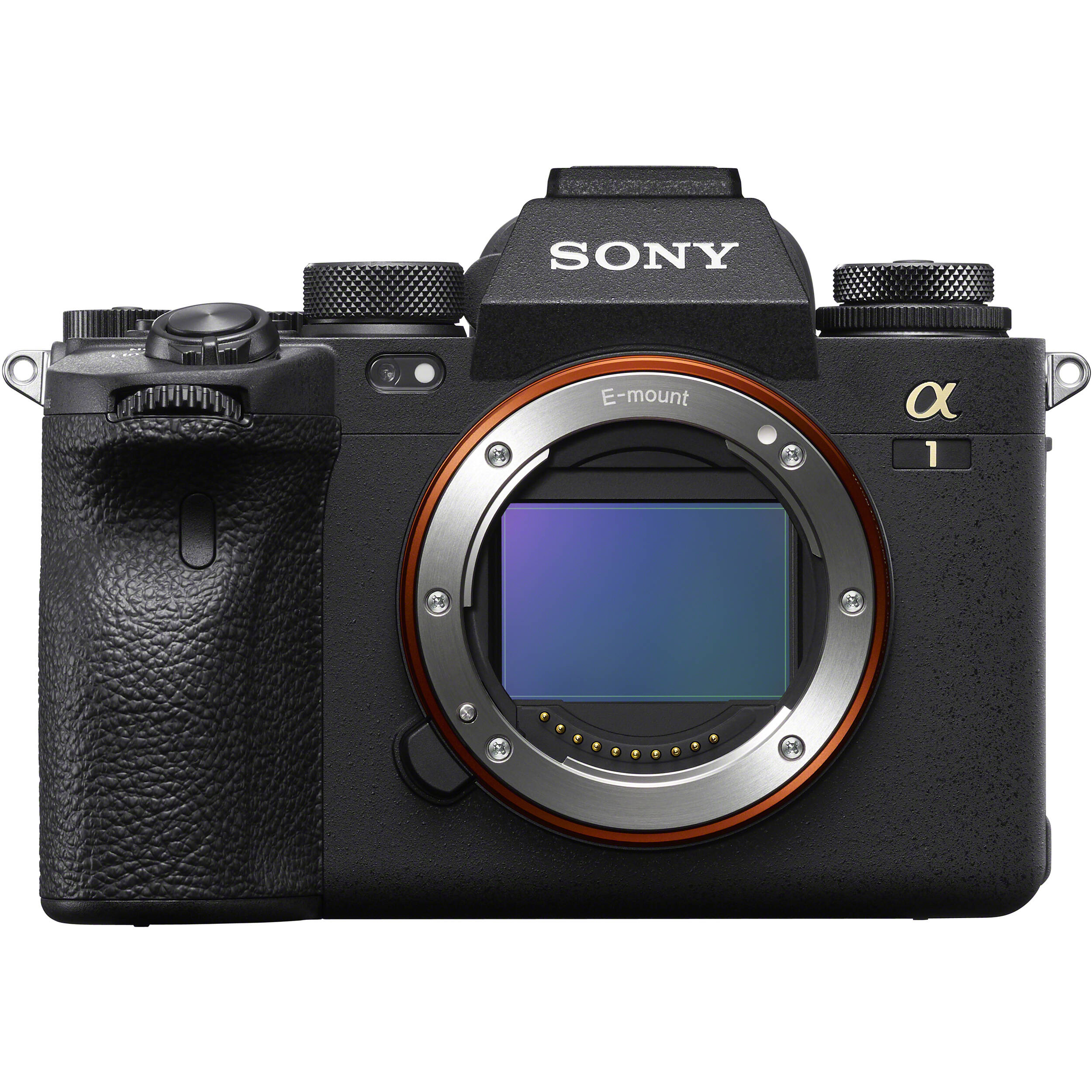
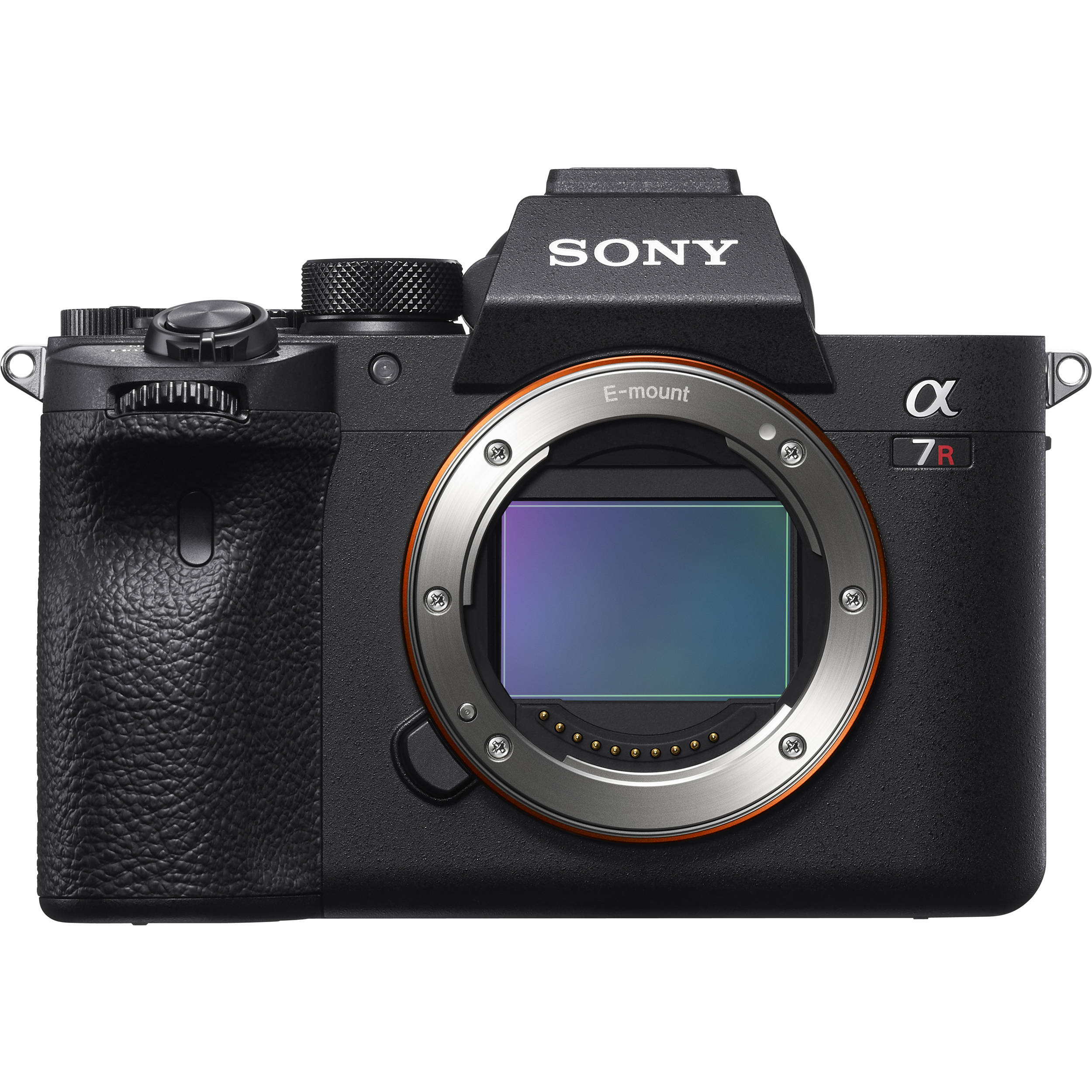
Sony A1, A7R V, and A7S III
For Sony shooters, the Sony A1, A7R V, and the A7S III all stack up. The decision here all depends on your personal preferences for additional features. Both the A1 and the A7R V are great sports cameras to convert to infrared. For lowlight shooting, the A7S III really shines with extra night shooting modes. None of these cameras contain the internal IR LED diagnostic light that causes IR light leaks.


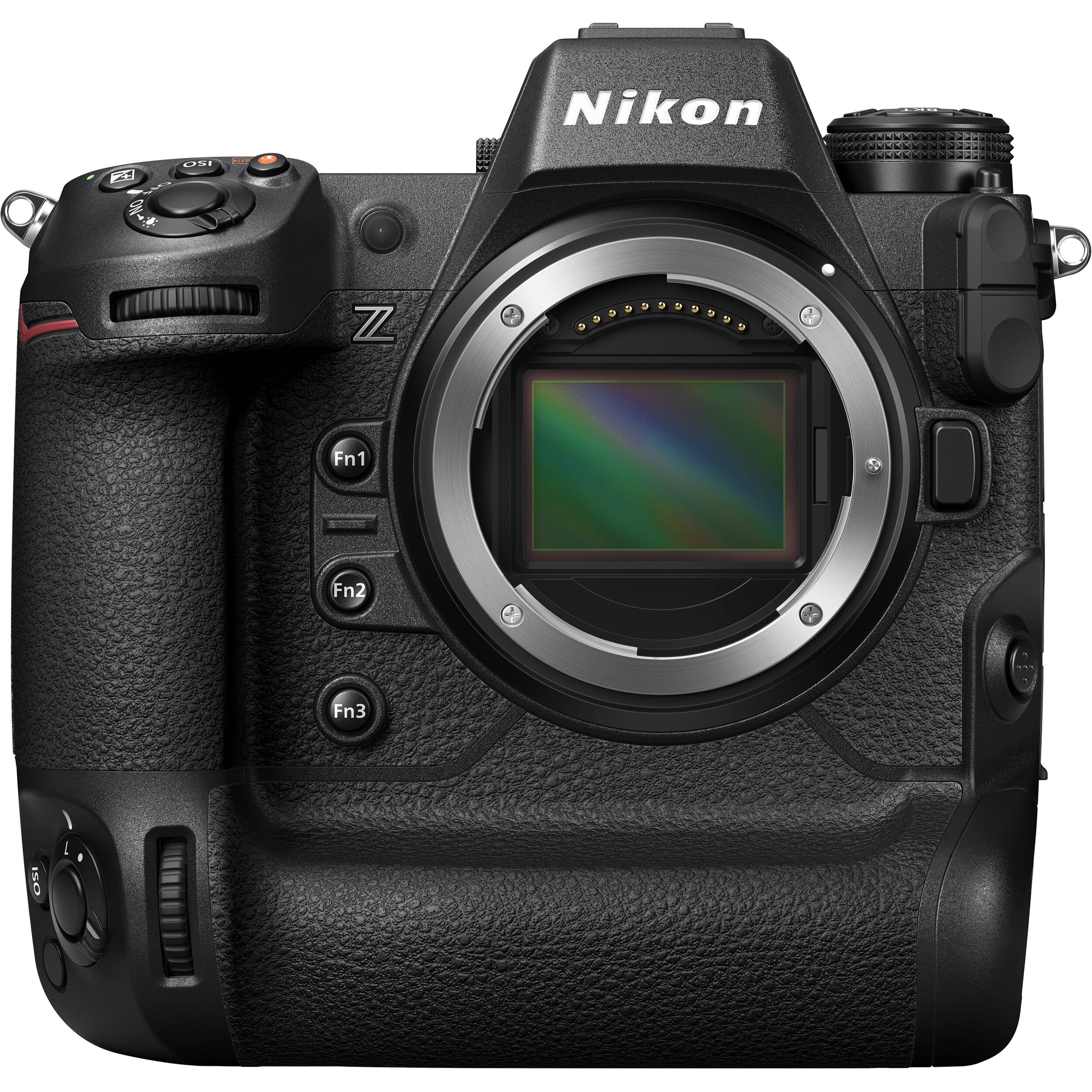
Nikon Z9
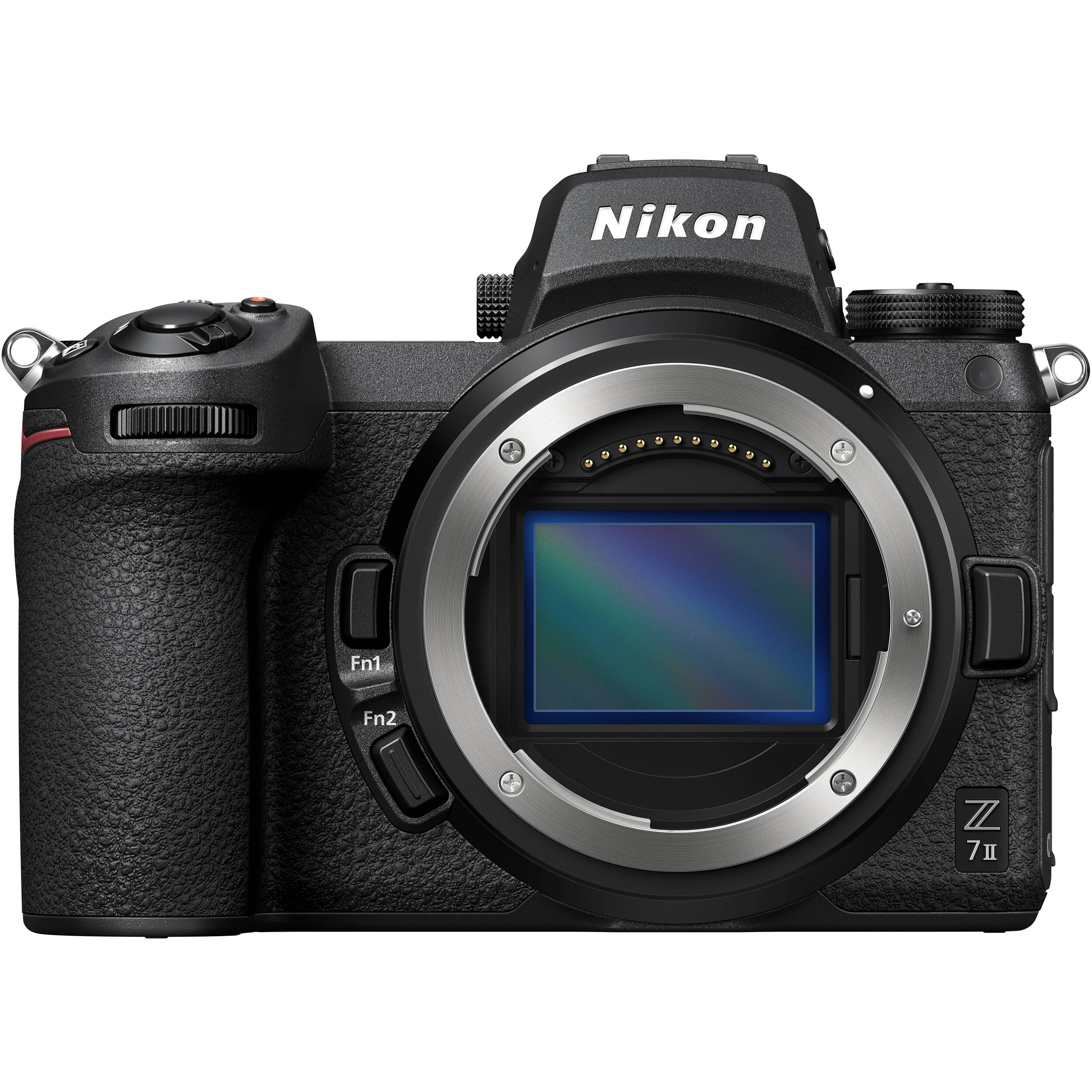
We think that out of all that Nikon has to offer, the Z9 takes the cake in terms of IR performance. The rest of the Nikon Z-series cameras suffer from fairly severe sensor lines when used for infrared. The sensor lines on the Z9, however, is significantly less severe—even more subtle than on the Z7 II.
Honorable Mention
Best for Infrared Video
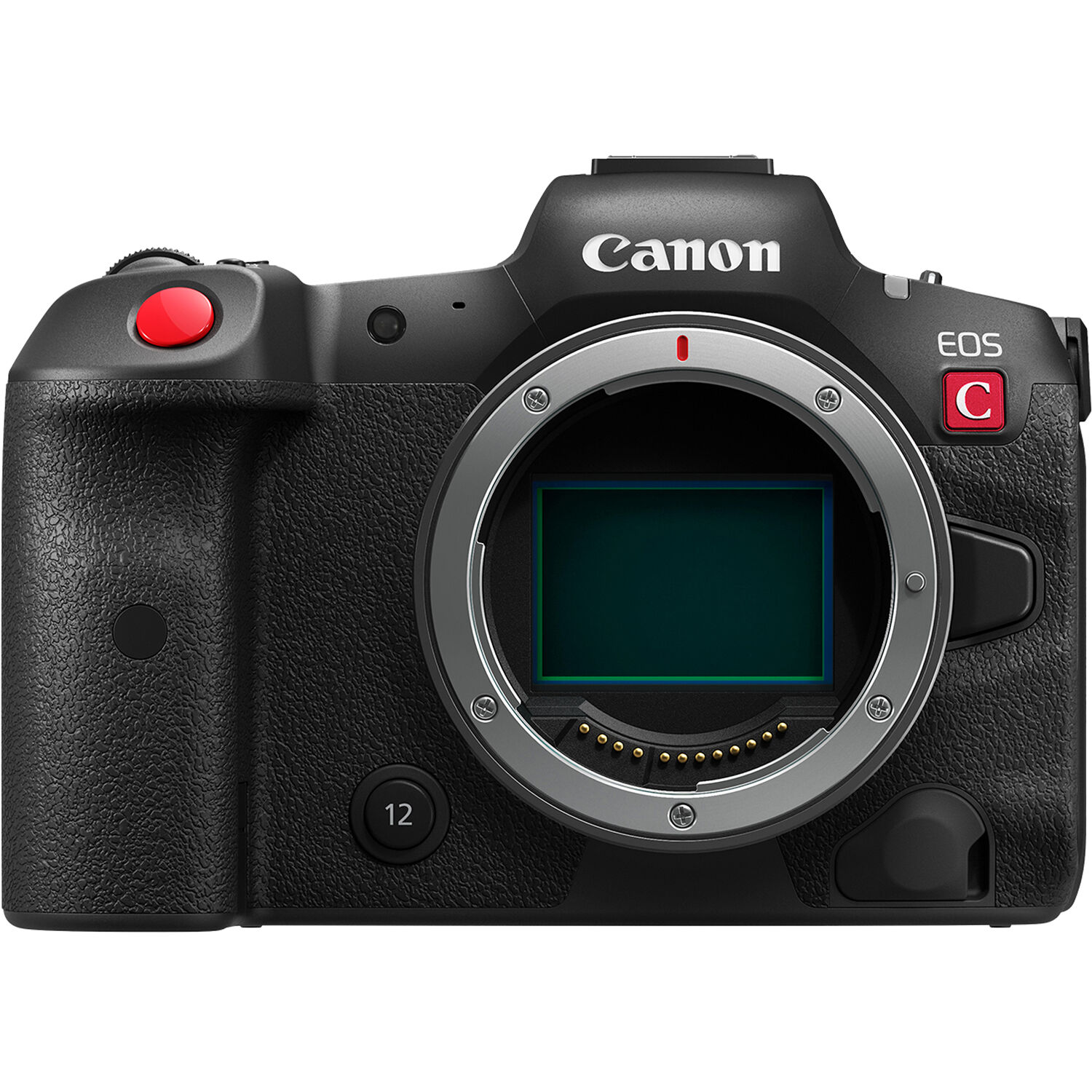
Canon R5C
If you’re looking for an R5 with the cooling modification built-in, try the Canon R5C instead. You can read up on our review of the R5C here.
Blackmagic Pocket Cinema 4k
This camera delivers 13 stops of dynamic range, dual native ISO to help in low light, and allows for recording up to 60fps in 4k. Not to mention Blackmagic’s gen 5 color science allows for total control in post-production, which is especially helpful with infrared. The biggest downside is battery life and the micro 4/3 sensor size limiting you to use micro 4/3 lenses unless you purchase an adapter.
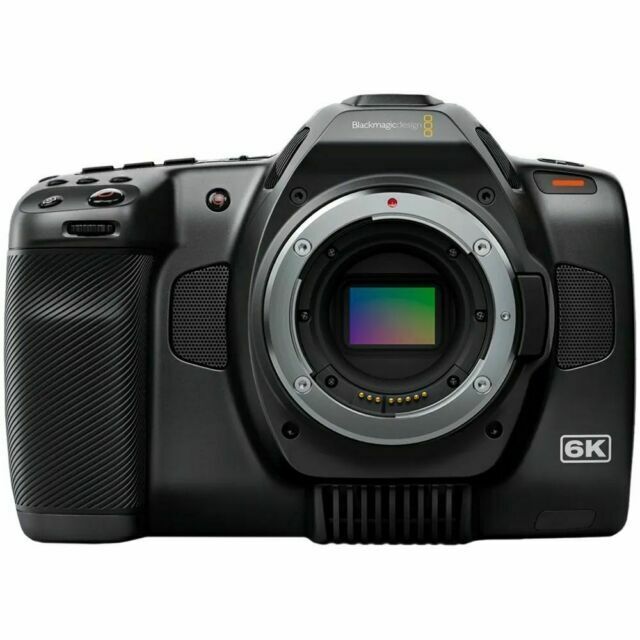
Blackmagic Pocket Cinema 6k Pro
The 6k Pro has a super 35 sensor, an active EF Mount with full lens control, an adjustable tilt LCD, and can record up to 50fps in 6k. This camera also has built-in ND filters, which we can replace to allow swapping from visible light to infrared with the press of a button. The biggest downside, again, is battery life.
If you’re ready to get your camera converted, click here for a dedicated infrared conversion or here for a full spectrum conversion.
If you’d like to buy a converted camera directly from us, you can browse our options here.
If you’re interested in learning more about infrared, check out our education hub for more information.
Infrared Cameras FAQs
What Makes A Good Infrared Camera?
A good infrared camera should make it easy to set a custom white balance, avoid IR shutter light leaks, avoid sensor artifacts, support useful infrared filters, and have access to infrared-compatible lenses. These are the main criteria the article uses when choosing its top infrared camera picks.
What Is The Best Infrared Camera For Beginners?
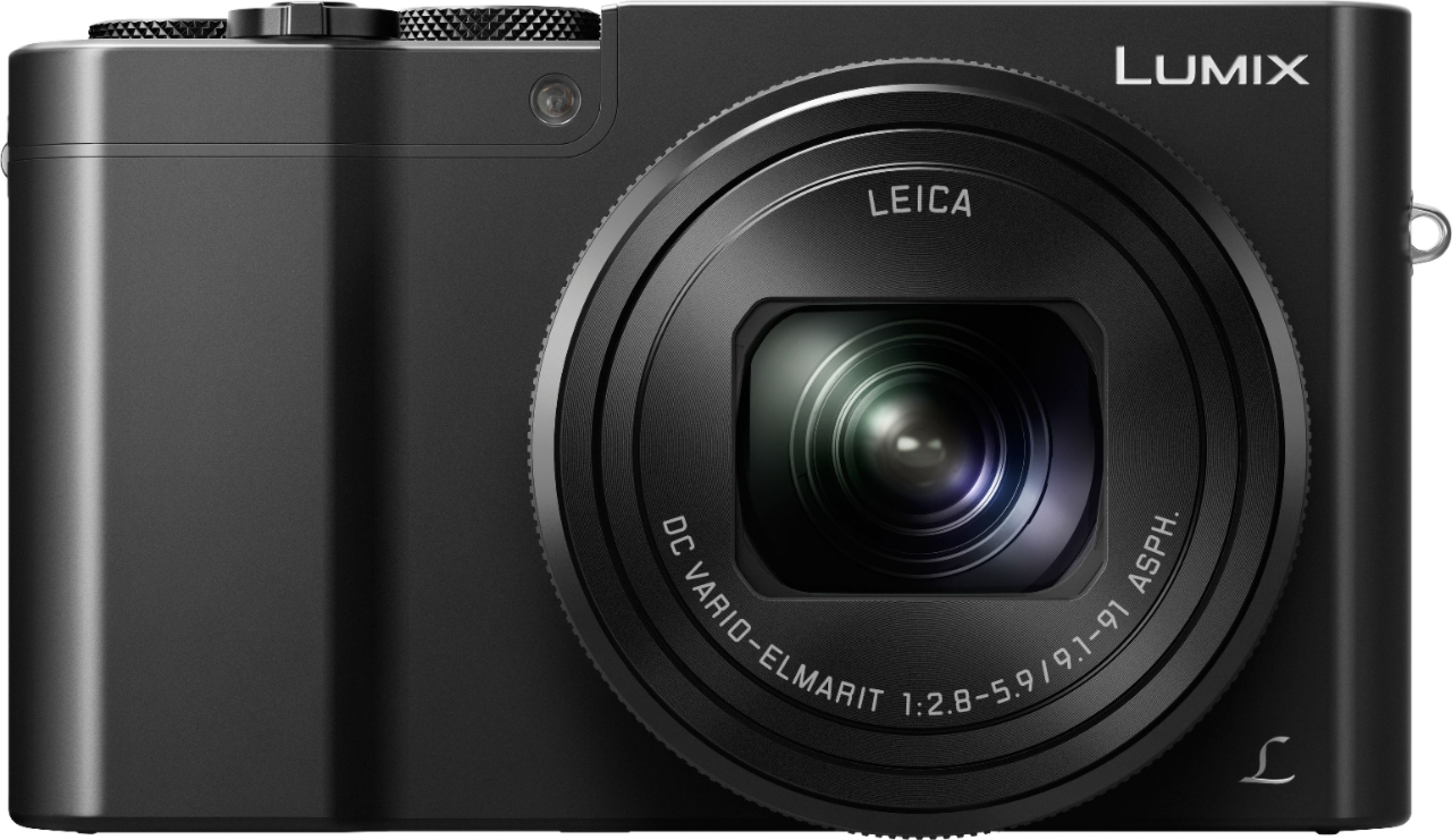
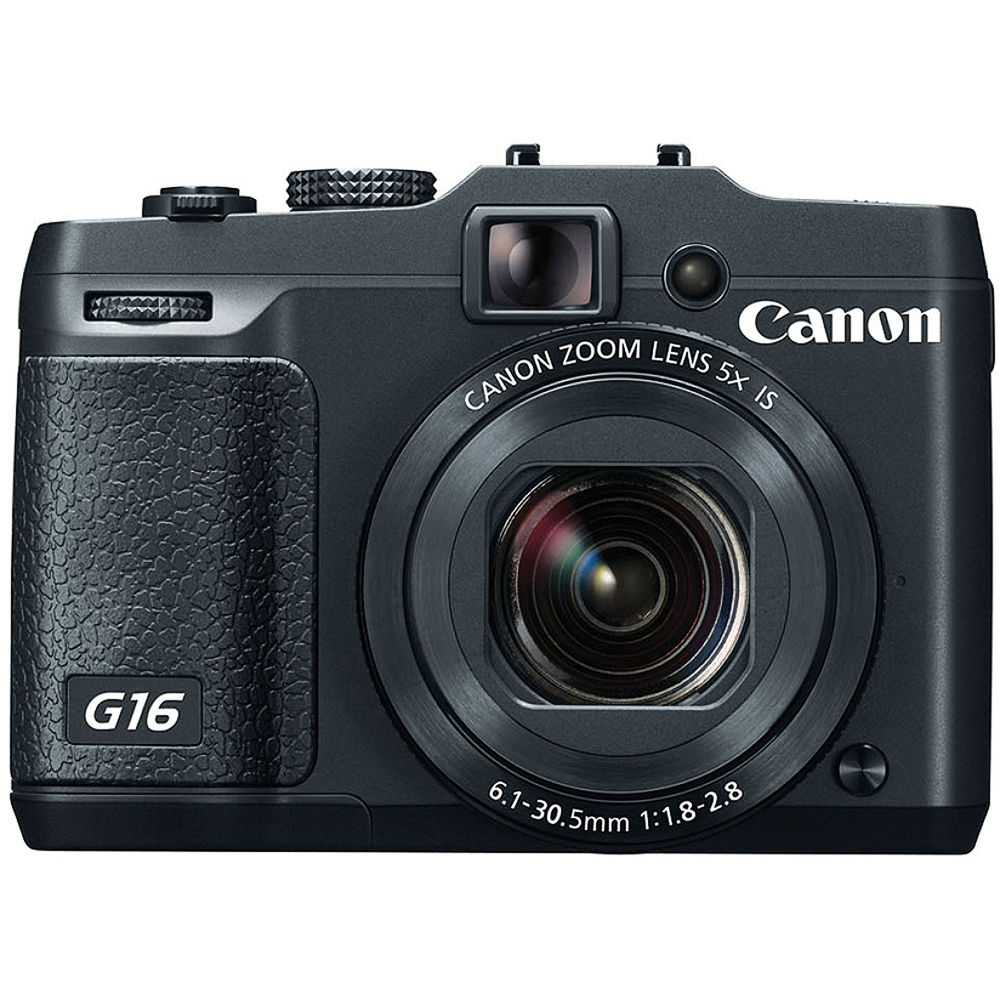
For beginners, the article recommends point-and-shoot options like the Kolari Pocket because it is user-friendly and economical. It also mentions the Lumix ZS100 and Canon G16 as compact options with RAW shooting, manual controls, and external filter compatibility.
What Is The Best Budget Camera For Infrared Photography?
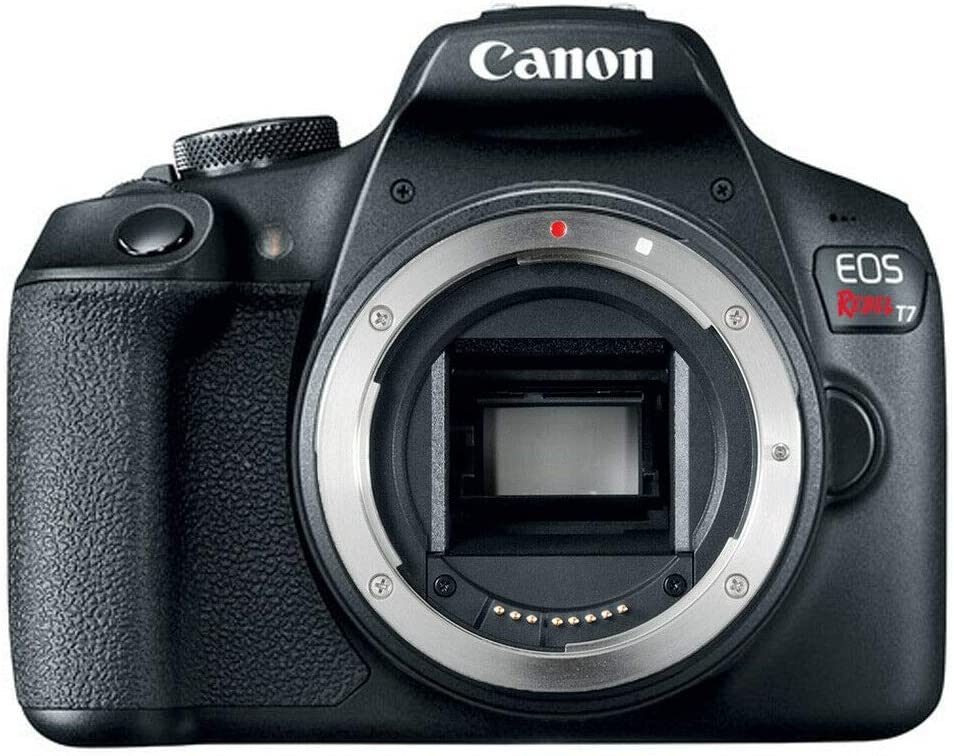
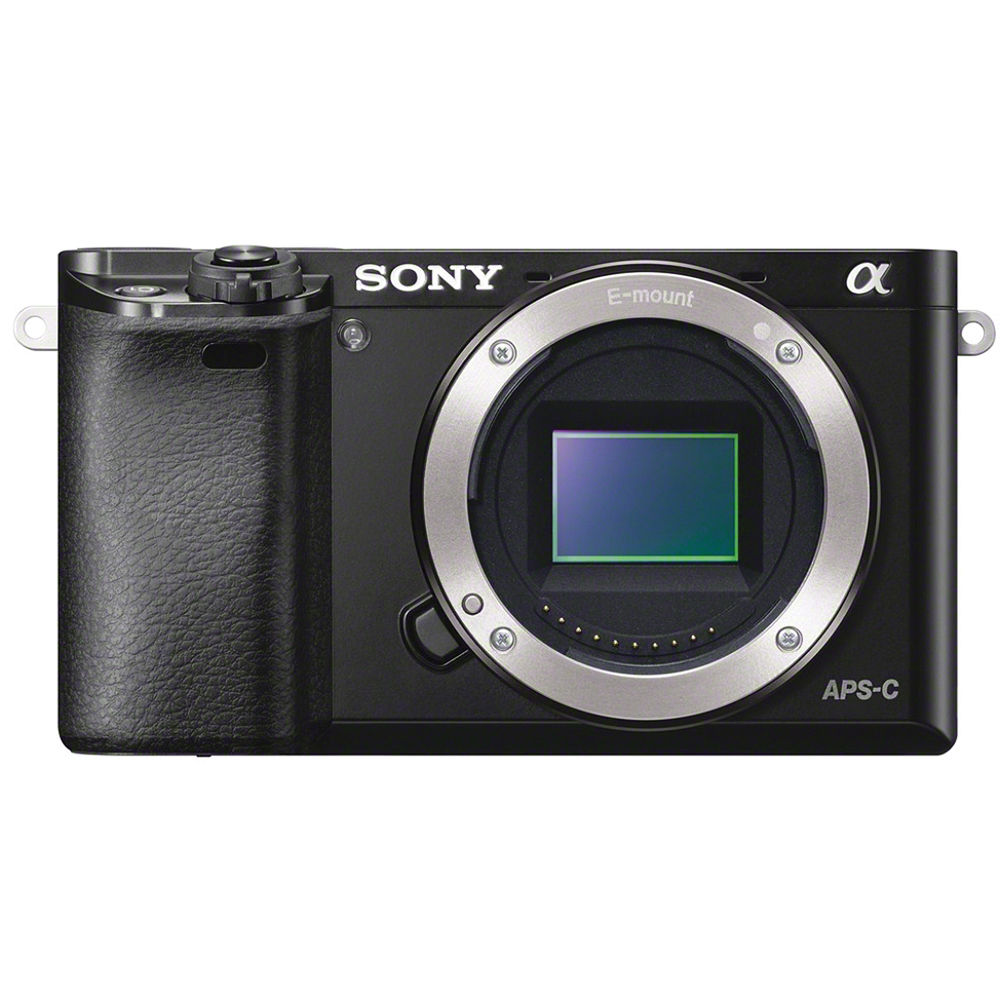
The article highlights the Canon Rebel T7 as a strong budget DSLR option because it offers more creative control than point-and-shoot cameras and works well with older Canon lenses that are friendly for UV and infrared photography. For budget mirrorless, it recommends the Sony A6000.
What Full-Frame Camera Is Best For Infrared Photography?
For budget full-frame infrared photography, the article recommends the Canon RP because it works with IR and UV-friendly Canon EF lenses through an adapter, has easy in-camera custom white balance, and supports rear filtering options through drop-in adapters and Kolari Clip-ins.
What Is The Best Premium Infrared Camera?
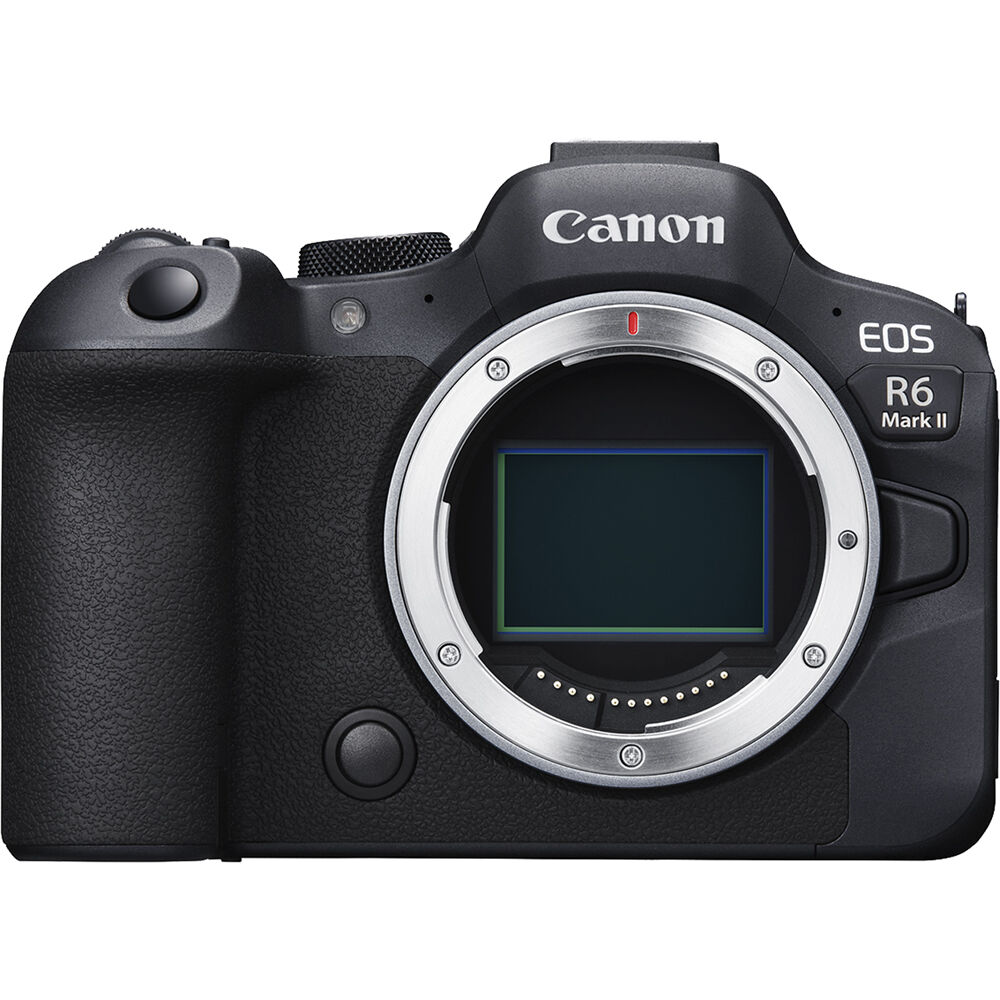
The article names the Canon R5 as its go-to premium infrared camera because it has easy custom white balance, no IR light leak, no sensor line artifacts, strong lens compatibility, high resolution, and 8K video capability. It also highlights the Canon R6 Mark II, Sony A1, Sony A7R V, Sony A7S III, and Nikon Z9 as strong higher-end options.
One Response
I confirm R5C is one of the best cameras I have ever used both for IR photo and video.