We always hear praises of the might of Mother Nature, how it renders useless mans’ creations, and bears life above the ruins. Well, it’s something that is always felt, but never on such a huge scale. This place IS the place for these contrasts. It’s pretty hard to describe the overall atmosphere I experienced during this trip. Despite the events of 1986, the ruins, and the rust, I didn’t have grim feelings while traveling there. On the contrary, it felt like I was in a “kind of” paradise on a different planet.
Thirty years after the fallout, while men still stay away, the forests, the animals, the plants, everything is thriving, revived by nature.
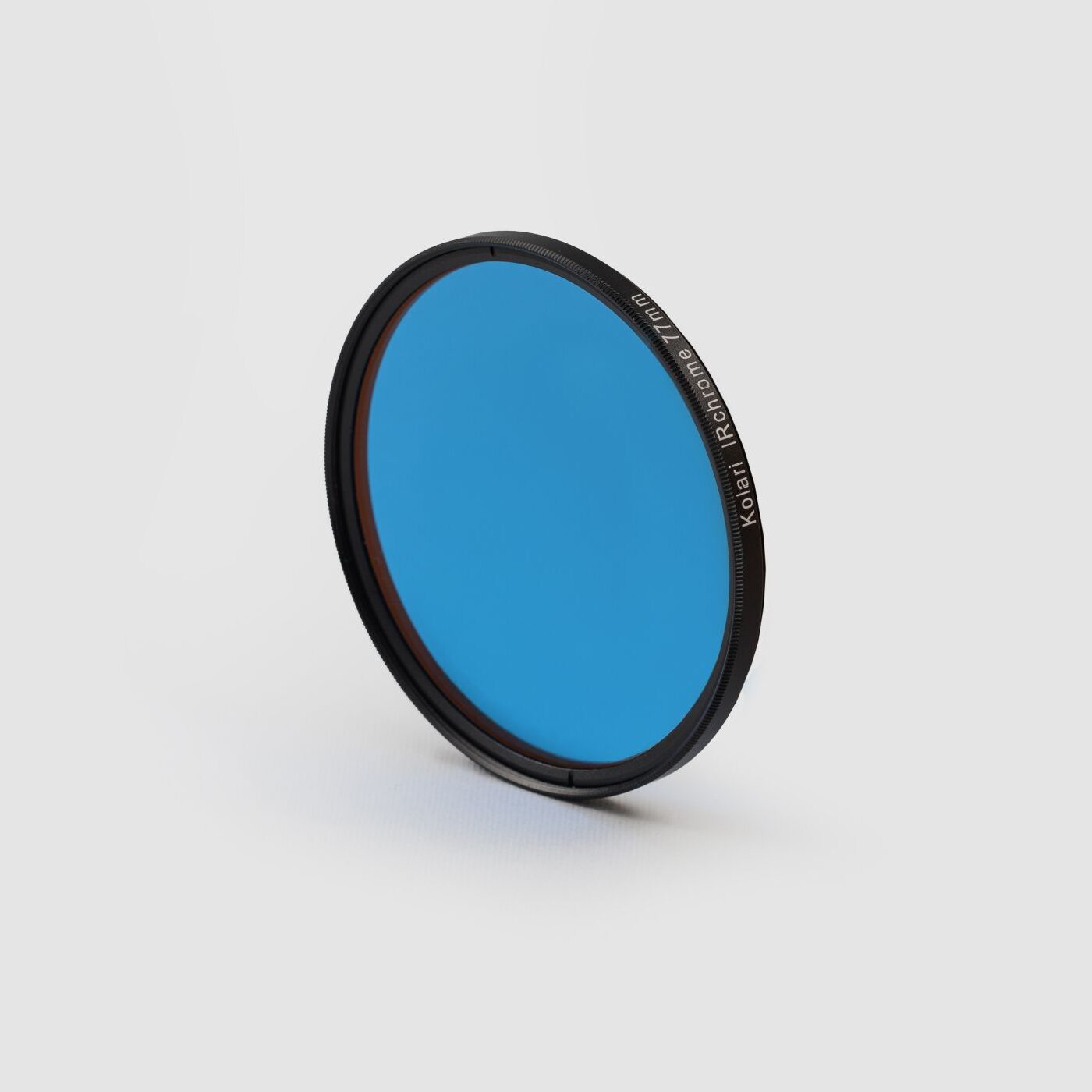
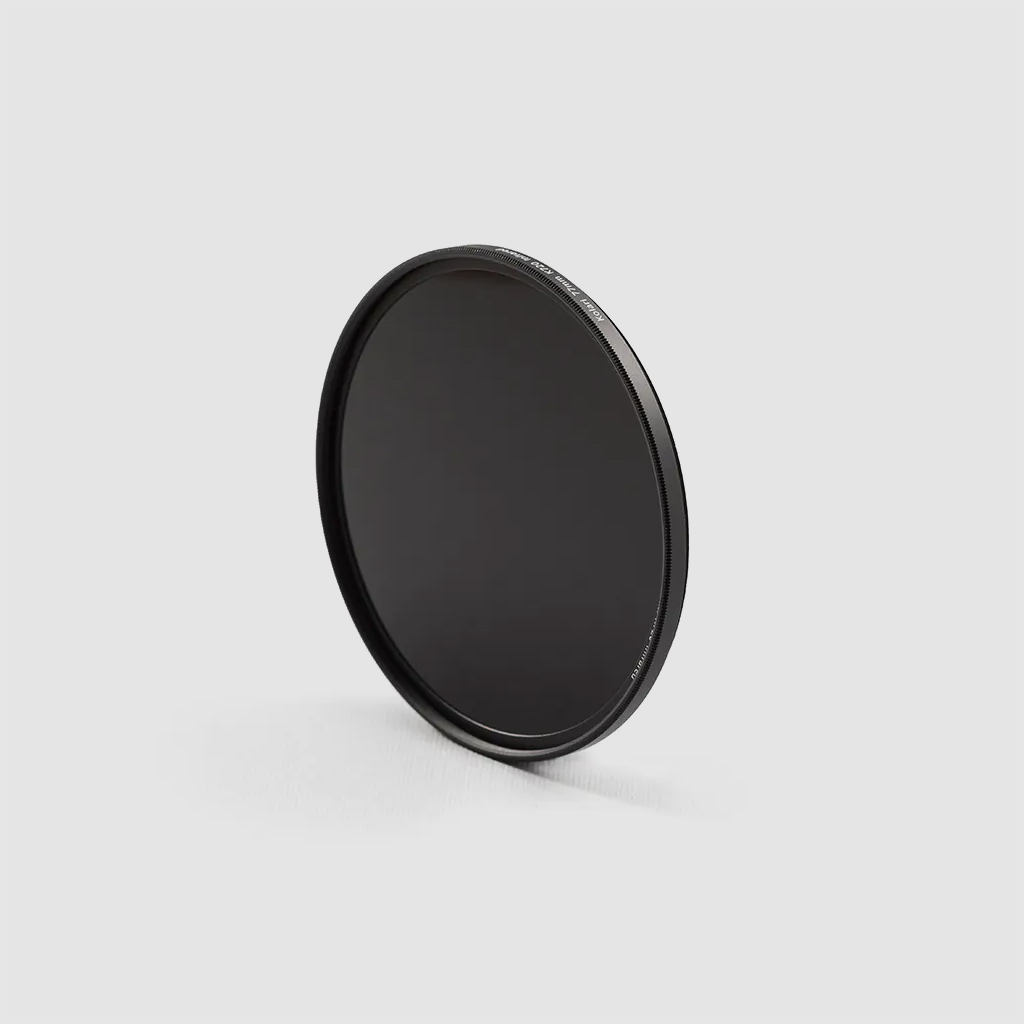
Full-Spectrum Camera and 590nm Infrared Filter
(Shot during a 2-day trip in Chernobyl’s exclusion zone, with a full spectrum camera, and a 590nm infrared filter from Kolari Vision.)
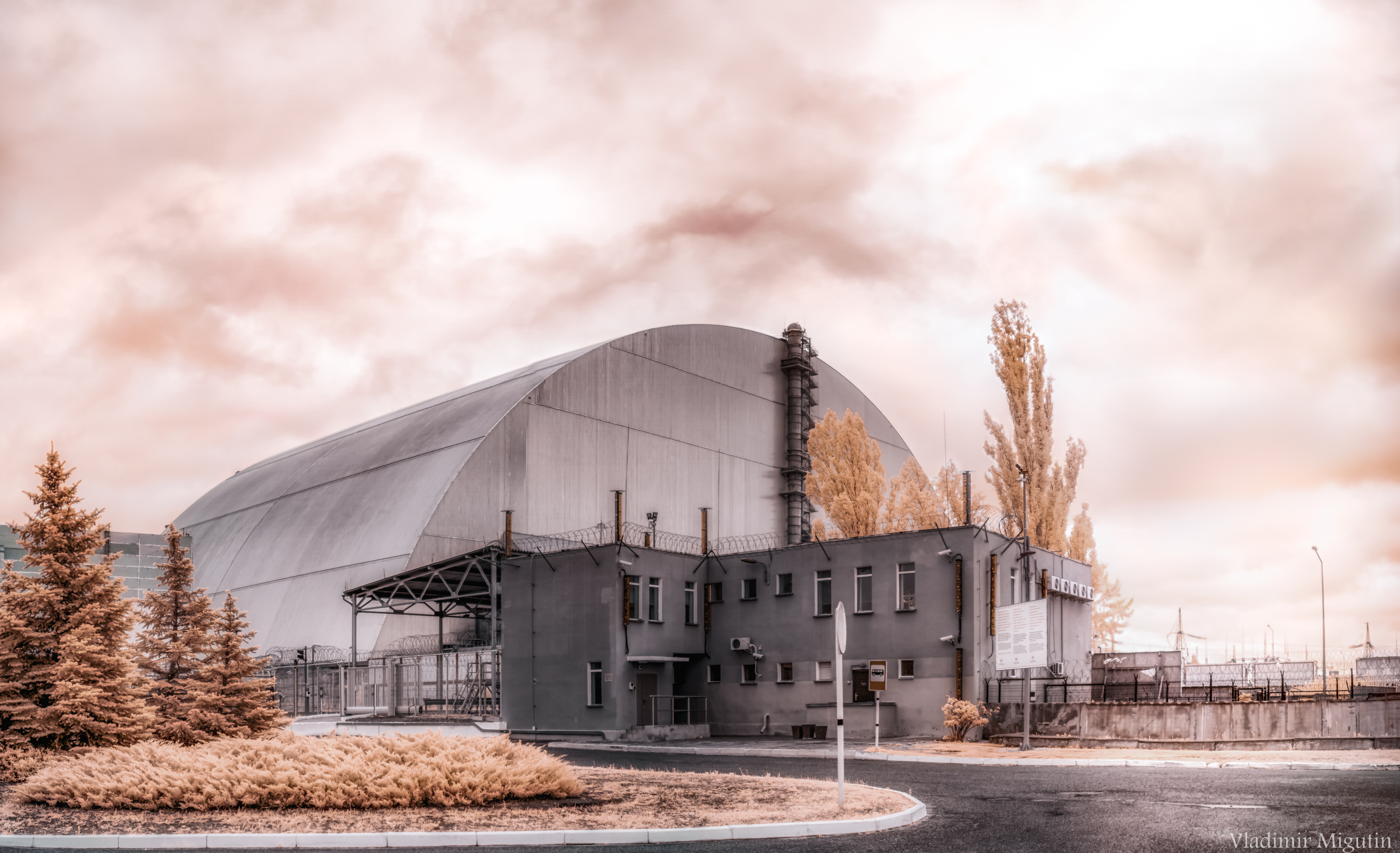
The Nuclear power plant sarcophagus, Chernobyl Exclusion Zone
2)
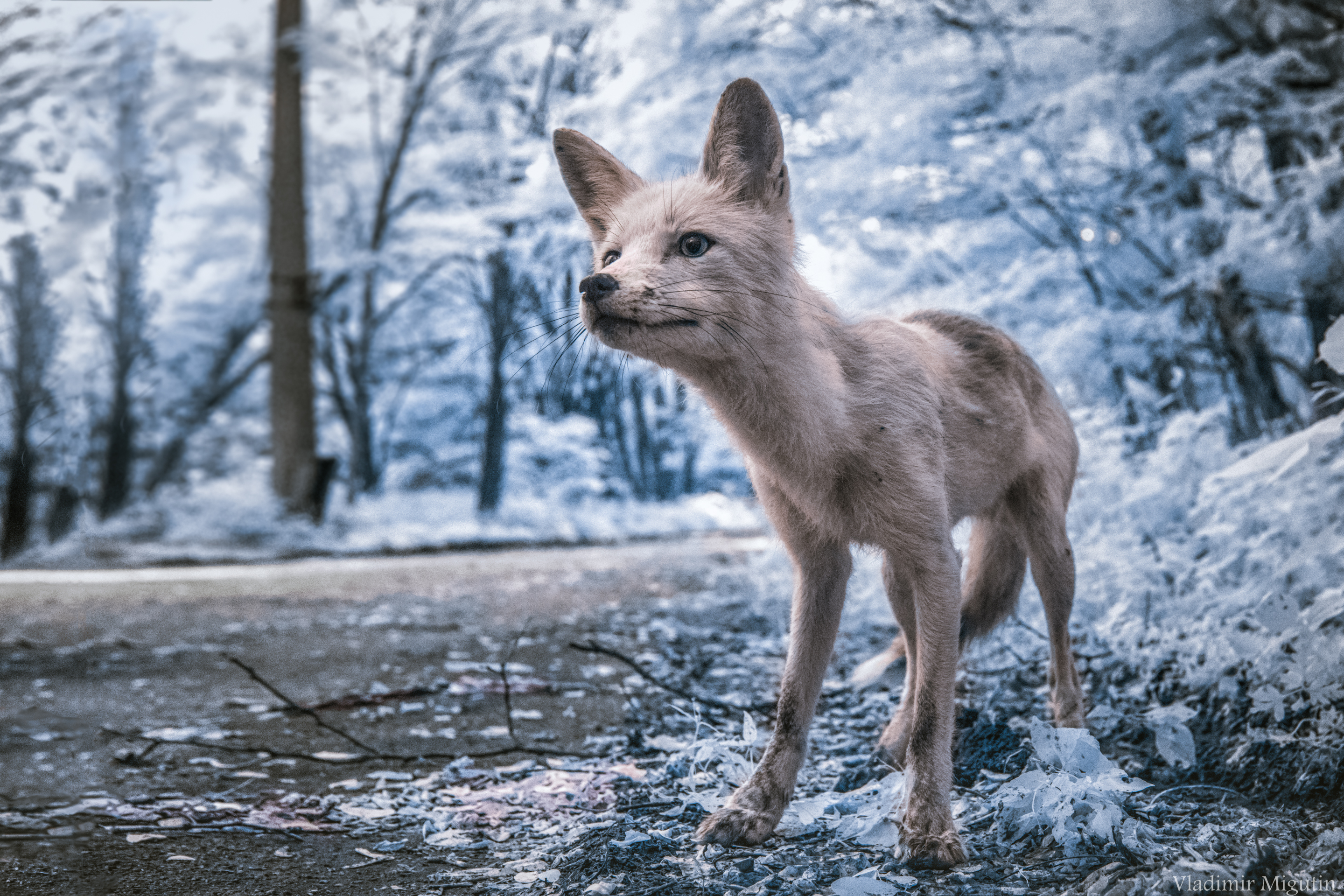
Simon – a human-friendly fox, whom often approaches groups in the exclusion zone, asking for food.
3)
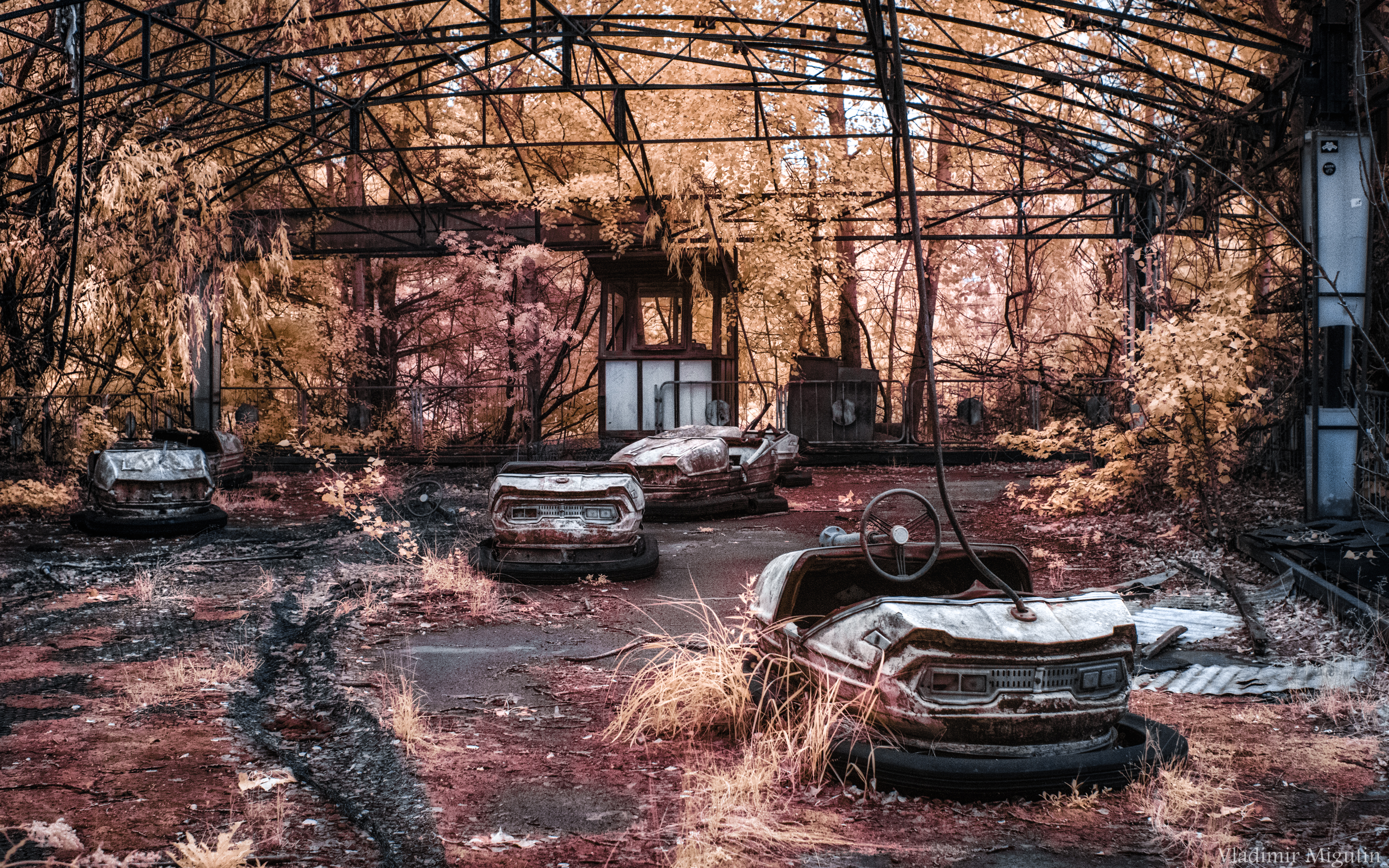
Bumper cars in Pripyat’s amusement park.
4)
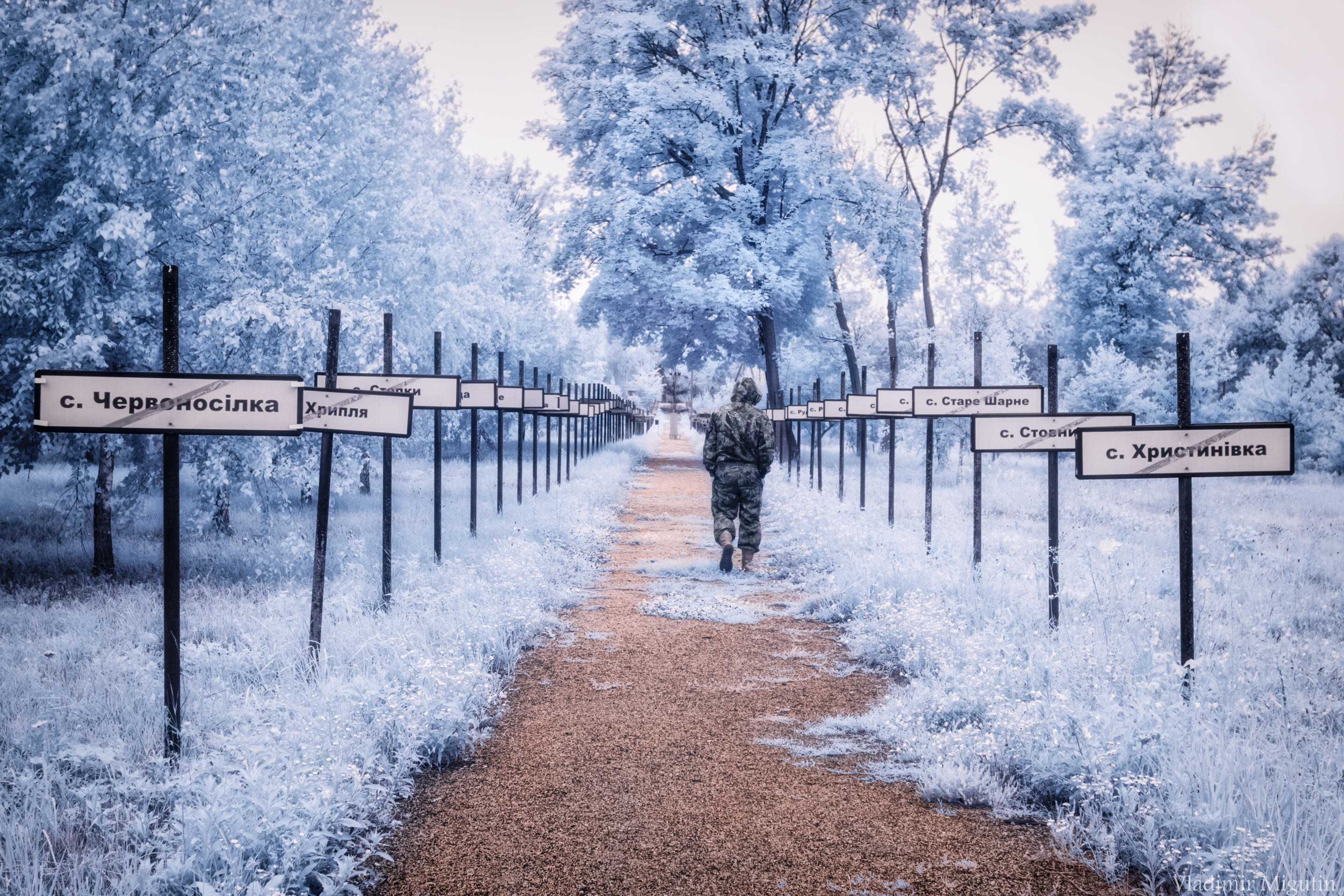
The monumental trail with the evacuated villages’ names on either side.
5)
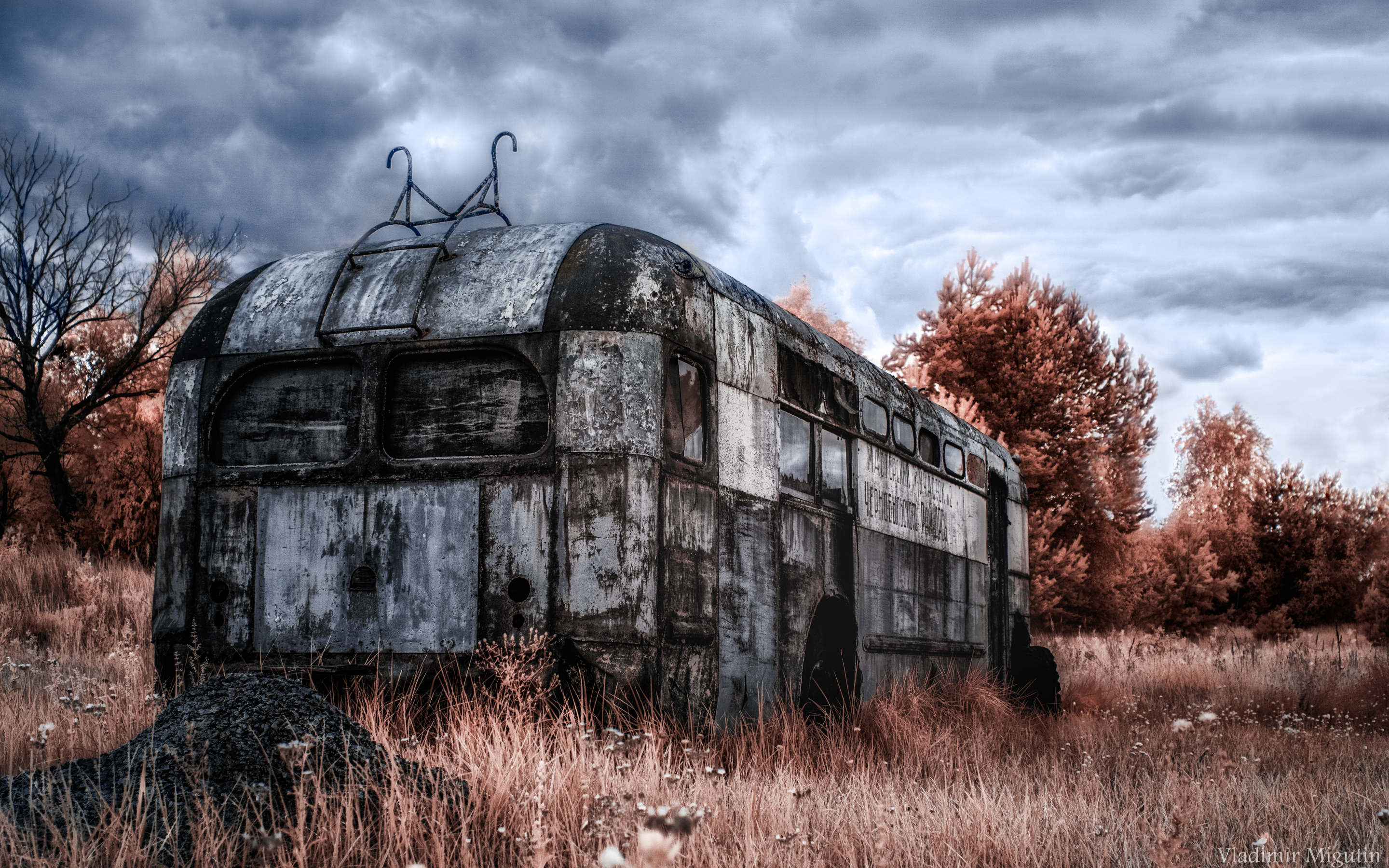
A trolleybus in one of Chernobyl’s scrapyards.
6)

The Bucket (machine part) that was used to clean the roof of the failed reactor after the fallout, Chernobyl Exclusion Zone.
7)
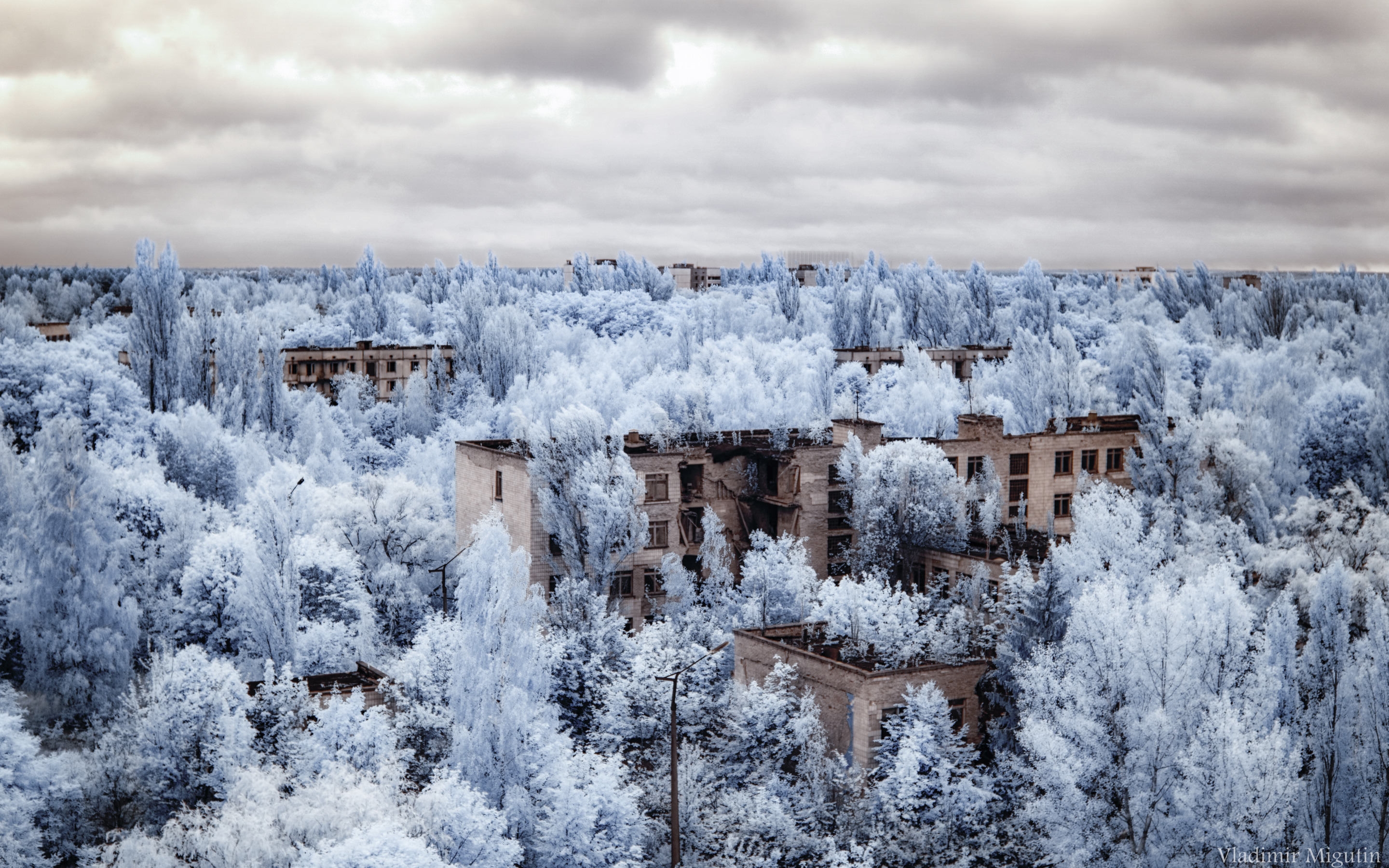
The ghost town of Pripyat, Ukraine.
8)
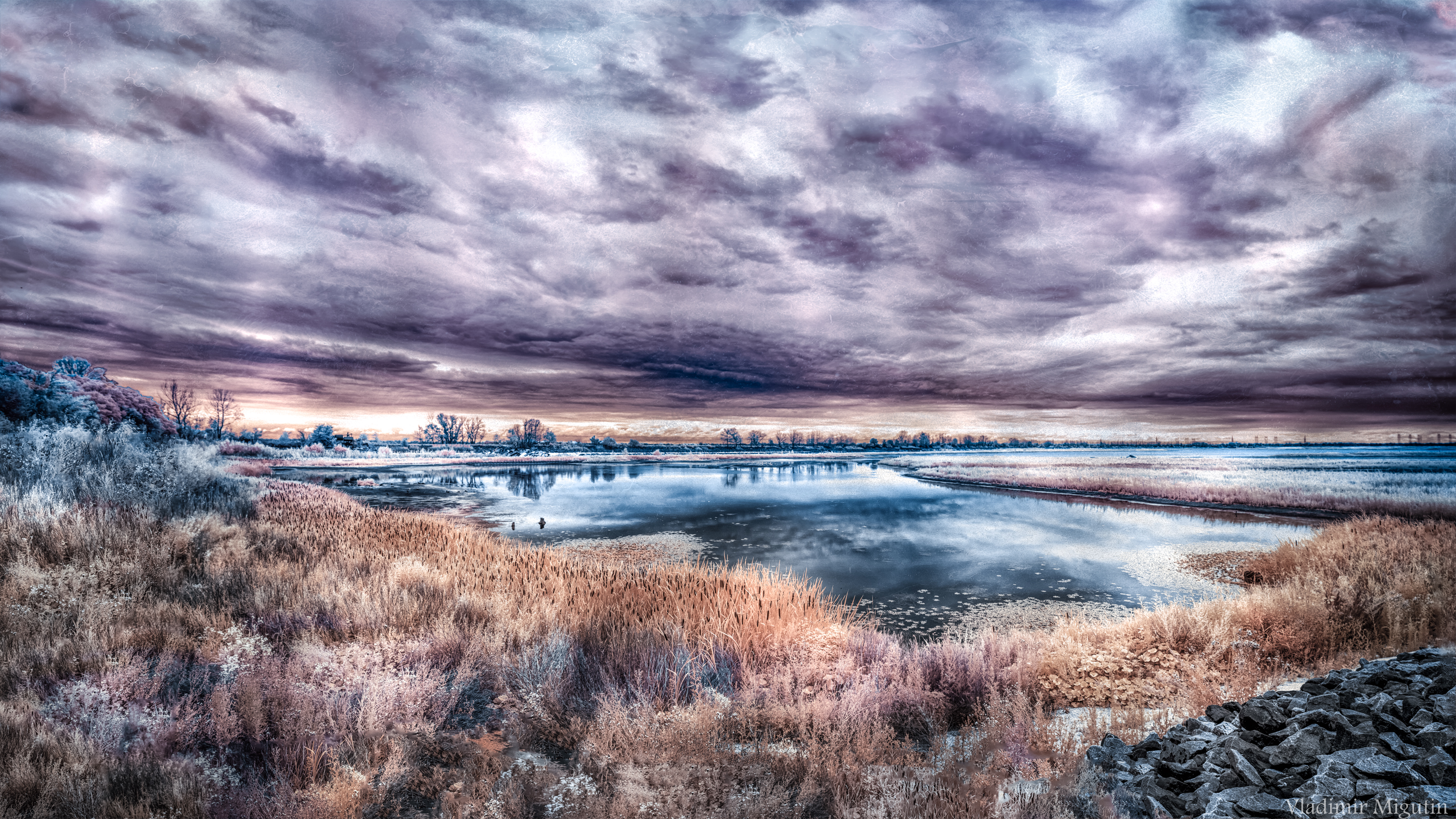
A lake within the Chernobyl Exclusion Zone.
9)

The iconic 26 meter tall Ferris wheel in Pripyat’s amusement park.
10)

The rotting grand piano in the concert hall of the abandoned town of Pripyat.
11)
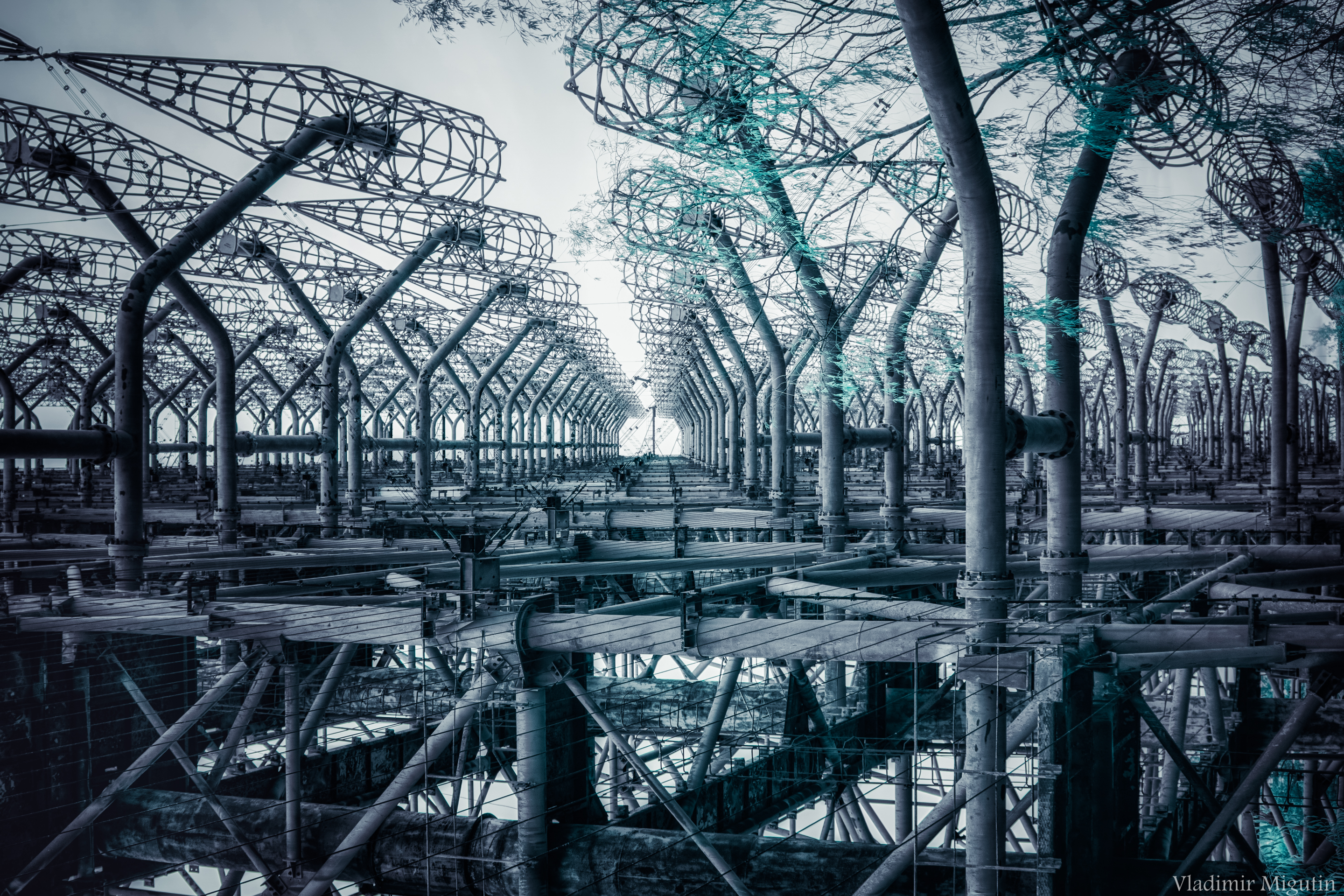
“Duga” radar system, used as part of the Soviet anti-ballistic missile early-warning network.
Shot from the bottom, Chernobyl Exclusion Zone.
12)
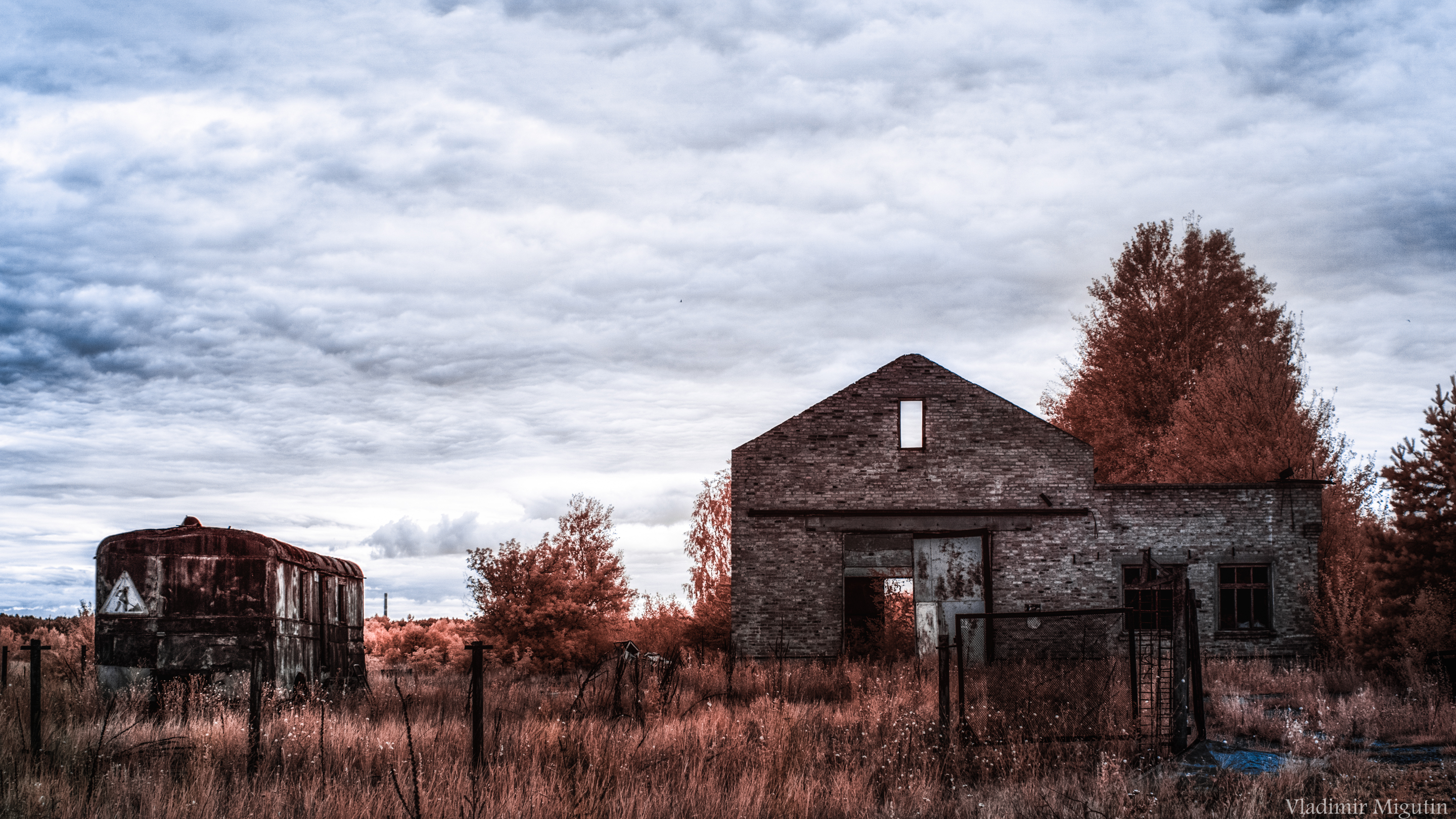
Abandoned farm in Chernobyl Exclusion Zone.
13)
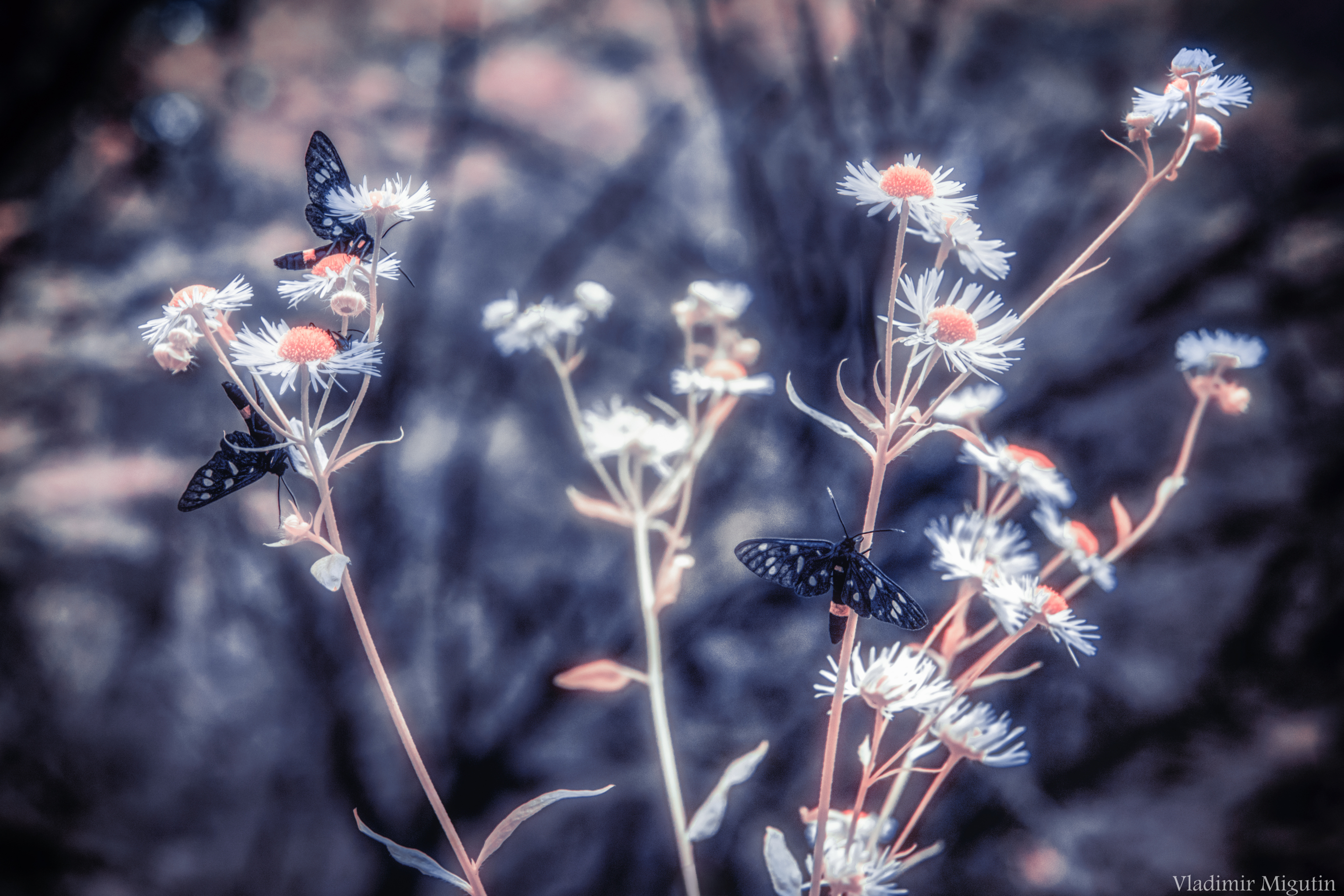
Butterflies and flowers in the forest, Chernobyl Exclusion Zone.
14)
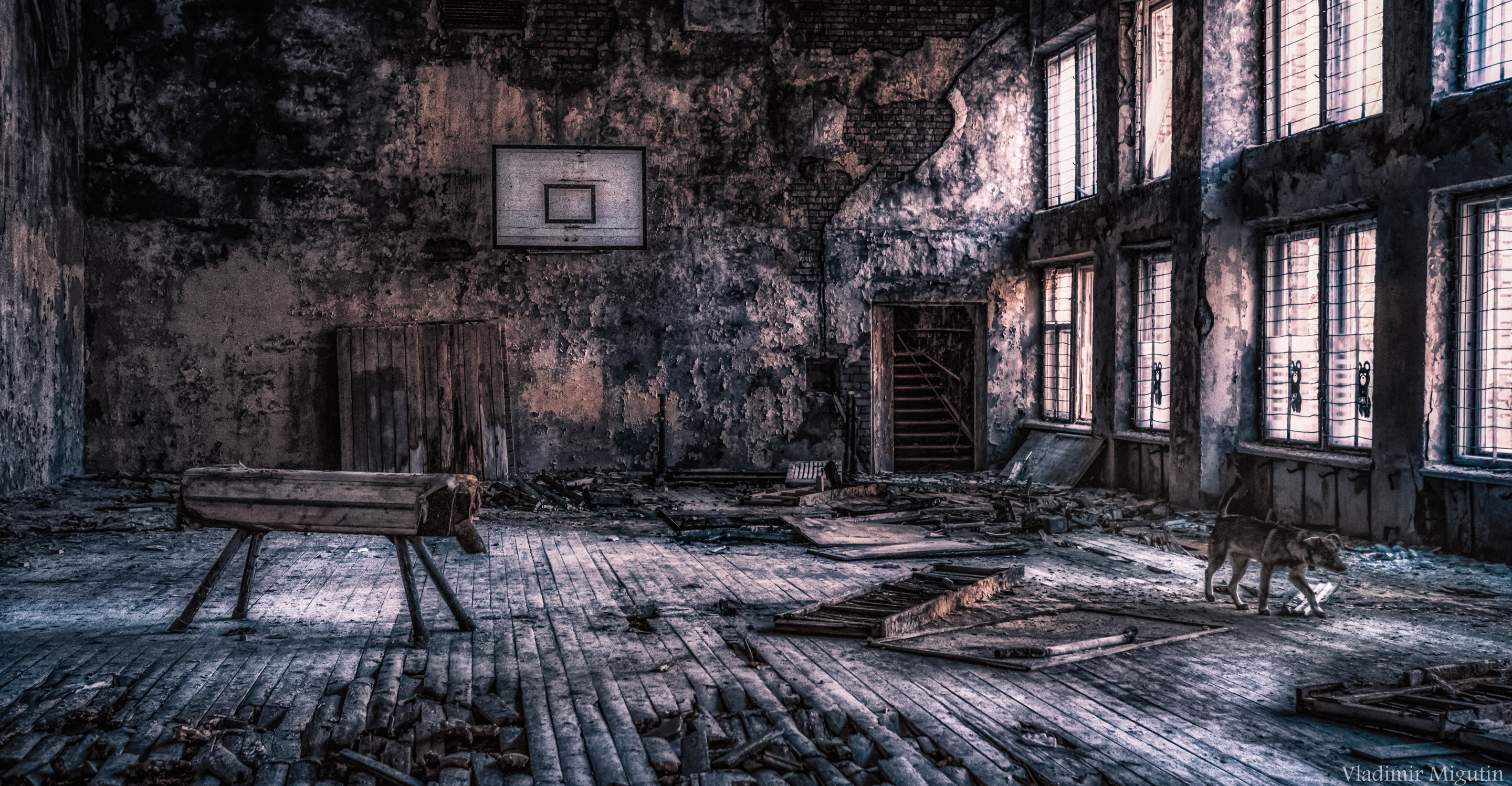
Pripyat Sports hall, Chernobyl Exclusion Zone.
15)
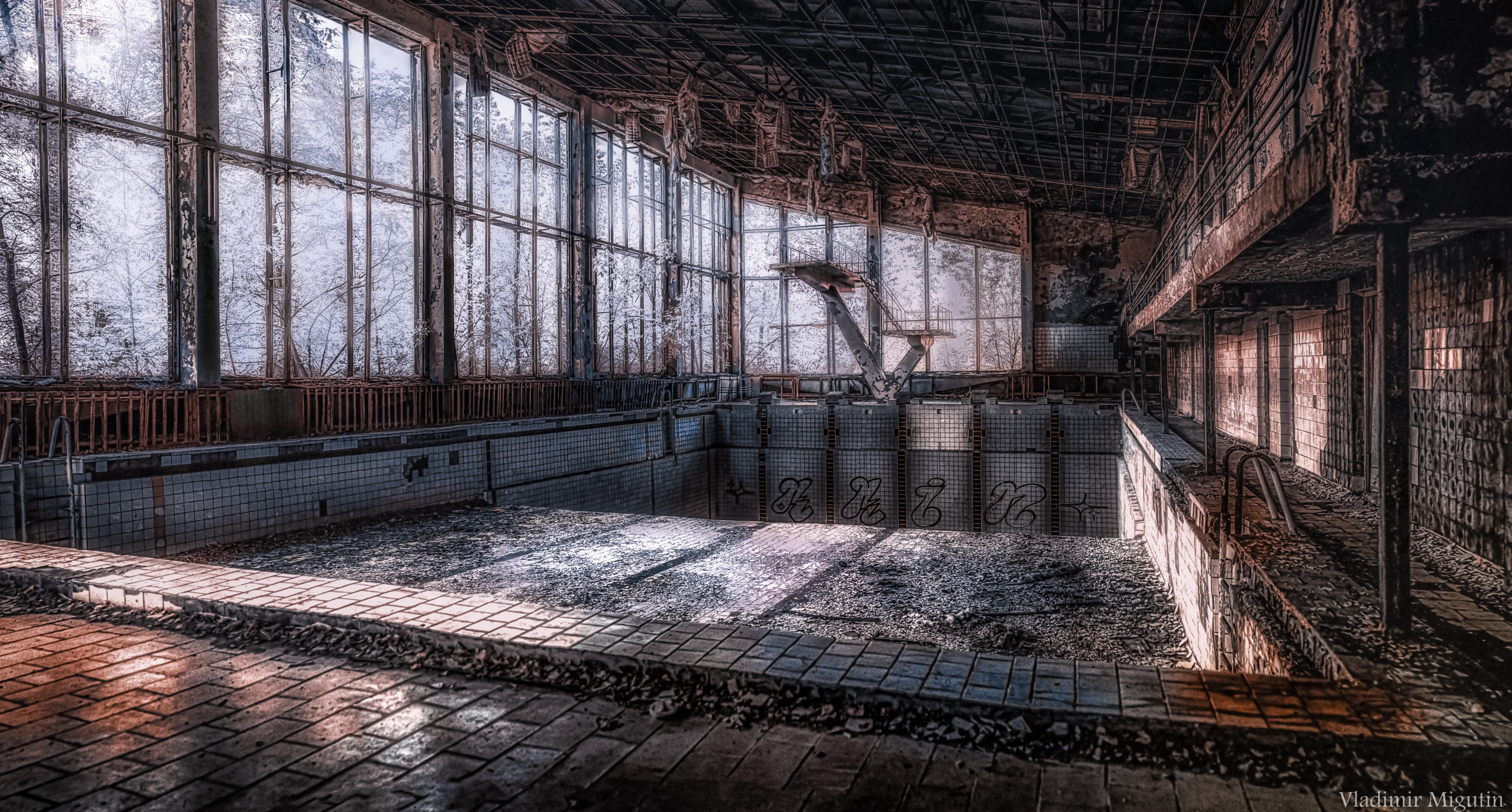
The Azure Swimming Pool in Pripyat, Chernobyl Exclusion Zone.
15 Responses
Beautiful, haunting photographs. This technique highlights the slightly surreal feel of one of the greatest human disasters. Stunning.
Awesome photos. Thank you for sharing. Elizabeth
Can you tell us more about the trip itself? Did you wear a special suit? Did you protect your camera? Can anyone go there? Did you take these photos with a filter for artistic purposes or does it have to do with the radiation in the area? can anyone go there? Thank you.
Hi Kawikart, I didn’t use any special suit. The reactor in Chernobyl is already inactive(as opposed to the one in Fukushima, as an example). The average radiation level is similar to a 10000 meters high flight, and a 2 day trip in this area is not considered very dangerous, also, we were using “Dozimeters”, and quickly got away from high radioactive spots. I took these photos with an artistic purpose – to show what Infrared photography is capable for, draw some attention and interest to the events that happened there, and what is happening there right now.
The higher radiation levels there has no impact on the image, it’s solely the full-spectrum camera, the 590nm filter I bought from Kolari, and post process workflow.
Thanks guys for the warm words, we really appreciate your interest 🙂
Где можно купить фото или просмотреть в высоком разрешении?
These photographs are stunning. I would like to inquire about purchasing prints. Please let me know if this is an option.
Hi Brandyn, thank you very much for the warm words and interest! ?
please contact me on my instagram: http://www.instagram.com/vladimir.migutin
Wonderful use of Infrared to communicate a level beyond what is normally seen, into the emotional impact of such a situation.
Thank you very much for your warm words, Gabrielle! 🙂
The emotional impact at this place is huge, on the one hand it’s a bit eerie, on the other, when you see how nature thrives there, the feeling becomes very pleasant.
Hi! Wonderful art! I am interested in buying some of Your photos to hang on my wall. Possible? Kind regards!
Hi Malin, thank you very much for the warm words! 🙂
please contact me on my instagram: http://www.instagram.com/vladimir.migutin
I love your work, thank you for sharing. I have always wanted to visit the Exclusion Zone, someday perhaps.
Thank you very much, Cindi!
Warmly recommend to visit this place, someday! 🙂