2022 Life in Another Light Photo Contest WinnerFirst Place - Visible Light Photo Essay
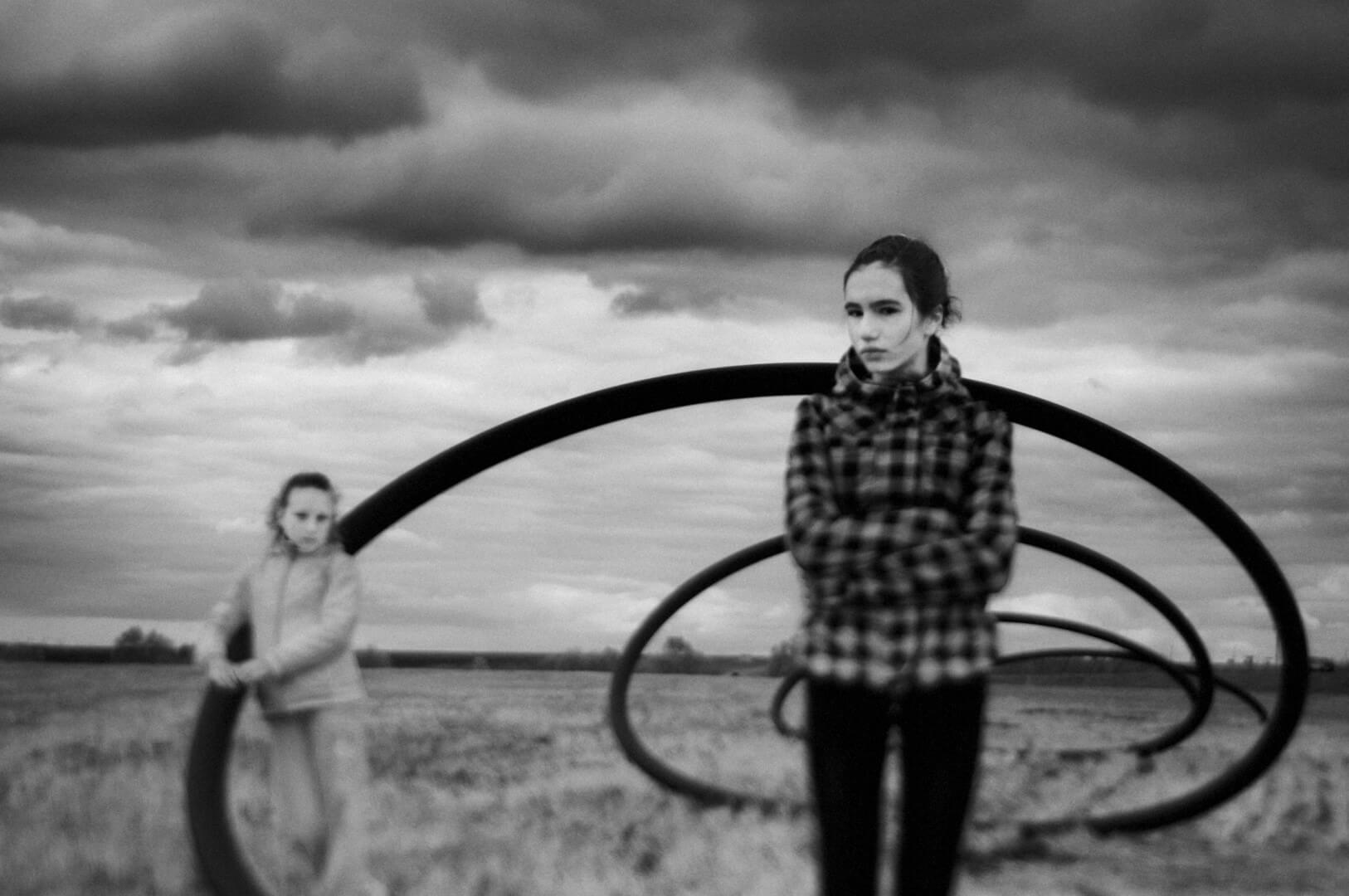
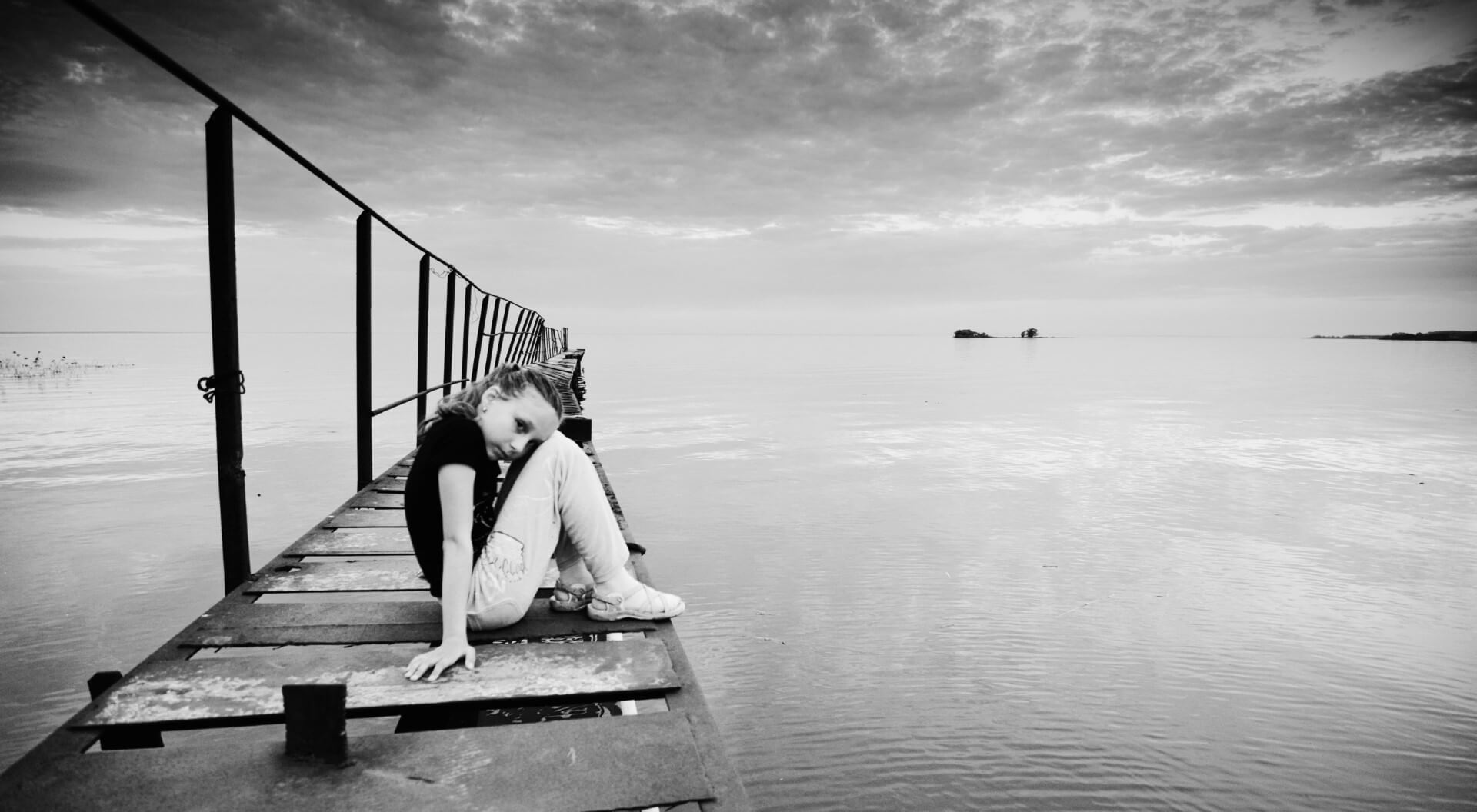
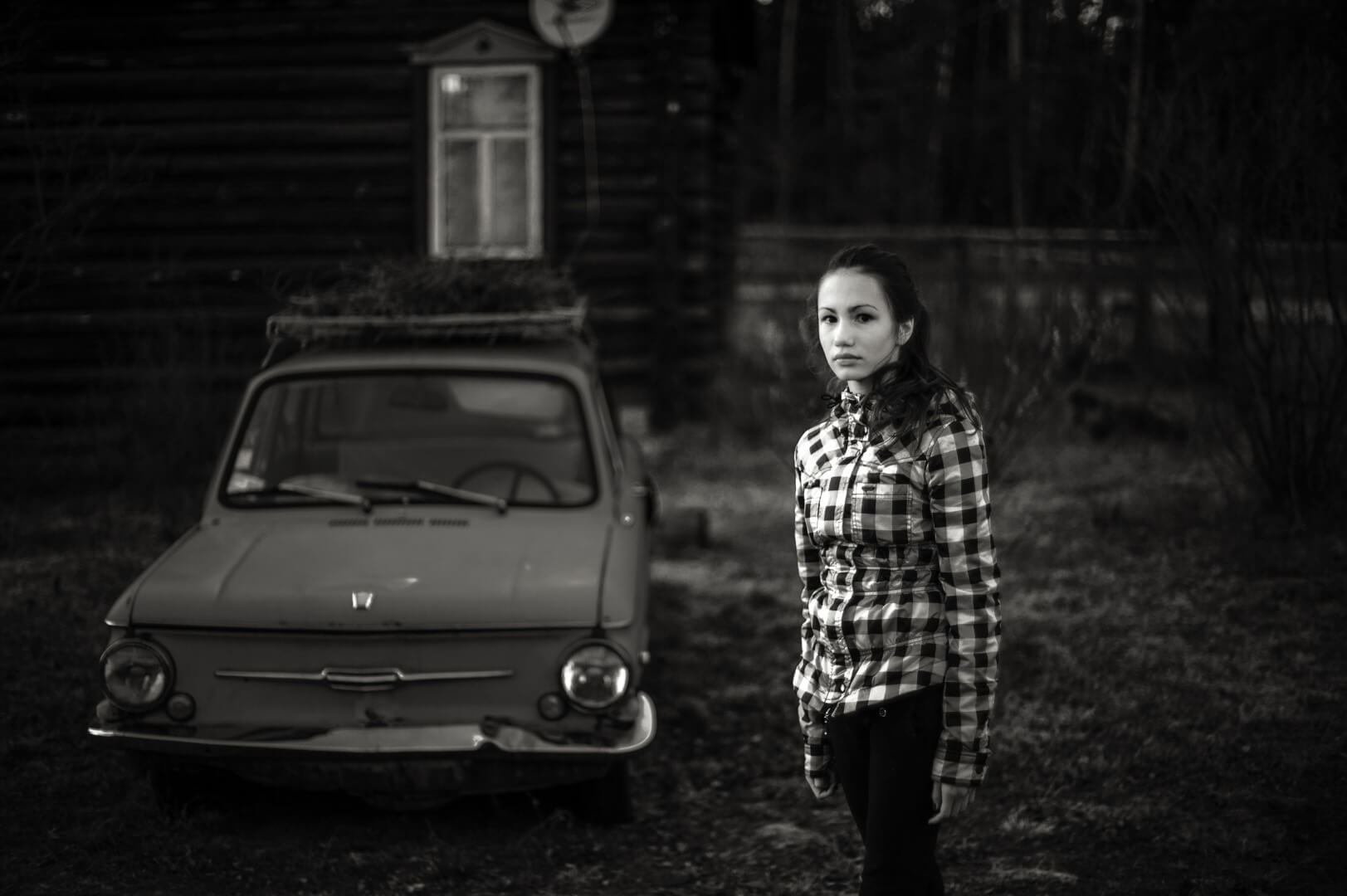
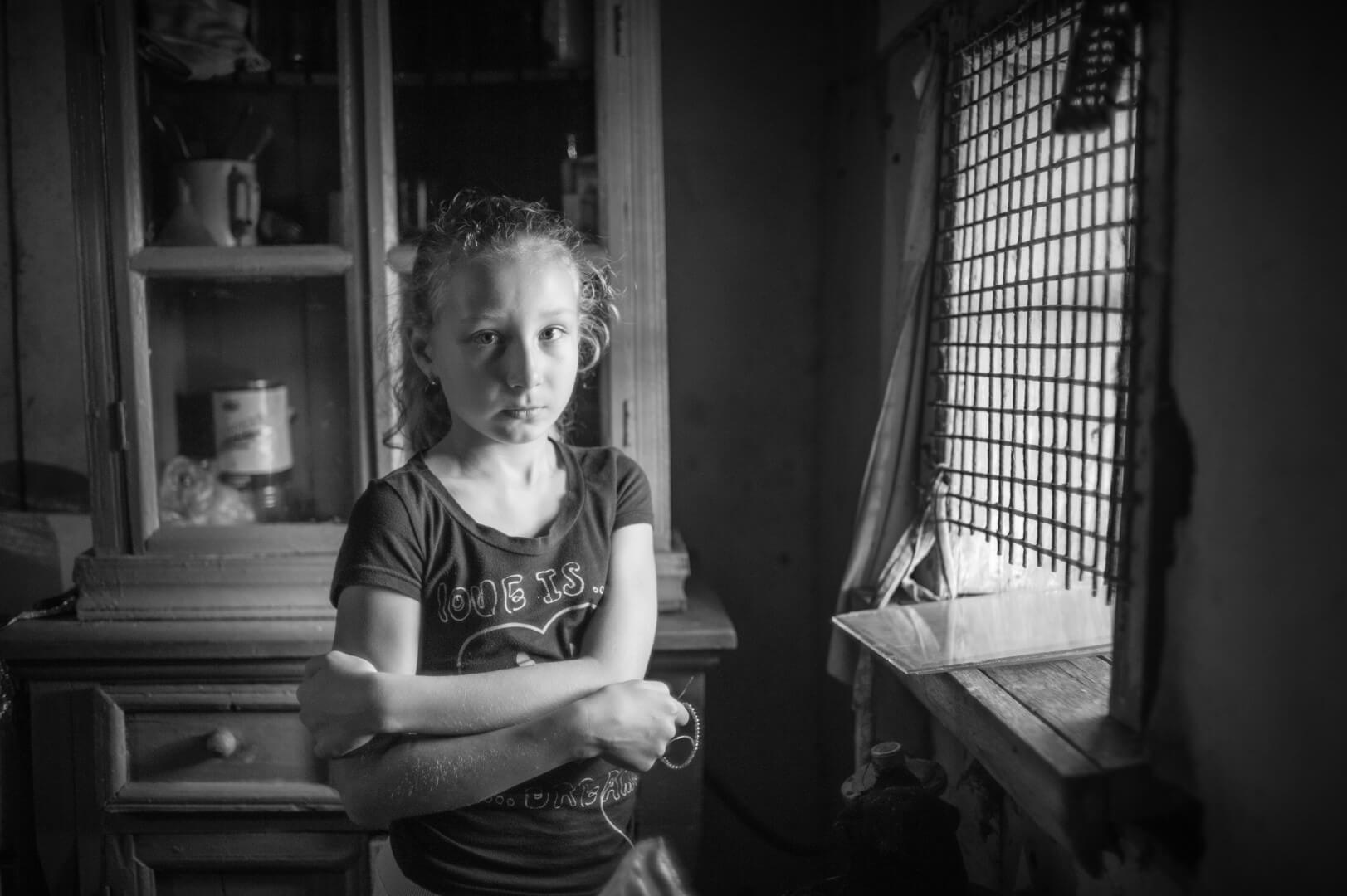
A series is presented by genre portraits of two girls of different ages of 8 and 10 years, girlfriends who, without being sisters on the related line, nevertheless consider themselves sisters — dear people.
People around declare that they are not sisters, but the girls don’t agree with the rumor. Events unite them in their lives, beliefs, friendship, and love. They have found a common language, understanding, and emotional common ground, and though they aren’t similar to each other externally, they feel each other and understand as dear people. It is their main force.
Natasha is the eldest, and Lena is the youngest. As if in a spiral, the younger one goes her way behind the older “sister.” Children of different parents united by a ribbon of communication, common joys, and troubles invisibly connecting the girls with an emotion that has degenerated into a true kinship of souls.
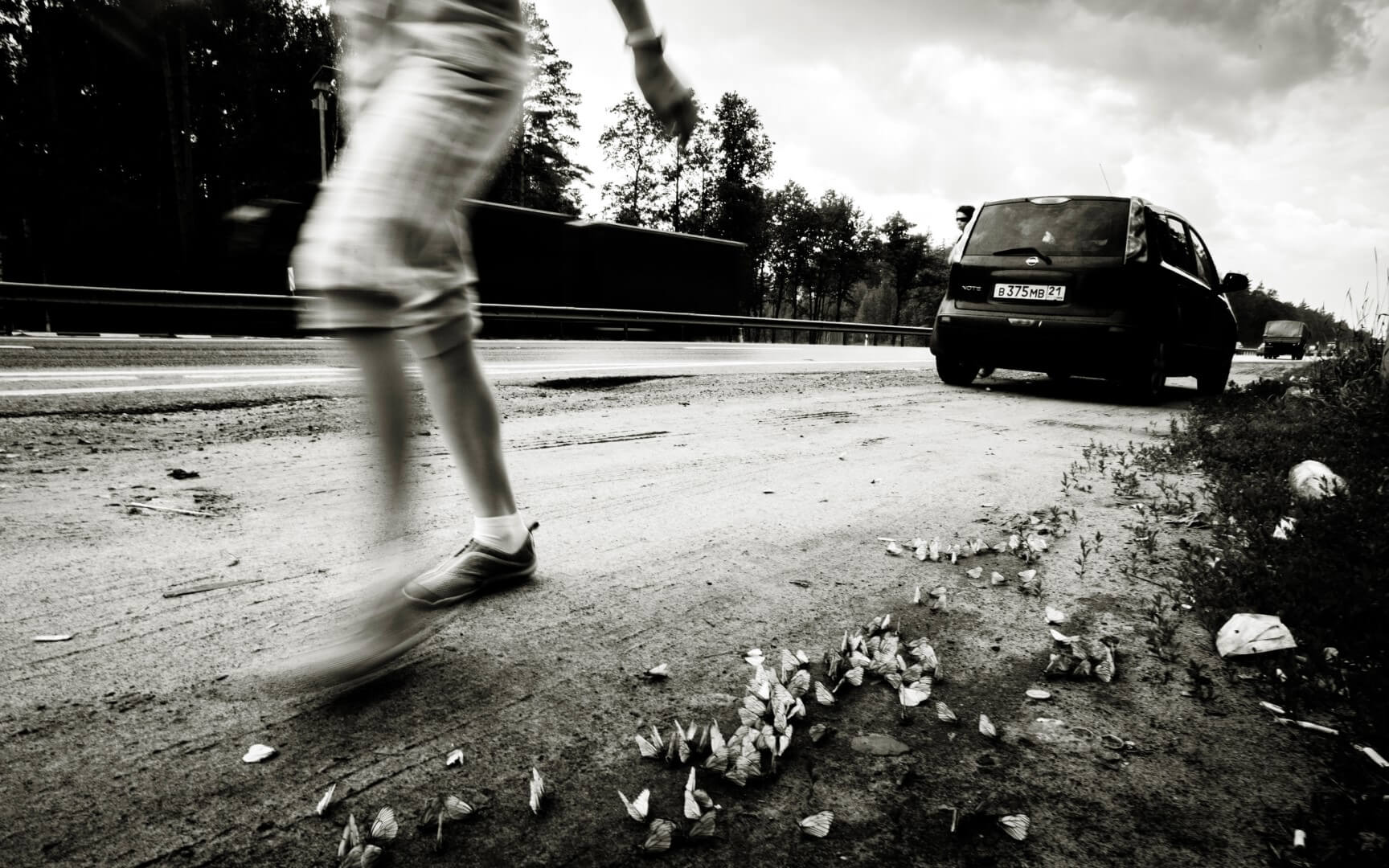
Movement is life. Jump months, years, lifetimes. And it only seems that there is a city, cars, and a road around because outside this rhythm, real live butterflies are on the side of the road.
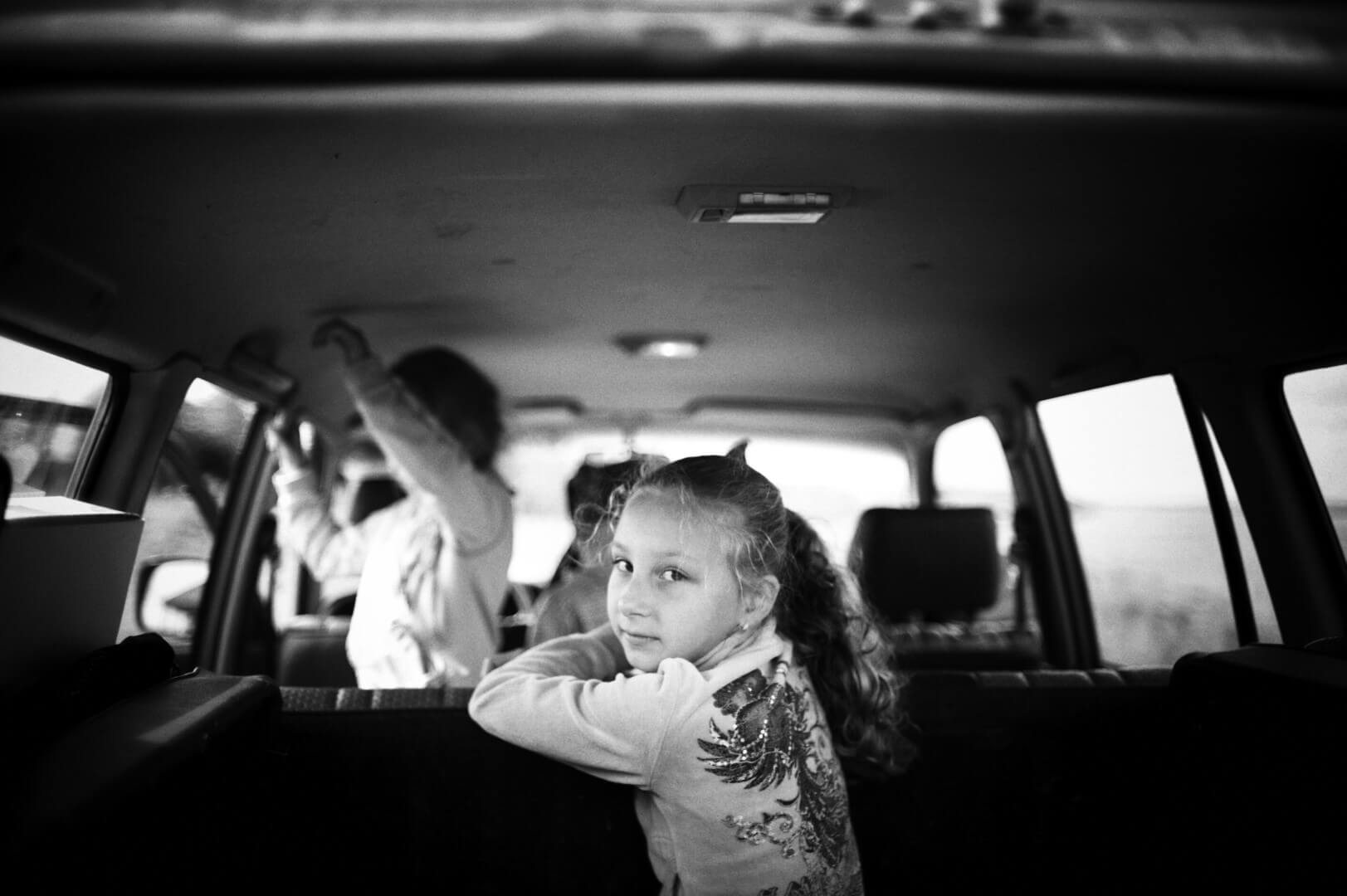
The car is not a means of transportation but a “headquarters.” A place for games, laughter, and subtle whispers. A place where secrets are shared.
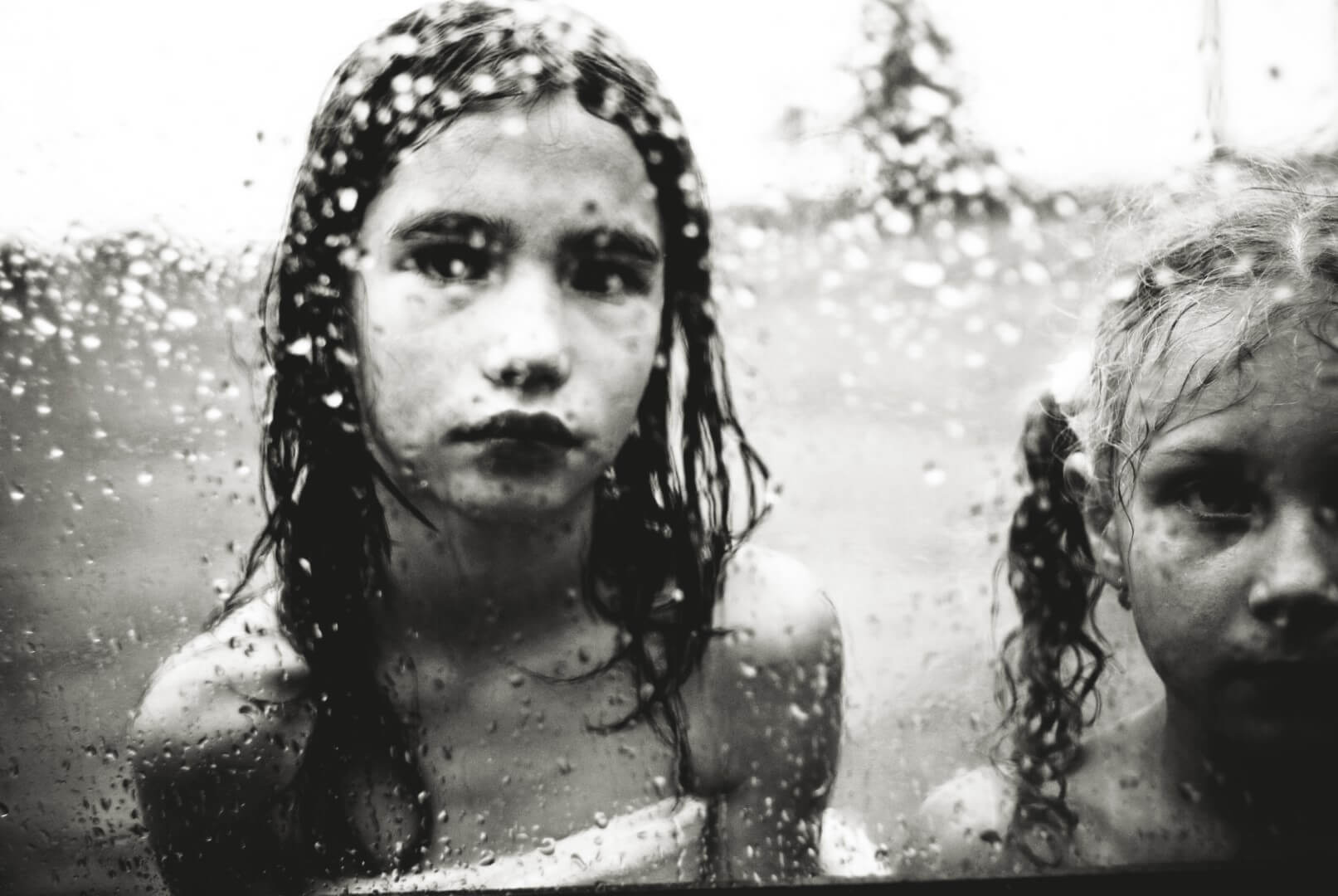
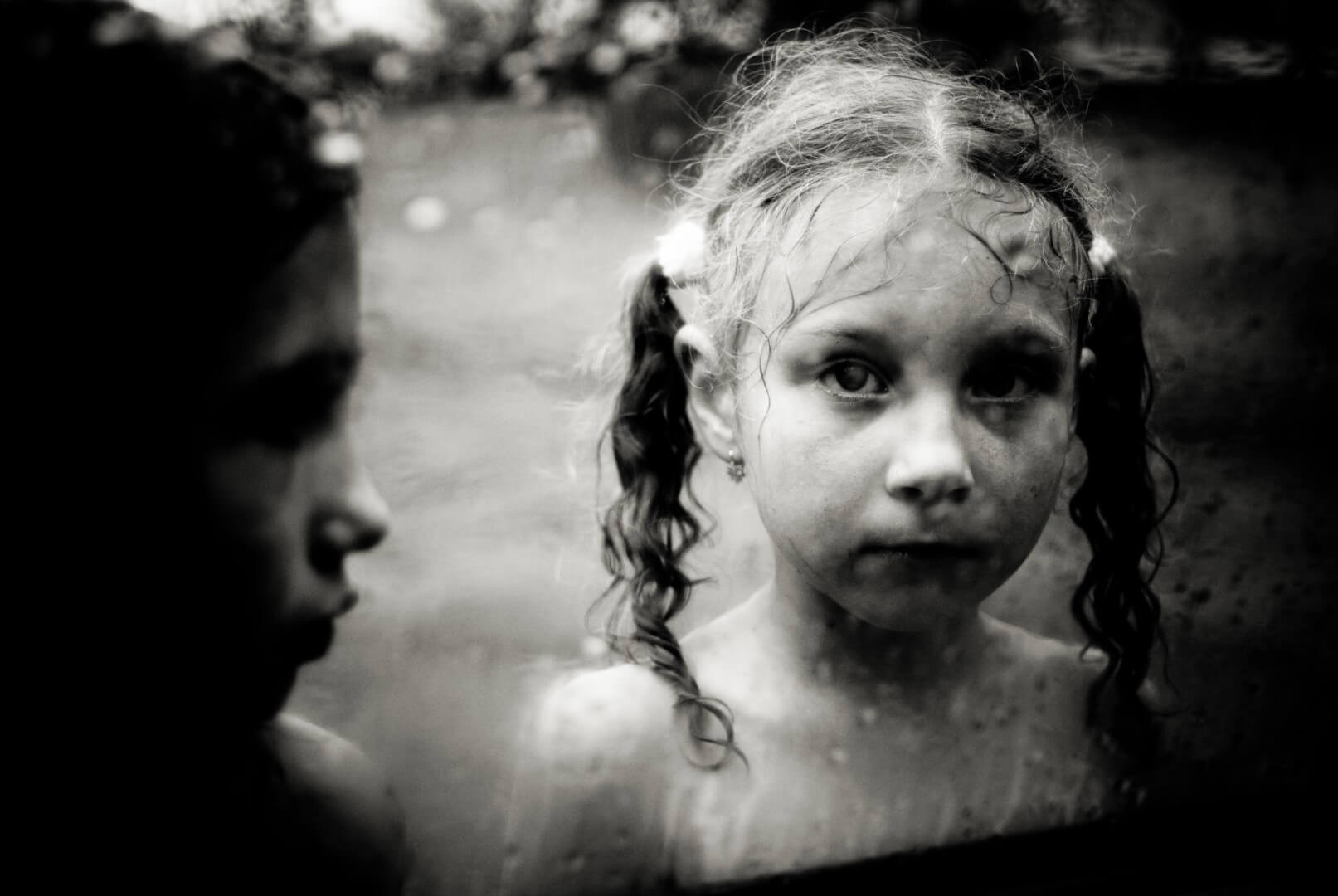
Natasha is interested in the reflection in the raindrops on the glass.
Lena is trying to look further into the changing world behind the glass.
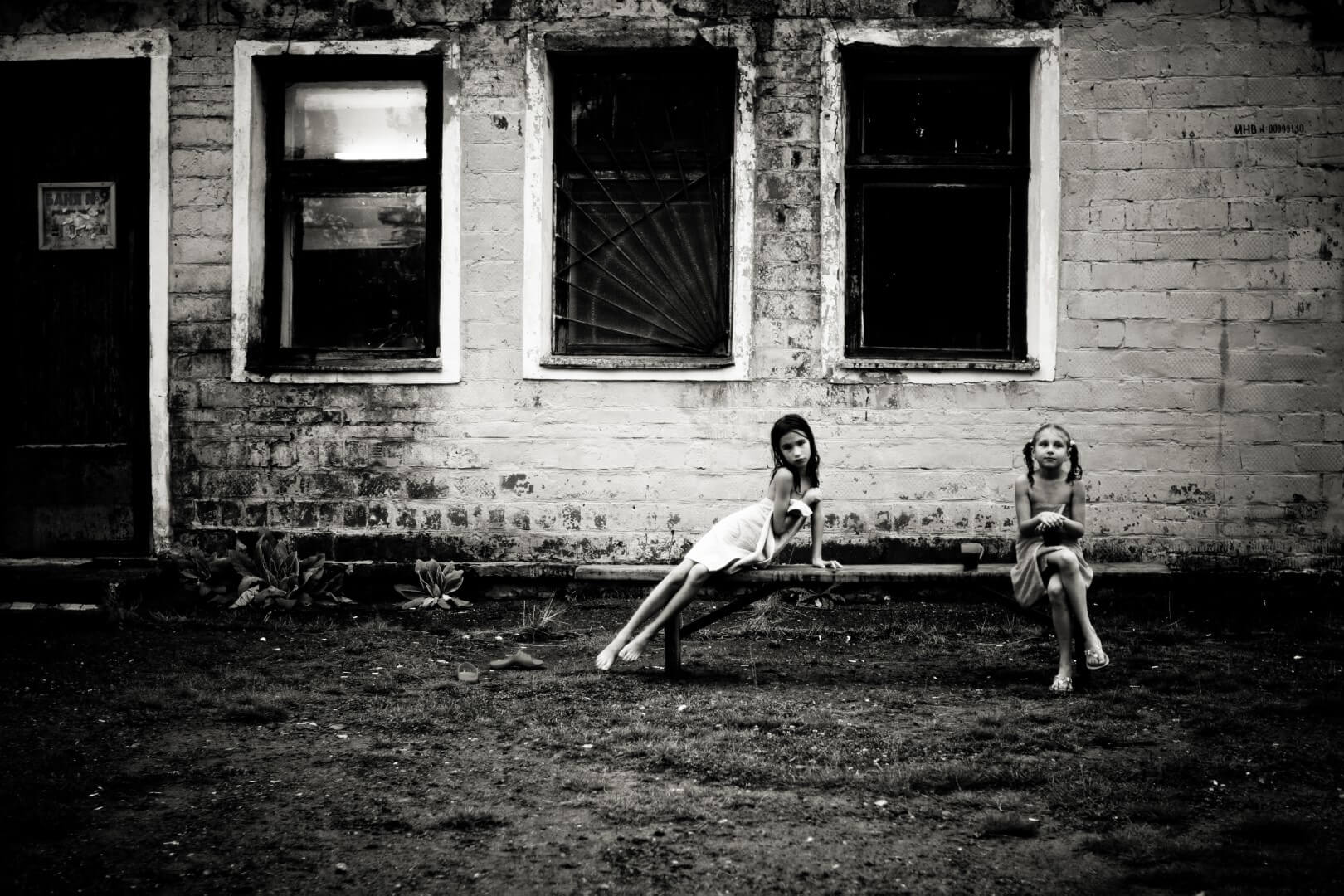
Light steam of the village bath. The smell of wormwood, rain, currant tea, childhood dreams, and adult secrets.
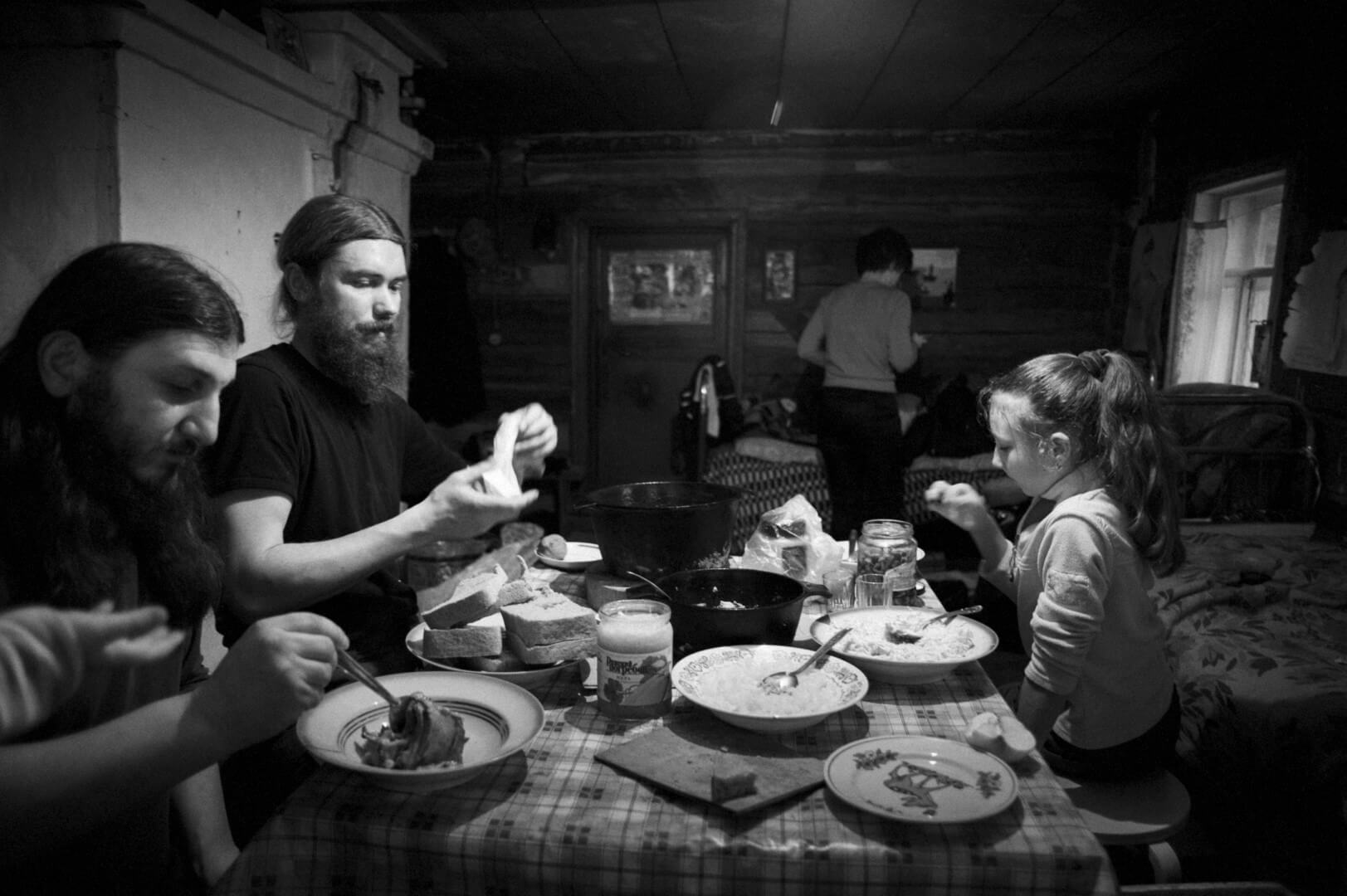
When I eat, I am deaf and dumb. Adults have no secrets.
Natasha is resolute, not to take courage, and Lena approaches everything with caution and interest.
Junior. She doesn’t take offense easily. In solitude, meanings are born.
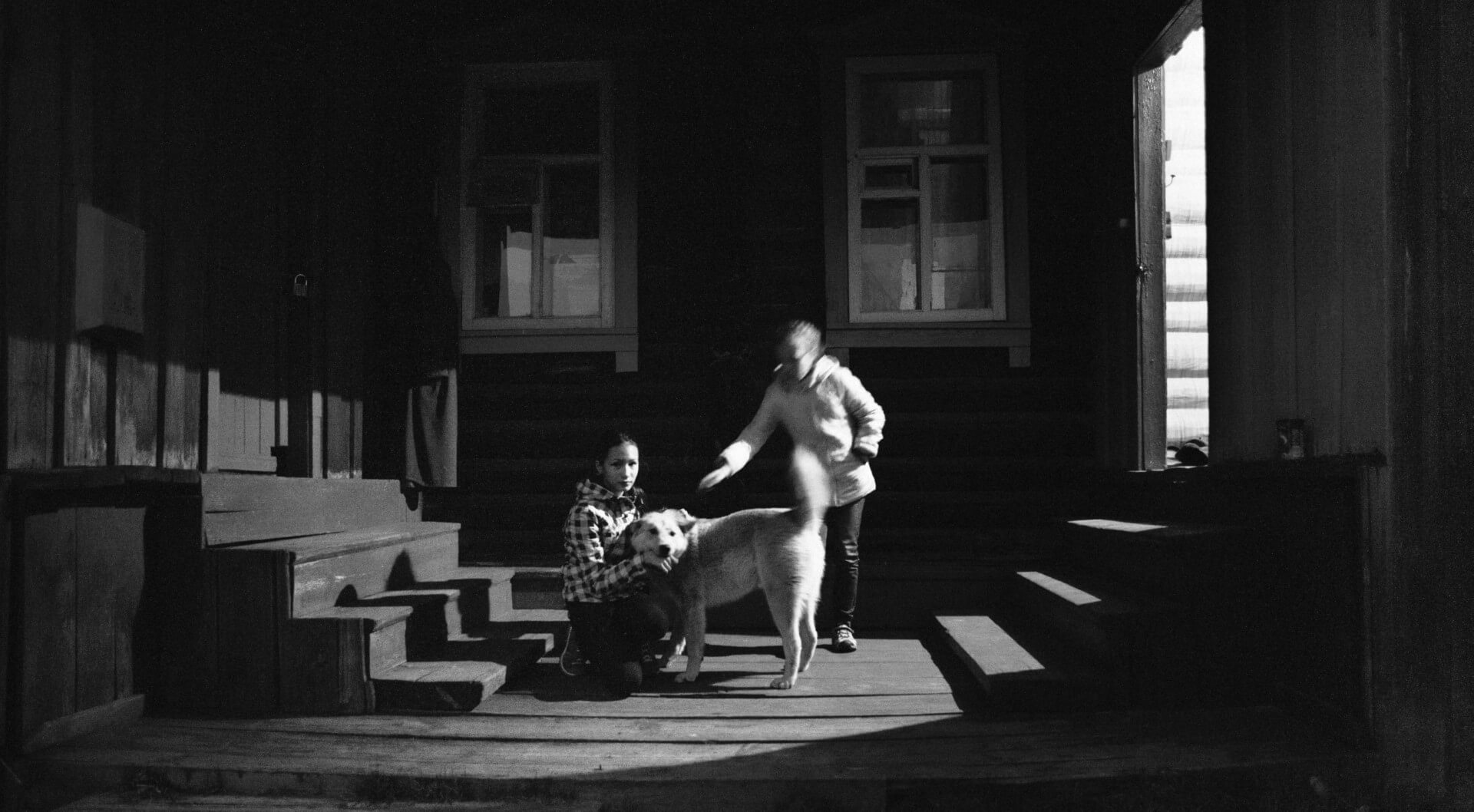
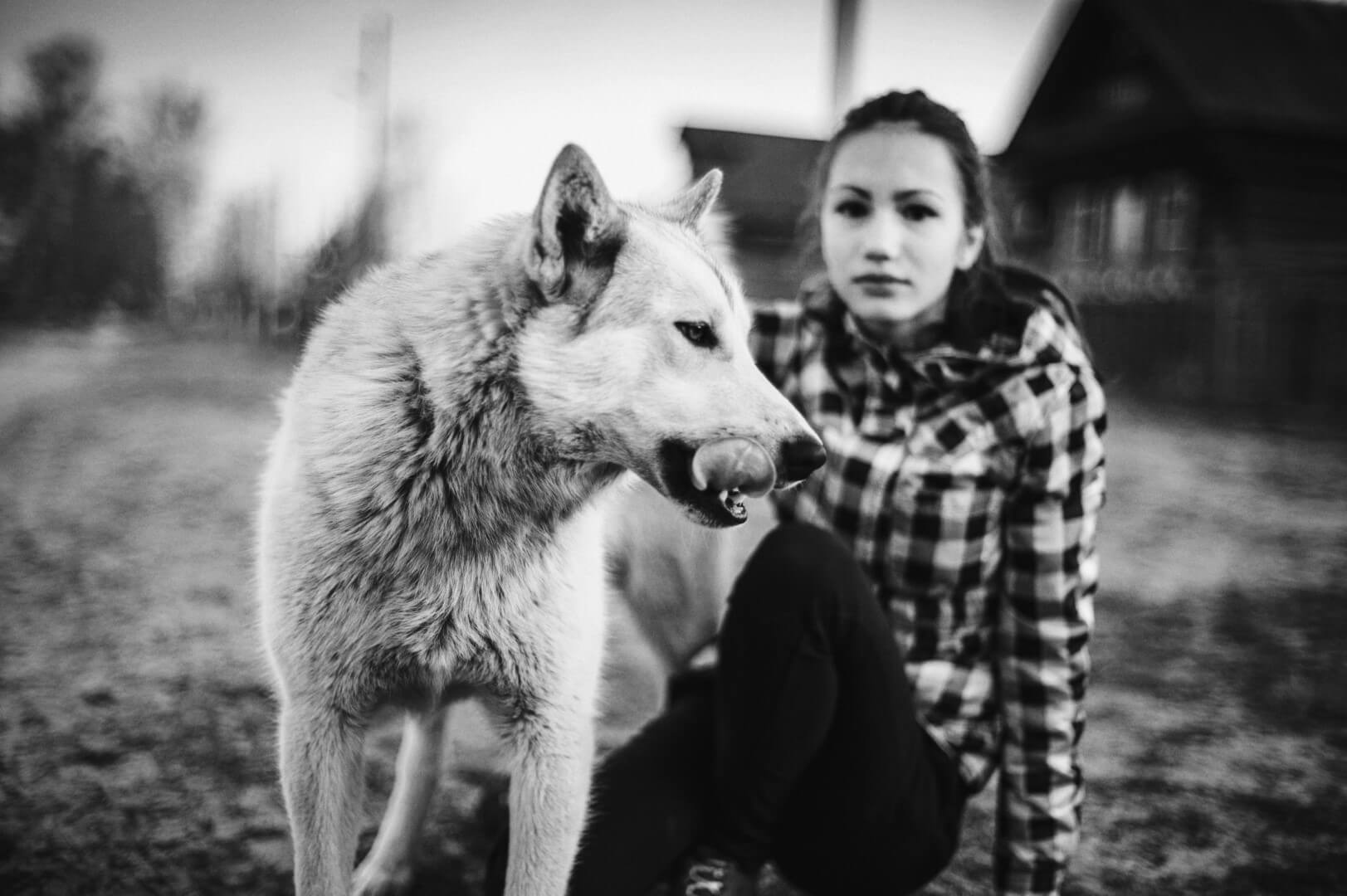
The eldest whispers with the dog because he will not tell anyone.
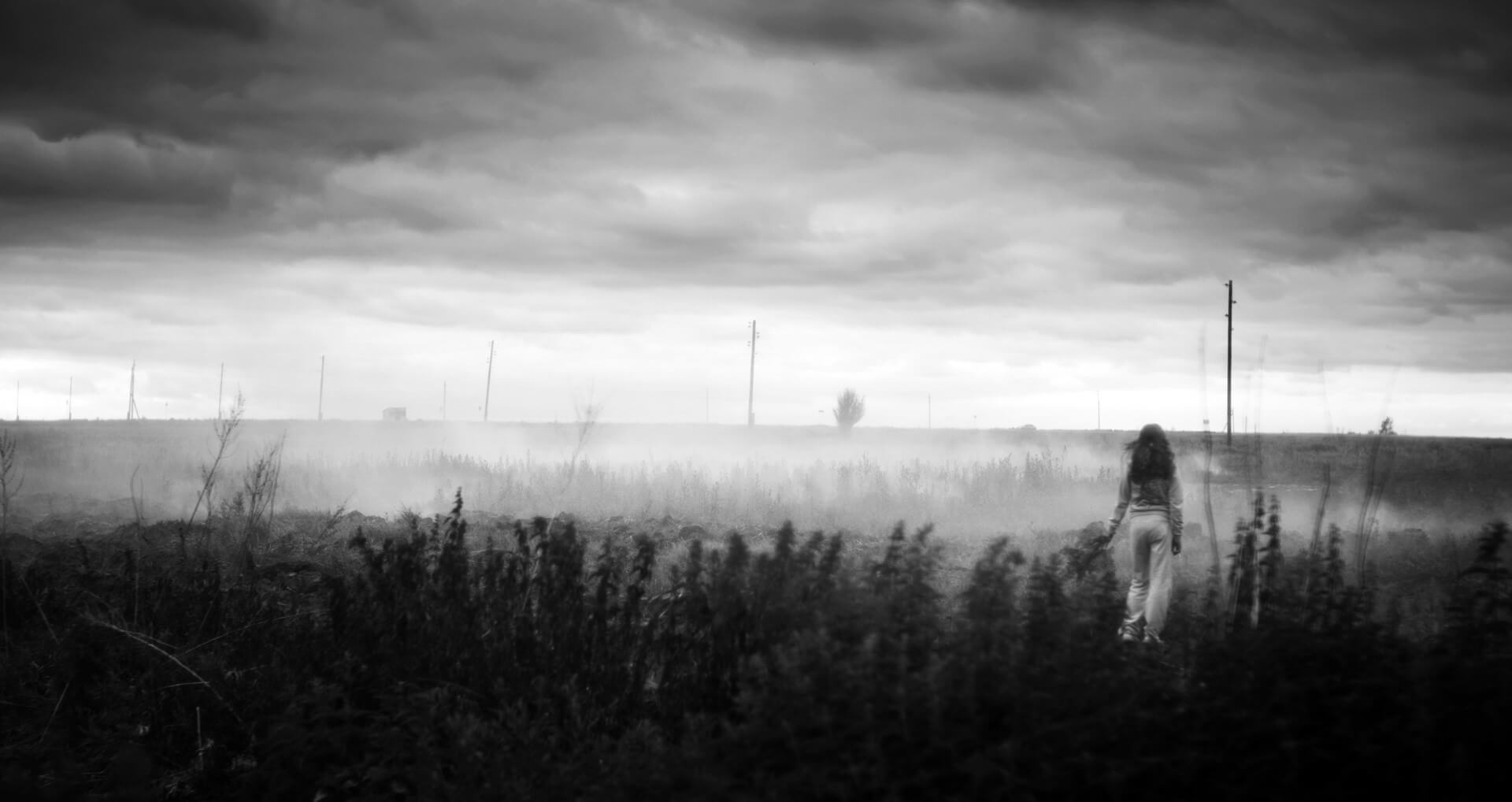
The smoke of burning wormwood, the bitterness of a quarrel.
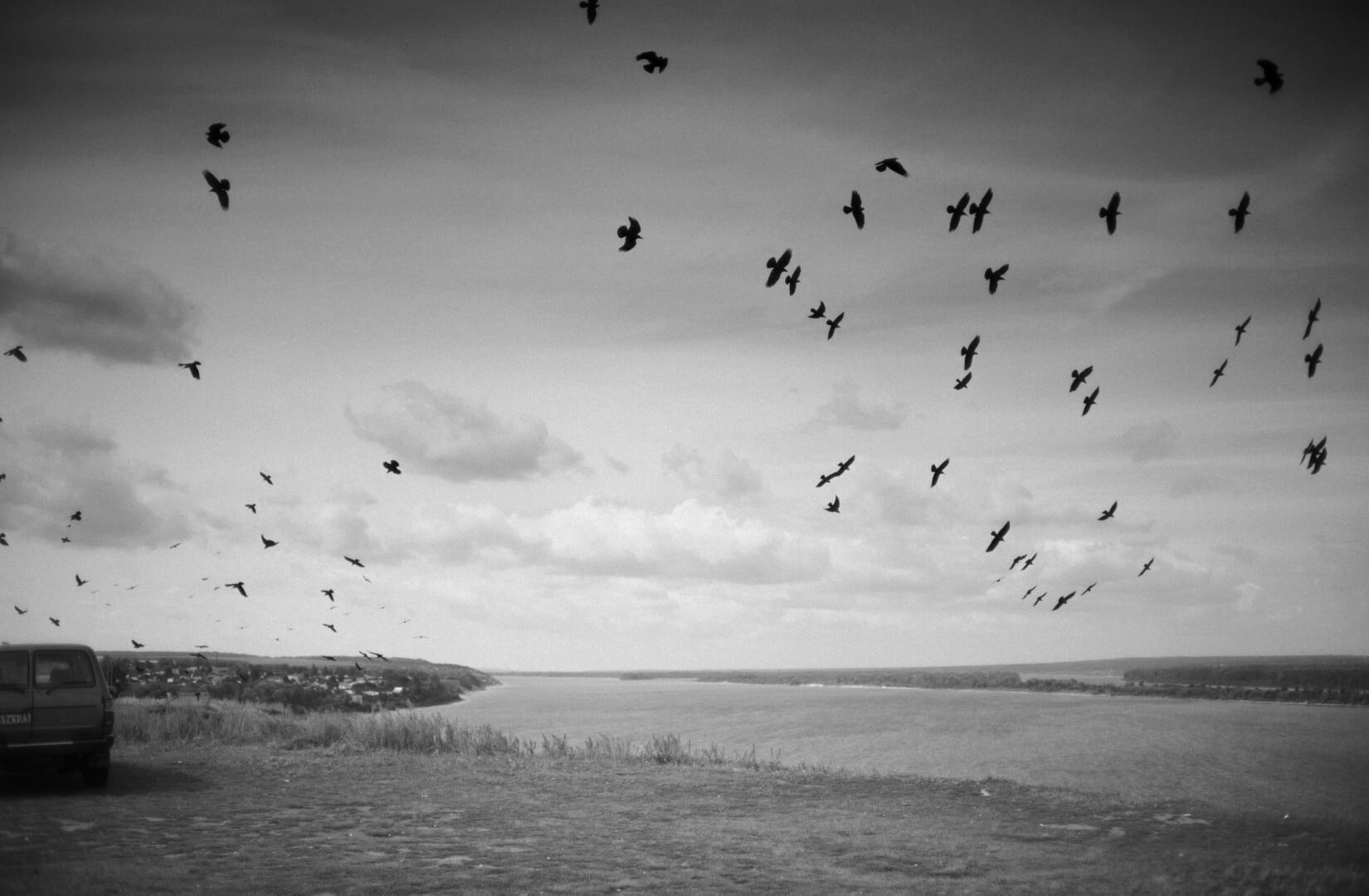
The cries of alarmed birds, as an omen of separation.
Natasha is going to the city.
Lena stays.
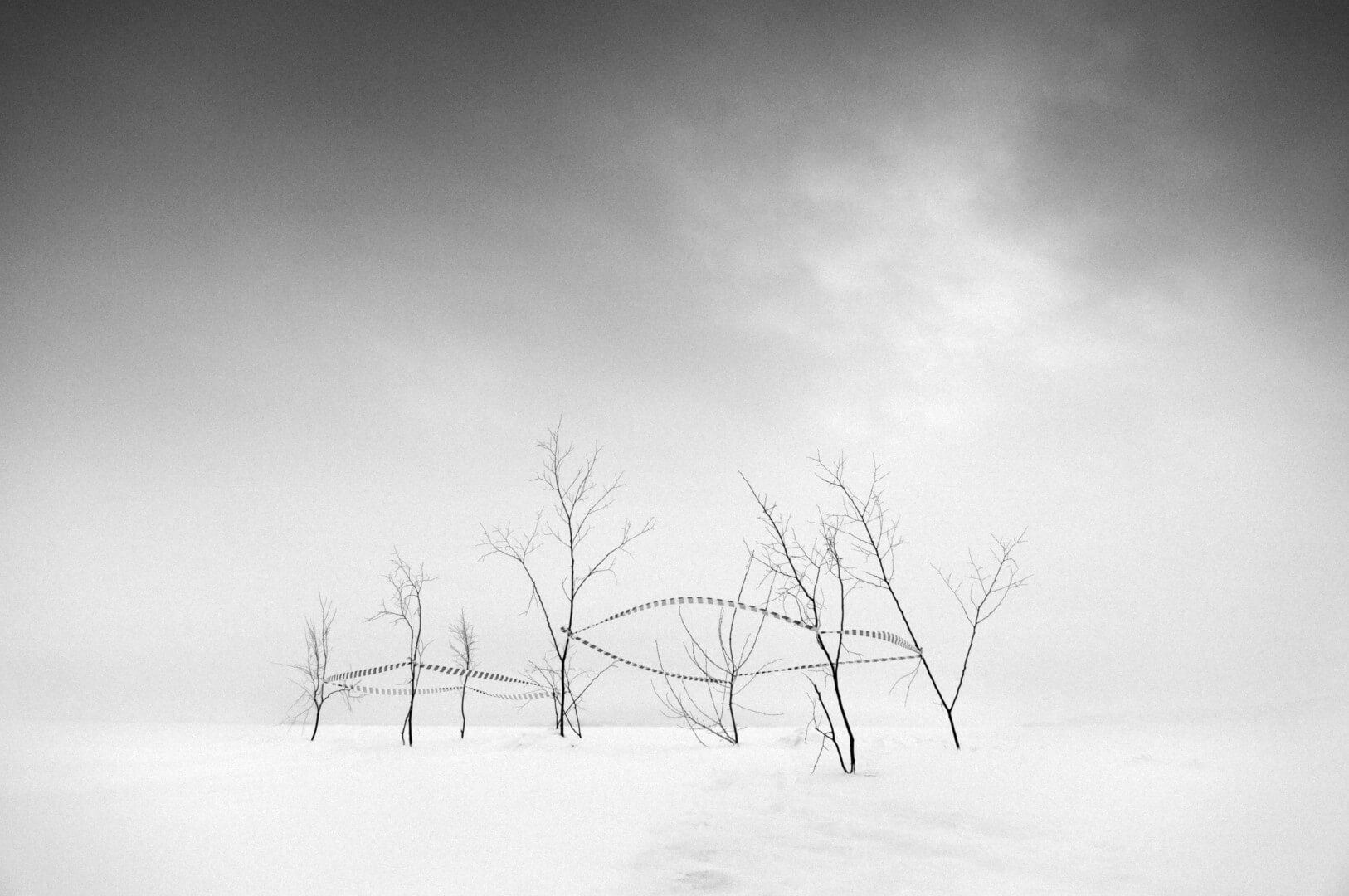
Two different families. Two different fates. And only one sky, one field, one invisible bond.
Sisters Photo Essay FAQs
What Is Sisters About?
Sisters is a visible light photo essay by Yuri Pritisk about two girls, Natasha and Lena, who are not related by blood but consider themselves sisters. Kolari lists it as a 2022 Life in Another Light Photo Contest Winner, taking First Place – Visible Light Photo Essay.
Who Created The Sisters Photo Essay?
The photo essay was created by Yuri Pritisk and published on Kolari Vision on December 27, 2022.
Why Are Natasha And Lena Called Sisters?
Although they come from different families, the essay describes them as emotionally connected through friendship, shared joys, troubles, beliefs, and love. The post presents their bond as a true “kinship of souls.”
What Story Does The Photo Essay Tell?
The essay follows small childhood moments: movement, games, secrets in the car, rainy windows, village bath steam, quarrels, whispers, solitude, and eventual separation. These moments build a quiet story about intimacy, change, and growing apart.
What Is The Main Theme Of Sisters?
The main theme is chosen family — the idea that emotional closeness can create a bond as meaningful as biological sisterhood. The closing line reinforces this with “two different families, two different fates,” but one invisible bond between the girls.