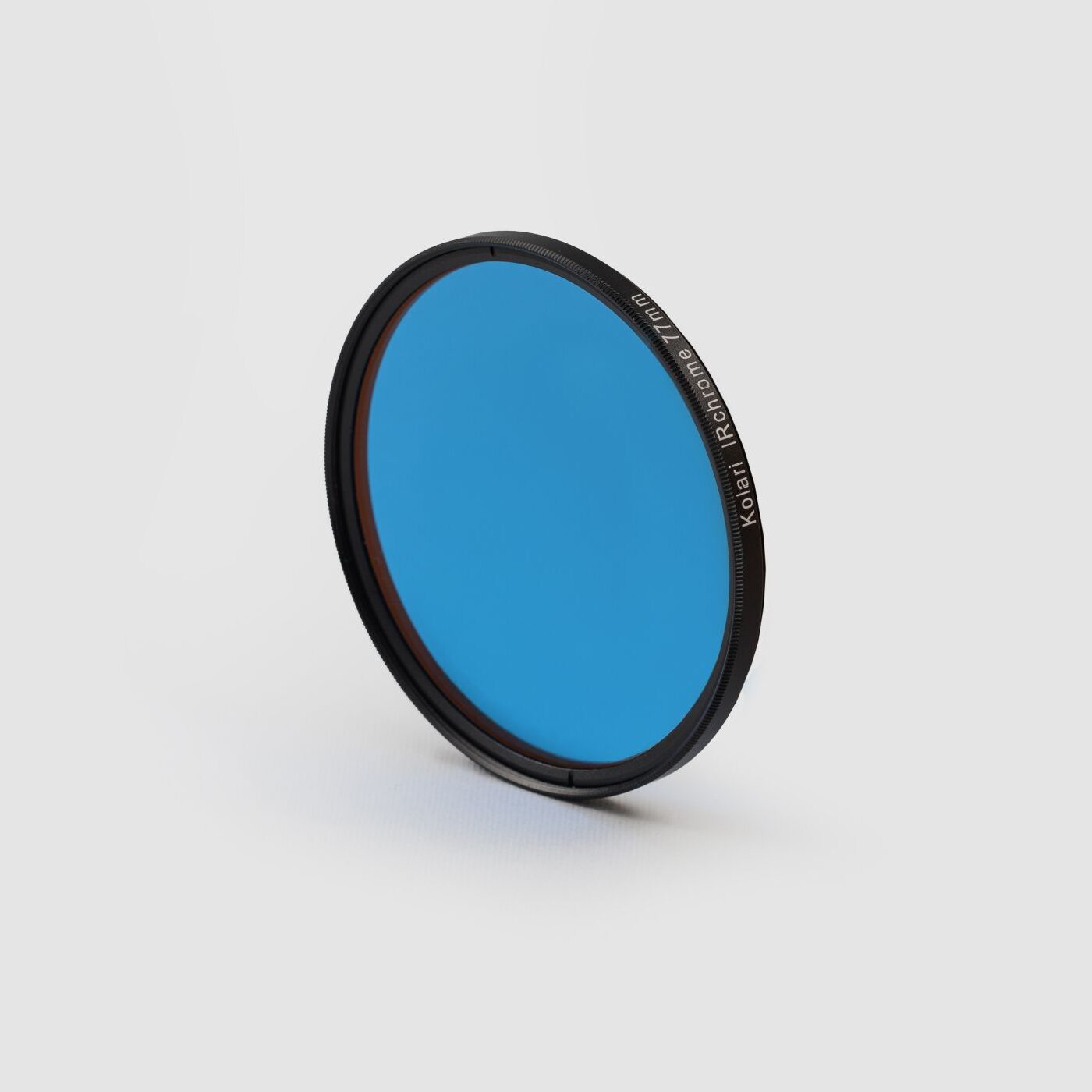
No matter what kind of photography you shoot, there’s no denying that filters are the simplest way to take your work to the next level. In this article, we’re going to cover the four filters every photographer needs to have in their kit.
1. ND Filters
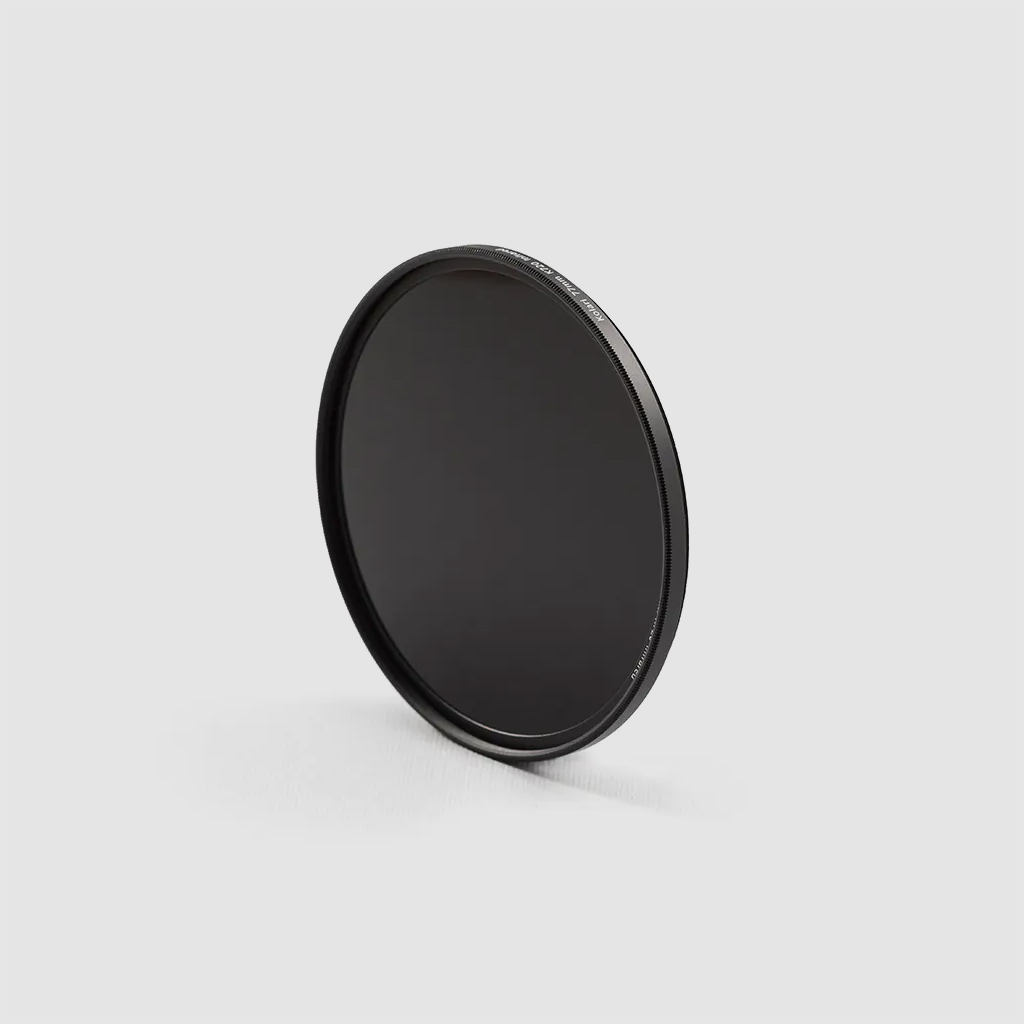
The ability to shoot in virtually any lighting conditions without having to compromise your camera settings is what the ND is all about. Neutral density filters can come in handy in a variety of common situations. Whether you’re shooting long exposures, motion blur, or in bright sunny weather, you will most often need an ND filter to achieve your desired results.
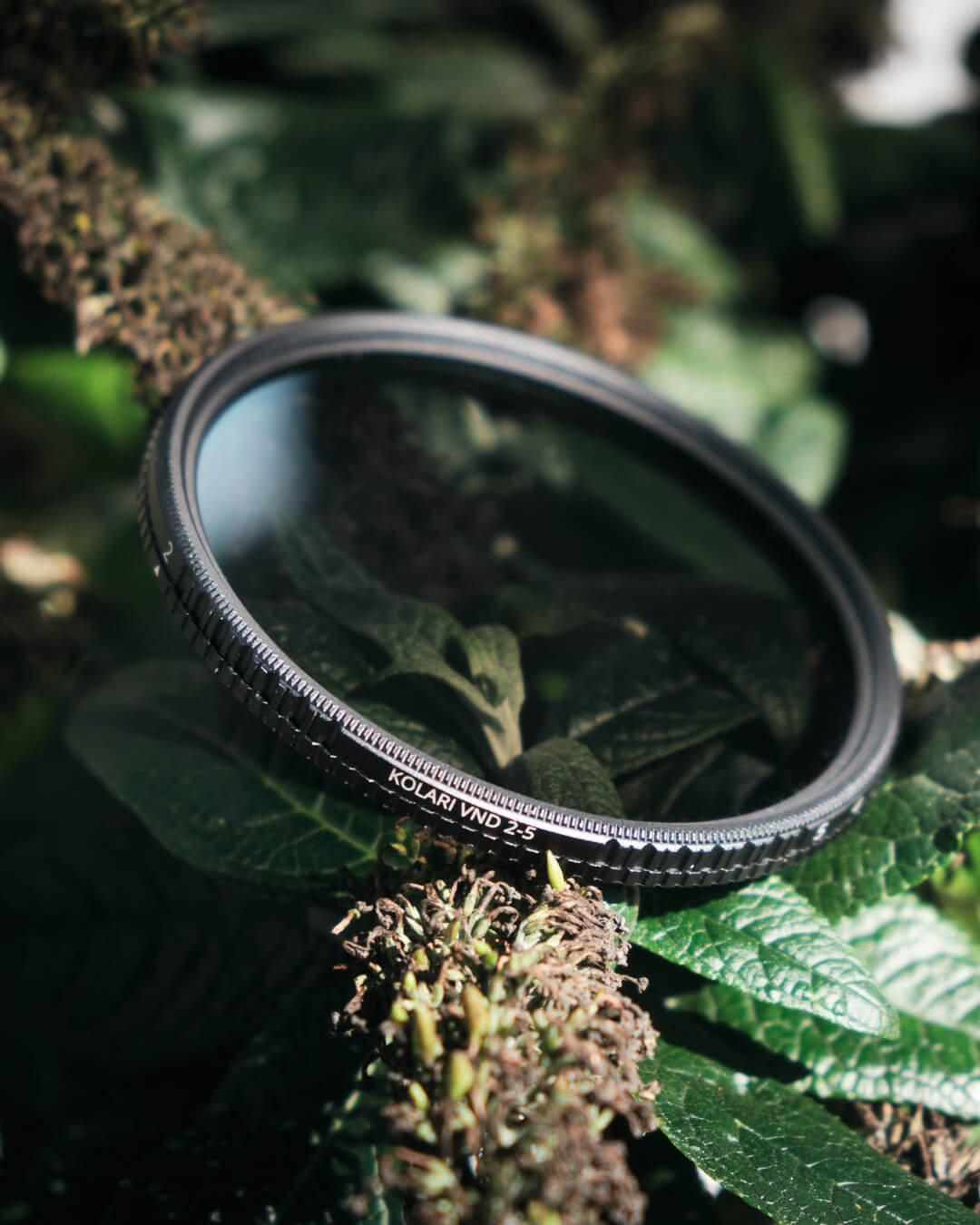
2. VND Filter
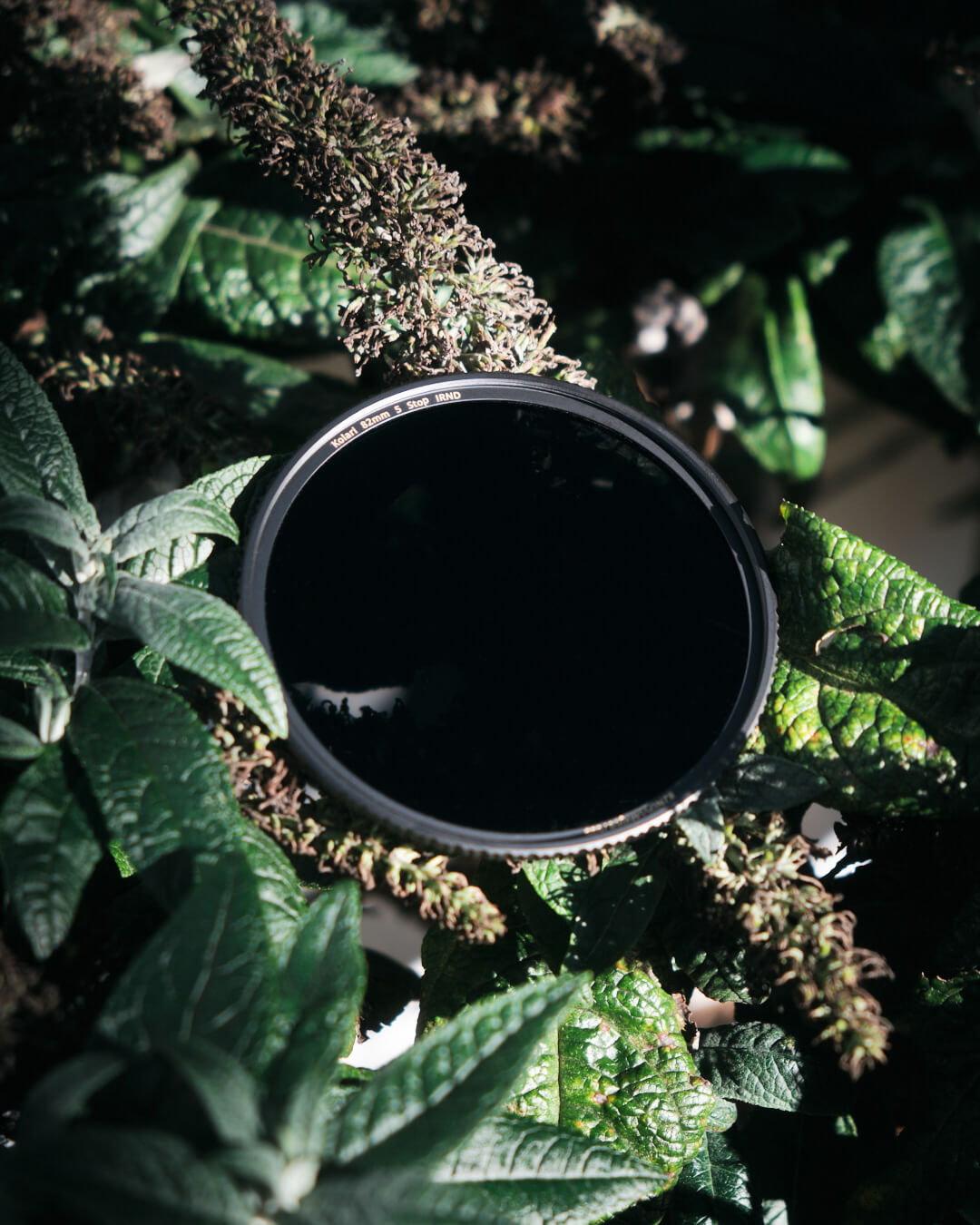
A variable neutral density filter, or VND, is an absolute must if you frequently deal with changing lighting conditions. Especially perfect for outdoor or travel photographers and videographers, a VND allows you to quickly change your ND setting just as fast as the light changes intensity. In addition to speed, having a variety of stops in a single ND filter helps to save valuable space when packing for a trip or location shoot. You’ll often see VND filters offer a range of either 2-5 or 6-9 ND stops.
3. CPL Filter
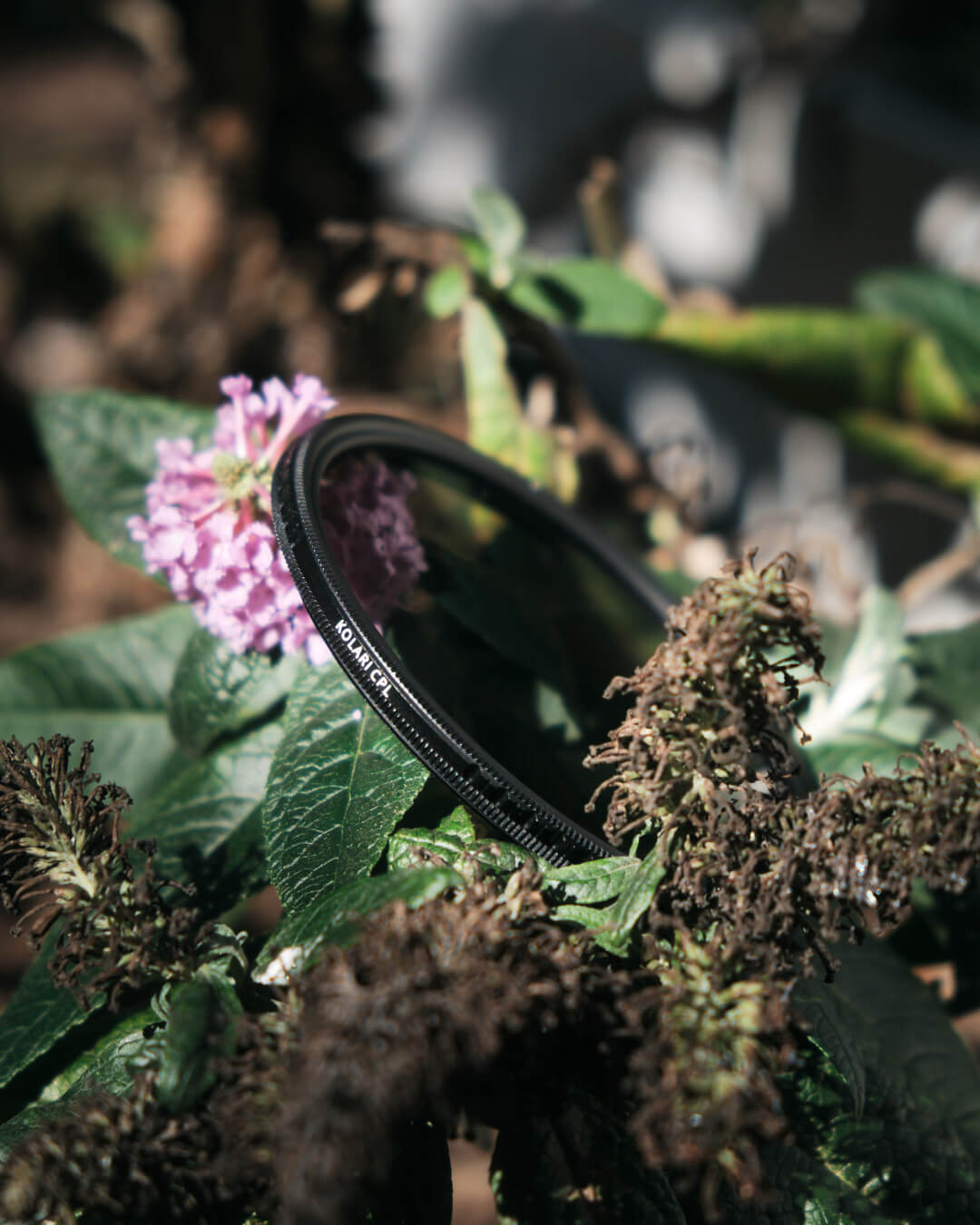
Pesky reflections and hazy conditions can ruin an otherwise perfect shot. With a circular polarizing filter, you are able to significantly reduce or completely eliminate these glaring artifacts from your images before you even press the shutter button. A CPL allows you to dial in the right amount of polarization necessary for your scene and can save you lots of time removing unwanted reflections in post-production.
4. Dark CPL Filter
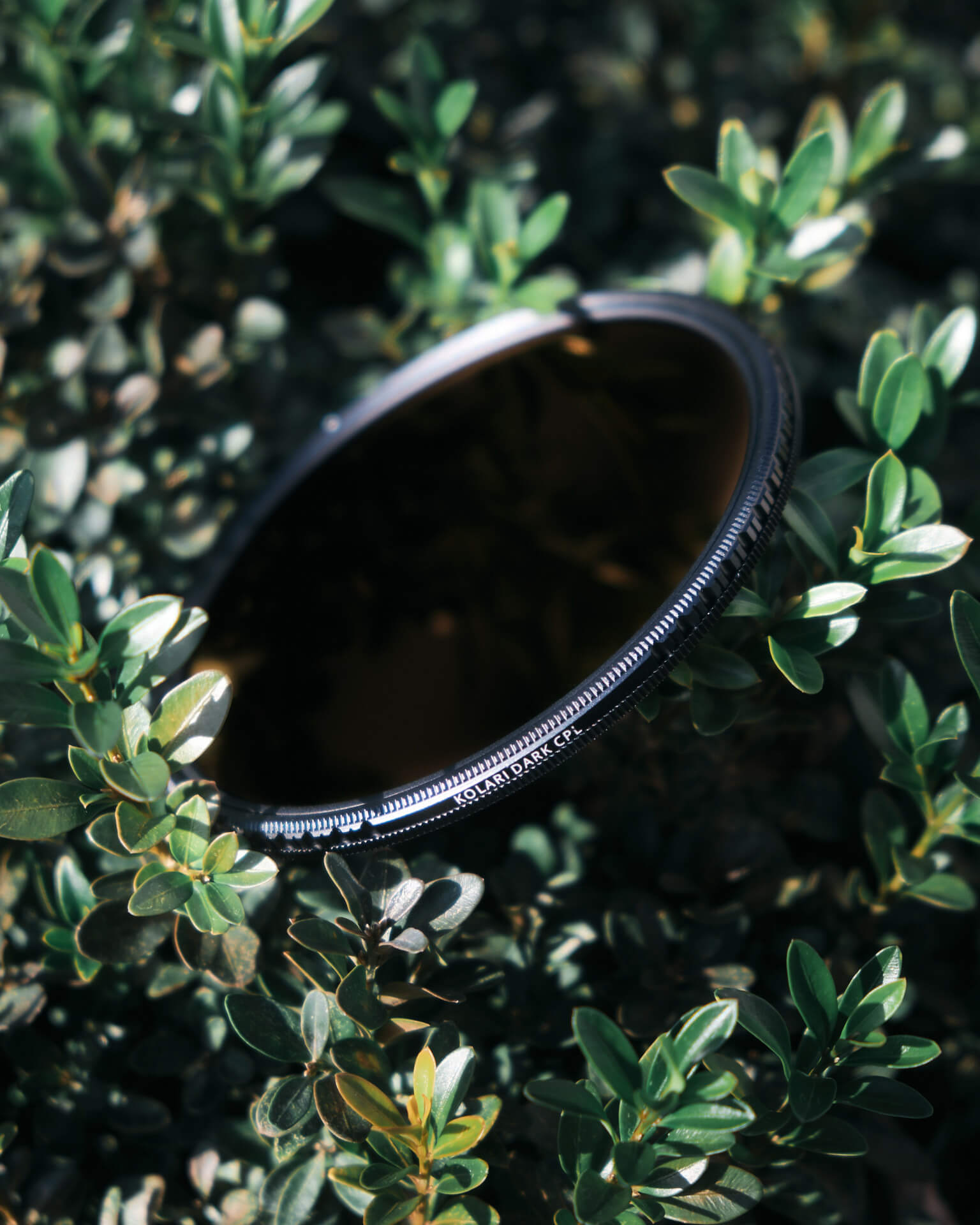
In situations where neither an ND nor a CPL filter will cut it on their own, a Dark CPL gives you the best of both worlds. Darken your overall image while enhancing colors, cutting through atmospheric haze, and reducing reflections all in one filter. Perfect for long exposures of moving water in the sun.
For Drones
For those of you who regularly use drones, these filters are a must for you as well. Our ND, VND, and Dark CPL drone filters can quite literally save your drone footage or photographs. Putting a drone in the sky on a sunny day without any filters can be a risky choice. Your footage may turn out overexposed, choppy, hazy, or with reflections you didn’t intend to capture. You can save yourself time and energy in post-production or in redoing all your work by simply using one of these filters made specifically for you.
Final Thoughts on Essential Camera Filters
Whatever you’re shooting, I’m sure you’ve encountered many occasions in which one of these filters would have been really useful. If you don’t already have all of these in your collection, add them now before your next shoot. Don’t wait until you’re out in the field regretting that you don’t have the perfect filter to dial in the light just right for your perfect shot!
Essential Camera Filters FAQs
What Filters Does Every Photographer Need?
Every photographer should consider carrying four essential filters: an ND filter, a VND filter, a CPL filter, and a Dark CPL filter. The article explains that these filters help control exposure, motion blur, changing light, reflections, haze, and color.
What Is An ND Filter Used For In Photography?
An ND filter reduces the amount of light entering the lens, making it useful for bright conditions, long exposures, and motion blur. It helps photographers keep their preferred camera settings without overexposing the image.
Why Use A VND Filter Instead Of A Regular ND Filter?
A VND filter is useful when lighting changes quickly because it lets you adjust the ND strength without swapping filters. The article notes that VND filters are especially useful for outdoor, travel, and video work, and commonly come in ranges like 2–5 or 6–9 stops.
What Does A CPL Filter Do?
A CPL filter helps reduce glare, reflections, and haze before the photo is taken. It can improve color and contrast while saving time in post-production, especially for landscapes, water, glass, skies, and reflective surfaces.
What Is A Dark CPL Filter Used For?
A Dark CPL combines the benefits of light reduction and polarization in one filter. It can darken the image while enhancing colors, cutting atmospheric haze, and reducing reflections, making it especially useful for long exposures of moving water in sunlight.