My Life in Infrared
As a child, before knowing what photography was, I saw an infrared cover image on an old Life magazine. I don’t recall the image, but do recall and never forgot the indelible mark it made on my imagination.
I was just blown away and that was about the end of it for a while.
Fast forward 25 years.
I became an aspiring photographer (film) and began teaching location workshops. On one of the workshops, I was teaching with my mentor, Pat Ohara. Pat shot film infrared with hand coloring. It was an incredible look. I asked Pat about infrared. All that I remember is that Pat said that it was a lot of bracketing because the process using film was a bit unpredictable.
The process of film infrared was quite laborious and highly sensitive to any light, meaning that even the darkroom light would expose the film. What was needed was a changing bag, where we would put our hands into a dark bag and thread film onto a spool and into a light tight processing tank, all done blind. That went on for a few years until the advent of digital photography. When I migrated from film to digital, infrared conversions didn’t exist.
As soon as I could, I had my D200 converted to 720nm. Digital infrared was instantly easier than film, more predictable, no light leak issues, and able to further be altered and interpreted in software. Kolarivision is highly recommended for infrared conversions.
Today, I carry a color and an infrared converted camera, and shoot 50% IR and 50% color, depending on the location. For example, when we are In Charleston in the spring, I’ll shoot 90% infrared. The early spring greens are a prime infrared subject.
Ansel Adams said, “Color is about color. B&W is about everything else.”
To paraphrase Ansel Adams, “If the subject is not about color, I’ll shoot infrared.”
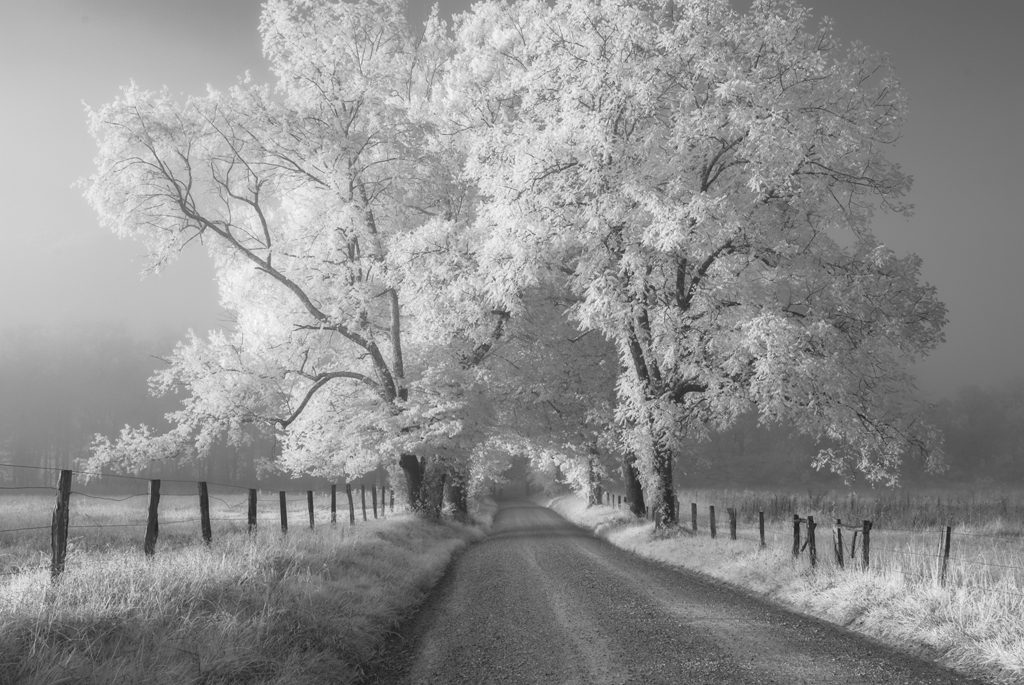 D200, 720nm conversion
Great Smoky Mountains, TN
Low side light w/ light fog
D200, 720nm conversion
Great Smoky Mountains, TN
Low side light w/ light fog
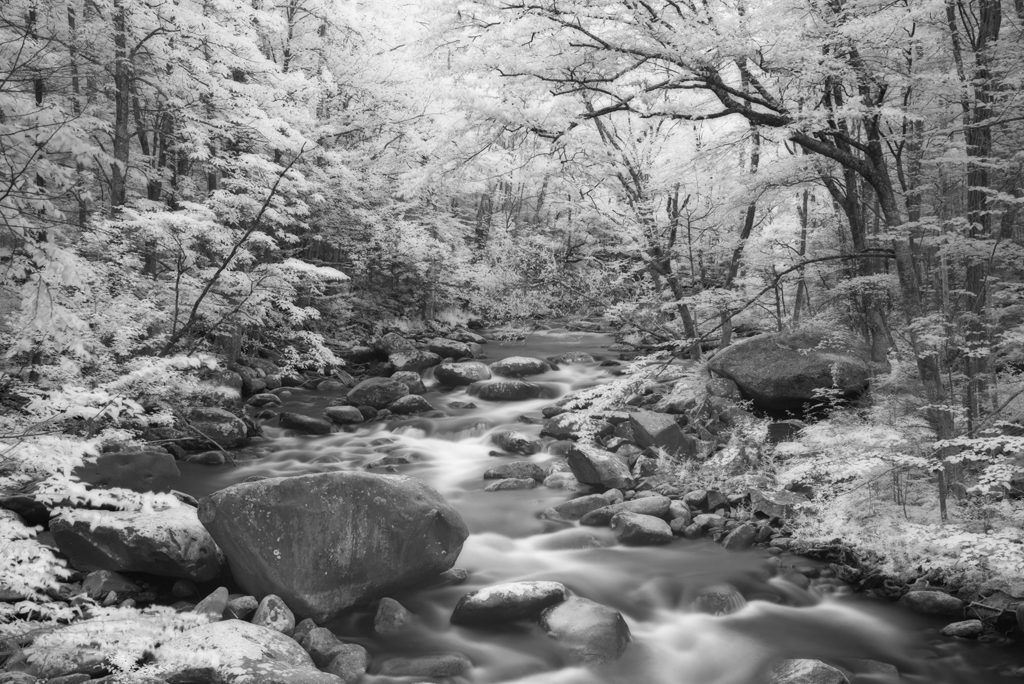 D800, 720nm conversion
Great Smoky Mountains, TN
Bright overcast. Glow added to highlights.
D800, 720nm conversion
Great Smoky Mountains, TN
Bright overcast. Glow added to highlights.
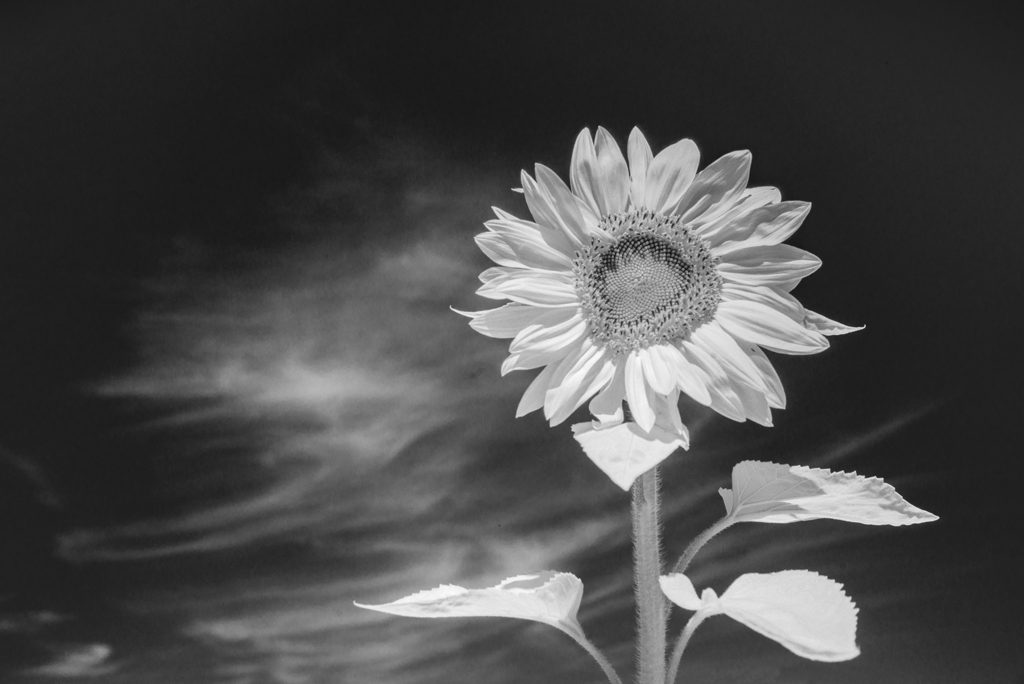 D800, 720nm conversion
Whidbey Island, WA
Front light, wispy clouds
D800, 720nm conversion
Whidbey Island, WA
Front light, wispy clouds
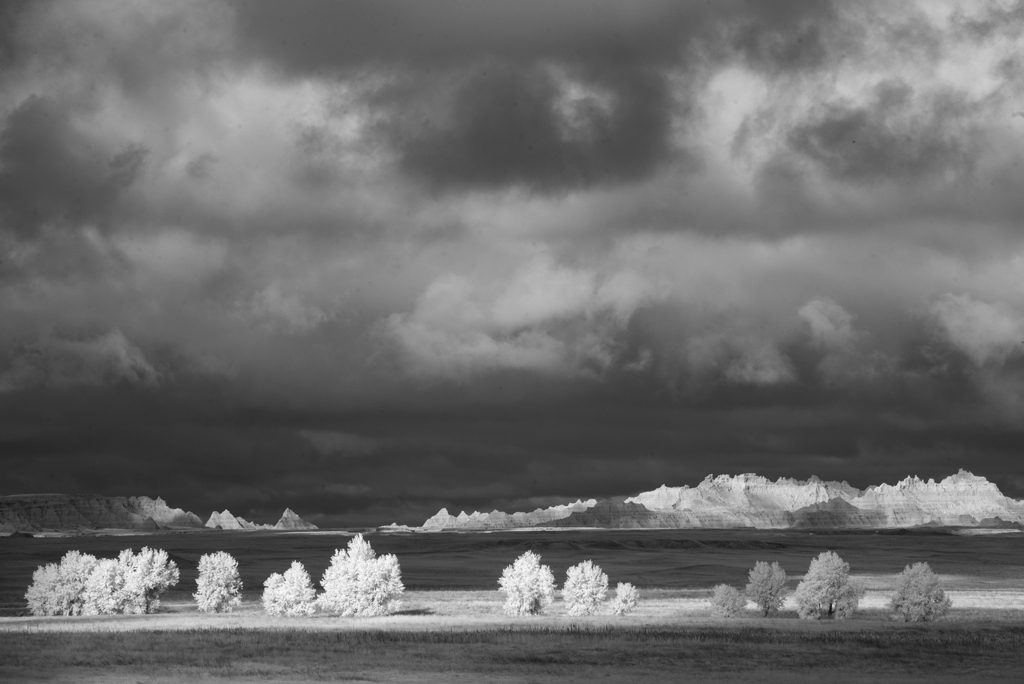 D800, 720nm conversion
Badlands, SD
Enhanced cloud detail in infrared
D800, 720nm conversion
Badlands, SD
Enhanced cloud detail in infrared
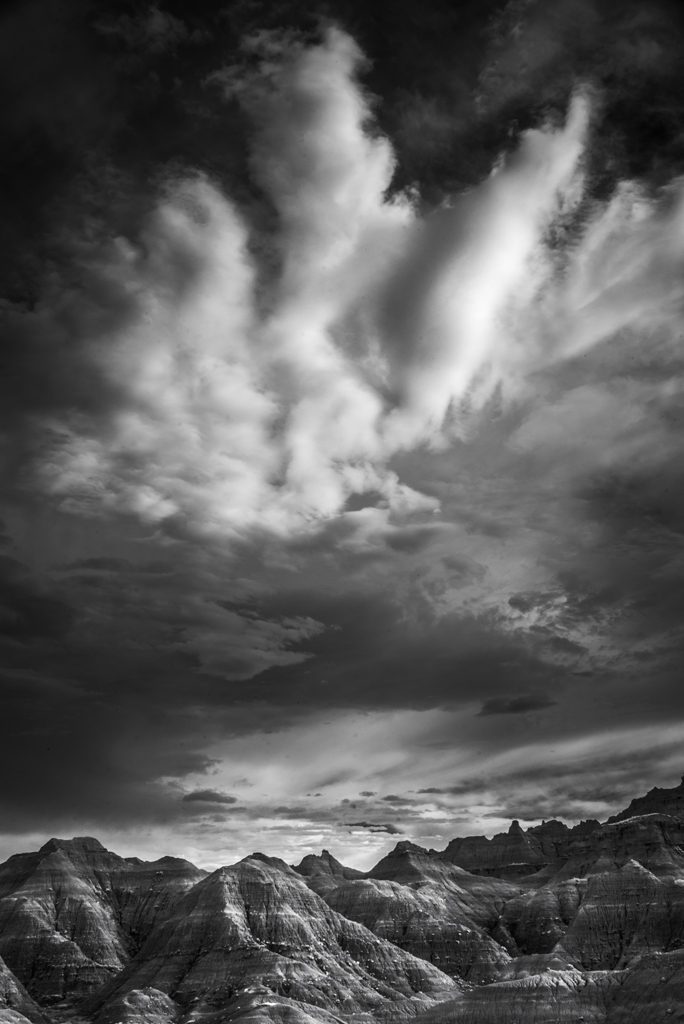 D300, 590nm conversion
Badlands, SD
Use of digital grads and radial filters
D300, 590nm conversion
Badlands, SD
Use of digital grads and radial filters
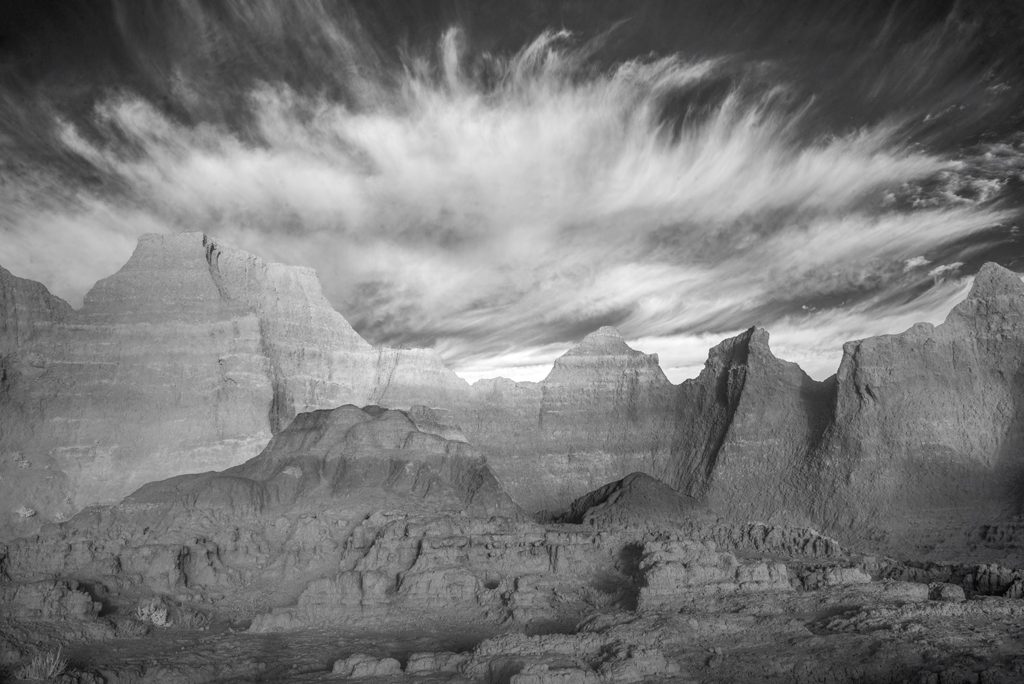 D300, 590nm conversion
Badlands, SD
Enhanced cloud detail in infrared
D300, 590nm conversion
Badlands, SD
Enhanced cloud detail in infrared
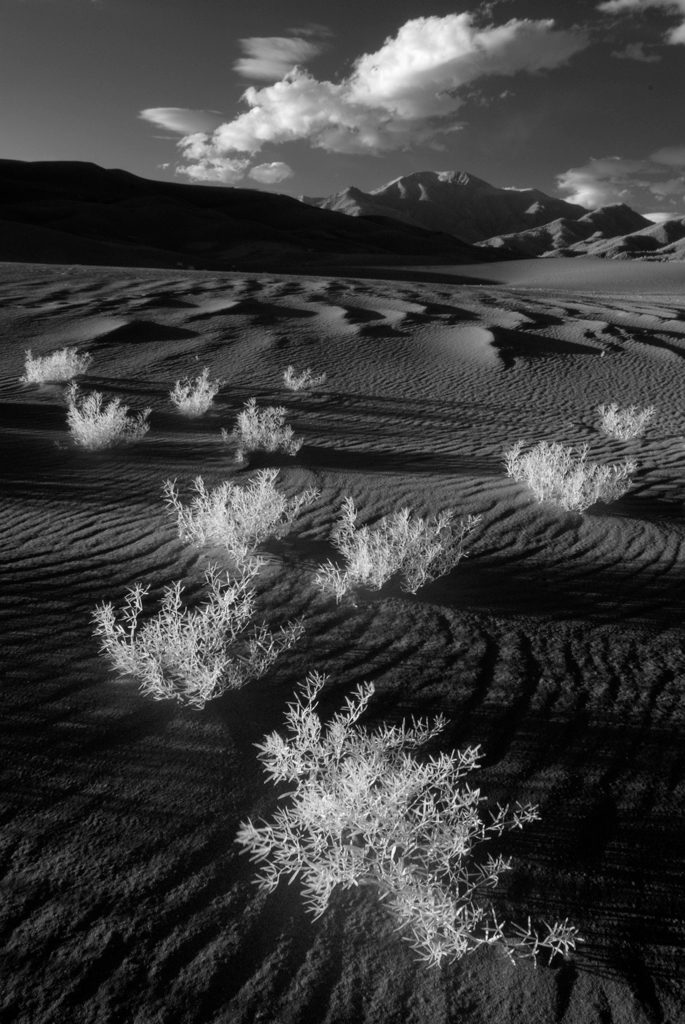 D200, 720nm conversion
Great Sand Dunes, CO
After a very wet spring. Angular light
D200, 720nm conversion
Great Sand Dunes, CO
After a very wet spring. Angular light
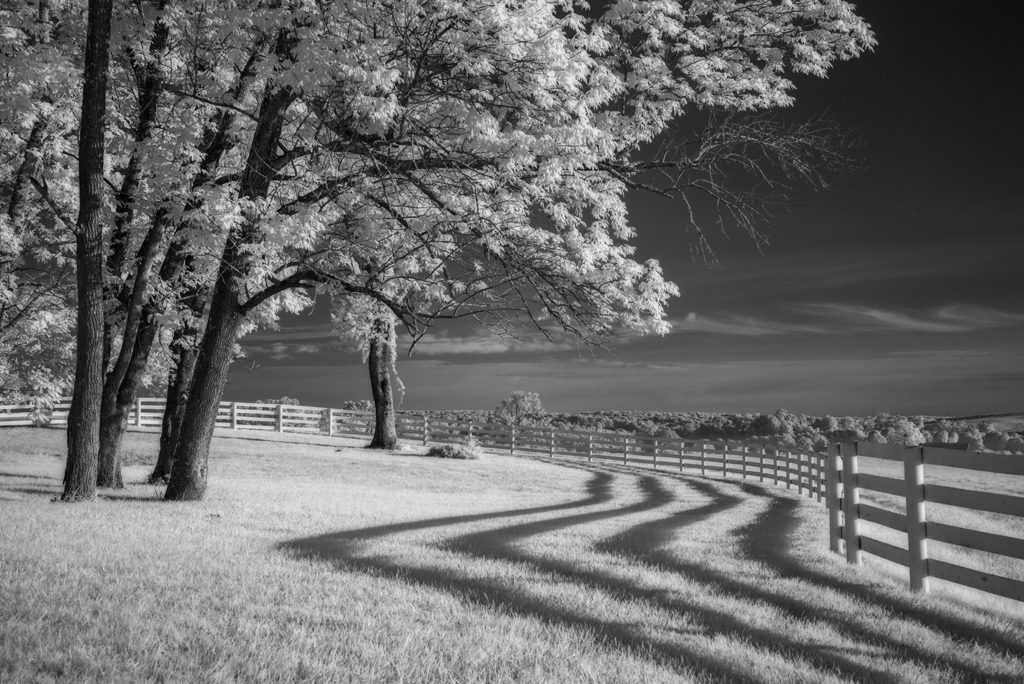 D800, 720nm conversion
Maryland horse country
Waiting for the right spacing in the shadow lines
Low angle sun
D800, 720nm conversion
Maryland horse country
Waiting for the right spacing in the shadow lines
Low angle sun
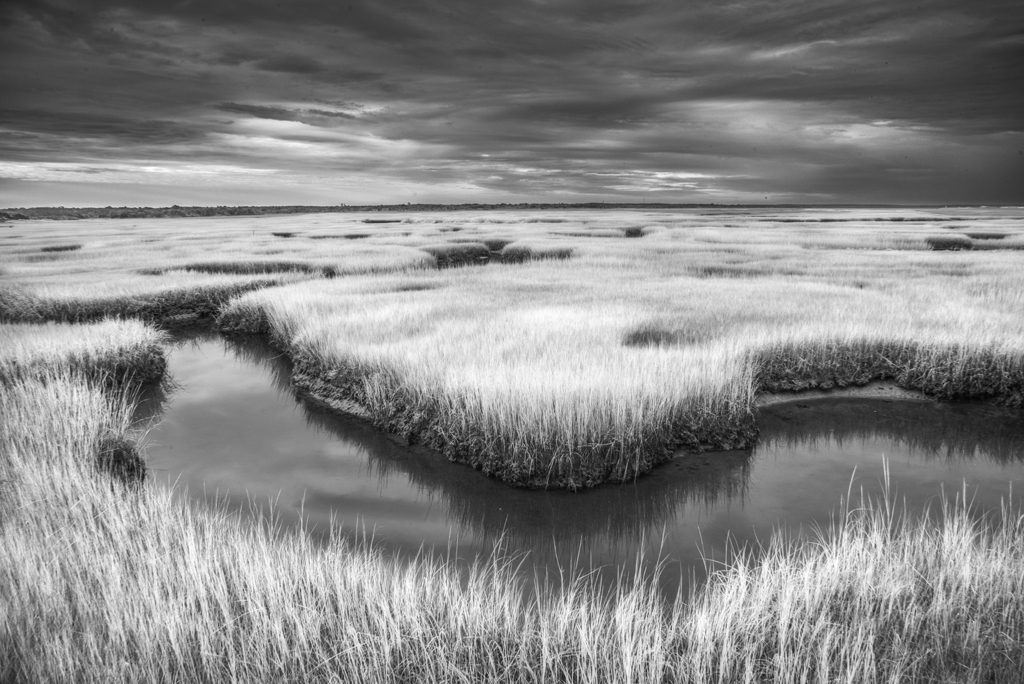 D300, 590nm conversion
Cape Cod, MA
Moderate overcast
D300, 590nm conversion
Cape Cod, MA
Moderate overcast
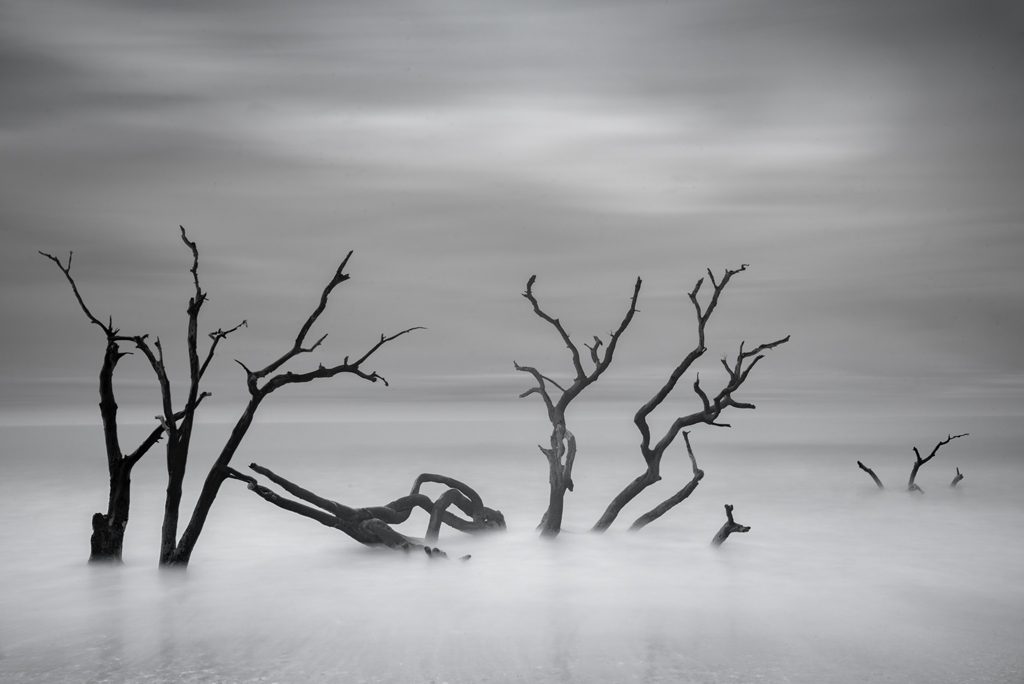 D800, 720nm conversion
Botany Bay, SC
2 minute exposure
D800, 720nm conversion
Botany Bay, SC
2 minute exposure
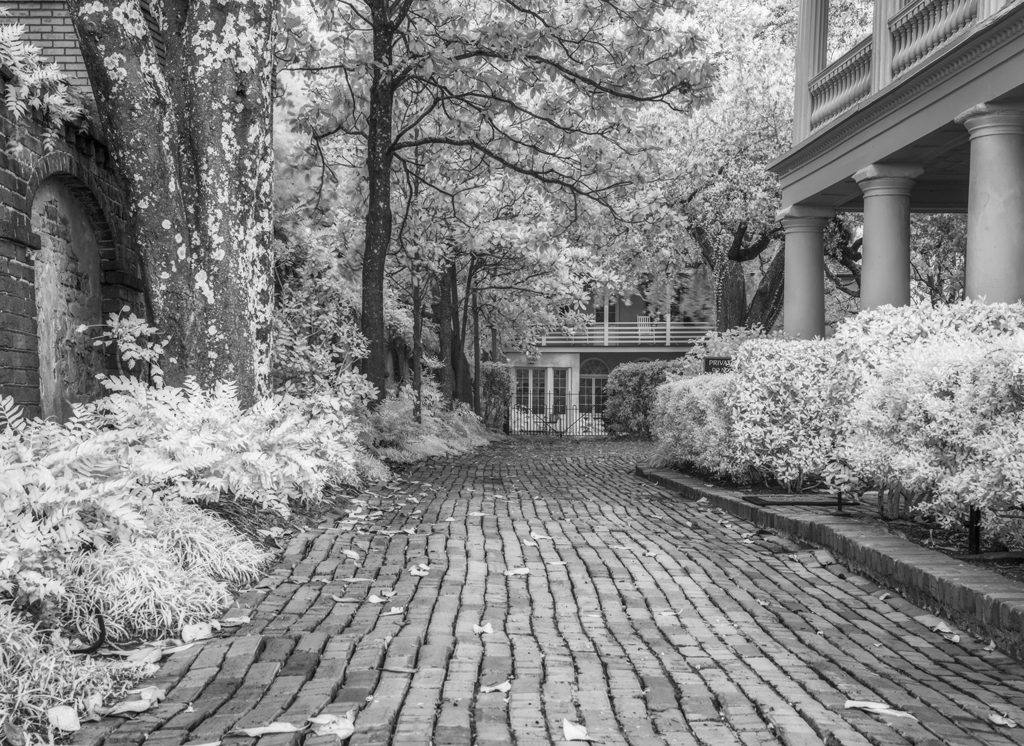 D800, 720nm conversion
East Bay Street
Spring in Charleston = outstanding infrared
D800, 720nm conversion
East Bay Street
Spring in Charleston = outstanding infrared
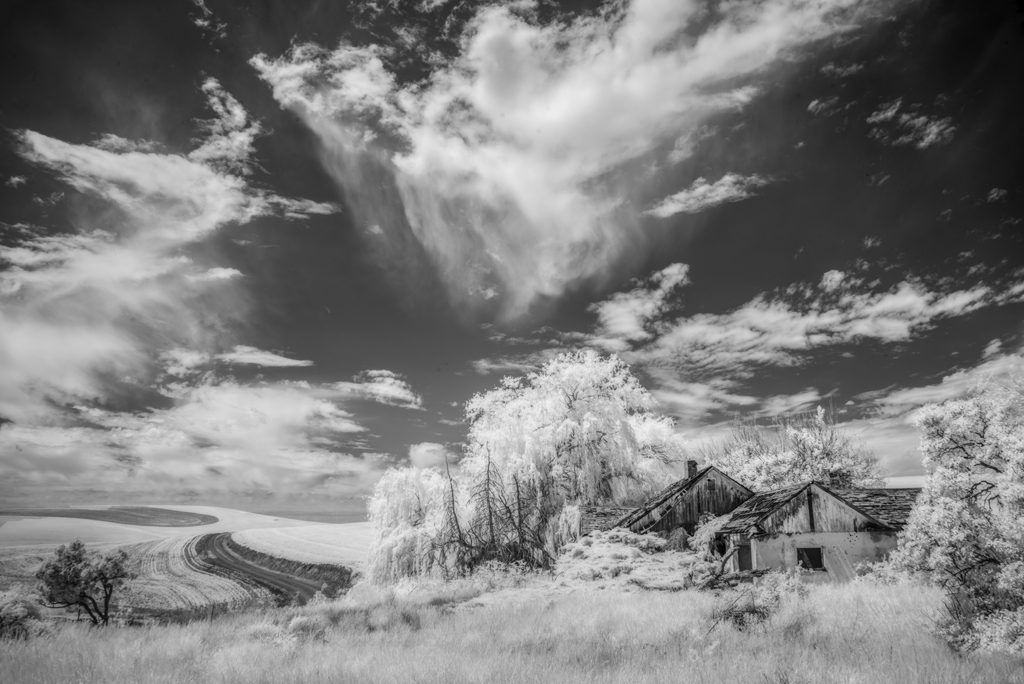 D800, 720nm, infrared conversion
Abandoned farm
Blue sky + white puffy clouds = Great for infrared
D800, 720nm, infrared conversion
Abandoned farm
Blue sky + white puffy clouds = Great for infrared
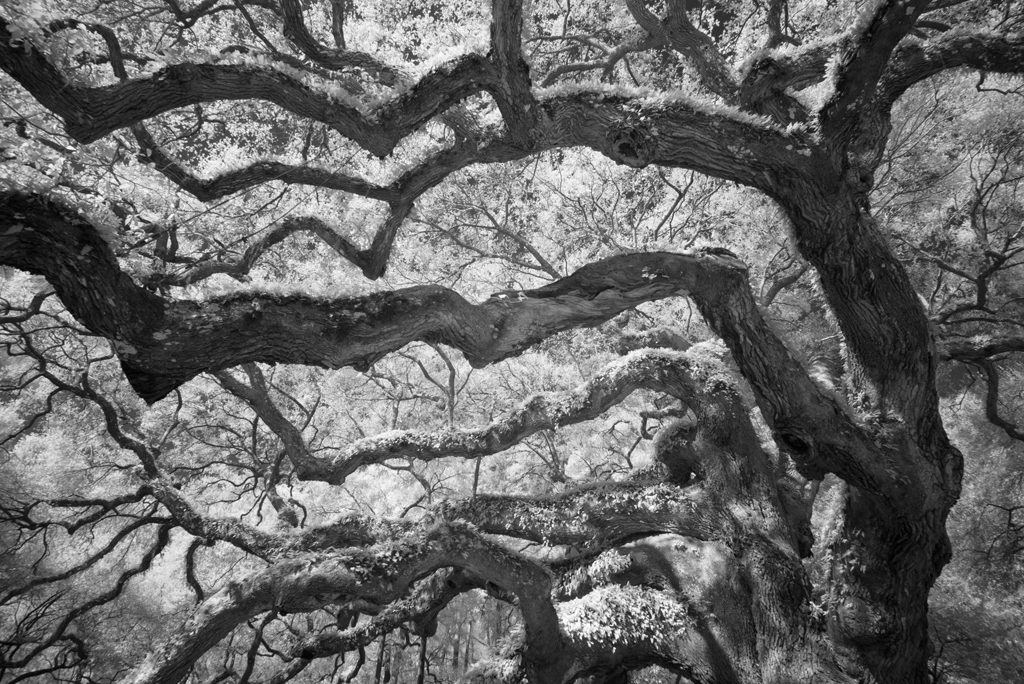 D800, 720nm conversion
Angel Oak
Charleston, SC
D800, 720nm conversion
Angel Oak
Charleston, SC
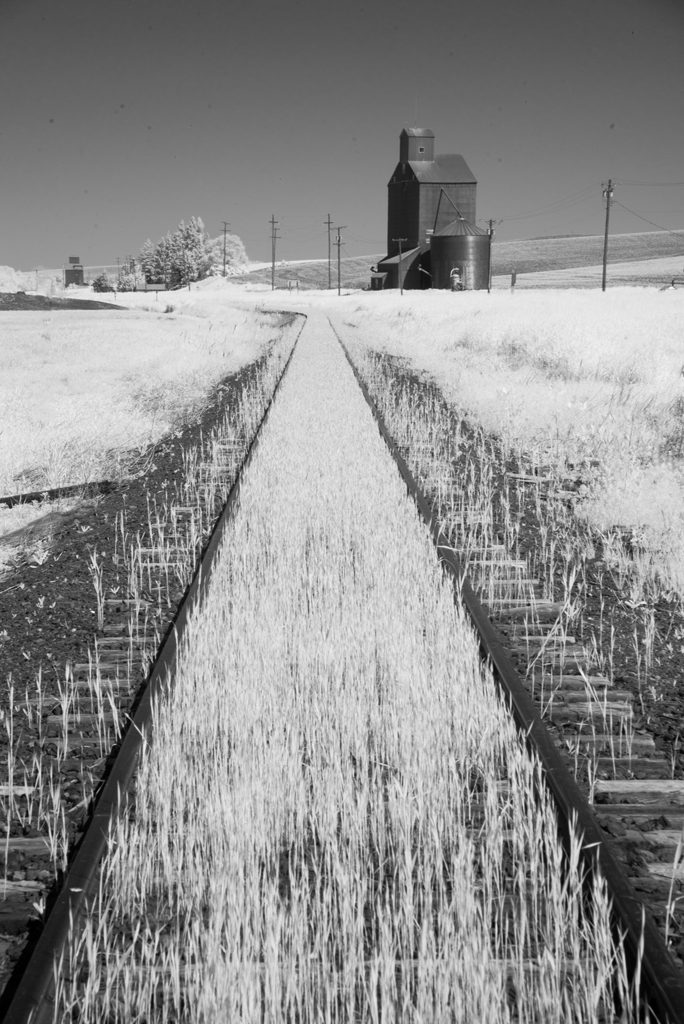 D800, 720nm conversion
Tracks
Alternating dark/ light tonalities
D800, 720nm conversion
Tracks
Alternating dark/ light tonalities
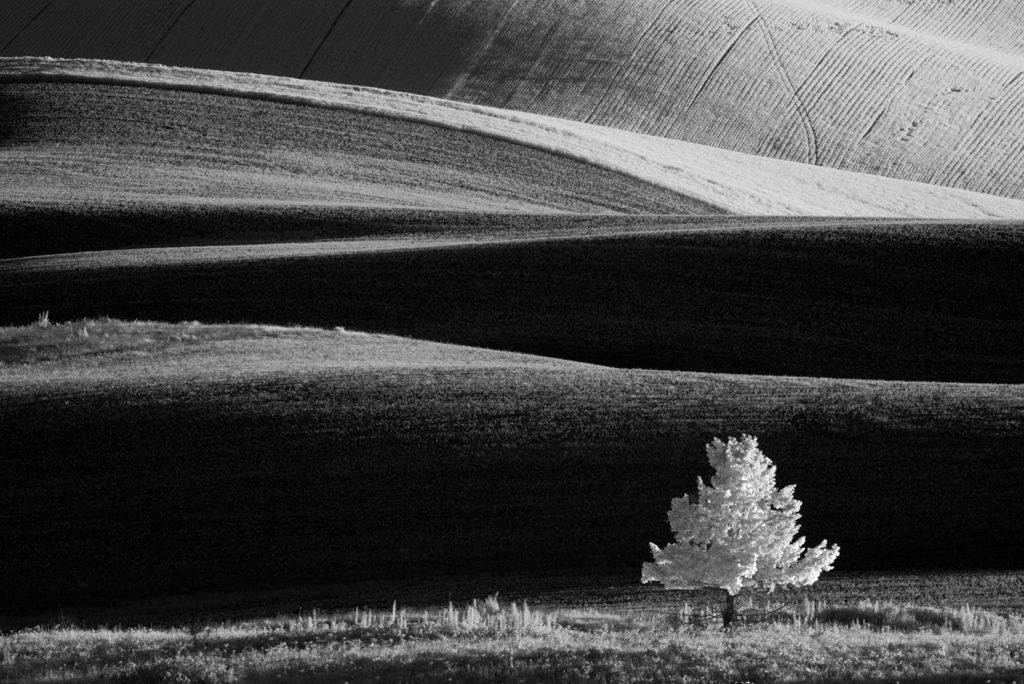 D800, 720nm conversion
Colfax, WA
Low angle light
Website: http://tonysweet.com
Facebook business: https://www.facebook.com/tony.sweet
Facebook personal: https://www.facebook.com/tonysweetphoto
Twitter: https://twitter.com/ttsweet
Google+: https://plus.google.com/114553764127573871154
D800, 720nm conversion
Colfax, WA
Low angle light
Website: http://tonysweet.com
Facebook business: https://www.facebook.com/tony.sweet
Facebook personal: https://www.facebook.com/tonysweetphoto
Twitter: https://twitter.com/ttsweet
Google+: https://plus.google.com/114553764127573871154
D200, 720nm conversion
Great Smoky Mountains, TN
Low side light w/ light fog
D800, 720nm conversion
Great Smoky Mountains, TN
Bright overcast. Glow added to highlights.
D800, 720nm conversion
Whidbey Island, WA
Front light, wispy clouds
D800, 720nm conversion
Badlands, SD
Enhanced cloud detail in infrared
D300, 590nm conversion
Badlands, SD
Use of digital grads and radial filters
D300, 590nm conversion
Badlands, SD
Enhanced cloud detail in infrared
D200, 720nm conversion
Great Sand Dunes, CO
After a very wet spring. Angular light
D800, 720nm conversion
Maryland horse country
Waiting for the right spacing in the shadow lines
Low angle sun
D300, 590nm conversion
Cape Cod, MA
Moderate overcast
D800, 720nm conversion
Botany Bay, SC
2 minute exposure
D800, 720nm conversion
East Bay Street
Spring in Charleston = outstanding infrared
D800, 720nm, infrared conversion
Abandoned farm
Blue sky + white puffy clouds = Great for infrared
D800, 720nm conversion
Angel Oak
Charleston, SC
D800, 720nm conversion
Tracks
Alternating dark/ light tonalities
D800, 720nm conversion
Colfax, WA
Low angle light
Website: http://tonysweet.com
Facebook business: https://www.facebook.com/tony.sweet
Facebook personal: https://www.facebook.com/tonysweetphoto
Twitter: https://twitter.com/ttsweet
Google+: https://plus.google.com/114553764127573871154 
8 Responses
I love your work! I fooled around with infrared (film) a decade or so ago…gave it up cause it was such a pain. Seriously recondering that decision.
Thanks for your time,
Robb Hindle
It’s much easier now, Robb….muuuuuch easier!
Definitely reconsider.
Tony
Tony – Your work is so beautiful, skilled and soulful. And Infrared transports your work and us to another dimension capturing the unseen mystical energy of everything. You have a special gift and you love sharing it with us. Bravo.
Thanks for your kind and thoughtful comments, Linda.
Tony–we miss you and your better half here on Saint Simons Island. You are EVER the teacher. Thanks for being in our lives. Duke Smith
Thanks much, Duke. I greatly appreciate the kind comments. We hope to get by there this year. Be well.
Hey Duke! We look forward to getting back there soon! Thanks, man!
If I’m not mistaken, the Maryland horse country shot is in Worthington Valley near Sagamore Farms. I shot something in the same vicinity with my 665 converted Nikon D7100 using a converted 180/3.4 Apo-Telyt with spectacular results. Wish I could post it here but it doesn’t seem possible in this box.