GUAM, THE PERFECT UV PHOTO LOCATION by. Lance Schroeder
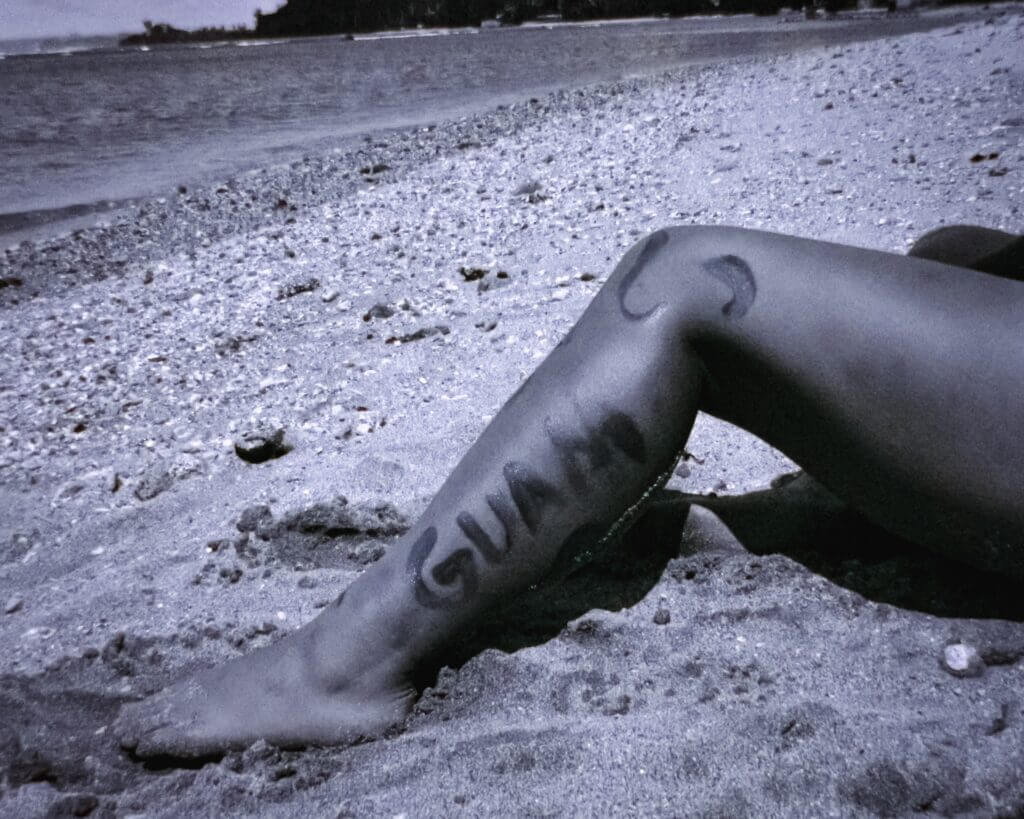
Guam, a U.S. territory located in the western Pacific Ocean, is a tropical island perfect for capturing ultraviolet light. The Solar UV Index varies in the higher ranges, reaching up to values of 12. According to Weather Online, Indices of 9 and 10 are common in the Mediterranean area.
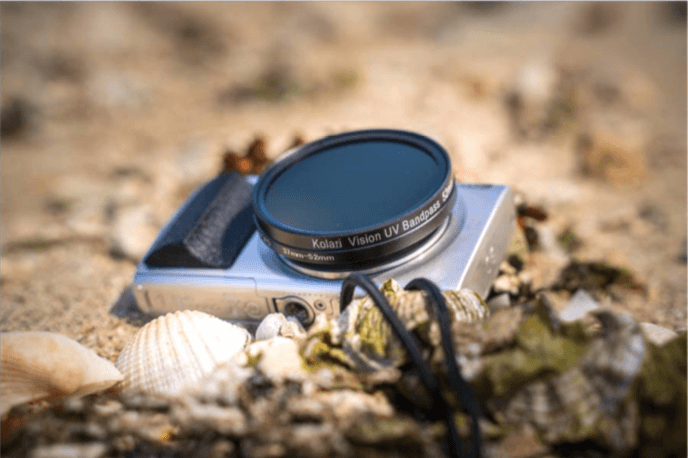
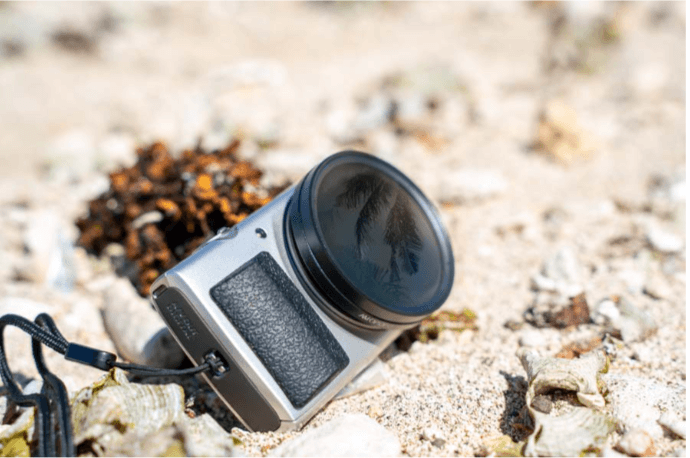
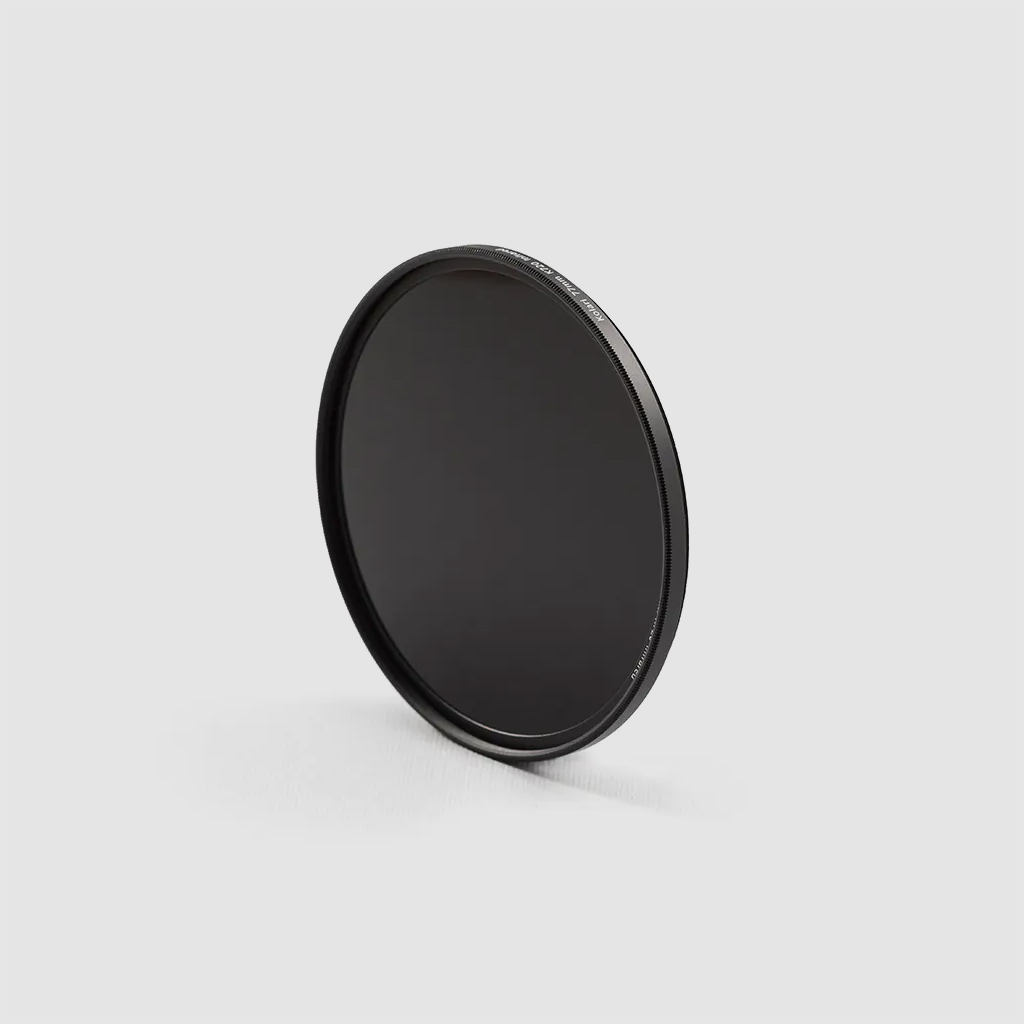
This report contains the findings and results of the Kolari Pocket with Kolari’s UV Bandpass filter. All UV photos were taken with the Kolari Pocket and only as .jpeg to test quality.
Test Parameters 1: Sunscreen Effectiveness & Differences
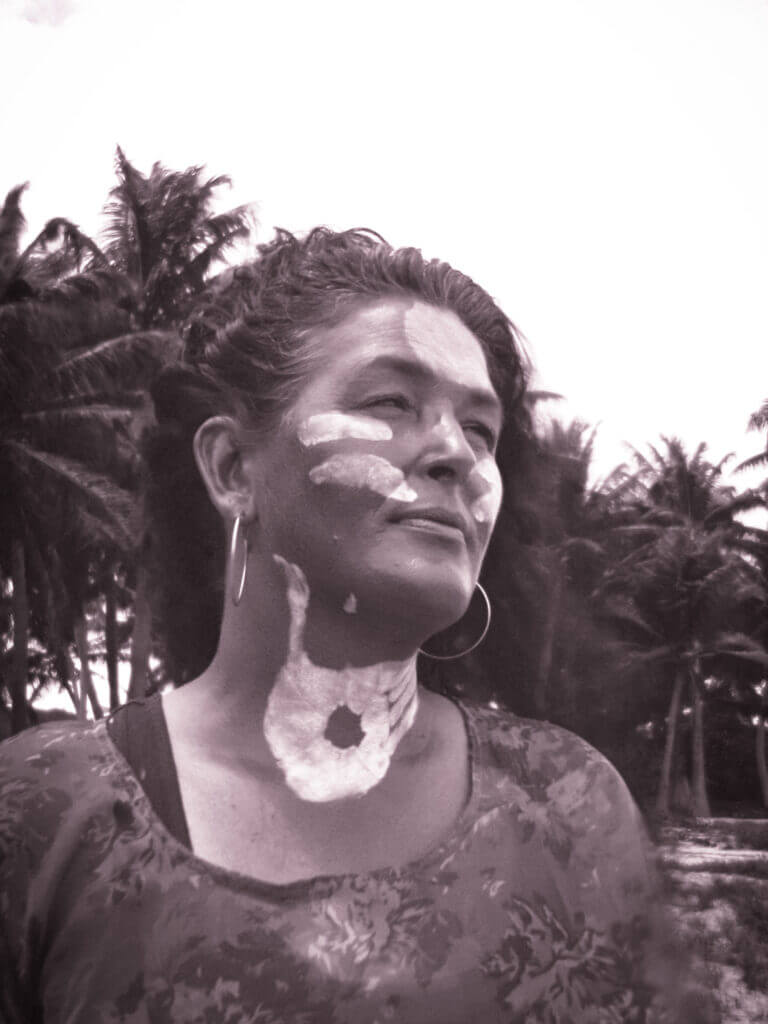
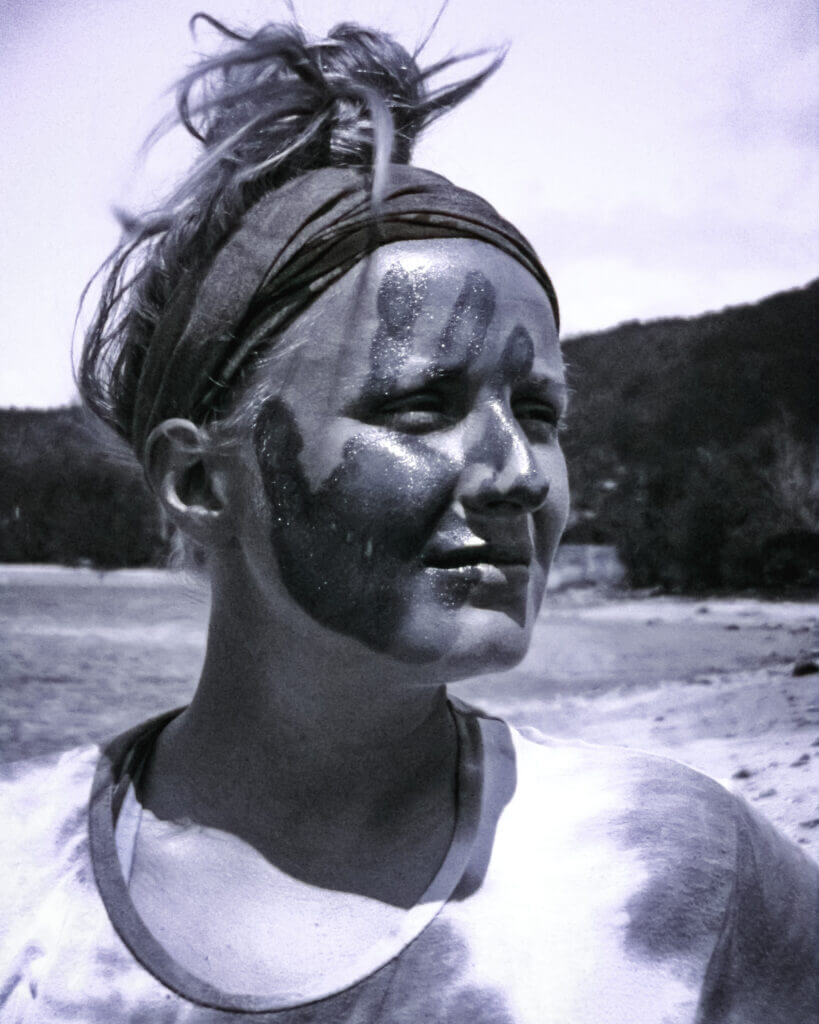
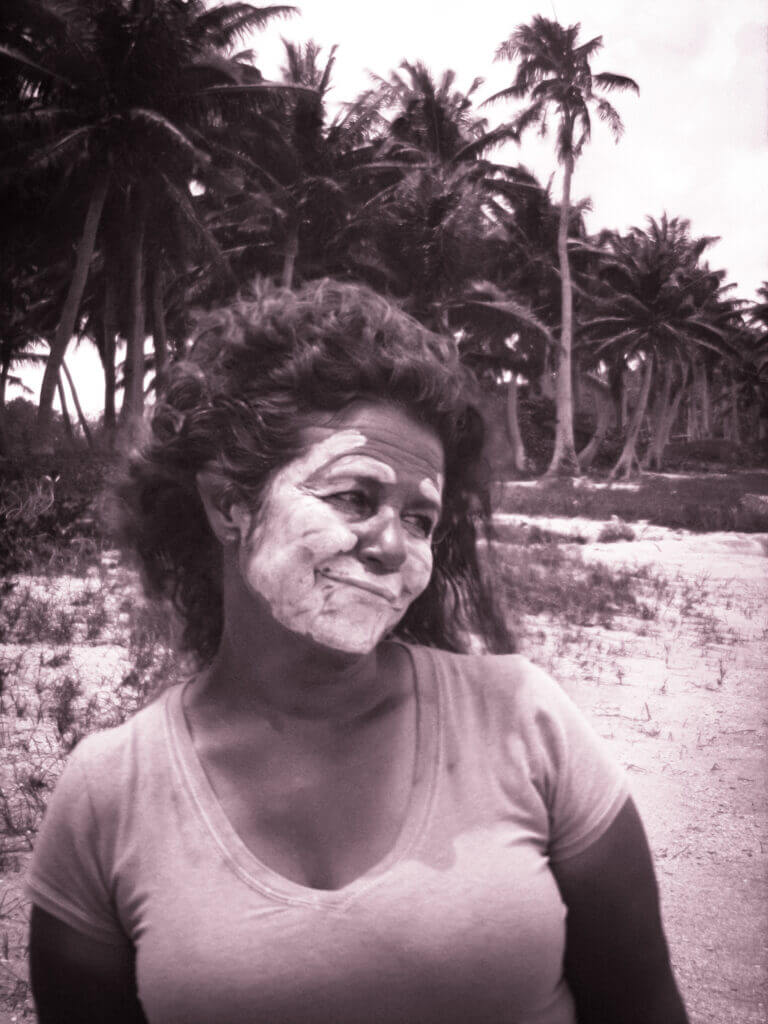
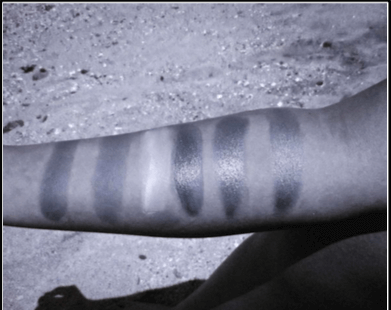
100 SPF and above seem to be less effective than most SPF 50+ sunscreen. Zinc Oxide based always seemed to reflect all UV and appear white. Titanium Dioxide based sunscreen wasn’t tested and tripod was used with camera.
Different Sunscreen Effects
While Zinc Oxide always appears white; Sunscreen with Octisalate always seems to add a glossy effect to the sunscreen also signifying its reflectance capabilities.
Test Parameters 2: Landscapes
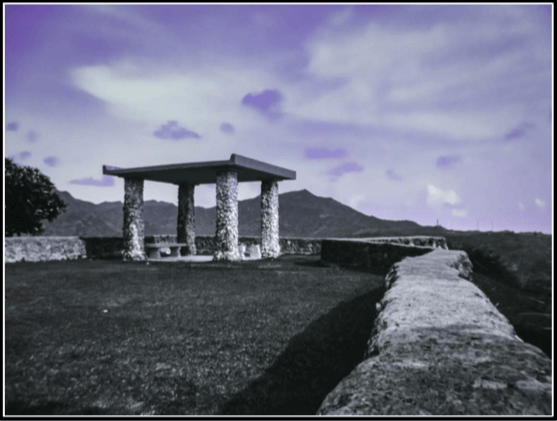
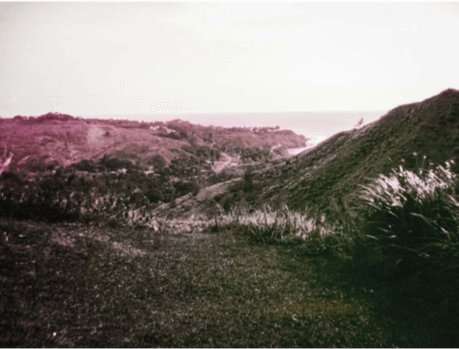
Even with the small sensor on this camera, it was pretty easy to capture landscapes. I always took photos with the camera on a tripod and a two second timer.
Sunscreen / Ingredients List:
S-1: Neutrogena (Ultra Sheer SPF 100+)
Avobenzone 3%, Homosalate 15%, Octisalate 5%, Octocrylene 10%, Oxybenzone 6%
S-2: Banana Boat (Simply Protect Sport SPF 50+) Avobenzone 3%, Homosalate 9%, Octisalate 4.5%, Octocrylene 7%
S-3: Neutrogena (Hydro Boost SPF 50)
Avobenzone 3%, Homosalate 15%, Octisalate 5%, Octocrylene 10%
S-4: Neutrogena (Sheer Zinc Kids SPF 50+) Zinc Oxide 21.5%
S-5: Hawaiian Tropic (Island Sport SPF 30) Avobenzone 2%, Homosalate 7%, Octocrylene 5%
S-6: Aveeno (Protect Hydrate SPF 30)
Avobenzone 1.5%, Homosalate 5%, Octisalate 4%, Octocrylene 6%
Conclusion:
Kolari Vision’s Kolari Pocket and the newest version of their 52mm UV Bandpass Filter are a great starter for UV photography. This helps visually understand how things look and act when exposed to UV light. Other UV bandpass filters I’ve tried can’t even run on the same track as Kolari’s UV bandpass let alone keep up.
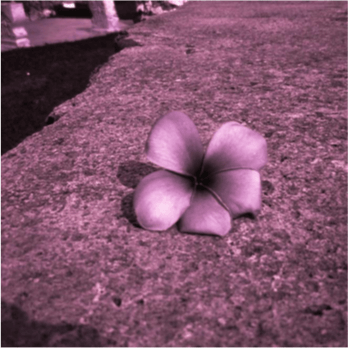
– White Balance was always in camera and on grass or other vegetation. You will have to adjust the primaries and white balance in post to get the desired look, and this can be fun to do. As you can see based on the different styles provided one has endless styles even with violet as the main color. Creating presets will significantly increase post processing efficiency when it comes to white balance.
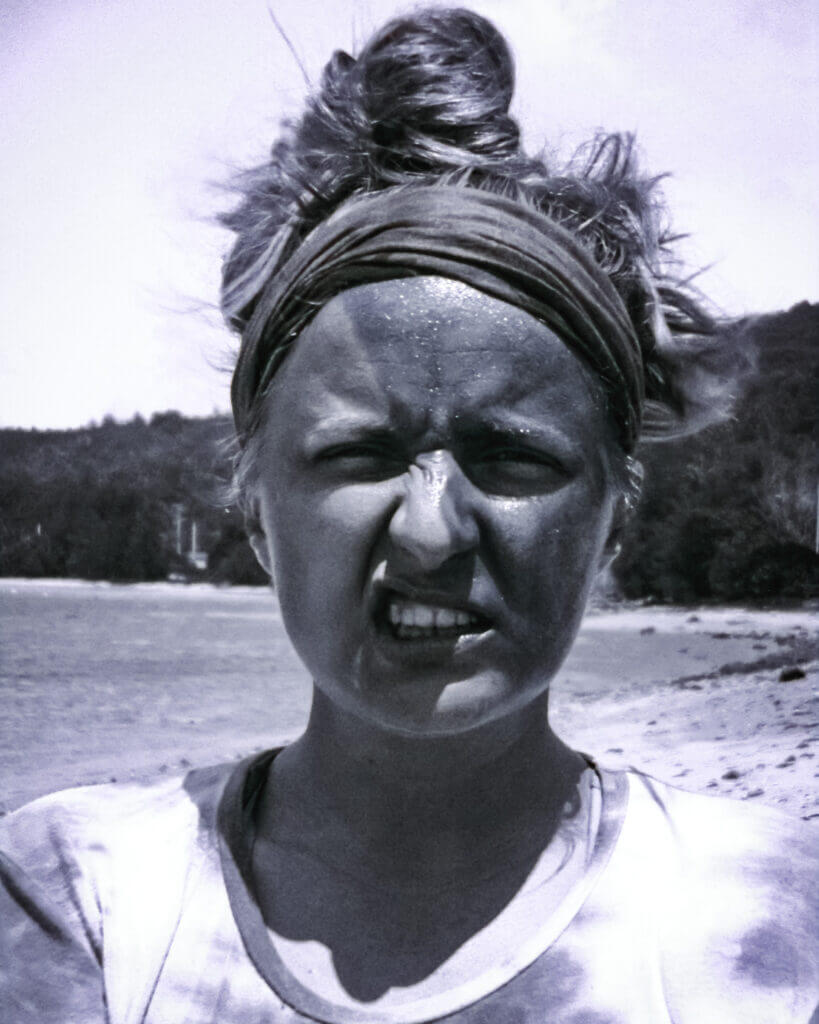
– Portraits can be difficult based on how tan the subject is, Sunscreen selected, direction of light (Subjects have to look toward the sun), Skin quality, and UV index.
– HDR images can be tedious to process, but I’m still a beginner in that process.
– Tripod was always used due to slow shutter speeds. This helped a lot with the photo quality but required the subject to move closer or further away until they appeared in focus.
Natasha Phillips was a great help when it can to teaching me basics of UV photography. She has a vast knowledge of multispectral photography. Not to mention she’s always super eager to help and answer questions. Her contact information is:
Instagram: @splittingthespectrum Email: NatashaAPhillips19@gmail.com
Kolari Pocket UV Review FAQs
What Is The Independent Kolari Pocket UV Performance Review About?
This review tests the Kolari Pocket with Kolari’s 52mm UV Bandpass Filter in Guam. Lance Schroeder uses the setup for UV sunscreen tests, UV landscapes, white balance experiments, and practical field observations.
Why Was Guam Used For This UV Photography Test?
The article describes Guam as a strong UV photography location because it is a tropical island with high Solar UV Index values. Schroeder notes that UV Index values can reach up to 12, making it useful for testing ultraviolet capture.
What Did The Sunscreen Tests Show In UV Photography?
The review says zinc oxide sunscreen appeared white in UV images, while sunscreen containing octisalate seemed to create a glossy reflective effect. Schroeder also compares multiple SPF products visually, but the page presents this as a photography test rather than medical sunscreen guidance.
How Did The Kolari Pocket Perform For UV Landscapes?
Schroeder says it was fairly easy to capture landscapes even with the camera’s small sensor. He used a tripod and a two-second timer for landscape shots, and also tested HDR exposure bracketing.
What Is The Main Conclusion Of The Review?
The conclusion says the Kolari Pocket and the newest 52mm UV Bandpass Filter are a strong starter setup for UV photography. Schroeder also notes that tripod use helped image quality, while portraits, focus, HDR, and white balance required extra care.