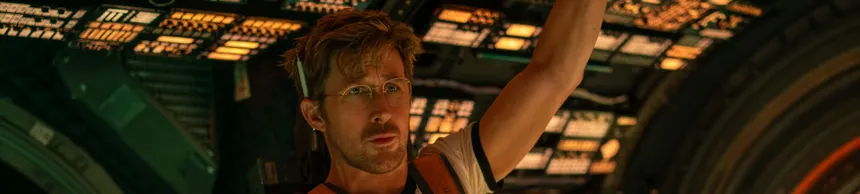
Project Hail Mary (2026) instantly gained popularity as soon as it hit theaters in early April this year. At Kolari, we were excited to see a science-fiction film hit theaters, but we were captivated upon discovering that infrared cinematography was involved in the production of the film. The last time infrared shooting was used in a blockbuster hit was back when Dune: Part II (2024) used our cinema filters to capture the black and white infrared scenes on Geidi Prime, an interstellar planet.
There are many nods to infrared photography throughout Project Hail Mary. Without any spoilers, it’s notable when Grace, as played by Ryan Gosling, uses a full-spectrum camera as part of his biology research. Outside of the film’s plot, the cinematographer Greg Frasier (who also worked on Dune: Part II) shot a particularly stunning scene using infrared LED lights and a full-spectrum ARRI Alexa cinema camera.
What is Infrared Photography?
Infrared photography lets us capture an invisible and often interstellar-looking world. The human eye can see wavelengths from about 400nm–700nm (from purple to red). Infrared light exists in wavelengths beyond 700nm. Capturing images in infrared can yield otherworldly aesthetics or scientific discoveries.
Infrared in Cinema
Infrared has a long history in cinema, but is often used for technical purposes or special effects behind the scenes. We have supplied our infrared filters to Lucasfilms to be used for motion capture of infrared paint dots for The Irishman (2019) and to ARRI to be used for infrared scenes in Dune, Part II and Nope (2022). Hoyte van Hoytema, the cinematographer for Nope, recently pioneered a use for infrared to simulate night time scenes shot in broad daylight using infrared in a dual camera system, taking advantage of how infrared makes skies appear black in daylight. Only an infrared specialist would be able to spot the use of infrared in these scenes, which is why we were so excited to see Dune, Part II showcase the true aesthetic possibilities of infrared cinematography.
The Infrared Aesthetic
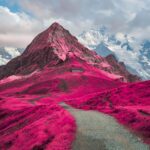
Infrared is most popular for its effects on landscapes. Depending on the filter used, blue skies often become black or blue, and leaves can become white or red. Red filters are often used in Hollywood to make skin appear more smooth, but infrared filters amplify this effect to a stunning extreme. If you go deep enough into the infrared spectrum of light, skin becomes translucent to the point where you can actually see veins. Eyes can look otherworldly with unnaturally lucid irises. Often, productions use the lower, milder variants of infrared to keep the models looking relatively normal, like in Russ’s music video and Netflix’s live action Avatar: The Last Airbender. Other times the unsettling look is the goal, like Apocalyptica’s “Rise” music video, although this is less common.
Infrared Light Capture
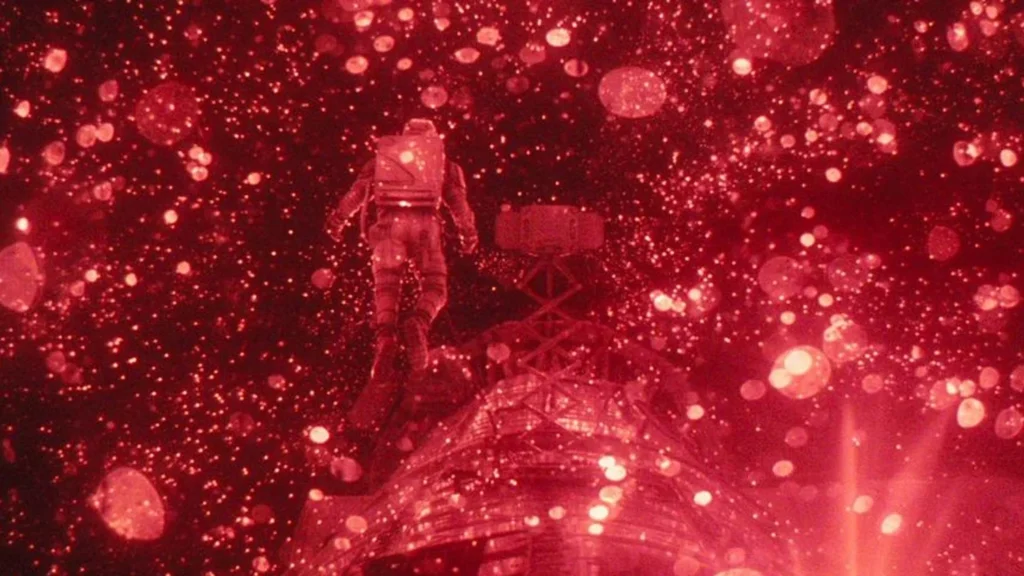
There are several instances of infrared photography both in the story and in production of the film. In all of those cases, full-spectrum cameras are used. This is a type of modified camera that captures all wavelengths of light. In real world applications, full-spectrum shooting is used to capture subjects in pitch black areas where visible light isn’t present. With the use of infrared lighting, subjects can be captured on camera. This light is invisible to the naked eye, but completely visible through the lens of a full-spectrum camera.
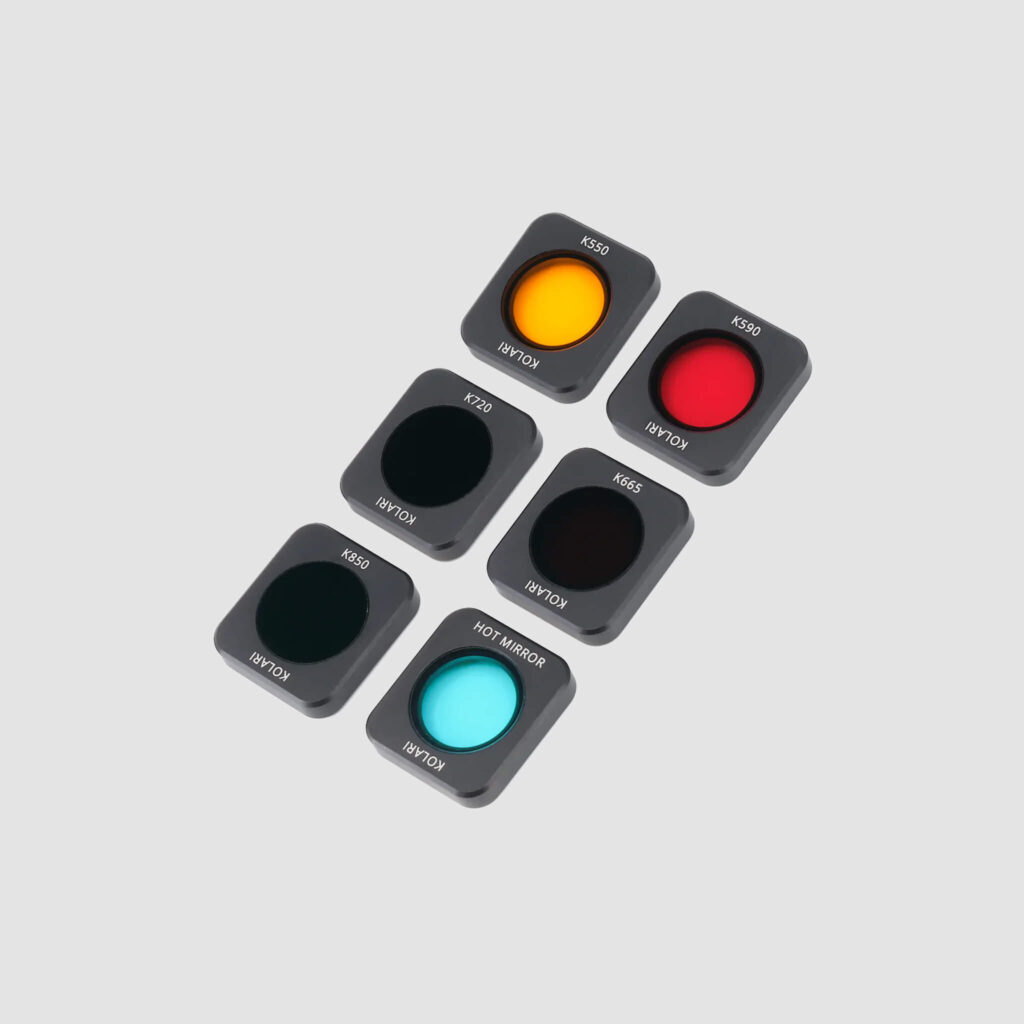
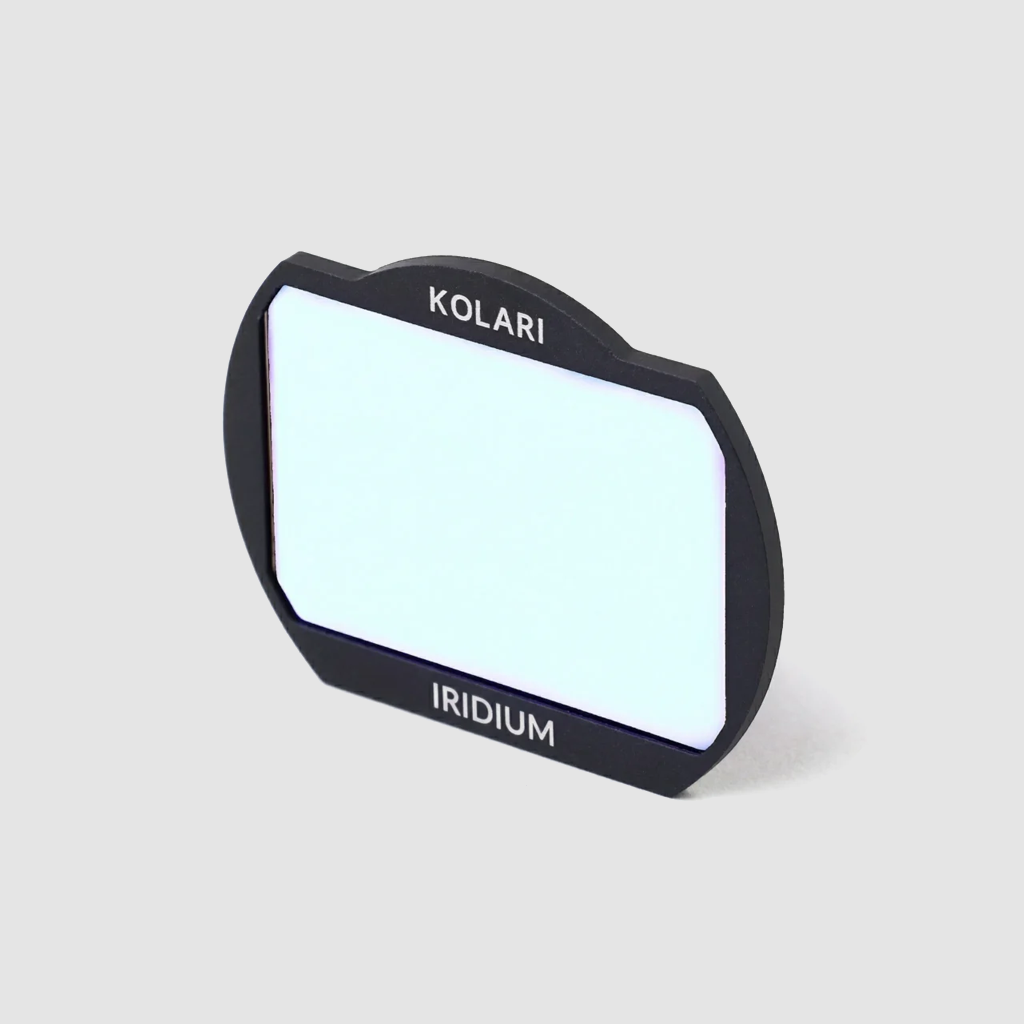
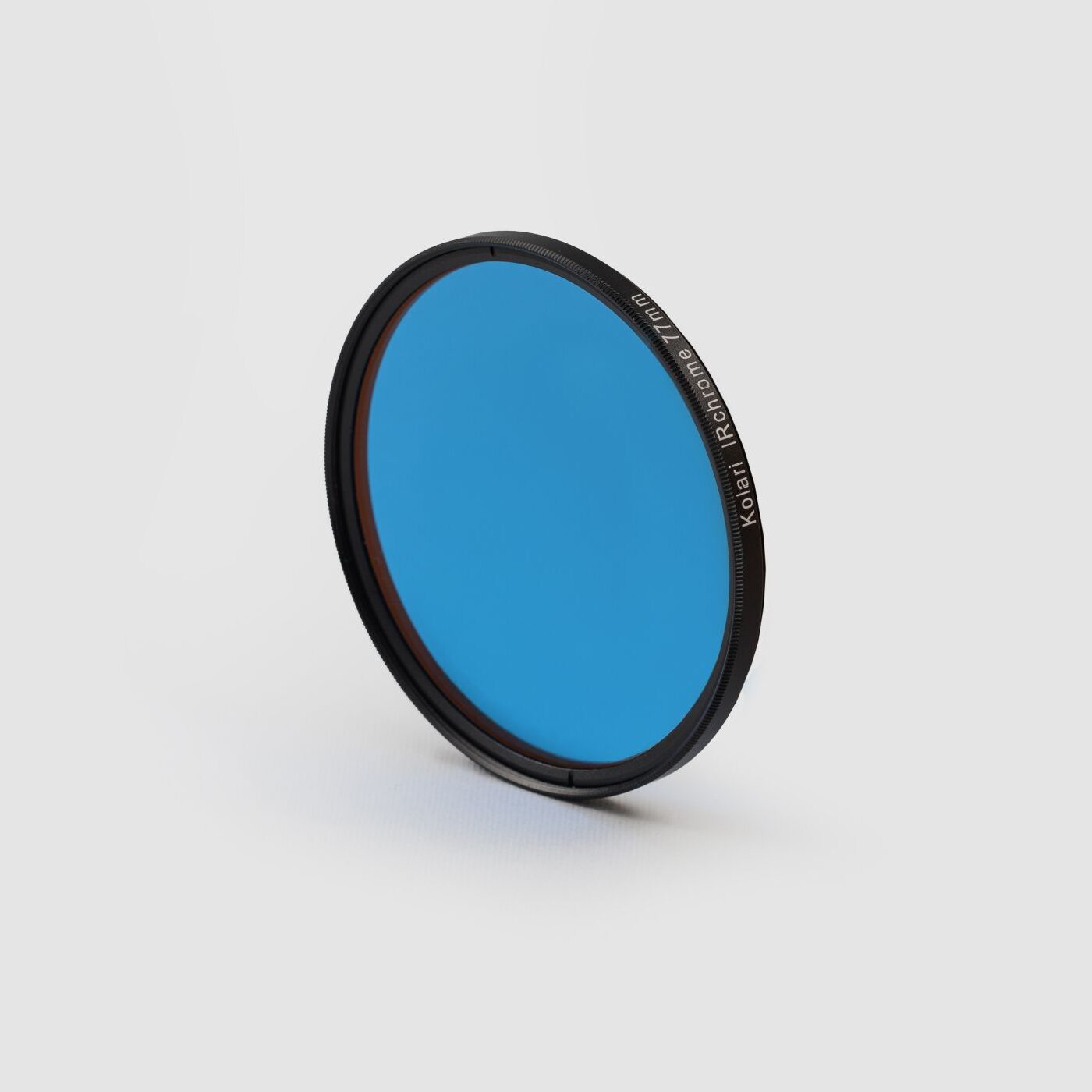
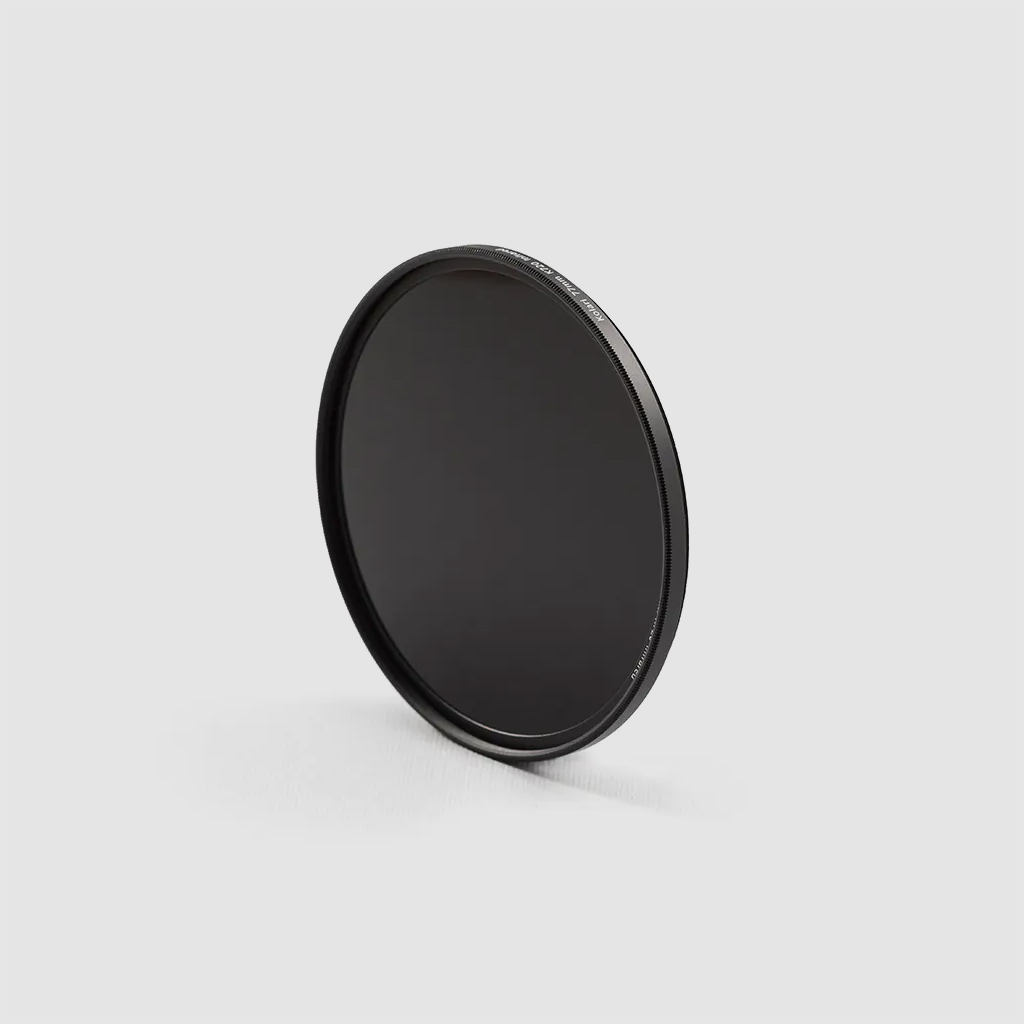
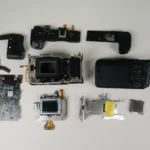
To shoot infrared, you will first need either an infrared-modified camera, or a full spectrum camera with filters. The most common IR filters range from 550nm to 850nm. Each filter will provide different results. A full-spectrum conversion makes a digital camera sensitive to UV, visible, and infrared light, allowing the most flexibility and the ability to switch between various clip in or lens filters to achieve the desired effect. Almost all cameras can be modified to shoot in infrared, starting from the cheapest point and shoots, through DSLR and mirrorless cameras, as well as Canon, Sony, Blackmagic, and RED cinema cameras.
With post-processing, using 665nm can help you achieve B&W imagery. This filter uses a combination of visible and infrared light to produce false-color infrared. 720nm is good if you are interested in shooting mild colors and B&W. 780nm and 850nm produces higher contrast B&W imagery.
How Did They Use Infrared in the Film?
As mentioned earlier, infrared shooting was integral to the film’s plot and was used during production. We won’t discuss the details of the plot, but there is a particular scene worth noting that totally encapsulates the spirit of infrared photography.
In this scene, the crew surrounded Ryan Gosling with small blinking infrared LEDs using chicken wire as a structural frame. In between the LEDs and Ryan Gosling, the team added two panes of glass that they poured water down to make the IR Bokeh feel more alive. To the naked eye, this was probably a strange sight. However, when captured through a full spectrum ARRI ALEXA 65, the invisible IR LEDs transformed into beautiful pink Bokeh. This technique was used to practically create astrophage for the close-ups and was later used as reference for the VFX wide shots done by ILM. It is incredible to see such a stunning effect captured in camera and a perfect example of practical effects informing great VFX!
How to Achieve a Similar Look
As we’ve described above, this sequence was shot using a full spectrum ARRI ALEXA 65. That being said, all you need is a full-spectrum modified camera, a ton of infrared LED lighting + structure, and a controlled environment to fully capture the scene. The effect is very dependent on the quality of bokeh, so make sure you have a lens with a wide aperture and pleasant bokeh.
Future of Infrared Cinematography
As filmmakers constantly seek new tools to tell their stories in unique ways, we have seen a big increase in the demand for infrared from the cinema community. Seeing something that we are so passionate about be used more often has been incredible and we hope to continue to see more infrared in films! Greig Fraser is constantly finding new and unique ways to utilize infrared in his work and we can’t wait to see what he does next!
Project Hail Mary Infrared Cinematography FAQs
How Did Project Hail Mary Use Infrared Cinematography?
The article explains that infrared was used both inside the story and during production. A key scene used infrared LED lights and a full-spectrum ARRI ALEXA 65 camera to create a sci-fi visual effect in-camera.
What Camera Was Used For The Infrared Scene In Project Hail Mary?
The article says the sequence was shot with a full-spectrum ARRI ALEXA 65. This type of modified cinema camera can capture infrared light that is invisible to the naked eye.
How Were Infrared LEDs Used In Project Hail Mary?
The crew surrounded Ryan Gosling with small blinking infrared LEDs mounted on chicken wire, then placed water-covered glass panes between the lights and the actor. Through the full-spectrum camera, the invisible IR LEDs became pink bokeh used for the astrophage effect.
What Is A Full-Spectrum Camera In Cinematography?
A full-spectrum camera is modified to capture UV, visible, and infrared light. In this kind of workflow, infrared lighting can be invisible on set but fully visible to the camera, which allows filmmakers to create unusual practical effects.
Can Filmmakers Recreate A Similar Infrared Look?
Yes, but the article notes that a similar effect needs a full-spectrum modified camera, infrared LED lighting, a controlled environment, and a lens with strong bokeh quality. The final look depends heavily on how the IR LEDs render through the lens.
One Response
I loved the post you did about Dune II. I went out and did a shot very much like it. I used a 720nm and got great results. Recently I picked up your 850mn clip in for my R8 full spectrum (I sent you the blog I did using that setup). I know want to try this. I’m manly a still shooter but setting up the water setup makes me want to do a video. Thanks for the inspiration.